
Choosing the right table for your sofa depends on balancing your physical living room layout with how you actually spend your time. While a classic coffee table anchors the center of a seating arrangement, a compact side table offers flexible convenience without blocking walkways. Deciding between them—or choosing a combination of both—requires looking at your room’s dimensions, your sofa’s shape, and your daily habits.
Assessing Your Sofa Layout and Available Space
In many homes, especially compact apartments or open-plan townhouses, floor space is at a premium. Before buying any furniture, measure the clearance around your sofa. A good rule of thumb is to maintain at least 30 to 45 centimeters of space between the edge of the sofa cushion and the table. This allows enough legroom to sit comfortably while keeping drinks within easy reach.
Walkways require even more breathing room. Ensure there is at least 60 to 75 centimeters of clear passage between the table and other major pieces of furniture, such as a television console or a wall. If your living room serves as a primary pathway to the kitchen or balcony, a bulky central table can quickly become a frustrating physical obstacle.
Products mentioned in this guide
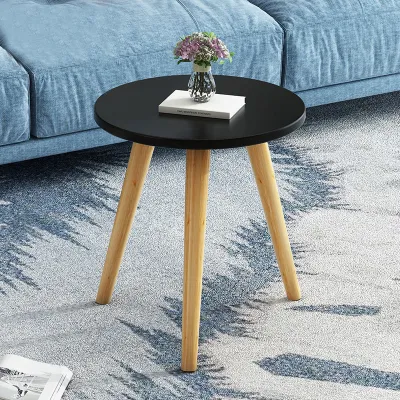
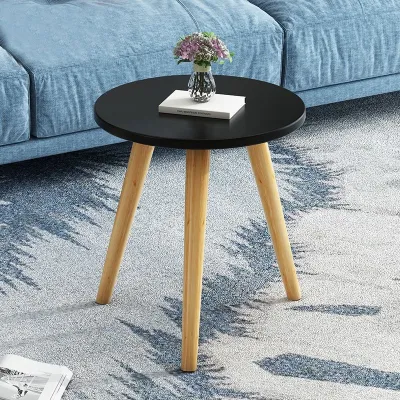
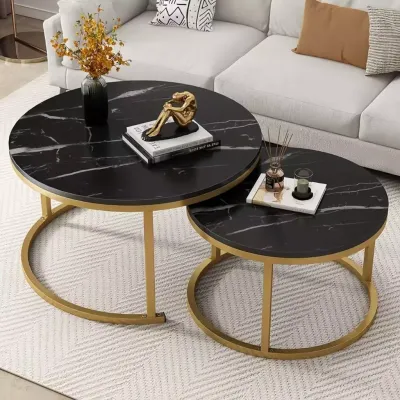
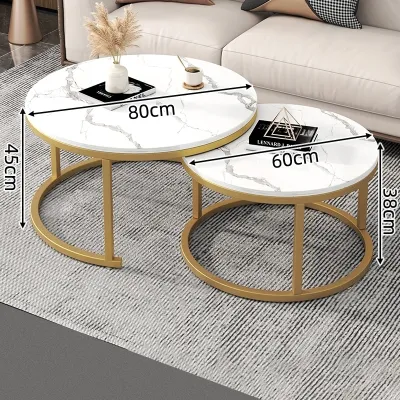
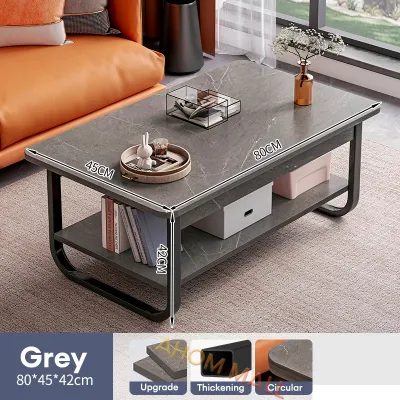
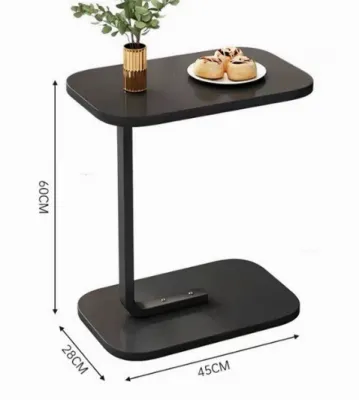
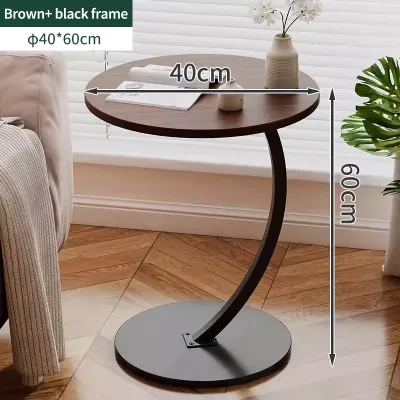
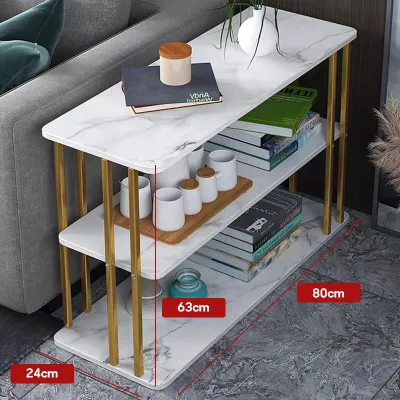
Prices are valid at publication and may change. Please refer to the product page for the latest price.
The shape of your sofa heavily influences where a table should go. A standard three-seater sofa pairs naturally with a rectangular or oval coffee table placed directly in front of it. Conversely, an L-shaped sectional or a sofa with a chaise lounge creates a natural nook that might be better served by a round coffee table or a strategically placed side table at the open end.
Visual weight and proportion are equally critical. A massive, solid wood coffee table can overwhelm a delicate, low-profile sofa, making the entire room feel cramped. Aim for a table length that is roughly one-half to two-thirds the total length of your sofa. For height, the tabletop should align closely with the top of your sofa’s seat cushions to maintain a balanced, cohesive horizon line.
Evaluating Your Daily Living Room Habits
Your daily routine should dictate your furniture choices, not just aesthetic trends. If your living room doubles as a casual dining area where you enjoy quick meals or snacks while watching the evening news, a sturdy central coffee table is highly practical. It provides a stable, expansive surface for plates, bowls, and serving trays.

For those who frequently work from home, a table’s function changes. You might need a surface that can support a laptop, notebooks, and a cup of coffee. A standard low coffee table can cause you to hunch over, leading to back strain. In this case, a taller side table that slides over the sofa arm—often called a C-table—or a lift-top coffee table offers a much more ergonomic setup.
Consider the other members of your household. Homes with active toddlers or energetic pets require careful planning. Sharp corners on rectangular glass or wooden coffee tables can pose safety hazards during play. Round tables or soft, upholstered ottomans used as coffee tables can minimize these risks. Additionally, high-traffic households benefit from keeping the central floor area open, making side tables a safer, more spacious alternative.
Think about how often you host guests. If you regularly invite friends over for coffee or casual gatherings, having accessible surfaces is essential. A single central table might force guests sitting on the outer edges of the sofa to stretch uncomfortably to set down their cups. Placing side tables next to armchairs or at the ends of the sofa ensures everyone has a convenient spot for their drinks.
Comparing Core Functions: Coffee Table vs. Side Table
A coffee table serves as the visual and functional anchor of the living room. Positioned centrally, it draws the seating arrangement together, creating a natural gathering point. Because of its larger surface area, it can accommodate decorative items like books, candles, or floral arrangements alongside daily essentials. Many models also feature built-in drawers, open shelves, or hidden compartments, providing valuable storage for remote controls, magazines, and extra coasters.
A side table, by contrast, is designed for peripheral convenience and space efficiency. Positioned at the end of a sofa or between two chairs, it occupies a minimal footprint while keeping items within arm’s reach of an individual seat. Its lightweight nature makes it highly flexible; you can easily move a side table closer to a guest or reposition it to another corner of the room when cleaning or rearranging.
Height and accessibility differ significantly between the two types. Coffee tables are traditionally lower, typically standing between 40 and 50 centimeters tall, which keeps them below the average line of sight and preserves an open feel in the room. Side tables are taller, usually ranging from 55 to 65 centimeters, designed to align closely with the height of the sofa’s armrest so you do not have to bend down to reach your glass.
Material choices also impact how these tables perform in different environments. In tropical climates with high humidity, materials like treated rattan, metal, or sealed engineered wood resist moisture damage better than unsealed solid woods. Whether you are looking for a budget-friendly option under ₱3,000 or a premium statement piece, checking the material specifications is essential to ensure the finish can withstand condensation from cold drinks without warping or leaving permanent rings.
Deciding Your Setup: One, the Other, or Both
A coffee table alone is the most practical choice if you have a spacious living room and a standard sofa setup. If your household gathers daily in the central seating area to play board games, share snacks, or display decor, a single, well-proportioned coffee table provides all the surface area you need without requiring additional furniture pieces that could clutter the perimeter.
Replacing the coffee table entirely with side tables is an excellent strategy for small apartments, narrow layouts, or minimalist spaces. By leaving the center of the room open, you create a more spacious feel and allow for unobstructed foot traffic. Using two matching side tables at either end of the sofa, or utilizing a slide-under C-table, ensures you still have functional surfaces for drinks and remotes without sacrificing valuable floor space.
Combining both types offers the ultimate level of convenience and versatility, provided your room is large enough. In a spacious layout with a long sectional or a multi-piece sofa set, a central coffee table handles the main decorative and shared duties, while side tables at the outer edges cater to individual seating spots. To keep this setup from feeling chaotic, choose tables that share a common design element, such as matching metal frames or complementary wood tones, to tie the room together harmoniously.
Frequently Asked Questions (FAQ)
Can I use a side table instead of a coffee table in a small living room?
Yes, substituting a coffee table with one or two side tables is a highly effective way to maximize space in a compact living room. This layout opens up the central floor area, making the room feel larger and improving traffic flow. The main trade-off is that guests seated in the middle of a long sofa may not have immediate access to a surface, which you can easily resolve by using a lightweight, movable C-table that slides over the seat cushion when needed.
What is the ideal height for a table placed next to or in front of a sofa?
For a coffee table placed in front of your sofa, the ideal height is equal to or up to 5 centimeters lower than the top of your seat cushions. For a side table placed next to the sofa, the tabletop should ideally sit level with or slightly below the height of the sofa’s armrest. Always check the specific dimensions of your sofa and account for cushion compression when sitting down to ensure a comfortable, ergonomic reach.
Do I need a table for my sofa if I only use the living room for watching TV?
If your living room is used almost exclusively for watching television, you may not need a large, dedicated coffee table. A minimalist alternative, such as a small side table or a clip-on sofa arm tray, is often sufficient to hold a remote control, a phone, and a drink. This keeps the room uncluttered and open, allowing you to focus on comfort without unnecessary furniture taking up valuable space.
Community discussion
Share your experience or ask a question. Comments are reviewed before publication.