
Finding ways to maximize food preparation space and storage is a common challenge in compact Philippine homes. Whether you are living in a high-rise studio condominium in Metro Manila or a cozy townhouse, kitchen space is often at a premium. A mobile table cabinet kitchen island counter offers a practical, versatile solution by serving as an adjustable workstation, a storage hub, and an extra serving area that you can easily reposition as your daily needs change.
Unlike permanent kitchen renovations, which can be costly and disruptive, a mobile kitchen cart provides immediate utility with minimal hassle. It bridges the gap between fixed cabinetry and open floor space, allowing you to customize your kitchen layout on demand. To find the right cart for your home, you must evaluate several critical factors, including physical dimensions, material durability under tropical conditions, storage configurations, and structural stability.
Measuring Your Kitchen Space and Clearance Requirements
Before browsing online marketplaces or visiting local furniture showrooms, you must accurately map out your kitchen’s physical limits. Start by measuring the width of your kitchen aisles and walkways. For a comfortable and safe traffic flow, aim to maintain a clearance of at least 90 to 100 centimeters between your existing countertops, walls, and any parked furniture. This ensures that two people can still pass each other without bumping into the cart.
Products mentioned in this guide
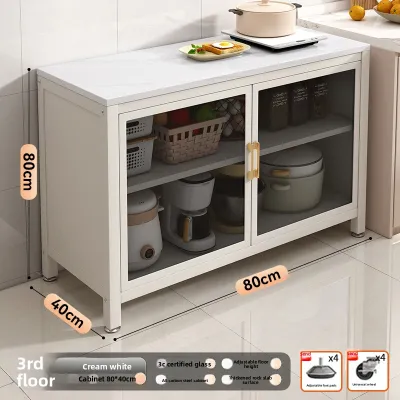
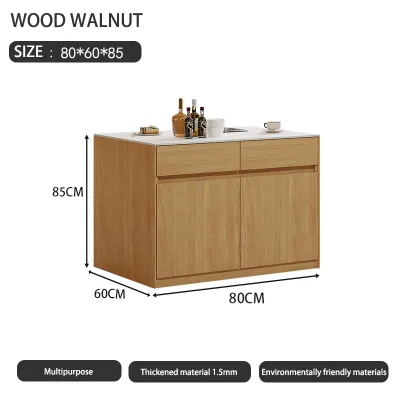
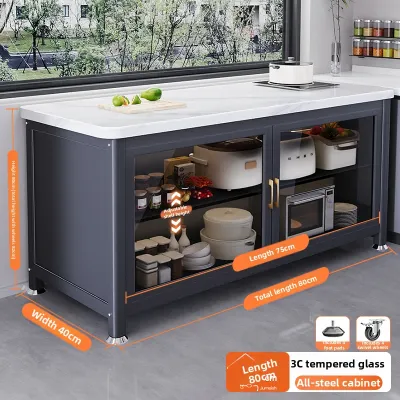
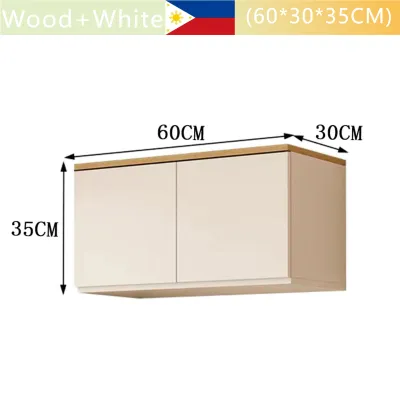
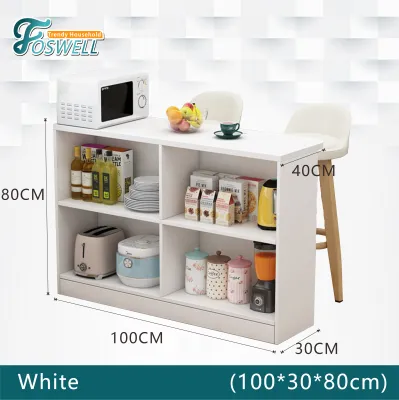
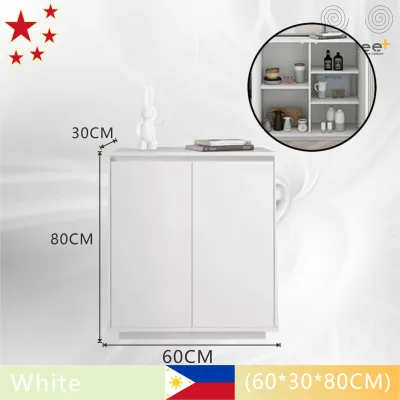
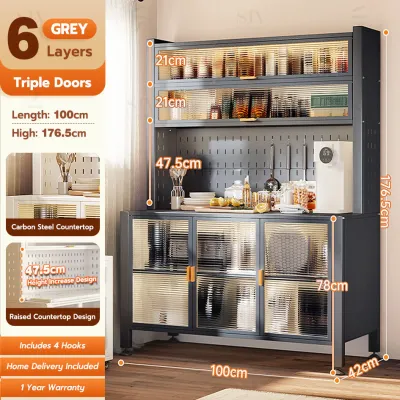
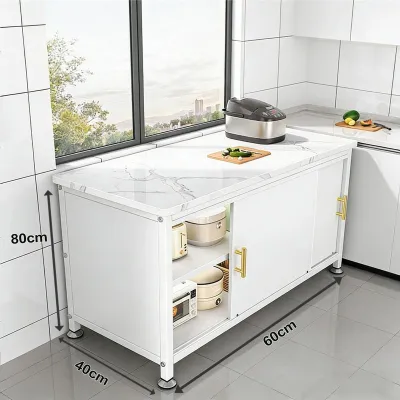
Prices are valid at publication and may change. Please refer to the product page for the latest price.
Next, factor in the clearance required for your kitchen appliances and existing cabinets. A mobile cart should never block the swing path of your refrigerator door, oven door, or under-sink cabinets. Measure the depth of these doors when fully opened and compare them against your planned parking spot for the cart. If your kitchen layout is exceptionally tight, you may need to park the cart against a blank wall when it is not in use and roll it to the center of the room only during active meal preparation.
Do not overlook the delivery and assembly pathway. Many apartment buildings and condominiums have narrow elevators, tight stairwells, and standard door frames that measure around 80 centimeters in width. Verify the packaged box dimensions of the cart to ensure it can physically transition from the delivery truck, through your building’s common areas, and into your unit. If the cart arrives pre-assembled, double-check that its narrowest dimension can clear your front door and kitchen entryway.
Finally, distinguish between the cart’s parked footprint and its operational footprint. The parked footprint is the space the cart occupies when tucked away. The operational footprint includes the extra space needed when you extend a drop-leaf countertop, pull out deep storage drawers, or swing open the cabinet doors. To visualize this in your actual space, use masking tape on your kitchen floor to outline both footprints. This simple step prevents the common mistake of buying a cart that fits perfectly when closed but paralyzes your kitchen workflow when fully opened.
Evaluating Countertop Functions and Space-Saving Features
The countertop of your kitchen cart is where you will spend most of your time prepping ingredients, placing small appliances, or plating meals. When evaluating countertop materials, consider how you cook and how much maintenance you are willing to perform. Solid wood tops, such as rubberwood or bamboo, offer a warm, classic look and a sturdy feel. However, solid wood is sensitive to extreme humidity changes and requires regular sealing with food-safe mineral oil to prevent warping, cracking, or staining in tropical climates.

If you prefer a low-maintenance, highly hygienic surface, stainless steel countertops are an excellent alternative. Stainless steel is resistant to heat, moisture, and stains, making it incredibly easy to wipe down after prepping raw ingredients. However, it can scratch easily and may produce a clinical, industrial aesthetic that does not match every home. Engineered wood countertops with high-pressure laminate finishes are budget-friendly and come in various patterns, but you must protect their edges from prolonged water exposure to prevent the underlying board from swelling.
Regardless of the material, check the manufacturer’s guidelines regarding direct food contact. Unless a wooden countertop is explicitly certified as a food-safe chopping block, you should always use a separate cutting board for slicing and dicing. This practice preserves the protective finish of the countertop and prevents deep knife grooves where bacteria can accumulate over time.
To maximize utility in a small kitchen, look for space-saving additions that expand the cart’s functionality without permanently increasing its footprint. A foldable drop-leaf extension is highly valuable; it can be raised to provide extra prep space or a casual breakfast bar, then folded flat against the side of the cart when your cooking is done. Side-mounted towel racks, integrated spice shelves, and sturdy utility hooks are also excellent features that keep frequently used items within arm’s reach while keeping the main countertop clear of clutter.
Ergonomics should also play a key role in your decision. Compare the height of the kitchen cart with your existing kitchen counters, which typically stand between 85 and 90 centimeters tall. A cart that is significantly lower or higher than your main countertops can cause physical discomfort, back strain, or shoulder fatigue during long prep sessions. Aim for a cart height that aligns closely with your existing counters to create a seamless, continuous workspace.
Matching Storage Cabinets to Your Kitchen Needs
A well-designed kitchen cart does more than just hold a cutting board; it acts as an organizational hub that relieves pressure on your main kitchen cabinets. When choosing a storage configuration, think about the specific items you need to store. Enclosed cabinet doors are highly recommended for tropical environments, as they protect your plates, bowls, and pantry items from airborne dust, cooking grease, and common household pests. Look for doors with magnetic latches that stay firmly shut.
Open shelving, on the other hand, is ideal for items you need to grab quickly while cooking, such as mixing bowls, colanders, or frequently used pots. It also provides excellent ventilation, making it a great spot to store dry goods like onions, garlic, or potatoes in breathable baskets. However, open shelves require regular dusting and can look cluttered if not organized neatly. A hybrid design that features both enclosed cabinets and open shelves offers the best of both worlds.
Adjustable interior shelving is a crucial feature to look for in the enclosed cabinet section. Fixed shelves limit your storage options, whereas adjustable shelves allow you to customize the vertical clearance. This flexibility is essential if you plan to store tall items, such as a rice cooker, a stand mixer, large stockpots, or tall bottles of cooking oil and vinegar. Check the shelf support pins to ensure they are made of sturdy metal rather than flimsy plastic, which can bend or snap under heavy loads.
Drawers are another essential component of a functional kitchen cart. They are perfect for organizing small utensils, cutlery, measuring cups, and kitchen towels that otherwise clutter your main drawers. When evaluating drawers, pay close attention to the drawer runners or slides. Metal ball-bearing slides offer smoother operation and greater durability than simple wooden grooves, preventing the drawers from sticking or jamming when filled to capacity.
Checking Mobility, Stability, and Material Care
Because a kitchen cart is designed to move, its mobility and stability systems require careful inspection. The quality of the casters, or wheels, determines how easily the cart rolls across your kitchen floor. Look for heavy-duty, 360-degree swivel casters made of polyurethane or rubber. These materials roll smoothly and quietly without scratching delicate tile, laminate, or vinyl flooring. Avoid cheap, hard plastic wheels, which can scuff floors and struggle to roll over grout lines.
Stability is paramount when you are using sharp knives or handling hot liquids on the cart’s surface. To prevent dangerous shifting, the cart must have reliable locking mechanisms on at least two of its casters. When locked, these wheels should grip the floor firmly, preventing the cart from sliding or wobbling while you chop vegetables or knead dough. Test the locks to ensure they are easy to engage and disengage with your foot.
Before loading your cart with heavy kitchen gear, consult the manufacturer’s specifications for weight capacity. This includes the maximum weight limit for the main countertop, individual interior shelves, and drawers. Overloading a kitchen cart can bow the shelves, warp the frame, and put excessive stress on the casters, leading to structural failure or tipping hazards. Distribute weight evenly, placing heavier items like cast iron pans or small appliances near the bottom to maintain a low center of gravity.
Maintaining your kitchen cart in a humid climate requires consistent care. High humidity can cause untreated wood to swell and cheap metal hardware to rust. To protect your investment, look for carts with moisture-resistant finishes, such as polyurethane coatings on wood or powder coatings on steel frames. Clean up spills immediately, especially around the joints and edges of engineered wood panels, to prevent water from seeping in and causing the material to delaminate. Wipe down the entire cart weekly with a damp microfiber cloth and a mild, non-abrasive soap, then dry it thoroughly.
Finalizing Your Shortlist: Pre-Purchase Verification
Once you have narrowed down your choices on your preferred online marketplace or at a local furniture store, perform a final round of checks before making your purchase. Cross-reference the exact dimensions listed in the product specifications with your taped-out floor measurements. Pay close attention to the height, width, and depth, and ensure that any listed measurements include protruding parts like towel racks, spice shelves, or extended drop-leaf surfaces.
Consider the assembly requirements of the cart. Most budget-friendly kitchen carts sold online are shipped flat-packed to save on delivery costs. Read customer reviews to gauge the difficulty of the assembly process. Check if the package includes all necessary hardware and clear, step-by-step instructions. If you do not own basic tools like a screwdriver or a rubber mallet, or if you are uncomfortable with self-assembly, look for retailers that offer professional assembly services for a small fee, which can save you time and ensure structural integrity.
Finally, carefully review the retailer’s return policy and warranty terms. Large furniture items can occasionally suffer shipping damage, such as cracked wooden panels, bent metal frames, or missing hardware. Ensure the seller offers a clear return or replacement window for damaged goods. A reliable warranty that covers structural defects or premature caster failure provides peace of mind and protects your investment, ensuring your new kitchen cart remains a functional centerpiece in your home for years to come.
Frequently Asked Questions (FAQ)
Can a kitchen island cart be used as a dining table?
Yes, a kitchen island cart can serve as a temporary dining table or breakfast bar, provided it has the right design features. Carts equipped with a drop-leaf extension are particularly suited for this, as they allow you to raise the leaf to create comfortable legroom for bar stools. Before using it for dining, verify that the countertop’s weight capacity can safely support plates, glassware, and leaning elbows. Most importantly, always engage the caster locks fully before sitting down to eat to prevent the cart from rolling or shifting unexpectedly.
How do I prevent a kitchen cart from tipping over?
Preventing a kitchen cart from tipping over requires smart loading habits and careful weight distribution. Always store your heaviest items, such as cast iron skillets, Dutch ovens, or heavy kitchen appliances, on the lowest shelves or bottom cabinet compartments. This keeps the cart’s center of gravity low and stable. Avoid hanging heavy bags, grocery sacks, or heavy wet towels on one side of the cart, as this can create an uneven balance. Additionally, never overload a drop-leaf extension with heavy items unless it is supported by sturdy, built-in wooden brackets or metal support legs.
Community discussion
Share your experience or ask a question. Comments are reviewed before publication.