
Maximizing a small kitchen in the Philippines requires a strategic approach to kitchen cabinet storage. With limited floor space in typical urban condominiums and townhouses, the key is to balance vertical storage, mobility, and material durability against high tropical humidity. Choosing the right compact cabinet involves measuring your exact layout, understanding your wall construction, and selecting units that can withstand daily wear without obstructing busy walkways.
By focusing on smart spatial planning and robust hardware, you can transform a cluttered cooking area into an efficient, organized workspace. This guide outlines how to evaluate your kitchen’s physical constraints, compare compact cabinet types, and verify crucial safety features before making a purchase.
Assessing Your Kitchen Space and Storage Needs
Before browsing online marketplaces or visiting local showrooms, you must establish the physical boundaries of your kitchen. Begin by measuring the available floor area with a standard tape measure, noting any permanent fixtures such as plumbing pipes, electrical outlets, and light switches. It is essential to record the vertical height from the floor to the ceiling, as utilizing wall space is often the most effective way to increase storage in tight layouts.
Products mentioned in this guide
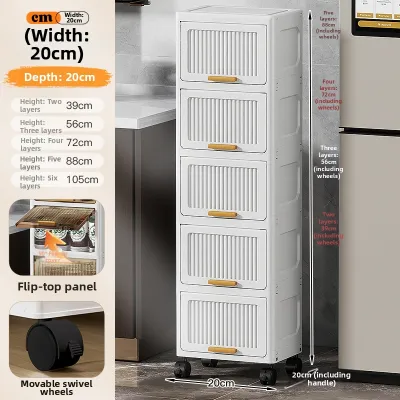
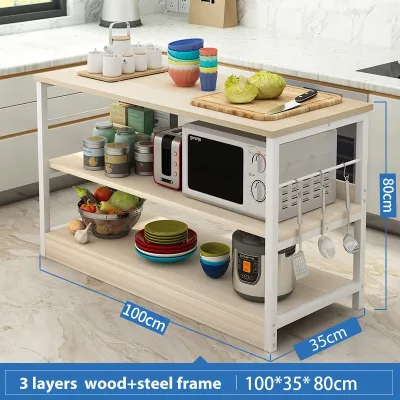
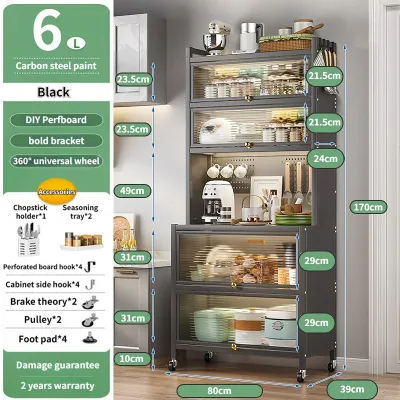
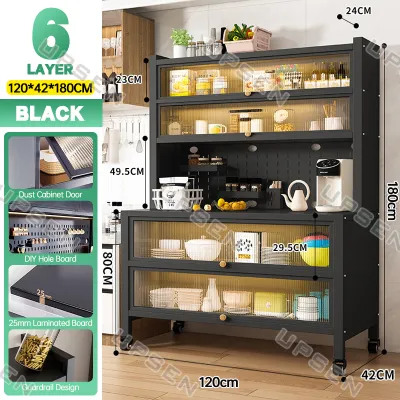
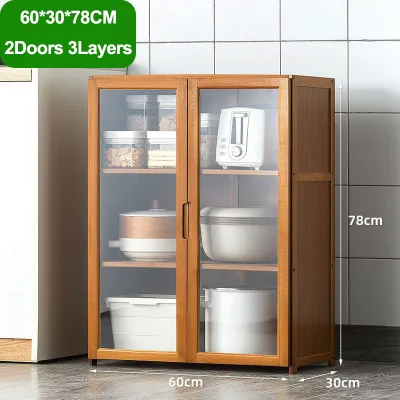
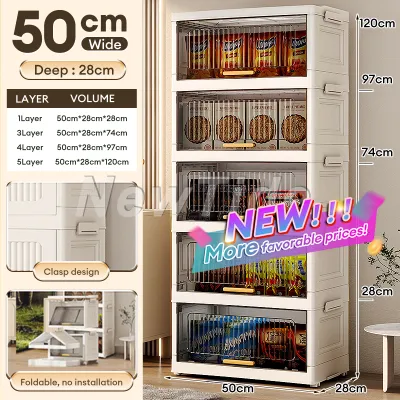
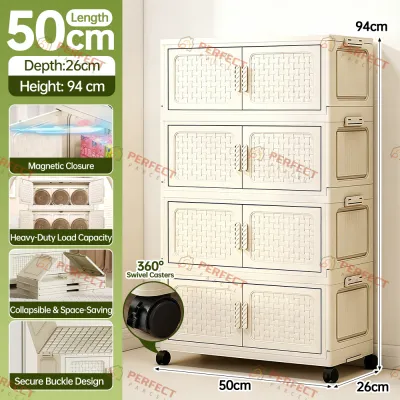
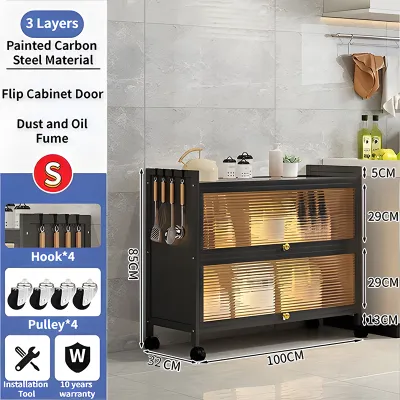
Prices are valid at publication and may change. Please refer to the product page for the latest price.
When measuring, always account for the clearance zones required for daily kitchen activities. A cabinet door or drawer must be able to open fully without striking appliances, dining tables, or opposing walls. Additionally, ensure there is at least a 90-centimeter walkway remaining when doors are open so that you can move safely while carrying hot dishes or heavy groceries. If you plan to place a cabinet near a refrigerator or gas stove, check the appliance manufacturer’s manual for the required ventilation gaps to prevent overheating.
Next, take a detailed inventory of the items you intend to store. Group your kitchenware by weight and frequency of use, separating heavy items like cast iron pans, rice cookers, and large oil containers from lighter goods like spices, dry pasta, and plastic containers. This inventory determines the load-bearing capacity you will need from your shelving and helps you decide between deep drawers, open shelves, or adjustable internal cabinets.
Finally, do not overlook the logistics of getting the furniture into your home. Measure the width and height of your entry doors, narrow hallways, stairwells, and condominium elevators. Whether you choose a fully assembled unit or a flat-pack model that requires home assembly, ensuring the package or finished piece can physically navigate these tight passages prevents costly return shipping fees and delivery frustrations.
Types of Compact Kitchen Cabinets for Small Spaces
Compact kitchen cabinets come in several distinct configurations, each designed to address specific spatial challenges. Slim pull-out cabinets, often referred to as gap organizers, are exceptionally narrow units designed to slide into underutilized spaces, such as the gap between a refrigerator and the kitchen counter. These units typically feature multi-tier shelving on casters, allowing you to pull them out to access spices, condiments, or canned goods. When selecting a slim pull-out cabinet, verify the load limit of the casters and look for models with built-in guide rails or anti-tip designs to prevent the narrow structure from toppling when fully extended.

Wall-mounted cabinets are a highly effective option for preserving valuable floor space. By shifting your storage upward, you keep countertops clear for food preparation. However, installing wall cabinets in Philippine homes requires careful inspection of the wall construction. Solid concrete walls offer excellent support for heavy loads, whereas hollow concrete blocks or drywall partitions require specialized wall anchors and toggle bolts. Always verify the manufacturer’s specified load limits and ensure you have the correct mounting hardware suitable for your specific wall type.
Rolling kitchen carts offer a versatile, mobile solution that functions as both storage and an extra prep station. These carts typically feature a solid top surface, drawers for utensils, and lower shelves or cabinets for small appliances. Mobility is highly convenient in a small kitchen, but safety must remain a priority. Look for carts equipped with heavy-duty casters that feature reliable locking mechanisms on at least two wheels to keep the cart stationary during use. Additionally, check the product specifications to ensure the top surface is treated to resist water and heat.
Foldable or expandable storage units are ideal for multi-purpose spaces where the kitchen layout must adapt throughout the day. These cabinets feature drop-leaf countertops or fold-out shelves that can be tucked away when not in use. When evaluating these units, pay close attention to the hinge mechanisms and support brackets. High-quality steel hinges and sturdy support legs are critical to maintaining structural stability when the unit is fully expanded, preventing sagging or sudden collapse under weight.
Key Features to Check Before Buying
When shopping for kitchen cabinet storage, aesthetic appeal should be secondary to structural integrity and material suitability. The tropical climate of the Philippines introduces high humidity levels, which can cause low-grade particleboard to swell, warp, or degrade over time. Instead of relying on vague marketing terms like “waterproof,” examine the product specifications for details on the core materials and surface treatments. Look for high-density fiberboard (HDF), marine-grade plywood, or solid wood treated with moisture-resistant sealants, and check the care instructions to understand how to maintain the finish.
Structural stability is a non-negotiable safety feature, particularly for tall, narrow cabinets with a small footprint. Any cabinet that stands significantly taller than it is wide poses a tip-over hazard if overloaded or pulled abruptly. Check the product description to confirm if the manufacturer includes an anti-tip kit, which typically consists of wall brackets and safety straps. If a kit is not included, plan to purchase compatible wall-anchoring hardware separately to secure the unit firmly to your kitchen wall.
The quality of the cabinet hardware directly influences the lifespan and daily usability of your storage. Inspect the specifications for the drawer slides and door hinges, prioritizing ball-bearing drawer runners and adjustable steel hinges. In small, enclosed kitchens, the sound of slamming doors can be highly disruptive; choosing hardware with soft-close mechanisms mitigates noise and reduces wear on the cabinet frame. Additionally, ensure that handles and pulls are securely recessed or low-profile to prevent them from catching on clothing in tight walkways.
Lastly, evaluate the assembly conditions before finalizing your purchase. Many compact cabinets sold online arrive as flat-packs that require self-assembly. Review the product listing to see if specialized tools are required, such as specific drill bits or hex keys, and check if the manufacturer provides a clear, illustrated instruction manual. If you are not comfortable with DIY assembly, factor in the cost of hiring a local professional to ensure the cabinet is put together securely and aligned correctly.
Common Sizing and Installation Mistakes to Avoid
One of the most frequent errors in small kitchen planning is failing to account for the physical footprint of open doors and fully extended drawers. A cabinet may fit perfectly within a designated corner when closed, but once you attempt to open it, you may find it blocks the refrigerator door, hits the oven handle, or completely obstructs the kitchen entrance. Always map out the swing radius of all cabinet doors and the maximum extension length of drawers on your floor plan before purchasing.
Another critical mistake is mounting heavy wall cabinets without verifying the structural capacity of the wall. Hanging a cabinet filled with heavy ceramic plates or glassware on a weak drywall partition or poorly supported hollow block wall can lead to catastrophic structural failure. If you are unsure of your wall’s composition or load capacity, consult a qualified carpenter or contractor to assess the wall and perform the installation using professional-grade anchors.
Overloading lightweight shelves is a common hazard that leads to sagging, cracking, or sudden collapse. It is tempting to pack every available inch of a compact cabinet, but placing heavy items like cast iron pots, bags of rice, or large bottles of cooking oil on upper shelves or unrated tiers compromises the unit’s balance. Always place the heaviest items on the lowest shelves to keep the center of gravity low, and strictly adhere to the weight limits specified by the manufacturer.
Finally, avoid placing storage cabinets flush against appliances that generate heat or require airflow. Refrigerators, ovens, and microwave ovens need adequate clearance around their vents to function efficiently and safely. Squeezing a wooden or plastic storage cabinet directly against these appliances can restrict ventilation, leading to increased energy consumption, appliance damage, or even a fire hazard. Maintain the manufacturer-recommended clearance gaps to ensure a safe and functional kitchen environment.
Frequently Asked Questions (FAQ)
How much weight can a typical wall-mounted kitchen cabinet hold?
The load capacity of a wall-mounted kitchen cabinet depends heavily on the cabinet’s construction material, the type of wall it is mounted on, and the quality of the installation hardware. While a sturdy cabinet mounted to a solid concrete wall using heavy-duty masonry anchors can support significant weight, the same cabinet mounted to drywall or hollow blocks with standard screws will have a much lower capacity. Always consult the manufacturer’s specification label for the exact weight limits of your product, and have a qualified professional inspect your wall if you are uncertain of its strength.
Are rolling kitchen carts safe to use as a prep station?
Yes, rolling kitchen carts can serve as safe and highly functional prep stations, provided you follow key safety guidelines. Before performing any kitchen tasks such as chopping, mixing, or kneading, you must engage the locking brakes on all lockable casters to ensure the cart remains completely stationary. Additionally, verify the countertop material’s heat and scratch resistance specifications; do not place hot pots directly on the surface or use sharp knives without a cutting board unless the manufacturer explicitly states the material is rated for such use.
Community discussion
Share your experience or ask a question. Comments are reviewed before publication.