
Finding the ideal shoe organizer for a compact closet in the Philippines requires balancing limited physical space with the unique challenges of a tropical climate. High humidity, seasonal rains, and dust can quickly damage footwear if it is stored incorrectly. The most effective solution is not a single universal product, but rather a system that maximizes vertical clearance, ensures adequate airflow, and matches the exact dimensions of your wardrobe. By selecting organizers that utilize under-utilized zones—such as the back of a door, the vertical space beneath hanging clothes, or the empty gaps between shelves—you can protect your investment in footwear while keeping your bedroom clutter-free.
Assessing Your Closet Space and Shoe Collection
Before purchasing any storage system, you must conduct a thorough audit of your closet’s physical dimensions and your actual footwear collection. Start by clearing out the bottom of your wardrobe and using a metal measuring tape to record the exact width, depth, and height of the available space. Do not rely on visual estimates, as even a discrepancy of one centimeter can prevent a rigid plastic bin or a hanging rack from fitting properly.
Be sure to account for existing obstacles, such as low-hanging garments, drawer handles, sliding door tracks, and structural supports. If your closet doors swing inward or have specific hinge placements, measure the clearance required for the doors to close completely without pressing against your shoes.
Products mentioned in this guide
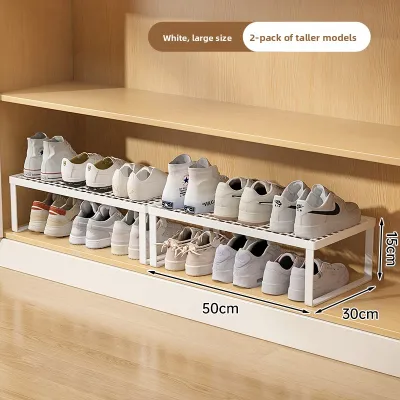
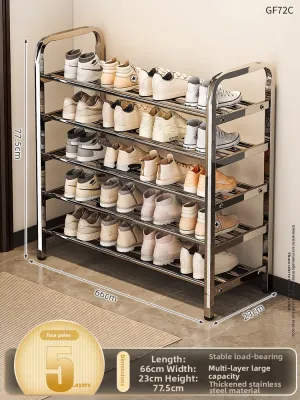
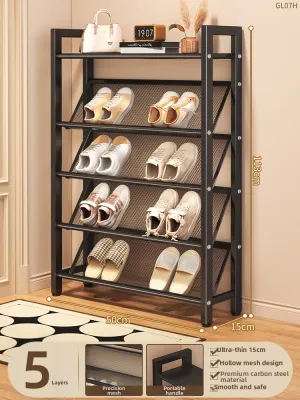
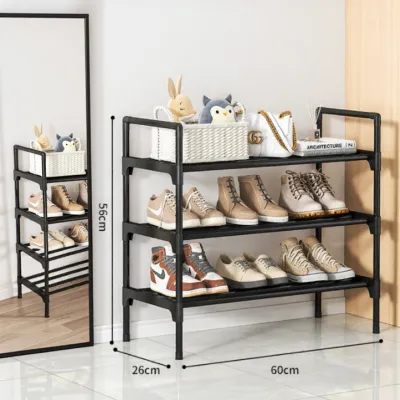
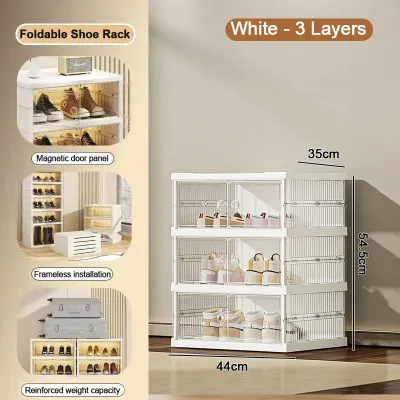
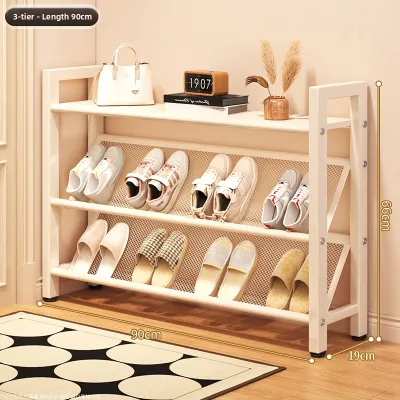
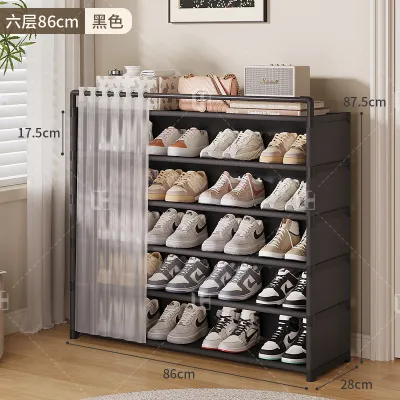
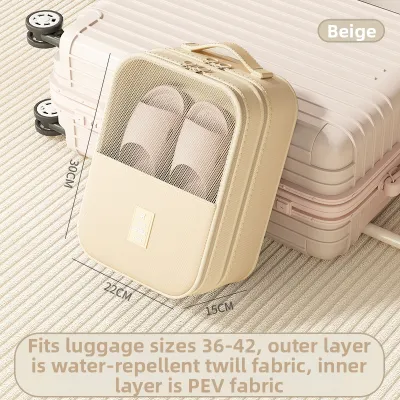
Prices are valid at publication and may change. Please refer to the product page for the latest price.
Next, categorize your shoe collection by style, height, and frequency of use. Grouping your footwear into distinct categories—such as flat sandals, sneakers, high heels, and boots—allows you to identify the specific height and depth requirements for each pair. For instance, high-top sneakers and heels require significantly more vertical clearance than flat slippers or sandals.
Measure the tallest and widest pairs in your collection to establish a baseline for compartment sizes. If you store bulky athletic shoes, you will need deeper and wider slots than if your wardrobe consists primarily of slim office flats.
Finally, count the total number of pairs you intend to store in the closet. This number provides a realistic estimate of the total compartments or shelves required. If your collection exceeds the physical capacity of your closet floor, you will need to prioritize vertical solutions or consider rotating seasonal footwear to alternative storage areas.
Knowing your exact inventory prevents the common mistake of buying an organizer that is either too small to hold your collection or too bulky to fit inside your wardrobe.
Types of Compact Shoe Organizers for Small Spaces
Selecting the right organizer style depends heavily on your closet’s layout and how much floor space you can spare. Different designs offer distinct advantages, ranging from modular flexibility to tool-free installation. The goal is to find a system that fits seamlessly into your routine without obstructing other closet functions, such as accessing hanging clothes or opening drawers.

Stackable Shoe Boxes and Drop-Front Bins
Modular stackable shoe boxes are highly effective for maximizing vertical floor space because they allow you to build a customized storage tower that fits your exact closet height. These boxes protect your footwear from dust, pests, and ambient moisture, which is particularly beneficial during the humid rainy season in the Philippines.
When choosing stackable bins, always check the manufacturer’s specified maximum stack height and stability guidelines to prevent the tower from tipping over. It is crucial to verify the interior dimensions of the boxes against your largest shoes, especially if you wear larger sizes or high-top designs.
Look for boxes featuring drop-front or magnetic doors rather than removable lids. Drop-front doors allow you to retrieve a pair of shoes from the bottom of the stack without having to unstack and restack multiple heavy boxes, saving time and effort during busy mornings.
Ensure the plastic material is sturdy enough to support the weight of multiple loaded boxes above it without warping or buckling over time.
Hanging Shoe Organizers and Over-the-Door Racks
Hanging shoe organizers and over-the-door racks are excellent vertical solutions that completely free up valuable floor and shelf space. Hanging organizers typically attach directly to your existing closet rod using heavy-duty hook-and-loop fasteners or metal hooks, making them ideal for renters who cannot drill holes into walls.
Over-the-door racks utilize the often-ignored space on the back of your closet door, turning it into a highly functional storage zone. Before installing these systems, you must assess the weight capacity of your closet rod or door hinges.
A full set of heavy sneakers or leather shoes can add significant weight, which may cause a flimsy rod to bend or door hinges to sag over time. Check the individual compartment dimensions to ensure they can accommodate bulkier footwear without stretching or tearing the fabric seams.
Additionally, prioritize breathable materials, such as non-woven fabric or mesh, to allow air to circulate freely around your shoes, reducing the risk of mold and mildew buildup in enclosed, humid wardrobes.
Under-Shelf Baskets and Tension Rod Dividers
Under-shelf baskets and tension rod dividers are clever methods for reclaiming dead space beneath existing closet shelves or hanging clothes. Under-shelf wire baskets slide directly onto your existing wooden or wire shelves, creating an instant secondary compartment for flat shoes, sandals, or slippers.
Tension rods can be installed horizontally near the closet floor or between shelves to create custom, angled shoe ledges without the need for screws or adhesive. To ensure a proper fit, measure the vertical clearance between your shelves to confirm that the baskets or tension rods will leave enough room for your shoes to slide in and out easily.
Verify the load-bearing capacity of wire baskets, as heavier shoes can cause thin wire frames to sag and interfere with the space below. When using tension rods, check that your closet’s interior wall material—whether it is solid wood, plywood, or drywall—can withstand the outward pressure required to keep the rods securely in place without slipping or causing structural damage.
Key Features to Check Before Buying
When shopping for a shoe organizer on online marketplaces or at local home improvement stores, it is easy to be swayed by aesthetics alone. However, ensuring long-term functionality requires a careful evaluation of product specifications and materials. Use this practical checklist to guide your purchasing decisions and avoid common storage pitfalls.
First, compare the product’s finished exterior dimensions with your measured closet space, leaving a comfortable margin for door clearance and daily handling. An organizer that fits too tightly can scratch your closet walls or make it difficult to open adjacent drawers. If you are choosing stackable boxes, ensure the combined height of the stack does not block hanging garments or light fixtures.
Second, pay close attention to material and ventilation. In the tropical climate of the Philippines, high humidity levels can lead to rapid mold growth and unpleasant odors on organic materials like leather and canvas. Look for organizers made from breathable fabrics, or plastic bins equipped with built-in ventilation holes or slotted backs. Avoid completely airtight plastic containers unless you plan to use silica gel packets or moisture absorbers inside each box.
Third, review the manufacturer’s weight capacity and stability ratings. This is especially critical for hanging organizers, tension rods, and tall stackable units. Ensure the joints, hooks, and shelves are reinforced to handle the weight of your specific footwear. For stackable systems, check if they feature interlocking mechanisms that lock the boxes together, which significantly improves stability and prevents accidental tipping.
Finally, evaluate the accessibility of the design. A good shoe organizer should make your daily routine smoother, not more complicated. Ensure you can easily see and retrieve any pair of shoes without having to move other items. If you choose opaque fabric organizers, look for models with clear front windows or labeling slots so you can identify the contents at a glance without opening every compartment.
How to Arrange and Maintain Your Shoe Storage
An organized closet is only sustainable if you establish a clear arrangement system and commit to regular maintenance. Start by grouping your shoes by frequency of use. Place your everyday footwear, such as work shoes or casual sneakers, at eye or hand level where they are easiest to reach.
Less frequently worn items, such as formal shoes or seasonal boots, can be placed on the highest shelves or at the very bottom of your stackable system. This minimizes the time spent searching for your daily essentials while keeping your closet looking tidy.
Before placing any shoes into your organizer, ensure they are completely clean and dry. Storing damp or dirty shoes—especially after walking through rain or muddy streets—creates an ideal breeding ground for bacteria, mold, and foul odors. Wipe down the soles and uppers with a damp cloth, and allow them to air dry completely in a well-ventilated area before putting them away.
For leather shoes, consider using cedar shoe trees or stuffing them with clean paper to maintain their shape and absorb residual moisture. This simple step can significantly extend the lifespan of your footwear in tropical conditions.
Perform periodic checks of your shoe storage system to declutter pairs you no longer wear and to adjust the layout as your collection evolves. Over time, dust can accumulate inside boxes and on fabric shelves, so make it a habit to wipe down the organizer surfaces with a dry or slightly damp microfiber cloth every few months.
If you notice any signs of moisture or musty smells, temporarily remove the shoes, clean the organizer, and place a moisture-absorbing sachet inside the closet to maintain a dry, fresh environment.
Frequently Asked Questions (FAQ)
How many pairs of shoes can a standard hanging organizer hold?
A standard hanging shoe organizer typically features 10 to 20 individual compartments, but the actual number of pairs it can hold depends on the style and size of your footwear. While slim shoes like sandals, flats, and slippers can easily fit two to a slot, bulkier footwear such as running shoes, high heels, and boots usually require one slot per shoe, effectively cutting the organizer’s capacity in half. Before purchasing, always check the manufacturer’s stated weight limit rather than relying solely on the number of slots, as overloading the organizer can stretch the fabric, tear the seams, or damage your closet rod.
Are clear stackable boxes better for small closets?
Clear stackable boxes offer a significant visual advantage for small closets because they allow you to identify your shoes instantly without having to open multiple containers, saving you time during your daily routine. They also create a clean, uniform look that makes a small space feel more organized and less cluttered. However, clear plastic surfaces can easily show dust, fingerprints, and scuff marks, which may require regular wiping with a soft cloth to maintain their clarity. If you prefer a low-maintenance option, you might consider semi-translucent or opaque boxes with clear drop-front doors, which offer the same accessibility while concealing minor scuffs.
Community discussion
Share your experience or ask a question. Comments are reviewed before publication.