
Maximizing a small closet in the Philippines requires a strategic approach to vertical space and moisture control. With high humidity levels and compact urban living spaces, choosing the right shoe rack organizer is not just about tidiness; it is about preserving your footwear from mold while keeping your daily path clear. By assessing your closet’s exact dimensions and selecting organizers that leverage unused vertical zones, you can easily double your storage capacity without cluttering your bedroom floor.
Measuring Your Closet Space for a Shoe Rack
Before purchasing any storage unit, taking precise measurements of your closet interior is the most critical step to avoid buying a rack that blocks your doors or crowds your clothes. Begin by measuring the floor footprint, which includes the available width and depth at the very bottom of the closet. Many built-in closets in local apartments feature sliding doors or narrow frames that can restrict access to the outer edges of the floor, so ensure your measurements reflect the actual usable opening rather than just the interior wall-to-wall distance.
Next, calculate the vertical clearance from the floor to the bottom of your lowest hanging garments. If you store long dresses, trousers, or traditional formal wear, these items will drape down and occupy valuable vertical space, potentially resting on top of a tall shoe rack. Leaving at least ten to fifteen centimeters of clearance between the bottom of your hanging clothes and the top of your shoe organizer prevents fabric wrinkling and allows air to circulate freely.
Products mentioned in this guide
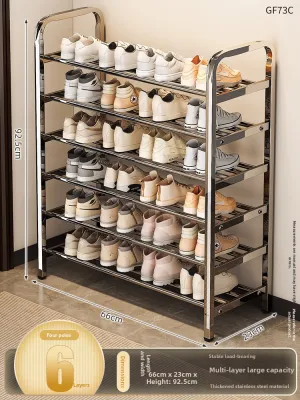
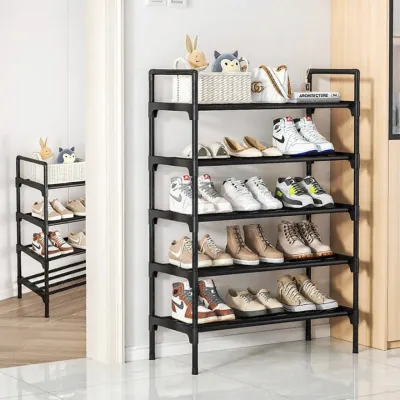
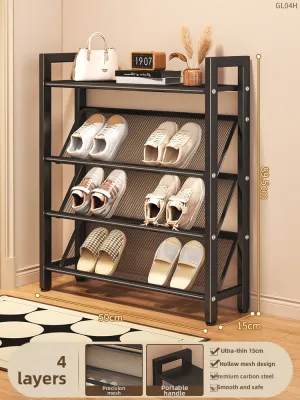
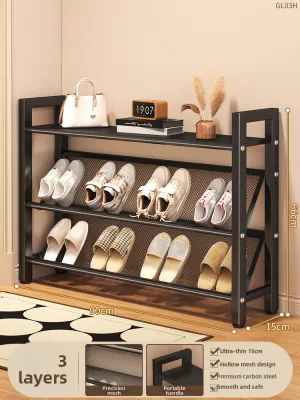
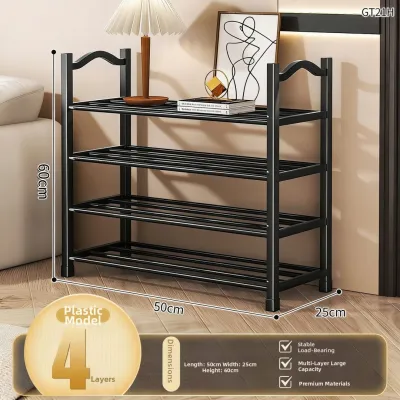
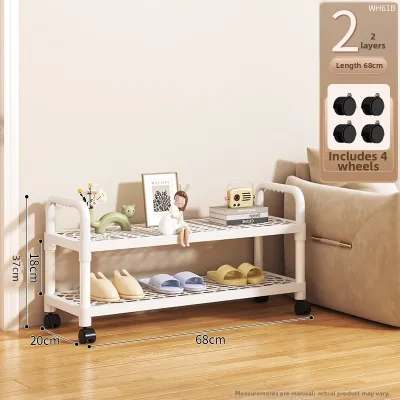
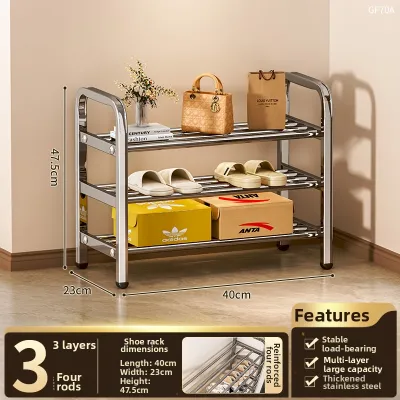
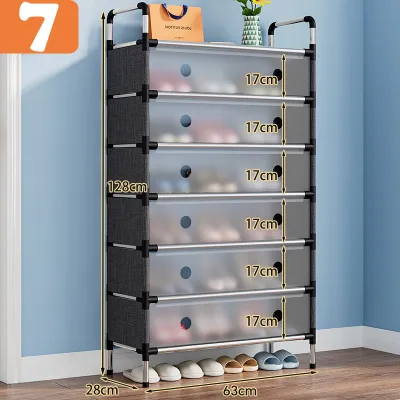
Prices are valid at publication and may change. Please refer to the product page for the latest price.
Do not forget to account for structural obstacles such as door swing radiuses, baseboards, and internal hinges. A swinging closet door requires a clear path to open fully, and an organizer that is even slightly too deep can prevent the door from latching shut. Baseboards along the back wall can push a freestanding rack forward by a couple of centimeters, so subtract this offset from your total depth measurement to ensure a flush fit.
Weight capacity is another vital factor, especially when planning to place organizers on existing closet shelves or hanging rods. Closet floors made of thin plywood or laminate can sag over time under the concentrated weight of multiple pairs of heavy shoes, such as leather boots or thick-soled sneakers. If you plan to use a hanging organizer, verify the load rating of your closet rod, as overloading a tension rod or a poorly anchored wooden dowel can cause the entire support system to collapse.
Finally, look for underutilized dead spaces within your closet layout. The areas directly beneath short-hanging shirts, deep corners in L-shaped walk-in closets, or the empty space above the top shelf are prime locations for compact storage. Identifying these zones early allows you to choose a modular or specialized organizer that fits into these exact pockets, turning wasted space into highly functional storage.
Comparing Types of Compact Shoe Organizers
Stackable and Adjustable Shelf Racks
Freestanding stackable racks offer excellent flexibility for evolving shoe collections and tight closet corners. These units typically feature modular frames that allow you to snap multiple tiers together vertically, making use of high, narrow spaces that would otherwise go unused. Many models come with expandable horizontal bars, letting you adjust the width of the rack to match the exact dimensions of your closet floor.

When selecting a stackable rack, pay close attention to its stability on different flooring surfaces. Tiled or slightly uneven concrete floors, common in many local homes, can cause tall, narrow racks to wobble. Look for units equipped with adjustable leveling feet or sturdy screw-in joints that keep the frame rigid. Additionally, check if the tier spacing is adjustable; being able to widen the gap between shelves is essential if you need to store a mix of flat sandals, step-ins, and taller footwear like high heels or ankle boots.
Over-the-Door and Hanging Organizers
For closets with absolutely no floor space to spare, over-the-door and hanging organizers utilize vertical surfaces that are often completely ignored. Hanging organizers attach directly to your main closet rod using heavy-duty hook-and-loop fasteners or metal hooks, suspending a column of fabric shelves downward. Over-the-door models hang over the top edge of your closet door, turning the flat interior panel into a multi-pocket storage grid.
Before choosing this style, verify the clearance around your door frame and hinges. Thick metal hooks can scratch the door frame or prevent the door from closing smoothly, so look for ultra-thin, flat bracket designs. Consider the weight distribution limits of your door hinges as well; hanging dozens of heavy shoes on a lightweight hollow-core door can cause the door to sag over time. For the pockets themselves, breathable canvas or woven fabrics are generally more durable and allow better airflow than solid plastic pockets, which can trap moisture and encourage mold growth in humid tropical climates.
Under-Shelf and Drop-Down Inserts
Under-shelf inserts and drop-down baskets are designed to slide directly onto existing closet shelves, utilizing the empty air space directly beneath them. These wire or plastic baskets clip onto the front edge of a shelf without requiring any drilling or permanent installation, making them an excellent option for renters. They are particularly useful for storing flat shoes, slippers, or sandals that do not require the full height of a standard shelf.
To ensure a proper fit, check the maximum shelf thickness that the insert’s mounting brackets can accommodate. Most standard inserts are designed for shelves up to 2.5 centimeters thick, so measure your closet shelving beforehand. Additionally, verify the depth of the insert; if the basket extends past the front edge of your shelf, it may obstruct sliding doors or prevent hinged doors from closing. Secure mounting is essential, so look for inserts with non-slip silicone grips on the arms to prevent the basket from sliding forward when you pull a pair of shoes out.
Essential Features to Check Before Buying
When shopping for a shoe organizer in the Philippines, material durability and moisture resistance should be your top priorities. The local tropical climate brings high humidity levels and heavy seasonal rains, which can quickly ruin poorly made storage units. Untreated particle board or cheap fiberboards are highly susceptible to absorbing moisture, leading to swelling, warping, and structural failure. Instead, look for organizers constructed from powder-coated steel, rust-resistant aluminum, or naturally moisture-resistant materials like treated bamboo. If you prefer plastic, ensure it is thick, high-density polyethylene that will not degrade or become brittle over time.
Ventilation is another critical feature to prevent the buildup of unpleasant odors and destructive mold. Enclosed plastic shoe boxes or solid wooden cabinets with tight-fitting doors can trap humid air and sweat inside, creating an ideal breeding ground for fungi. Opt for open-wire grids, slatted shelves, or breathable fabric pockets that allow air to flow freely around your footwear. If you prefer enclosed storage to keep dust away, look for boxes that feature prominent ventilation holes or mesh panels to facilitate continuous air exchange.
Consider the assembly requirements and modularity of the organizer before making your purchase. Tool-free setup options, such as snap-together plastic joints or tension-based frames, are highly convenient and easy to dismantle if you move houses or reconfigure your closet. Modular designs allow you to start with a small two-tier setup and gradually add more sections as your storage needs grow, ensuring you only occupy the space you actually need. Check the manufacturer’s instructions to see if all necessary connectors are included for vertical stacking.
Finally, never overlook stability and safety features, particularly for taller or narrower racks. A top-heavy shoe rack can easily tip over if bumped, potentially causing injury or damaging your closet walls. Look for units that feature non-slip rubber feet to keep the rack firmly anchored on tiled or polished concrete floors. If you are installing a rack that stands more than one meter tall, check if the product includes wall-anchoring straps or anti-tip hardware, which allow you to secure the frame directly to the wall stud or concrete backing for absolute peace of mind.
Space-Saving Layout Strategies for Your Shoes
Once your new organizer is installed, organizing your footwear strategically can further maximize your available space and keep your closet highly functional. Begin by grouping your shoes by frequency of use, season, and style. Keep your daily-wear slippers, sandals, and work shoes on the most accessible middle or lower shelves where you can reach them instantly. Store formal shoes, heavy boots, or seasonal footwear on the highest shelves or in the deepest corners of the closet, as these items are used less frequently.
For long-term storage of delicate or expensive shoes, avoid leaving them exposed to dust and ambient humidity. Clear plastic storage boxes with built-in ventilation slots are excellent because they allow you to see the contents at a glance without having to open multiple boxes. Alternatively, breathable cotton or non-woven dust bags protect leather and suede from dust while allowing the material to breathe, preventing the dry rot and mold that often occur in sealed plastic environments.
To squeeze extra space out of flat shelves, try alternating the placement of each shoe in a pair. Placing one shoe facing forward (toe out) and the other facing backward (heel out) allows the wider heel sections to nestle against the narrower toe sections. This simple adjustment can save up to five to ten centimeters of horizontal space per pair, often allowing you to fit an extra pair of shoes on each shelf tier.
For flat shoes like step-ins, flip-flops, or ballet flats, you can utilize small tension rods or plastic shelf dividers to create vertical stacking zones. Placing a tension rod a few centimeters above a shelf surface allows you to rest one flat shoe on top of the rod and another underneath it, effectively doubling the capacity of that single shelf. This technique keeps lightweight footwear organized and prevents them from being crushed or scuffed in a disorganized pile.
Frequently Asked Questions (FAQ)
How many pairs of shoes can a typical compact rack hold?
The capacity of a compact shoe rack depends heavily on its specific dimensions, the number of tiers, and the size of your footwear. A standard three-tier compact rack that is approximately sixty centimeters wide typically holds nine to twelve pairs of average-sized shoes. However, wider shoes like bulky sneakers or men’s dress shoes will take up more horizontal space, potentially reducing the capacity to two pairs per shelf. Always check the manufacturer’s detailed shelf width specifications and compare them against the width of your own shoes to get an accurate estimate of how many pairs will fit.
Are hanging shoe organizers safe for heavy boots?
Hanging shoe organizers are generally not recommended for heavy footwear like leather boots, steel-toed shoes, or thick-soled wedges. Most hanging units are constructed from fabric, canvas, or thin plastic, which can sag, tear, or stretch under excessive weight. Furthermore, hanging heavy items puts significant strain on your closet rod and the organizer’s hanging hooks, which could lead to structural damage. To preserve the shape of your organizer and protect your closet hardware, store heavy boots on the closet floor or on sturdy, freestanding bottom shelves, reserving the hanging pockets for lightweight flats, sandals, and sneakers.
How do I prevent shoes from smelling in a closed closet?
Preventing odors in an enclosed closet requires a combination of proper ventilation, moisture control, and routine maintenance. Never place damp or sweaty shoes directly into a closed closet; allow them to air out completely in a well-ventilated area for at least a few hours after wearing them. You can place moisture-absorbing silica gel packets, activated charcoal bags, or baking soda containers inside your closet or directly into your shoes to absorb excess humidity and neutralize odors. Choosing open-wire or slatted shoe racks rather than solid, enclosed boxes also ensures continuous airflow, which is essential for keeping your footwear fresh in the humid Philippine climate.
Community discussion
Share your experience or ask a question. Comments are reviewed before publication.