
Finding relief from warm, humid nights in the Philippines often requires looking closely at what lies directly beneath your bedsheets. While many sleepers focus entirely on their air conditioning units or electric fans, the material of your mattress topper plays a significant role in how much body heat is trapped or released throughout the night. A mattress topper acts as an immediate comfort layer, meaning its physical structure and material composition directly dictate whether heat is allowed to dissipate or is reflected back to your body.
When comparing the primary options available on the market—latex, memory foam, and spring-based toppers—each material handles the challenges of a tropical climate differently. Spring or coil-based toppers naturally offer the most significant airflow due to the open space between their metal components. Latex provides a highly breathable, resilient alternative that resists heat buildup through its open-cell structure and ventilation channels. Traditional memory foam tends to retain the most heat, though modern variations with open-cell designs and cooling infusions attempt to mitigate this issue. Understanding how these materials behave under humid conditions will help you make an informed decision for a more comfortable night’s sleep.
Understanding Heat Retention in Mattress Toppers
To understand why some bedding materials feel warm while others remain comfortably neutral, it helps to look at the physics of heat transfer. When you lie down, your body continuously radiates heat and releases moisture. In a high-humidity environment, this moisture cannot evaporate quickly if it is trapped against your skin. A mattress topper that lacks ventilation will accumulate this warm, humid air, creating a microclimate that raises your core body temperature and disrupts your sleep cycle.
Products mentioned in this guide
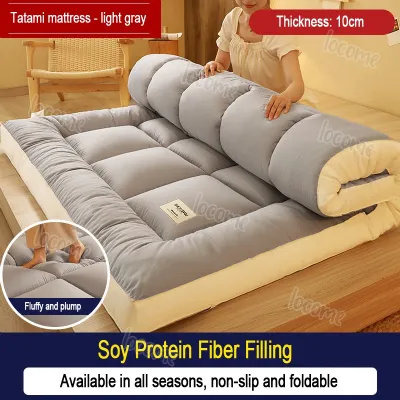
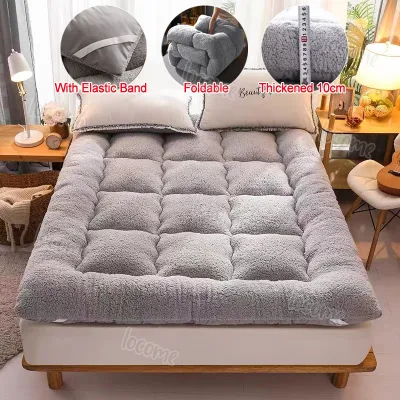
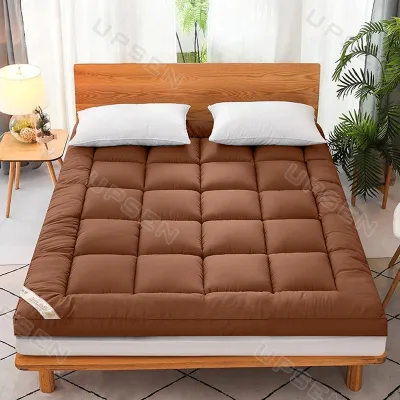
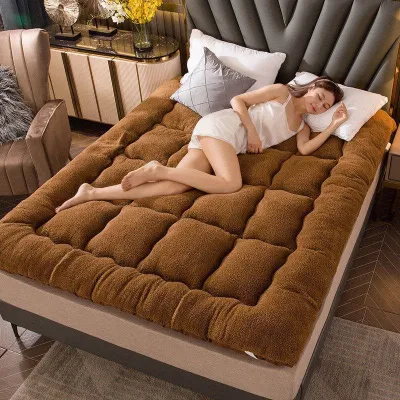
Prices are valid at publication and may change. Please refer to the product page for the latest price.
Airflow is the primary mechanism that prevents heat accumulation. Materials with large, interconnected air pathways allow warm air to rise and escape away from your body, replaced by cooler ambient air from the room. Conversely, highly dense materials with closed-cell structures act as insulators, trapping pockets of air that quickly warm up to match your body temperature.
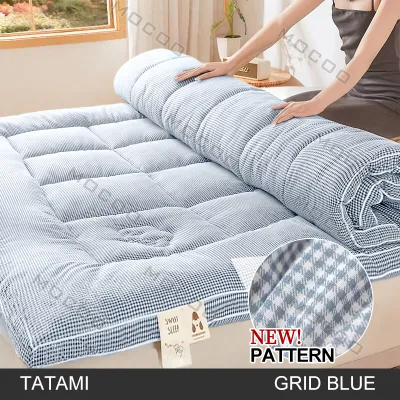
Beyond the internal core of the topper, the outer cover fabric serves as the first line of defense against heat and humidity. Even a highly breathable core material will perform poorly if wrapped in a synthetic, non-breathable polyester cover. Natural fibers such as cotton, bamboo-derived rayon, and Tencel are highly valued for tropical bedding because they facilitate moisture wicking. These fibers pull sweat away from the skin, allowing it to evaporate more efficiently, which provides a natural cooling sensation even on sticky, humid nights.
Spring and Coil Toppers: Maximizing Airflow
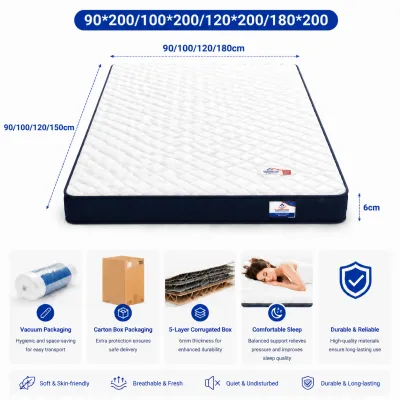
For sleepers prioritizing maximum ventilation, spring or coil-based mattress toppers offer a highly effective structural solution. Unlike solid foam blocks, these toppers utilize miniature pocketed coils or micro-coils wrapped in fabric sleeves. Because the interior of a coil layer consists mostly of open space, air can circulate freely in all directions. Every time you move, the compression and expansion of the coils act like a bellows, actively pushing warm air out and drawing cooler air in.

This continuous air circulation prevents heat from pooling beneath your body, making coil toppers exceptionally efficient at maintaining a neutral temperature. However, this open structure comes with specific trade-offs. Coil toppers do not offer the deep, body-hugging contouring that some sleepers prefer for pressure relief on the hips and shoulders. They also tend to have a highly responsive, bouncy feel, which can sometimes translate to minor motion transfer if you share a bed. Additionally, the edges of a thin coil topper may compress easily, offering less structural support at the very sides of the bed.
When evaluating a spring-based topper, it is essential to check the product specifications for construction details. Look for the coil count and wire gauge; a higher coil count with a thinner wire gauge generally provides more precise contouring and comfort. You should also examine the thickness and material of the comfort layer quilted directly above the coils. If this top layer consists of thick, dense, non-breathable foam, it can block the airflow from the coils below, neutralizing the cooling benefits of the spring system.
Latex Toppers: Balancing Breathability and Support
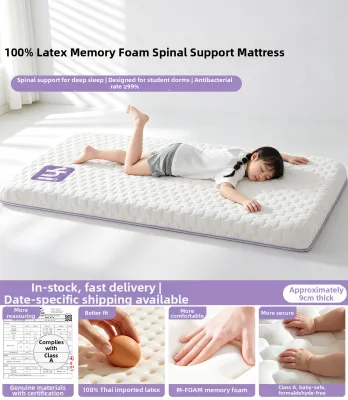
Latex mattress toppers offer a compelling balance of pressure relief, buoyant support, and thermal comfort, making them a popular choice for tropical climates. Natural latex is derived from the sap of rubber trees and possesses an inherent open-cell molecular structure. During manufacturing, these toppers are typically molded with a grid of vertical pin-core holes. These holes create dedicated vertical channels that allow body heat to escape downward and away from the sleeping surface.
The physical behavior of latex also contributes to its cooler feel. Unlike memory foam, which sinks deeply and wraps around your body, latex is highly resilient and buoyant. It supports your body on top of the sleeping surface rather than letting you sink into it. By minimizing the surface area of your body in direct contact with the topper, latex reduces the amount of heat transferred to the material in the first place.
When shopping for a latex topper, it is crucial to verify the material composition on the product label. Natural latex is highly breathable and durable, but synthetic latex or synthetic-natural blends are common alternatives. Synthetic blends often have a more closed-cell structure, which can retain more heat and degrade faster under humid conditions. Checking for certifications that verify 100% natural latex content can help ensure you get the maximum breathability and longevity required for long-term use in warm climates.
Memory Foam Toppers: Managing Heat Retention
Traditional memory foam is notorious for sleeping hot, a characteristic that stems directly from its chemical design. Viscoelastic foam is highly dense and heat-sensitive; it relies on your body heat to soften and contour to your physical shape. As you sink into the foam, the material wraps closely around your body, increasing the contact surface area and trapping heat. Because traditional memory foam has a closed-cell structure, there are few pathways for this trapped heat and moisture to escape, often leading to a warm, clammy sleeping experience.
To address this issue, manufacturers introduce various cooling modifications. When browsing online marketplaces or local furniture stores, you will frequently see memory foam toppers featuring gel infusions, copper infusions, or graphite particles. These materials are designed to conduct heat away from your body. Additionally, many modern memory foam toppers utilize an open-cell formulation or physical perforations to encourage air movement through the dense foam.
While these modifications help reduce heat retention compared to traditional formulations, they have distinct limitations in a tropical climate. Infusions work by absorbing heat, but once the material reaches thermal equilibrium with your body, the cooling effect diminishes. In the Philippines, where ambient room temperatures and humidity are often high, a modified memory foam topper may still feel warm unless paired with active room cooling, such as an air conditioner or a powerful ceiling fan.
How to Choose the Right Cooling Topper for Your Bed
Selecting the right cooling mattress topper requires matching your personal sleep preferences with the physical properties of each material. If your primary goal is to prevent heat buildup and you prefer a traditional, responsive mattress feel, a spring or coil topper is the most effective option. The open space within the coil layer ensures that air circulates constantly, making it highly suitable for hot sleepers who do not require deep pressure relief.
If you need a balance of pressure relief and temperature regulation, a natural latex topper is an excellent alternative. Its buoyant support keeps you lifted on top of the bed, while the pin-core ventilation holes allow heat to escape. This option is particularly well-suited for those who prefer eco-friendly materials and want a durable product that stands up well to high humidity.
For sleepers who absolutely require the deep, contouring pressure relief of memory foam, look exclusively for advanced formulations. Ensure the product specifications explicitly state an open-cell structure, physical ventilation channels, or cooling gel infusions, and pair it with a highly breathable cover made of bamboo-derived rayon or cotton.
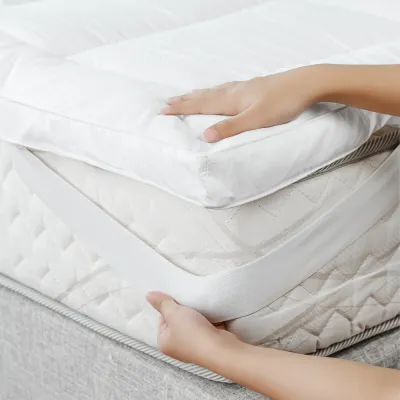
Before making a purchase, always perform a few practical checks on your existing bed setup. Measure the height of your current mattress and add the thickness of the prospective topper to determine the total height. You must verify that your existing fitted bedsheets have deep enough pockets to accommodate this combined height. Additionally, check that your bed frame or foundation is sturdy enough to support the added weight, especially since natural latex and spring toppers can be significantly heavier than standard foam options.
Frequently Asked Questions (FAQ)
Will a cooling mattress topper lower my room temperature?
No, a cooling mattress topper cannot lower the ambient temperature of your bedroom. These toppers are designed to manage and dissipate your body heat more efficiently, preventing it from trapping around you while you sleep. To achieve a truly cool sleeping environment, you must pair a breathable topper with proper room ventilation, electric fans, or air conditioning to lower the actual air temperature.
Does the thickness of the topper affect how hot it sleeps?
Yes, the thickness of a mattress topper directly influences its heat retention properties. Thicker toppers, particularly those made of solid foam, allow your body to sink deeper into the material, which increases the surface area in contact with the foam and traps more body heat. For hot sleepers in the Philippines, a thinner profile of two to three inches, or a highly ventilated design, is generally recommended to minimize heat trapping.
Community discussion
Share your experience or ask a question. Comments are reviewed before publication.