
Finding the best corner cabinet shelf setup for a small home office requires balancing your storage needs with the physical limits of your room. In a compact workspace, the most effective setup is one that utilizes vertical wall space without obstructing your daily workflow or crowding your desk. For rooms with highly limited floor space, modular floating corner shelves offer a lightweight, customizable solution that keeps the floor clear. If you require substantial storage for heavy files and books, a freestanding corner cabinet with adjustable shelving provides the necessary stability and volume. Ultimately, the ideal configuration integrates seamlessly with your desk layout, ensuring that frequently used items remain within arm’s reach while maintaining an open, uncluttered environment.
Assessing Your Corner Space Constraints
Before purchasing any furniture, you must carefully evaluate the physical dimensions and structural characteristics of your chosen corner. Begin by measuring the floor-to-ceiling height, the usable length of both intersecting walls, and the depth of any baseboards. Baseboards can prevent a freestanding cabinet from sitting flush against the wall, which can compromise stability if not accounted for during selection. Write down these measurements and compare them against the finished dimensions of potential shelving units to ensure a precise fit.
Beyond static measurements, you must account for the dynamic flow of your home office. Measure the clearance needed for your office chair to roll and swivel freely without bumping into the corner unit. Consider the swing paths of nearby doors, closet doors, and windows, ensuring the shelving does not block natural light or ventilation. In tropical climates like the Philippines, maintaining access to windows and ensuring adequate airflow around furniture is essential to prevent moisture buildup and mold, especially in tight corners.
Products mentioned in this guide
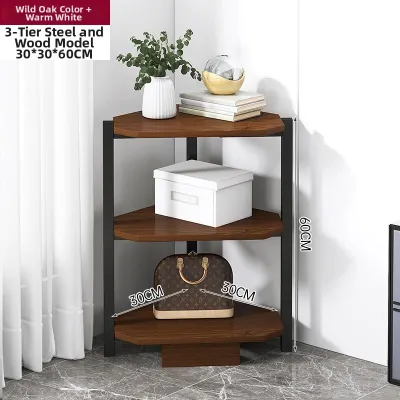
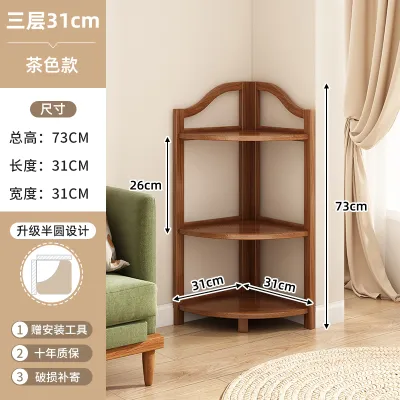
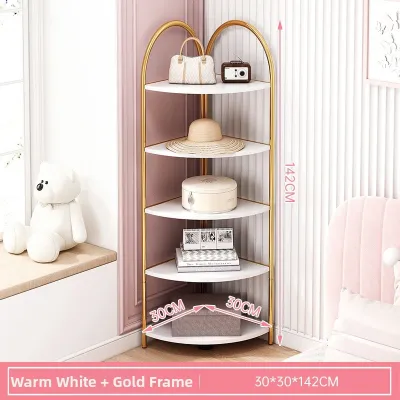
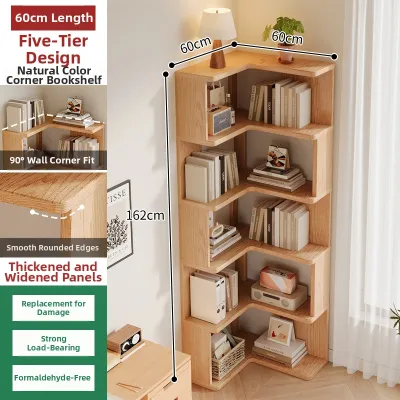
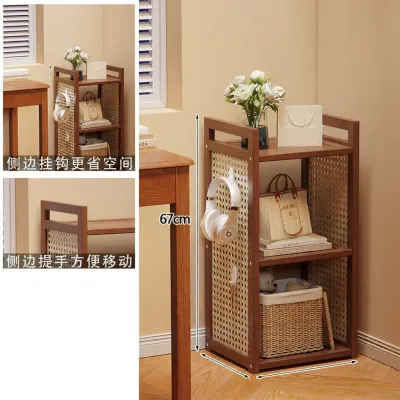
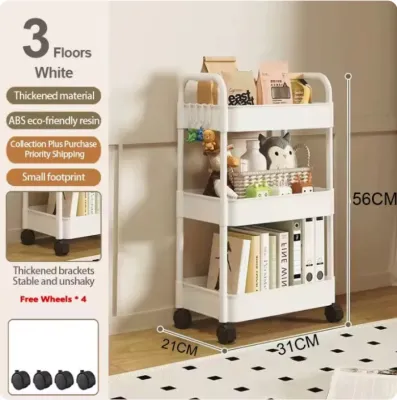
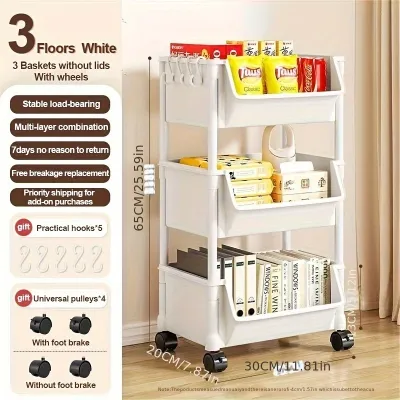
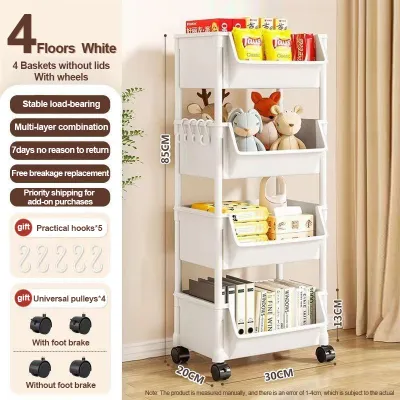
Prices are valid at publication and may change. Please refer to the product page for the latest price.
Finally, inspect the composition of your walls to determine their load-bearing capacity. Many homes feature solid concrete or masonry walls, while others use drywall over wood or metal studs. Mounting floating shelves on concrete requires appropriate masonry anchors and a hammer drill, whereas drywall installations demand locating studs or using heavy-duty hollow-wall anchors. Understanding your wall type beforehand prevents installation failures and ensures your shelving can safely support your office supplies.
Comparing Corner Shelf Configurations for Compact Rooms
The configuration of your corner shelving directly influences your daily productivity, the visual weight of the room, and the remaining floor space. Choosing the right layout involves deciding how much physical presence you want the furniture to have in your workspace. A well-chosen setup keeps your essential tools accessible while preventing the room from feeling cramped or dark.

Floating Shelves vs. Freestanding Corner Cabinets
Floating corner shelves are highly favored for their visual lightness and minimal footprint. Because they mount directly to the wall, they leave the floor space beneath them completely open, which can make a small home office feel larger and easier to clean. This open space can accommodate a small waste bin, a low-profile shredder, or simply provide extra legroom. However, floating shelves generally have lower weight capacities than floor-standing units and require precise, secure installation into solid wall structures or studs to prevent sagging over time.
Freestanding corner cabinets, on the other hand, offer maximum storage volume and excellent structural stability. These units rest securely on the floor, making them ideal for storing heavy binders, reference books, and office archives. Because their weight is distributed directly to the floor, they are less dependent on wall strength, though tall units still require anchoring to prevent tipping. The trade-off is that freestanding cabinets occupy permanent floor space and can make a small room feel more enclosed, particularly if they feature dark finishes or solid, solid-wood doors.
When deciding between the two, evaluate what you intend to store. If your storage consists of lightweight decorative items, a few notebooks, and basic office stationery, floating shelves are highly efficient. If you must store stacks of paper, heavy manuals, or office electronics, a freestanding cabinet is the safer and more practical choice.
Combining Desks with Corner Shelving
For extremely tight spaces, integrating your desk with corner shelving is an excellent way to consolidate your footprint. An L-shaped desk designed to fit into a corner often features built-in shelving or an overhead hutch. This setup places your computer, writing surface, and storage within a single, cohesive unit, maximizing your ergonomic reach zones so you rarely have to stand up to retrieve active files.
However, integrated units require careful planning regarding cable management and power outlet access. Because these desks sit deep in the corner, routing cables for monitors, chargers, and lamps can become difficult without built-in grommets or wire channels. Additionally, modular setups—where you pair a standard desk with a separate corner shelf—offer greater flexibility, allowing you to rearrange your office layout if your working habits or spatial needs change in the future.
Strategies to Maximize Corner Storage Efficiency
To get the most out of your corner cabinet shelf, you must actively manage the unique geometry of corner spaces. Deep corners often suffer from “blind spots” where items placed in the back become difficult to see and reach. To combat this, consider using lazy Susans or rotating turntables on deeper shelves, allowing you to access small office supplies, adhesive tapes, or reference materials with a simple spin.
Utilizing vertical space effectively means choosing shelves with adjustable heights. Group your items by height—such as tall binders, standard notebooks, and short storage boxes—and adjust the shelf intervals to minimize empty, wasted vertical space. If your shelf heights are fixed, you can introduce freestanding wire shelf risers or stackable organizers to create secondary levels within a single shelf.
Organizing your items by weight and frequency of use is also critical for both efficiency and safety. Place heavy items, such as printer paper reams or archive boxes, on the lowest shelves of a freestanding cabinet to lower its center of gravity and improve stability. Keep your daily essentials, like pens, planners, and active project folders, at eye level or within easy reach. Reserve the highest shelves for lightweight, infrequently used items or decorative elements that personalize your workspace without cluttering your active desk area.
Safety, Stability, and Installation Requirements
Safety must be your top priority when setting up corner shelving, particularly in compact environments where you move around frequently. For any freestanding corner cabinet that stands tall, installing an anti-tip kit is mandatory. These kits secure the back of the cabinet to the wall studs or concrete, preventing the unit from accidentally toppling forward if a heavy drawer is opened or if someone bumps into it.
Proper weight distribution is another key factor in maintaining stability and preventing damage. Never overload individual shelves beyond the manufacturer’s specified weight limits, as this can cause wood or laminate shelves to bow and eventually fail. Distribute weight evenly across the width of each shelf rather than concentrating heavy items in the center or at the outer edges.
If you are unsure about your ability to install wall-mounted shelves securely, or if you lack the specialized tools required for concrete walls, stop the DIY process and consult a qualified professional. A professional installer can assess your wall structure, select the correct heavy-duty anchors, and ensure the shelves are perfectly level and secure. This precaution protects your expensive office equipment, your walls, and your personal safety.
Frequently Asked Questions (FAQ)
How do I handle baseboards when placing a freestanding corner cabinet?
Many modern freestanding corner cabinets are designed with a baseboard cutout at the bottom rear corners, allowing the unit to slide flush against the wall. If your cabinet lacks this cutout, you can install small spacers at the top of the unit where it meets the wall to maintain stability, or accept a slight gap. In humid environments, a small gap of a few millimeters actually helps by promoting airflow behind the cabinet, reducing the risk of moisture retention and mold growth on your walls.
Can I use a corner shelf setup for heavy office equipment like printers?
Yes, but you must verify the manufacturer’s weight capacity and the structural integrity of the shelf beforehand. Heavy equipment like laser printers should only be placed on reinforced freestanding bases or the lowest, most stable shelves of a heavy-duty corner cabinet. Ensure the shelf is deep enough to fully support the printer’s footprint without overhang, and verify that there is adequate ventilation around the machine’s exhaust vents to prevent overheating during long print jobs.
Community discussion
Share your experience or ask a question. Comments are reviewed before publication.