
Quick Answer: Which Material is Best for Tropical Living?
Choosing the right cosova mattress in the Philippines requires balancing personal comfort with the realities of a tropical climate. There is no single “best” material; instead, the ideal choice depends on your sleeping position, body weight, and bedroom cooling setup. If you rely primarily on an electric fan, a mattress that maximizes airflow is essential. Conversely, if you run air conditioning throughout the night, you have more flexibility to choose contouring materials that might otherwise retain heat.
Generally, latex mattresses provide a buoyant, responsive feel with excellent natural ventilation, making them highly suitable for hot nights. Memory foam offers exceptional pressure relief and motion isolation, though it requires specific cooling modifications to prevent heat trapping in humid conditions. Spring systems, particularly those utilizing pocketed coils, deliver excellent core airflow and robust edge support, though their motion isolation depends heavily on the quality of the comfort layers above the springs.
Before making a purchase, remember that a material name alone does not guarantee performance. It is vital to inspect the specific construction layers, cover fabrics, and integrated cooling technologies of the exact Cosova model you are considering. A well-designed hybrid mattress, for example, might combine the airflow of springs with the pressure relief of memory foam, offering a tailored solution for local homes.
Products mentioned in this guide
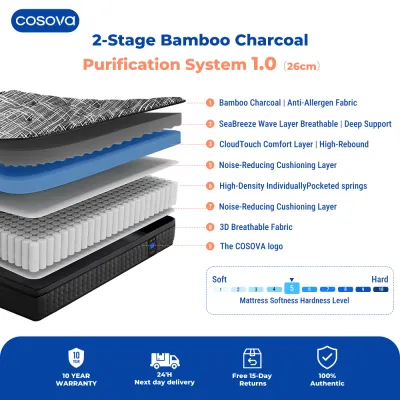
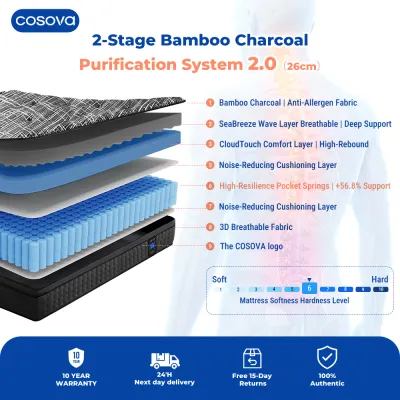
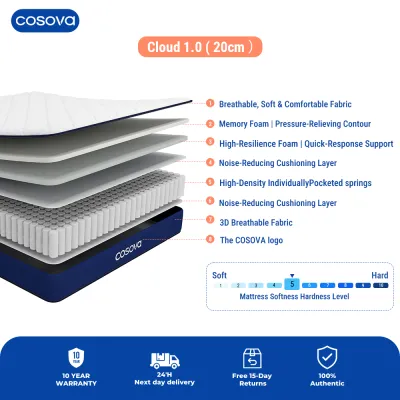
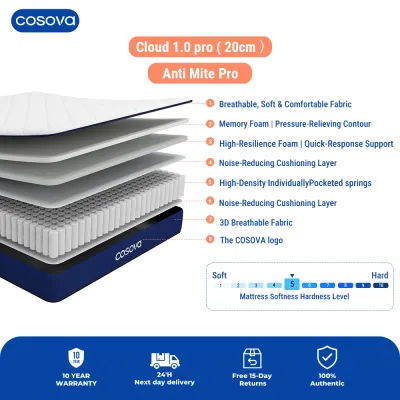
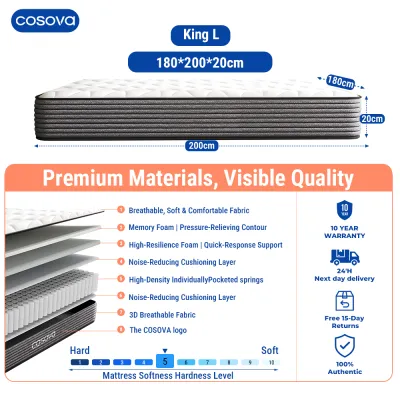
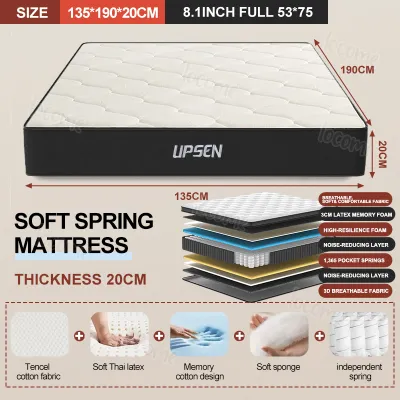
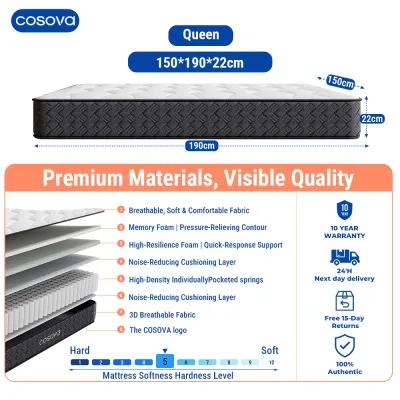
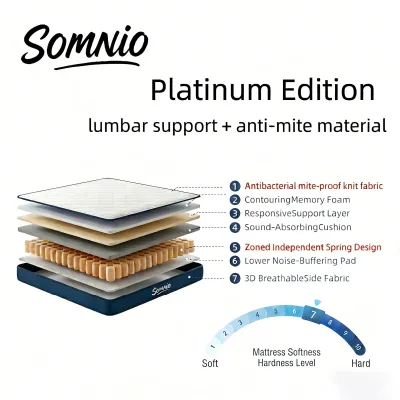
Prices are valid at publication and may change. Please refer to the product page for the latest price.
Core Characteristics of Cosova Mattress Materials
To make an informed decision, you must first understand the physical composition of the primary materials used in the cosova mattress lineup. Latex can be sourced naturally from rubber tree sap, produced synthetically from petrochemicals, or created as a blend of both. Natural latex is highly regarded for its elasticity and open-cell structure, while synthetic variants offer a more uniform consistency. The manufacturing process—whether Dunlop, which yields a denser and firmer bottom layer, or Talalay, which produces a lighter, more uniform feel—directly influences how the mattress responds to your body weight.

Memory foam, scientifically known as viscoelastic polyurethane foam, is engineered to soften in response to body heat and pressure. This characteristic allows it to contour precisely to your physical shape, distributing your weight evenly across the surface. However, because traditional memory foam relies on body heat to mold to your form, it can naturally retain warmth. Modern manufacturers often address this by modifying the chemical formulation or physical structure of the foam to create a more open-cell design that allows heat to escape.
Spring systems form the traditional backbone of support in many households. These systems generally fall into two categories: Bonnell coils and pocketed coils. Bonnell systems feature interconnected, hourglass-shaped wire coils that move as a single unit, providing a classic, highly resilient bounce. Pocketed coil systems, on the other hand, house each individual spring in its own fabric sleeve. This independent movement allows the mattress to contour more closely to your body shape and significantly reduces the transfer of motion across the bed.
When evaluating these options, remember that a simple material label does not dictate performance. You must verify the specific technical specifications of the mattress model. Look closely at the foam density (measured in kilograms per cubic meter), as higher density generally correlates with better longevity and support. For spring models, check the coil count and the coil gauge (the thickness of the wire), where a lower gauge number indicates a thicker, firmer wire. Additionally, examine the cover fabric composition, prioritizing breathable fibers that facilitate heat dissipation.
Comfort and Support: Matching Your Sleep Style
Your sleeping position and body type are the most critical factors in determining how comfortable a mattress will feel over several years. Different materials distribute pressure and align the spine in distinct ways, meaning a mattress that feels supportive to a back sleeper might cause discomfort for a side sleeper. Matching these material behaviors to your personal sleep style is the key to preventing morning aches and stiffness.
Latex: Responsive and Buoyant Support
Latex is characterized by its immediate responsiveness and buoyant feel. Instead of sinking deeply into the mattress, you sleep “on top” of the surface, which makes shifting positions or rolling over virtually effortless. This quick recovery time is highly beneficial for combination sleepers who change positions frequently throughout the night.
The support provided by latex is highly adaptive, distributing body weight without creating a deep impression. However, the exact level of firmness and support varies significantly based on the density of the latex foam and the specific manufacturing method used. Dunlop latex tends to feel firmer and more supportive, making it an excellent base layer, while Talalay latex offers a softer, more pillowy sensation ideal for comfort layers. When evaluating a latex Cosova model, always check the manufacturer’s firmness rating and density specifications to ensure it aligns with your comfort preferences.
Memory Foam: Deep Contouring and Pressure Relief
Memory foam is renowned for its distinctive “hug” or cradling sensation. As the material reacts to your body temperature, it conforms closely to your unique curves, providing deep pressure relief at critical areas such as the shoulders, hips, and lower back. This makes it a popular choice for side sleepers who require extra cushioning to keep their spine aligned.
Another major advantage of memory foam is its superior motion isolation. Because the material absorbs energy rather than reflecting it, the movements of a restless partner or pet are kept localized, allowing you to sleep undisturbed. However, this deep contouring can make some sleepers feel “stuck” or restricted when trying to move. To ensure adequate support, particularly for individuals with heavier body weights, it is essential to verify that the mattress utilizes high-density support foam beneath the comfort layers to prevent excessive sinking.
Spring Systems: Traditional Bounce and Edge Support
Spring mattresses offer a traditional, familiar sleeping surface characterized by active bounce and robust structural support. The primary distinction lies in how the coils are joined. Interconnected Bonnell coils provide a very buoyant feel but tend to transfer motion across the entire surface, which may disturb light sleepers. Pocketed coil systems resolve this issue by allowing each spring to compress independently, offering localized support and significantly improved motion isolation.
A major benefit of spring-based systems is their superior edge support. The perimeter of a spring mattress is often reinforced with thicker gauge coils or a firm foam encasement, preventing the roll-off sensation when sleeping near the edge and making it easier to sit on the side of the bed. However, keep in mind that the coils themselves only provide the deep support; the final feel of the mattress is heavily dictated by the thickness and material composition of the comfort layers positioned directly above the spring system.
Breathability and Temperature Regulation in Humid Climates
In the tropical climate of the Philippines, where high temperatures and elevated relative humidity are constant challenges, a mattress’s ability to regulate temperature is paramount. Sleeping hot not only disrupts your sleep cycle but also increases perspiration, which can degrade mattress materials over time. It is a common misconception that certain materials are universally hot or cold; in reality, temperature regulation is determined by the physical design and engineering of the entire sleep system.
Spring cores inherently offer the highest level of natural ventilation. Because the interior of an innerspring or pocketed coil mattress is mostly open space, air can flow freely through the core with every movement you make. This continuous air exchange helps carry away body heat and moisture, preventing the build-up of a warm microclimate beneath your sheets. If your bedroom relies on an electric fan rather than continuous air conditioning, a spring-based hybrid mattress is often the most practical choice to maintain a comfortable sleeping temperature.
Latex also performs exceptionally well in warm climates due to its open-cell molecular structure. Many latex mattress layers are manufactured with a pinhole design—a series of small, vertically molded channels that run through the foam. These channels act as natural chimneys, allowing warm air to rise and escape while drawing cooler air in from the sides. This passive ventilation system ensures that even though latex contours to your body, it does not trap heat to the same extent as traditional synthetic foams.
Traditional memory foam, by contrast, has a dense, closed-cell structure that tends to trap body heat. Because the material relies on warmth to soften and contour, it can create a warm pocket around your body. To counter this, modern Cosova mattresses often incorporate advanced cooling modifications. When browsing, look for specifications detailing gel-infused foam layers, which help dissipate initial heat, or copper-infused foams designed to conduct warmth away from the body. Some models also utilize phase-change materials (PCMs) in the cover fabric that actively absorb and release heat to maintain a stable surface temperature.
While mattress construction is critical, your overall bedroom environment plays an equally important role. No cooling technology can overcome a completely unventilated room or heavy, non-breathable bedding. To maximize the cooling performance of your mattress, pair it with high-quality, breathable bed linens made from natural fibers such as bamboo, tencel, or long-staple cotton. Ensuring adequate cross-ventilation in your bedroom or setting your air conditioner to a comfortable, dehumidifying mode will also dramatically enhance the performance of your mattress’s built-in cooling features.
Durability, Humidity Resistance, and Maintenance
Investing in a new mattress is a long-term commitment, making durability and resistance to environmental wear key considerations. In the Philippines, the combination of high humidity and ambient warmth creates an environment where materials can degrade more rapidly if not properly maintained. Understanding the natural lifespan of each material and implementing a consistent care routine will protect your investment and ensure consistent support for years to come.
As a general rule, high-density latex and premium memory foam mattresses tend to resist sagging and structural indentation longer than standard interconnected spring systems. Natural latex, in particular, is highly resilient and retains its elastic properties for a decade or more under optimal conditions. However, the lifespan of any spring mattress depends heavily on the quality of the steel coils and the durability of the comfort foams layered on top. Pocketed coils made from double-tempered steel generally offer superior longevity compared to budget-grade, light-gauge wire systems.
Humidity poses a unique threat to all bedding materials, as moisture accumulation can lead to the growth of mold, mildew, and dust mites. No mattress material is completely immune to these issues if exposed to persistent dampness. To safeguard your health and the integrity of the mattress, it is highly recommended to use a breathable, waterproof mattress protector. This barrier prevents sweat and accidental spills from penetrating the core foams while still allowing air to circulate.
Proper physical support is also essential to prevent premature sagging. Ensure your bed frame features a sturdy, level foundation. If you are using a slatted frame, verify that the wooden or metal slats are spaced according to the manufacturer’s guidelines—typically no more than 3 inches apart for foam and latex mattresses. This spacing provides adequate support while allowing crucial airflow beneath the mattress, preventing moisture from pooling at the base.
Regular maintenance will significantly extend the life of your mattress. Unless the manufacturer’s care label explicitly states otherwise, rotate your mattress 180 degrees every three to six months to ensure even wear across the surface. When cleaning, always refer to the specific care instructions attached to your Cosova model. Avoid using harsh chemical solvents, excessive amounts of water, or steam cleaning devices, as deep moisture can trap itself inside foam layers and cause irreversible structural damage or mold growth. Instead, vacuum the surface gently with an upholstery attachment and spot-clean minor stains with a damp cloth and mild detergent only if approved by the manufacturer.
Decision Framework: Choosing Your Ideal Cosova Mattress
Selecting the perfect mattress involves matching your physical needs, local environment, and sleep habits to the strengths of each material. To streamline your decision, consider the following conditional framework based on your primary sleep priorities:
Choose Latex if:
- Responsive movement: You prefer a responsive, buoyant feel that allows you to move and change positions easily.
- Natural materials: You prioritize natural, eco-friendly materials and want to verify environmental certifications on the product label.
- Balanced cooling: You want a reliable balance of natural cooling and adaptive, contouring support without a deep sinking sensation.
Choose Memory Foam if:
- Targeted pressure relief: You require maximum pressure relief for sensitive joints, shoulders, or hips.
- Motion isolation: You share a bed with a restless partner or pet and want to minimize motion transfer.
- Contouring feel: You enjoy a cozy, contouring "hug" feel that molds precisely to your body shape.
Choose Spring if:
- Traditional support: You prefer a traditional, bouncy sleeping surface with robust, active resistance.
- Reinforced edges: You need strong, stable edge support to make getting in and out of bed easier.
- Maximum airflow: You prioritize maximum airflow through the core of the mattress to combat hot, humid nights.
Verify first if:
- Allergies: You have specific respiratory allergies or skin sensitivities; in this case, check for hypoallergenic certifications and dust-mite-resistant properties.
- Orthopedic needs: You require specialized, medical-grade orthopedic support for chronic back pain.
- Firmness preference: You are uncertain about your preferred firmness level; prioritize models that offer adjustable firmness layers or a dual-sided design.
Before finalizing your purchase, always check the retailer’s official policies. Verify the length and terms of the sleep trial period, the specific conditions of the return or exchange policy, and the scope of the manufacturer’s warranty. This ensures that if the mattress does not perform as expected in your home environment, you have a clear, secure path to a resolution.
Frequently Asked Questions (FAQ)
Do I need a special bed frame for a Cosova memory foam or latex mattress?
Yes, foam-based mattresses require a highly stable, non-yielding foundation to prevent premature sagging and structural damage. You should use a solid platform base or a high-quality slatted frame where the gap between slats is less than 3 inches. Using a sagging box spring or widely spaced slats can compromise the support of the mattress, lead to uneven wear, and potentially void your manufacturer’s warranty. Always consult the specific frame requirements listed in your product manual.
How can I tell if a specific Cosova mattress is genuinely breathable?
To verify breathability beyond marketing claims, examine the detailed product specifications and material layers. Look for tangible cooling indicators such as gel-infused or copper-infused foam layers, open-cell foam structures, or a pocketed coil base that promotes internal airflow. Additionally, check the cover fabric composition; premium breathable models often feature natural fibers, Tencel, or specialized knit fabrics designed to wick away moisture and heat rather than trapping it.
Community discussion
Share your experience or ask a question. Comments are reviewed before publication.