
Quick Answer: Which Table Height Fits Your Space?
Choosing the right height for your outdoor dining setup is essential for creating a comfortable, functional, and visually balanced space. Counter-height tables stand at 34 to 36 inches tall, matching the standard height of indoor kitchen countertops. This height creates an approachable, relaxed environment where guests can comfortably sit or stand. In contrast, bar-height tables rise to 40 to 42 inches, mimicking the elevated feel of a commercial pub or lounge.
If you are deciding between a high-top bar table, counter only models, or traditional dining heights for your outdoor patio, counter-height is generally the most versatile and practical choice. It accommodates family members of all ages, serves as an excellent food preparation surface, and maintains a clean, unobstructed visual line across your balcony or garden. Bar-height tables remain ideal if you need to elevate your seating to look over high balcony railings or want to foster a lively, standing-friendly social zone.
The Core Dimensions: Bar Table, Counter Only, and Standard Specs
Understanding the precise measurements of counter-height and bar-height tables is the first step toward making an informed purchase. While these two styles may look similar in product photos, their physical dimensions differ significantly, impacting both room layout and seating compatibility.
Products mentioned in this guide
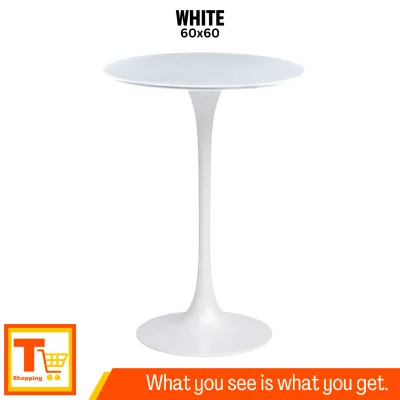
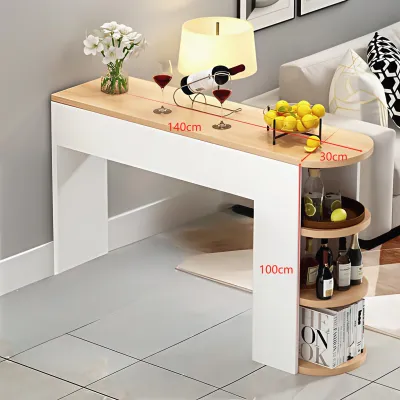
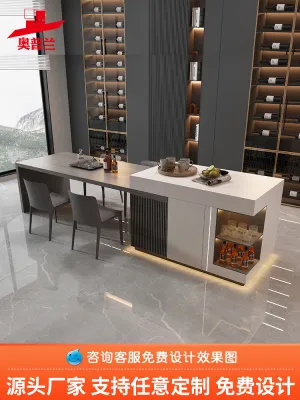
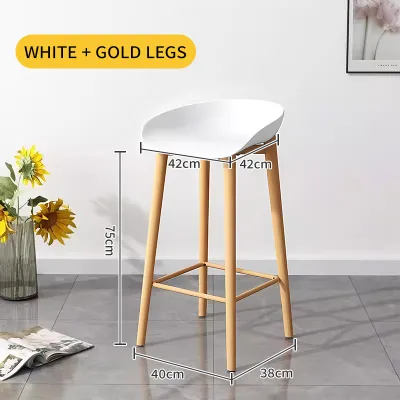
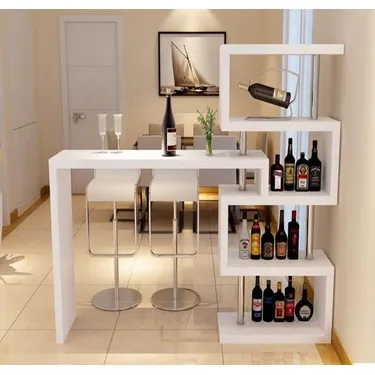
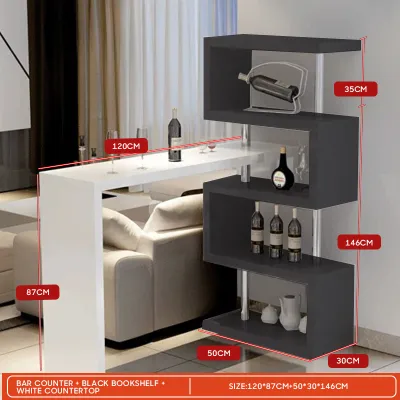
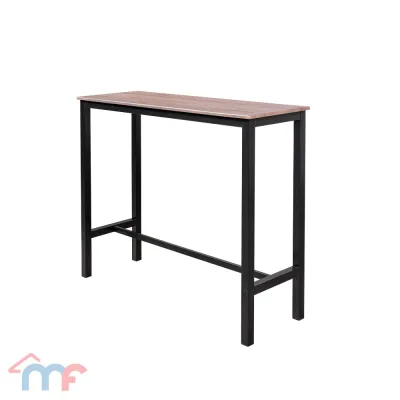
Prices are valid at publication and may change. Please refer to the product page for the latest price.

Counter-height tables typically measure between 34 and 36 inches (86 to 91 cm) from the floor to the tabletop surface. This height is designed to match standard residential kitchen counters, allowing for a seamless transition if you are extending your indoor living space onto an adjacent patio. To pair with these tables, you will need counter stools with a seat height of 24 to 26 inches (61 to 66 cm). This leaves an appropriate amount of space for your legs while keeping your feet comfortably closer to the ground.
Bar-height tables are noticeably taller, standing at 40 to 42 inches (101 to 106 cm) from the ground. This elevated profile mimics the setup found in commercial bars, taverns, and restaurants. To sit comfortably at a bar-height table, you must pair it with bar stools that feature a seat height of 28 to 32 inches (71 to 81 cm). This height places you much higher off the ground, offering an elevated perspective of your surroundings.
Tabletop thickness and the design of the table’s underframe, or apron, also play a critical role in legroom clearance. A thick wooden tabletop or a heavy metal support frame can reduce the available space beneath the table by several inches. When calculating legroom, you must measure from the underside of the lowest structural element rather than the top of the table surface to ensure your thighs do not press against the frame.
| Dimension / Feature | Counter-Height Table | Bar-Height Table |
|---|---|---|
| Table Height | 34–36 inches (86–91 cm) | 40–42 inches (101–106 cm) |
| Ideal Stool Seat Height | 24–26 inches (61–66 cm) | 28–32 inches (71–81 cm) |
| Under-Table Legroom | 9–12 inches (23–30 cm) | 9–12 inches (23–30 cm) |
| Primary Atmosphere | Casual, family-friendly, multi-use | Social, high-energy, lounge-like |
| Best Suited For | Daily dining, food prep, WFH spaces | Balcony views, cocktail parties, quick drinks |
Before finalizing your purchase, always check the manufacturer’s specification label for the exact dimensions of the specific patio set you are buying. Industry terms like “standard counter height” can vary slightly between brands, and custom designs may feature unique structural supports that alter the actual clearances. Do not rely on generic categories; verify the exact measurements to ensure your table and stools match perfectly.
Space and Layout: Measuring Your Patio or Balcony
Integrating tall furniture into your outdoor layout requires careful spatial planning. The height of your table influences not only how much physical floor space it occupies but also how large or small your patio feels to the eye.
Visual weight is an important design consideration, especially for compact outdoor spaces like high-rise condominium balconies in Metro Manila. Tall furniture draws the eye upward, which can make a narrow balcony feel crowded or enclosed. A bar-height table, with its commanding height, can dominate a small space and block natural light. Counter-height tables, being lower to the ground, maintain a more open sightline, allowing your eyes to travel across the space and making a modest patio feel larger and more grounded.
Calculating clearance requirements is essential to ensure comfortable movement around your furniture. You must account for the space needed to pull out stools, sit down, and walk behind seated guests. As a general rule, allow at least 24 to 30 inches (61 to 76 cm) of clearance from the edge of the table to any wall, balcony railing, or adjacent furniture. If your table is located near a high-traffic pathway, such as the entrance to your home, increase this clearance to 36 inches (91 cm) to prevent bottlenecks.
Logistical constraints are often overlooked when purchasing outdoor furniture. Large, fully assembled tables or heavy flat-packed boxes can be difficult to maneuver through tight spaces. Before ordering, measure the height and width of your doorways, stairwells, hallways, and elevator cabins. High-rise residential buildings often have strict elevator weight and size limits, which can make delivering a long, solid bar-height table a significant challenge.
Creating a harmonious indoor-outdoor flow is particularly easy with counter-height furniture. If your outdoor patio sits directly adjacent to an open-plan kitchen with a standard-height island, using a counter-height table outside establishes a clean visual continuation. When you open your sliding glass doors for entertaining, the matching heights create a unified, cohesive zone that makes your entire living area feel more expansive.
Seating and Ergonomics: Matching Stools to Table Height
Pairing the correct stools with your table is critical for ensuring long-term comfort and safety. A mismatch of even a few inches can make dining uncomfortable and lead to poor posture or physical strain.
To achieve optimal ergonomics, aim for a gap of 9 to 12 inches (23 to 30 cm) between the top of the stool seat and the underside of the tabletop. This clearance provides ample room for your legs to move freely without feeling pinched, while keeping the table surface at a comfortable height for eating, writing, or resting your elbows. If the gap is too small, your thighs will press against the table frame; if it is too large, you will have to strain your shoulders to reach your plate.
Mounting and dismounting the seating is another key practical consideration. Counter stools, with their moderate height, allow most adults to sit down naturally with both feet remaining close to the ground. This accessibility makes counter-height seating a much safer and more practical option for households with young children, older adults, or individuals with mobility challenges. Bar stools require a more deliberate climb, which can be difficult or hazardous for some family members.
Footrests are an absolute necessity for taller seating options to prevent leg fatigue. When sitting on a bar stool, your feet will not reach the ground, which can cause your legs to dangle and restrict circulation over time. High-quality bar stools must feature built-in footrests positioned at a comfortable height to support your weight. Counter stools also benefit from footrests, though the lower seat height means your legs are naturally closer to the ground, reducing the risk of discomfort during shorter sitting sessions.
Stool footprints can vary significantly depending on the height of the seat. Because bar stools have a higher center of gravity, they are more prone to tipping if they are too narrow. To ensure stability, manufacturers often design bar stools with a wider, more splayed leg base. This larger footprint means bar stools can consume more floor space underneath the table, preventing them from being tucked in fully when not in use. Counter stools, having a lower center of gravity, typically feature a more compact footprint, allowing you to maximize available floor space.
Function and Vibe: Daily Use vs. Social Gatherings
How you plan to use your outdoor space on a daily basis should heavily influence your choice of table height. Each style fosters a distinct atmosphere and excels at different types of activities.
The counter-height experience is centered around versatility, comfort, and daily utility. This setup is ideal for enjoying a quiet morning coffee, working on a laptop in the fresh air, or sitting down for a relaxed family meal. The lower height also makes the table highly functional as an extra preparation station when grilling or hosting a backyard barbecue. Because your eye level aligns closely with guests sitting in standard-height dining chairs nearby, counter-height tables foster a warm, intimate, and inclusive environment.
In contrast, the bar-height experience is designed to evoke the high-energy vibe of a commercial lounge or rooftop bar. This setup is perfect for hosting lively cocktail parties, serving quick drinks, or enjoying a scenic view over a solid balcony railing that would otherwise block your sightline. Bar-height tables encourage a dynamic, standing-friendly social flow, allowing standing guests to converse easily with seated guests at eye level. However, this elevated posture is generally less comfortable for long, multi-course dinners or extended study sessions.
Regardless of the table height you choose, the tropical climate of the Philippines presents unique challenges for outdoor furniture. High humidity, intense UV exposure, and heavy monsoon rains can quickly damage poorly constructed materials. Whether you select synthetic PE wicker, powder-coated aluminum, or solid teak, do not assume the furniture is weatherproof based on its name alone. Always check the manufacturer’s care instructions for specific guidelines on cleaning, applying protective sealants, and using high-quality furniture covers to shield your investment during typhoon season.
Decision Framework: Choose Counter-Height If…
To help you finalize your decision, use this condition-based framework to determine which table style aligns best with your home, lifestyle, and spatial constraints.
Choose Counter-Height If:
- You prioritize family safety: You need accessible, stable seating that young children and older family members can use safely without the risk of falling from a high stool.
- You have a compact or narrow patio: You want to maintain an open, unobstructed view across your outdoor space and keep the visual weight of your furniture to a minimum.
- You want a multi-functional workspace: You plan to use the table for casual dining, remote work, and as an extra food preparation surface next to your outdoor grill.
- You want to match indoor surfaces: Your outdoor dining area sits adjacent to an indoor kitchen with a standard-height island, and you want to create a seamless visual flow.
Choose Bar-Height If:
- You want to maximize a scenic view: You have a solid balcony railing or garden wall that blocks your view when sitting at a lower, standard-height table.
- You host frequent social gatherings: You want to create a high-energy, lounge-like entertaining zone where guests can easily stand, mingle, and sit.
- You are designing a dedicated adult space: You want to establish a private, pub-style bar area separate from your primary family dining zones.
Verify First If:
- You are purchasing items separately: Always measure the exact height of your table and stools before buying to ensure you maintain the recommended 9 to 12 inches of legroom clearance.
- You are building a custom outdoor kitchen: If you are installing a built-in stone or concrete counter, verify the dimensions with your contractor to ensure standard outdoor stools will fit comfortably beneath the overhang.
Frequently Asked Questions (FAQ)
Can I use adjustable bar stools with a counter-height table?
Yes, you can use adjustable bar stools with a counter-height table, provided you verify that the stools can be lowered to a seat height of 24 to 26 inches. This adjustment is necessary to maintain the essential 9 to 12 inches of legroom clearance beneath the tabletop.
Additionally, you should check the stability of the stool’s base. Many adjustable stools feature a heavy, centralized metal pedestal base with a gas-lift mechanism. While these bases work well on flat indoor flooring, they can become unstable or wobble on uneven outdoor surfaces such as rustic patio pavers, natural stone, or wooden decking. Always check the manufacturer’s guidelines regarding outdoor use and surface compatibility before placing them on your patio.
What is the standard overhang for an outdoor counter table?
For comfortable, seated dining, a standard outdoor counter table should feature a tabletop overhang of 10 to 15 inches (25 to 38 cm). This depth provides adequate knee and leg clearance, allowing guests to sit close enough to the table to eat comfortably without slouching forward.
When selecting a table with a deep overhang, it is important to evaluate the overall weight distribution and base design. In wind-prone outdoor environments, such as high-rise balconies or coastal patios in the Philippines, a deep overhang on a lightweight table can act like a sail, increasing the risk of the table tipping over during sudden gusts. Always consult the manufacturer’s installation and structural guides to ensure your table remains stable and secure under local weather conditions.
Community discussion
Share your experience or ask a question. Comments are reviewed before publication.