
Integrating a table and 2 chair set featuring authentic Filipino craftsmanship into a modern living room is an exceptional way to balance organic warmth with contemporary design. A carefully selected set serves as a functional focal point, offering a dedicated space for morning coffee, casual reading, or intimate conversations. By pairing traditional materials like rattan, abaca, and local hardwoods with clean, minimalist silhouettes, you can celebrate local heritage while maintaining a sleek, uncluttered aesthetic.
To successfully execute this look, the key lies in understanding how traditional textures interact with modern interior elements. Rather than overwhelming the room with heavy, rustic pieces, the modern tropical approach prioritizes light profiles, refined finishes, and thoughtful spatial placement. This guide outlines how to evaluate local craftsmanship, plan your layout, inspect materials, and maintain your furniture to ensure it remains a beautiful part of your home for years to come.
Defining Modern Filipino Craftsmanship for Your Living Room
Modern Filipino design—often referred to as modern tropical—is characterized by a deliberate shift away from the heavy, bulky wooden furniture of past generations. Instead, contemporary local designers focus on streamlining traditional forms, resulting in pieces that feel light, airy, and sophisticated. When curating a table and 2 chair set, look for clean lines, tapered legs, and minimalist frames that allow the natural beauty of the materials to take center stage.
Products mentioned in this guide
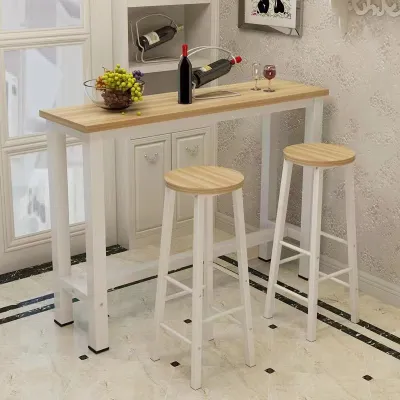

Prices are valid at publication and may change. Please refer to the product page for the latest price.
Distinguishing genuine local craftsmanship from mass-produced imitations requires a close look at the details. Authentic pieces showcase hand-carved joints, hand-woven panels, and subtle variations in wood grain or fiber color that reflect the touch of an artisan. Mass-produced alternatives often rely on synthetic plastics made to look like rattan or uniform, printed wood veneers that lack depth and tactile warmth. Genuine Filipino-made furniture carries a sense of character and structural integrity that cannot be replicated by automated factory lines.
One of the most iconic elements of local craftsmanship is the use of traditional weaving techniques, such as solihiya—a distinctive double-woven hexagonal pattern. In a modern living room, a table and 2 chair set featuring solihiya backrests or side panels provides a beautiful play of light and shadow without adding visual bulk. This open-weave style keeps the sightlines clear, making it an excellent choice for smaller spaces where solid furniture might feel restrictive.
To align the set with your existing decor, consider the visual weight and texture of the pieces. If your living room features a plush, solid-colored fabric sofa, a table and chair set made of warm-toned rattan or rich acacia wood introduces a welcome organic contrast. The goal is to create a balanced dialogue between the soft, clean surfaces of modern upholstery and the rich, tactile qualities of natural local materials.
Key Dimensions and Space Planning for a Table and 2 Chair Set
Proper space planning is essential to ensure your new table and 2 chair set enhances your living room layout rather than obstructing daily movement. Before making a purchase, it is crucial to measure both the designated area and the access paths leading into your home. Because many high-quality local pieces are delivered fully assembled to preserve their structural integrity, verifying entry clearance is just as important as measuring the living room floor.

To calculate the necessary clearance for comfortable seating, follow these spatial guidelines:
- Seating Pull-Out Space: Allow at least 90 centimeters of clearance from the edge of the table to the nearest wall, sofa, or cabinet. This provides enough room for a person to pull out a chair, sit down, and stand up comfortably.
- Walking Paths: If the set is positioned near a primary walkway, increase the clearance to 120 centimeters. This ensures that family members can walk past without requiring the seated person to adjust their position.
- Total Footprint: A standard table and 2 chair set typically requires a dedicated floor area of approximately 2.5 to 3 square meters to look balanced and function effectively.
Delivery logistics require careful foresight, particularly for those living in high-rise condominiums or multi-story townhouses. Measure the height and width of your front door, hallway corners, stairwells, and elevator doors. Compare these measurements against the dimensions of the furniture, keeping in mind that solid wood tables and hand-woven accent chairs rarely disassemble. Ensuring a clear path prevents delivery-day frustration and protects your walls and new furniture from accidental scuffs.
Ergonomics should also guide your selection process. For comfortable dining, writing, or laptop use, a standard table height of 75 centimeters is ideal. Pair this with chairs that have a seat height of 45 to 48 centimeters. To ensure comfortable leg movement, maintain a clearance of 25 to 30 centimeters between the top of the chair seat and the underside of the table apron or tabletop.
Evaluating Local Materials and Construction Quality
When investing in Filipino-crafted furniture, understanding the characteristics of local materials is key to assessing durability and long-term value. The tropical climate of the Philippines, marked by high humidity and seasonal temperature shifts, requires materials that have been properly prepared and constructed to withstand these environmental conditions.
For wooden components, local hardwoods such as acacia, tanguile, and mahogany are highly favored for their strength and beautiful grain patterns. When inspecting a wooden table or chair, verify the following construction details:
- Seasoning: Ask the maker if the timber has been kiln-dried. Properly seasoned wood has a balanced moisture content, which prevents the furniture from warping, splitting, or cracking as indoor humidity levels fluctuate.
- Joinery: Examine the connection points. High-quality furniture utilizes traditional joinery techniques, such as mortise-and-tenon joints or sturdy wooden dowels, rather than relying solely on metal screws and glue. Joints should be flush, tight, and free of visible gaps.
- Stability: Gently shake the table and chairs to check for wobbling. The legs should be perfectly level, and the frame should feel solid and grounded.
Woven elements made from rattan, abaca, or buri add a signature tropical texture to modern spaces. To evaluate the quality of the weave, run your hand gently over the surface. A well-crafted weave should feel taut, resilient, and smooth, with no loose strands, sharp splinters, or frayed fibers. The structural frame supporting the weave should be robust, often constructed from thick-pole rattan or solid wood, and secured with neat, tightly wrapped leather or peel bindings.
Surface treatments and finishes play a vital role in protecting natural materials from daily wear and moisture. For a modern aesthetic, a matte or satin polyurethane topcoat is highly recommended. This finish protects the wood and fibers from spills and dust while preserving the natural, low-sheen appearance of the material. Avoid excessively thick, high-gloss varnishes, which can obscure the natural texture and make the furniture look dated.
Where to Source Authentic Filipino-Made Furniture
Sourcing genuine Filipino-made furniture involves exploring channels that support local artisans and guarantee authentic material origins. By purchasing from reputable sources, you ensure that your investment directly benefits the communities keeping these traditional crafting techniques alive.
Local artisan workshops and specialized physical showrooms are excellent places to start. Regions like Pampanga, Cebu, and design districts within Metro Manila are famous for their furniture-making heritage. Visiting a physical showroom allows you to sit in the chairs, feel the texture of the wood and weaves, and discuss customization options directly with knowledgeable staff. Many of these showrooms showcase collaborations between traditional weavers and contemporary designers, offering unique pieces that fit perfectly into modern homes.
Verified online stores and social enterprises have also made authentic craftsmanship highly accessible. Many modern brands partner directly with weaving cooperatives in provinces like Bicol, Pangasinan, and Romblon. When browsing online, look for platforms that provide detailed information about their materials, the artisans involved, and their production processes. Transparent sourcing is a strong indicator of quality and ethical manufacturing.
When communicating with furniture makers or retailers, asking targeted questions can help you verify the authenticity and quality of the set. Consider asking the following:
- "Where are the raw materials sourced, and are they harvested sustainably?"
- "Has the wood undergone a kiln-drying process to prevent warping?"
- "What is the maximum weight capacity recommended for the chairs?"
- "What type of protective finish is applied to the woven elements?"
- "Do you offer a warranty or repair services for structural components?"
- "What are the delivery options, and does the delivery team handle assembly if required?"
If you opt for a custom-made set to match your specific living room dimensions, be prepared for artisan lead times. Custom furniture production typically takes anywhere from 4 to 8 weeks, as hand-weaving and wood seasoning cannot be rushed. Most local workshops require a 50% down payment to secure materials and initiate production, with the remaining balance settled upon delivery. Be sure to clarify delivery fees and building access requirements beforehand, especially if you reside in a condominium with strict elevator and loading dock guidelines.
Care and Maintenance for Local Wood and Woven Materials
To preserve the beauty and structural integrity of your Filipino-crafted table and 2 chair set, establishing a regular care routine is essential. Natural materials like wood, rattan, and abaca are highly durable when properly maintained, but they do require protection from extreme environmental factors.
Routine cleaning should be gentle and non-abrasive. For daily maintenance, dust the wooden and woven surfaces with a dry, soft microfiber cloth. For intricate weaves like solihiya, dust can accumulate in the crevices over time. Use a soft-bristled brush, such as a clean paintbrush or a vacuum cleaner with a soft brush attachment, to gently clear away dust without snagging the fibers. Avoid using harsh chemical cleaners, bleach, or abrasive scrubbing pads, as these can strip the protective sealant and damage the natural fibers.
Managing moisture and sunlight is critical in a tropical environment. High humidity can encourage mold growth on natural fibers if they remain damp for extended periods. Ensure your living room is well-ventilated, and use air conditioning or dehumidifiers during the wet season if necessary. If a spill occurs, blot it immediately with a clean, dry cloth; never allow liquids to pool on wooden tabletops or woven seats. Additionally, position your set away from windows that receive intense, direct afternoon sunlight, as prolonged UV exposure can dry out rattan, making it brittle, and cause rich wood stains to fade.
Over time, natural furniture may show minor signs of wear. Periodically inspect the set for loose bindings or small splinters. If a strand of rattan becomes loose, it can often be carefully tucked back into place or secured with a tiny dab of clear wood glue. For significant structural damage, deep scratches, or worn-out finishes, it is best to consult a professional furniture restorer who specializes in traditional weaving and wood refinishing. Investing in professional care when needed ensures your set remains a cherished heirloom for generations.
Frequently Asked Questions (FAQ)
Can I mix a Filipino-crafted table and 2 chair set with existing modern sofas?
Yes, mixing organic textures with sleek, modern upholstery is a highly effective way to create a warm and inviting living room. A natural rattan or warm wooden set provides an excellent visual contrast to solid-colored fabric or leather sofas. To ensure a cohesive look, tie the different elements together by using accent pillows, a neutral area rug, or decorative accessories that share similar color tones or natural materials.
How do I verify if the rattan or wood used is sustainably sourced?
To verify sustainability, ask the manufacturer or artisan workshop directly about their sourcing policies. Reputable makers often source their timber from government-permitted plantations or certified community forests that practice responsible logging. For rattan and abaca, look for brands that partner with local cooperatives committed to sustainable harvesting, ensuring that raw materials are gathered without depleting natural forest ecosystems.
What is the typical lead time for custom-made local furniture?
Standard lead times for custom-made local furniture generally range from 4 to 8 weeks. This timeline allows artisans sufficient time for material selection, proper wood seasoning, hand-weaving, assembly, and the application of protective finishes. Because these pieces are crafted by hand, planning your purchase well in advance is recommended, particularly if you hope to have the set delivered before major holidays or family gatherings.
Community discussion
Share your experience or ask a question. Comments are reviewed before publication.