
To maximize under-bed storage in a small condo, the most critical features to look for in a deck bed frame are a clearance height that matches your storage containers, an accessibility mechanism suited to your room layout, and a reinforced support structure that handles both sleep and storage loads. In compact urban living spaces, every square meter counts. A well-designed deck bed frame turns the often-wasted footprint of your bed into a highly functional storage zone without cluttering your floor plan.
Selecting the right frame requires looking beyond aesthetics to evaluate how the structure actually handles hidden storage. This guide breaks down the critical design features you need to verify to ensure your chosen frame fits your space, your storage containers, and your daily routine.
Evaluating Clearance Height and Room Dimensions
Measuring the height of the storage containers you plan to use is the first step in calculating your vertical space requirements. If you have plastic bins that are 20 centimeters tall, you cannot simply buy a frame with a 20-centimeter clearance. You must account for the thickness of the frame’s support rails, the protrusion of any center support beams, and potential floor unevenness. Adding a safety margin of at least 2 to 3 centimeters ensures your bins slide in and out smoothly without scraping the underside of the bed or scratching your flooring.
Products mentioned in this guide


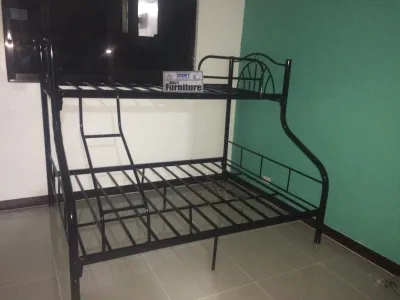
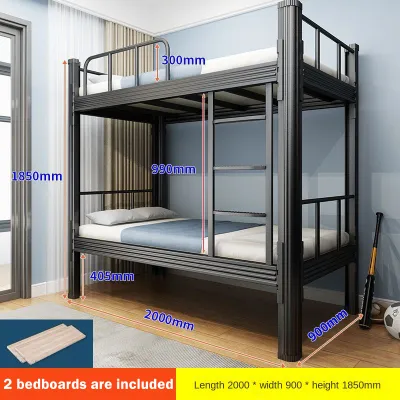
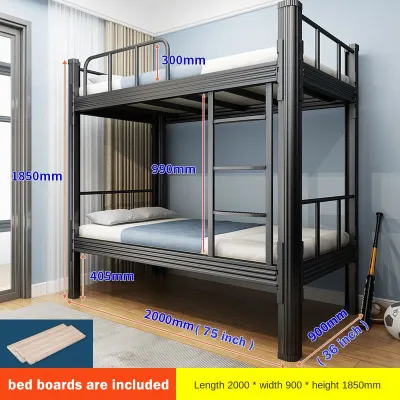
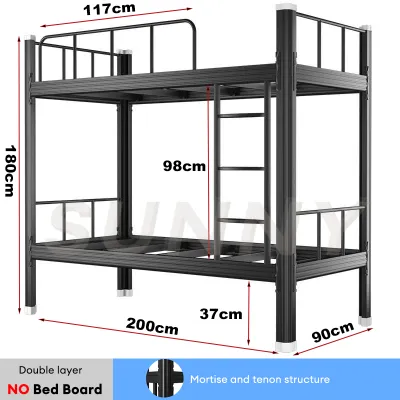
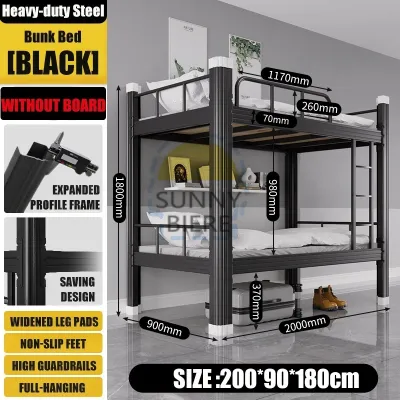
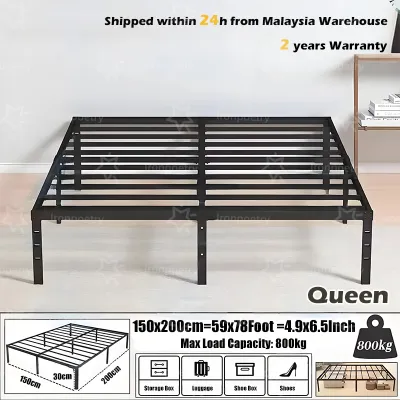
Prices are valid at publication and may change. Please refer to the product page for the latest price.
Consider the horizontal footprint of the bed frame in relation to your condo’s layout. A deck bed frame often has a slightly wider profile than a standard minimalist metal frame. You must measure the total outer dimensions of the frame, not just the mattress size. Compare these dimensions against the usable floor area of your bedroom, ensuring there is a clear walkway of at least 60 centimeters around the sides of the bed to allow comfortable movement.
Analyze the surrounding fixtures in your bedroom before making a purchase. In tight condo layouts, a bed frame that is even a few centimeters too long can block wardrobe doors from opening fully, obstruct access to a balcony sliding door, or prevent low-hanging windows from opening. Draw a detailed floor plan or use painter’s tape on the floor to visualize the bed’s exact position. Pay close attention to how the frame aligns with electrical outlets and light switches, as a solid deck base can easily block wall-mounted sockets.
Choosing the Right Accessibility Mechanism
Built-in drawers offer excellent organization for items you need to access daily or weekly, such as extra clothing, bed linens, or activewear. However, drawers require significant clearance to open fully. If your bed is placed against a wall or close to a wardrobe, you may not have the necessary 50 to 70 centimeters of clear floor space on the sides to pull the drawers out. Always measure the drawer extension length specified by the manufacturer and verify that your room layout can accommodate this movement without hitting other furniture.

Hydraulic lift-up mechanisms are ideal for storing bulky, seasonal, or infrequently used items like luggage, extra pillows, or holiday decorations. This design utilizes gas-lift pistons to raise the entire mattress platform, exposing the entire footprint of the bed base as storage. When choosing a lift-up frame, it is vital to check the manufacturer’s weight limits for the hydraulic cylinders. If your mattress is too heavy for the calibrated pistons, the platform may not stay open safely, posing a physical hazard during retrieval. Conversely, a mattress that is too light might cause the platform to spring open too quickly or fail to stay closed.
Open clearance designs with rolling bins provide a highly flexible and cost-effective alternative. This setup features a simple raised deck platform supported by legs, leaving the space underneath completely open. You can use independent rolling plastic containers, fabric baskets, or zippered vacuum bags. This approach allows you to pull containers out from any side of the bed, making it highly adaptable to changing room layouts. The primary trade-off is visibility; because the space is open, you will need to use matching, aesthetically pleasing bins or a bed skirt to keep the stored items hidden from view.
Verifying Structural Integrity and Material Limits
A deck bed frame must support a substantial amount of weight, including the mattress, the occupants, and potentially the stored items themselves if the storage compartment rests on the frame’s internal structure. Locate and verify the manufacturer’s stated maximum weight capacity in the product specifications. Ensure this limit explicitly accounts for the combined weight of your specific mattress type and the sleepers. A frame with an insufficient weight rating can sag over time, damaging both the frame and your mattress.
Examine the internal support system closely. Look for frames that feature closely spaced wooden or metal slats, robust center support legs, and reinforced metal-to-metal joints. Slat spacing should generally not exceed 7 to 8 centimeters to provide adequate mattress support and prevent sagging. Center support legs are crucial for double, queen, or king-size frames, as they distribute the weight evenly to the floor. If you are choosing an open clearance design, ensure the center legs do not block the path of your planned storage bins.
In tropical climates with high relative humidity, floor-level moisture can accumulate quickly, especially in enclosed spaces like under-bed storage. Rather than assuming a material is naturally resistant to mold or warping based on its name, review the manufacturer’s care instructions and surface treatments. Look for frames with sealed finishes, moisture-resistant laminates, or powder-coated metal parts. Regularly inspect the joints and underside of the frame for signs of moisture buildup, and avoid placing damp items directly into the storage compartments.
Navigating Condo Delivery and Assembly Constraints
One of the most common pitfalls when purchasing furniture for a condo is the delivery process. Before finalizing your order, measure the interior dimensions of your building’s service elevator, the clearance of stairwell turns, and the width of your unit’s entrance hallway. Compare these measurements against the manufacturer’s packaging dimensions. A solid, pre-assembled deck bed frame or a massive headboard may not fit through tight elevator doors or narrow corridor corners, leading to costly return fees or delivery failures.
Assembly within a confined condo bedroom requires careful planning. For hydraulic lift-up frames or designs with tall, integrated headboards, verify the ceiling height and overhead clearance of your room. You will need sufficient vertical space to lift the platform during assembly and daily use without hitting ceiling fans, light fixtures, or decorative moldings. Ensure there is enough open floor space in the room to lay out the parts and maneuver tools safely during the setup process.
Determine the complexity of the assembly before the delivery date. Some advanced storage bed frames, particularly those with complex hydraulic systems or multiple built-in drawers, require specialized tools, precise alignment, and at least two people to assemble safely. Check if the retailer offers professional assembly services. If you plan to assemble the frame yourself, review the instruction manual online beforehand to ensure you have the necessary tools, such as a rubber mallet, a level, and a socket wrench, and that you can complete the steps safely in a limited space.
Final Feature Checklist for Your Shortlist
To make a confident decision, compile a shortlist of your top deck bed frame candidates and run them through a final verification process. First, cross-reference the internal storage dimensions provided by the seller with the physical measurements of your storage bins. Do not rely on generic terms like “large storage capacity”; verify the exact height, width, and depth of the storage cavities to ensure your items will actually fit.
Next, carefully confirm the warranty terms offered by the manufacturer or retailer. Pay close attention to whether the warranty covers the moving parts, such as drawer glides, hinges, and hydraulic lift pistons, as these components experience the most wear and tear over time. A warranty that only covers the wooden frame structure may leave you unprotected if a hydraulic cylinder fails after a few months of use.
Finally, calculate the total cost of the purchase, ensuring it fits comfortably within your budget. This total should include the base price of the frame, delivery fees to your specific condo floor, and any professional assembly charges, all calculated in ₱. Review the retailer’s return policy thoroughly, focusing on the terms for oversized items. Knowing the return window, restocking fees, and who covers the return shipping costs will protect you from unexpected expenses if the frame does not fit your space.
Frequently Asked Questions (FAQ)
Do I need a specific type of mattress for a lift-up deck bed frame?
Yes, the weight and flexibility of your mattress directly impact the operation of a hydraulic lift-up frame. Hydraulic pistons are calibrated to lift a specific weight range. If your mattress is exceptionally light, such as a thin foam model, the pistons may have too much upward force, making it difficult to keep the bed closed. Conversely, a very heavy hybrid or latex mattress can exceed the lifting capacity of the cylinders, making the platform difficult to raise and potentially causing it to fall unexpectedly. Always check the frame manufacturer’s recommended mattress weight range before purchasing.
How can I prevent moisture damage in under-bed storage?
To protect your belongings from floor-level humidity in a condo, use sealed, weather-resistant plastic storage bins with secure latches rather than relying on the bed frame’s material to block moisture. Avoid storing items in cardboard boxes or open fabric bags, which easily absorb ambient moisture and encourage mold growth. Additionally, establish a habit of performing periodic visual checks of your stored items. Ensure your condo has adequate ventilation, and consider using a dehumidifier or placing silica gel packets inside your storage bins to manage moisture levels effectively.
Community discussion
Share your experience or ask a question. Comments are reviewed before publication.