
Selecting the right computer chair base is one of the most critical decisions when building a comfortable, long-lasting home office setup. While many buyers focus entirely on the mesh or cushion, the base serves as the foundation that supports your entire body weight and dictates how smoothly you move throughout the day. In tropical climates where high humidity can accelerate wear and rust, understanding the differences between nylon, steel, and aluminum alloy bases helps you make an informed investment.
Why the Chair Base Matters for Your Ergonomic Setup
A high-quality computer chair base does far more than simply hold the seat upright. It acts as the primary stabilizer for the entire chair, distributing your weight evenly across its five-star legs to prevent tipping when you recline or lean to the side. Without a stable base, even the most advanced ergonomic backrest cannot function safely.
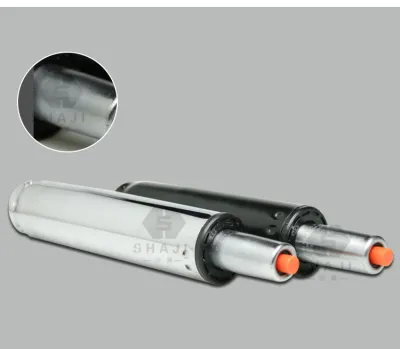
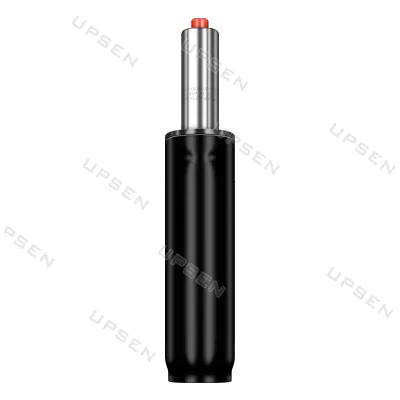
The base also serves as the mounting platform for the gas lift cylinder, which controls height adjustments. A loose or poorly machined center hole in the base can cause the cylinder to wobble, leading to uneven wear on the internal seals and a squeaky, unstable seating experience over time.
Products mentioned in this guide
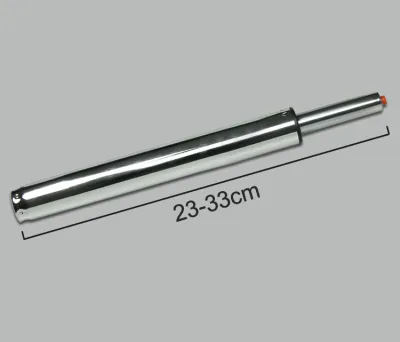
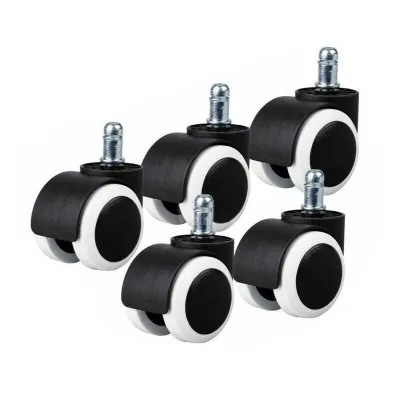
Prices are valid at publication and may change. Please refer to the product page for the latest price.
Additionally, the weight and design of the base directly affect your mobility and floor surfaces. Heavier bases provide a grounded, secure feel but require high-quality casters to glide smoothly without dragging or scratching delicate flooring. Lighter bases offer effortless movement but must be engineered correctly to maintain stability.
Nylon, Steel, and Aluminum: Material Specs Decoded
Manufacturers select chair base materials based on a balance of production costs, structural engineering requirements, and target price points. Each material offers distinct physical properties that influence how the chair handles daily stress, humidity, and movement.

Understanding these material specifications allows you to look past marketing claims and evaluate the actual build quality of a chair before making a purchase.
Nylon (Polyamide) Bases
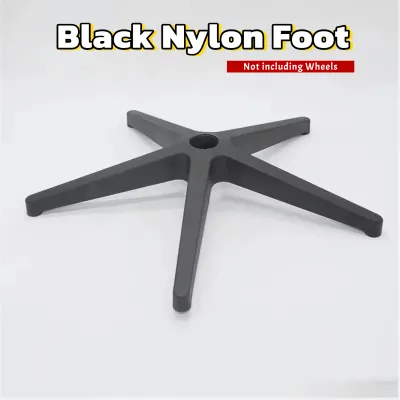
Nylon, or polyamide, is a highly durable engineering plastic widely used in entry-level and mid-range ergonomic chairs. It is naturally rust-proof and highly resistant to moisture, making it an excellent choice for humid environments where metal components might degrade without constant maintenance.
When evaluating a nylon base, turn the chair over or check product photos to inspect the underside of the star legs. High-quality nylon bases feature a dense network of reinforcing ribs, also known as structural webbing, which prevents the plastic from flexing or cracking under heavy loads.
Because nylon formulations vary, you should always rely on the manufacturer’s stated weight capacity label rather than assuming strength based on thickness alone. A well-engineered nylon base with proper internal ribbing can easily support standard office weight limits.
Steel Bases
Steel bases are known for their substantial weight and structural rigidity, offering a grounded and solid feel that many users prefer. This added weight lowers the chair’s center of gravity, making it feel exceptionally stable during deep recline angles.
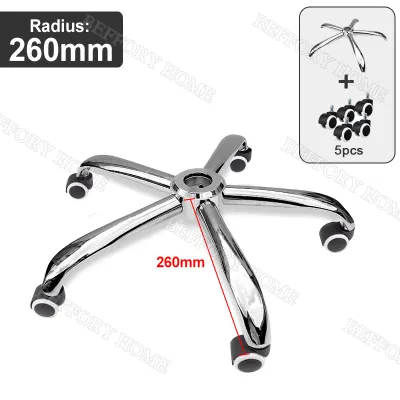
However, because steel is prone to corrosion, its longevity in humid climates depends heavily on surface treatments. Look for high-quality chrome plating or thick powder coating, which act as protective barriers against moisture and sweat.
Before purchasing, inspect the welding points where the individual star legs meet the central collar. High-quality steel bases feature uniform, smooth welds without visible gaps, splatter, or sharp burrs that could snag clothing or scratch your feet.
Aluminum Alloy Bases
Aluminum alloy is the premium standard for high-end ergonomic chairs, offering an exceptional strength-to-weight ratio. It provides the structural rigidity of steel without the heavy bulk, allowing for effortless mobility across various floor types.
When shopping, check whether the aluminum base is constructed using one-piece die-casting or welded sections. One-piece die-cast bases are generally superior, as they eliminate weak weld joints and offer higher manufacturing precision.
To ensure long-term aesthetic appeal, evaluate the surface finish of the aluminum. Polished or anodized finishes are highly recommended, as they resist oxidation, fingerprints, and minor scuffs far better than raw or painted aluminum.
Matching Base Materials to Your Budget (₱3,000 to ₱15,000 Range)
Navigating the ergonomic chair market requires matching your expectations to realistic material standards within your budget. In the entry-level tier, ranging from ₱3,000 to ₱6,000, nylon bases are the industry standard. At this price point, prioritize checking the underside reinforcing rib design and verified weight limits rather than chasing metallic aesthetics.
Moving into the mid-range tier of ₱7,000 to ₱10,000, you will commonly encounter steel bases or basic aluminum options. Here, your focus should shift to the quality of the surface coating to prevent rust, the smoothness of any weld joints, and how snugly the caster stems fit into their sockets.
In the premium tier of ₱11,000 to ₱15,000 and above, you should expect polished or anodized aluminum alloy bases. Verify that the base features a one-piece casting construction and look for clean, premium detailing where the legs meet the central cylinder.
Avoid the common misconception that a heavier base automatically translates to better ergonomics. Instead, match the base weight to your specific mobility needs and workspace layout, ensuring the chair is easy to maneuver on your office flooring.
How to Verify Base Quality When Shopping
To ensure you are getting a reliable computer chair base, start by checking the product specifications for the exact maximum weight capacity and the overall base diameter. A wider base diameter, typically around 650mm to 700mm, provides better stability but requires more floor space under your desk.
If shopping online, look for clear, high-resolution photos of the underside of the star legs, or physically inspect them if you are in a showroom. Look for clean welds on metal bases and dense, uniform structural ribbing on nylon bases.
Verify the caster stem type and dimensions, as standard 11mm stems make it much easier to find replacement wheels or upgrade to rubber rollerblade-style casters later.
Finally, confirm that the gas lift hole in the center of the base matches standard industry taper sizes. This ensures that if you ever need to replace the gas cylinder, you can easily find compatible third-party parts without replacing the entire base.
Frequently Asked Questions (FAQ)
Can I upgrade my existing chair base to a different material?
Yes, you can often upgrade your existing chair base, but you must ensure that the replacement base matches the outer diameter of your current gas lift cylinder. Most office chairs use standard tapered cylinders, but verifying measurements before purchasing is essential to prevent wobbling or fitment issues.
Keep in mind that modifying or replacing structural components like the base can void the manufacturer’s warranty on your chair. If you are unsure about compatibility or safety limits, it is always best to consult the original manufacturer or a qualified furniture professional before proceeding.
Community discussion
Share your experience or ask a question. Comments are reviewed before publication.