
Deciding when to transition your child from a crib to a bed frame with side rails is a major developmental milestone. The transition depends primarily on your child’s physical development, sleep behaviors, and safety limits rather than a strict chronological age. In the Philippines, where humid tropical climates influence bedroom setups—such as the use of mosquito nets, floor mats, or open-air ventilation—choosing the right bed frame with side rail ensures your child remains safe from accidental falls while maintaining comfortable airflow. Side rails serve as a crucial temporary barrier, preventing toddlers from rolling out of bed as they learn to navigate a sleep space without high crib walls. While many parents make this shift when a child begins climbing out of their crib, you can also opt for alternative setups, such as a Montessori-style floor bed, provided the room is thoroughly childproofed.
Quick Answer: When to Consider a Bed Frame with Side Rails
A bed frame with side rails is highly recommended when your toddler shows signs of outgrowing their crib or starts attempting to climb over the crib rails. This transition typically occurs when the child’s physical height or weight approaches the manufacturer’s maximum limits for the crib. The primary purpose of the side rail is to act as a transitional safety net, preventing accidental nighttime falls while your toddler adapts to the freedom of a larger bed.
However, if your child is developmentally mature, sleeps relatively quietly, and their bedroom is fully childproofed, skipping side rails or transitioning directly to a low-profile single bed is also a viable option. The decision should balance your child’s active sleep style with the physical layout of your home.
Products mentioned in this guide
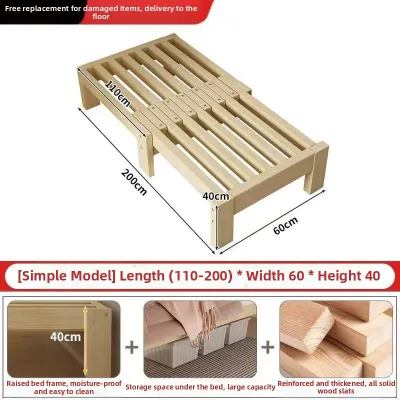
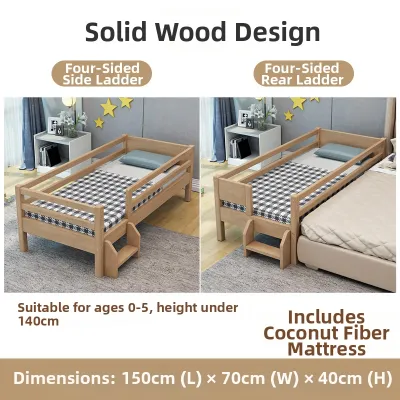
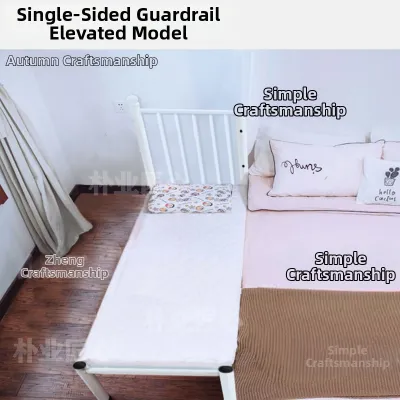
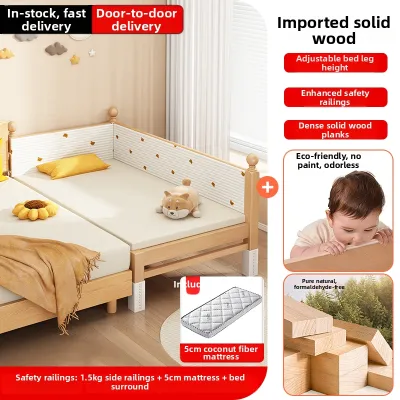
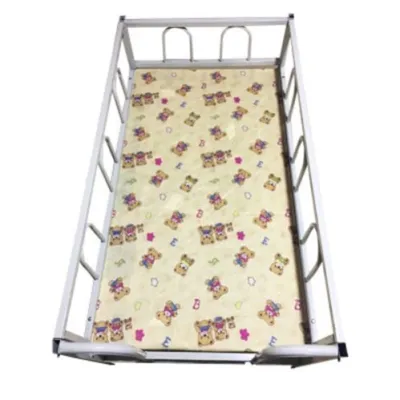
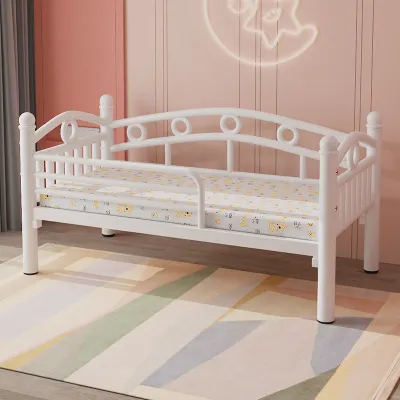
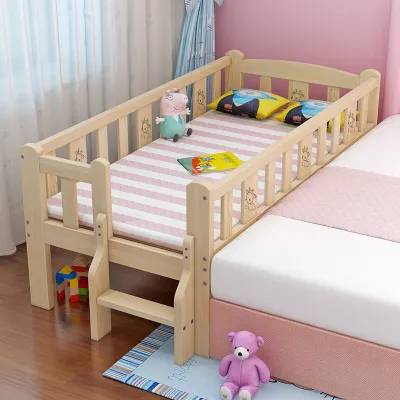
Prices are valid at publication and may change. Please refer to the product page for the latest price.
Key Signs Your Child Is Ready to Transition from a Crib
Determining the exact moment to transition your child requires careful observation of their physical growth and daily behavior. Relying solely on age can be misleading, as children develop at vastly different rates. Instead, look for clear physical and behavioral indicators that your child’s current crib is no longer a safe environment.

Before making any changes, locate the user manual for your current crib and check the manufacturer’s height and weight limits. Exceeding these limits is a hard safety boundary. Once your child reaches these thresholds, the structural integrity of the crib may be compromised, or the risk of falls may increase significantly, making an immediate transition necessary.
Physical and Developmental Milestones
The most critical physical milestone is your child’s height relative to the crib rail. When your child stands on the lowest mattress setting of the crib, observe where the top rail falls on their body. If the top of the rail is at or below their chest level, the crib is no longer safe. At this height, their center of gravity shifts, making it incredibly easy for them to accidentally tumble over the side.
Another clear sign is the physical ability to climb or throw a leg over the crib rail. Even if they have not successfully escaped yet, the mere attempt indicates they have the coordination and strength to do so. A fall from the height of a crib rail onto a hard floor can cause serious injury, so this behavior warrants an immediate upgrade to a safer sleeping arrangement. Always verify the specific manufacturer’s specifications for your crib model, as some convertible cribs have lower limits than standard models.
Behavioral Cues and Sleep Habits
Beyond physical growth, your child’s behavior and sleep patterns will signal when they are ready for a larger bed. Many children will verbally express a desire for a regular bed, often inspired by seeing a sibling’s setup or characters in books. They might show frustration or resistance when placed in the crib, viewing the slats as a confinement rather than a cozy sleeping space.
You may also notice increased sleep disruptions. If your child is constantly bumping into the crib sides, waking up because they cannot stretch out comfortably, or struggling to find a comfortable sleeping position, they have likely outgrown the physical space. However, behavioral readiness must be paired with cognitive maturity. Before removing all boundaries, ensure your child can understand and follow basic safety rules, such as staying in bed during the night and waiting for a parent in the morning.
Is a Bed Frame with Side Rails the Right Choice for Your Child?
When planning the transition, you have several options: a dedicated toddler bed frame with integrated side rails, a standard single bed with aftermarket add-on rails, or a low-profile floor bed. Evaluating the trade-offs of each setup will help you choose the best fit for your family’s needs and living space.
A dedicated bed frame with integrated side rails offers the highest level of structural stability. Because the rails are built directly into the frame, there is a seamless fit with the mattress, which virtually eliminates the dangerous gap risks associated with aftermarket add-on rails. This setup is highly recommended for active sleepers who toss and turn frequently, as well as children transitioning directly from a crib who still need the psychological comfort of a secure boundary.
On the other hand, side rails might be unnecessary if your child is an older toddler who already demonstrates calm sleep habits, or if you choose to place a mattress directly on the floor in a Montessori-style setup. A floor bed eliminates fall risks entirely, though it requires meticulous room childproofing since the child has full access to the bedroom at all times.
Before purchasing a new bed frame, measure your available bedroom space carefully. In Philippine homes, bedroom layouts can vary, and some bed frames with integrated side rails have wider footprints or bulky headboards that can block narrow pathways. Ensure you check the finished dimensions of the frame and confirm that it will fit comfortably through your doorways, hallways, and any lift or stairwell access if you live in a high-rise condominium. The frame must be stable, with a load capacity that accommodates both your child and a parent sitting bedside for storytime.
Essential Safety Checks Before Buying or Transitioning
Safety is the paramount consideration when selecting and installing children’s furniture. To prevent falls, entrapment, and tip-over accidents, perform these essential safety checks before allowing your child to sleep in their new bed:
- Mattress Fit: Check the gap between the mattress and the bed frame or side rails. Always use the exact mattress size specified by the bed frame manufacturer. A gap wider than two fingers (approximately 3 centimeters) poses a severe entrapment hazard where a child's head, limbs, or body could become wedged.
- Structural Stability: Physically test the sturdiness of the side rails. They must be able to withstand your child leaning, pushing, or pulling against them without detaching, bending, or collapsing. Look for frames with robust joints and secure hardware rather than flimsy snap-on plastic components.
- Hardware and Assembly: Follow the manufacturer's assembly instructions precisely, using all provided hardware. When assembling the bed frame or installing safety rails, always check the applied product's label and the manufacturer instructions for both the bed frame and the mattress. If the instructions conflict, or if you are dealing with an unidentified furniture model, stop immediately and consult the manufacturer or a qualified furniture professional to ensure assembly is fully secure. In the humid tropical climate of the Philippines, solid wood and engineered wood can expand or contract, which can gradually loosen joints over time. Conduct monthly hardware checks to ensure all screws and bolts remain tight.
- Room Childproofing: Because your child can now exit the bed freely, the entire bedroom becomes their sleep environment. Secure all heavy furniture, such as dressers and bookshelves, to the wall using anti-tip anchoring kits. Cover all electrical outlets, secure window cords completely out of reach, and remove any small objects that could pose a choking hazard.
- Fall Mitigation: Even with side rails, minor slips can happen. Place a soft, thick rug or a foam play mat next to the bed frame to cushion any potential nighttime rolls or daytime climbs. This is especially important if your bedroom has hard tile, polished concrete, or hardwood flooring.
How to Make the Transition Smooth and Safe
A successful transition is as much about psychological comfort as it is about physical safety. Introducing a new bed can be overwhelming for a young child, so taking gradual, reassuring steps will help them adjust quickly.
Maintain your established bedtime routine, including the same bath time, storybook reading, and sleep schedule. If safe and appropriate for the new mattress size, use their favorite stuffed animals or blankets to provide a sense of familiarity. Involving your child in the process can also build positive excitement; let them help pick out safe, age-appropriate bedding, such as breathable cotton sheets that remain cool in the warm Philippine climate.
During the day, practice getting in and out of the bed safely. Teach your child to use the designated opening in the side rail rather than trying to climb over the top of the rails. Make a game of it so they feel confident navigating their new furniture.
Keep in mind that nighttime wandering is incredibly common during the first few weeks. To prevent your child from roaming the house unsupervised while you are asleep, install a sturdy baby gate at their bedroom door or at the top of the stairs. This ensures they remain safely within a fully childproofed zone even if they decide to explore in the middle of the night.
Frequently Asked Questions (FAQ)
At what exact age should a child move to a bed with side rails?
There is no single mandatory age for this transition, though most children make the move between 18 months and 3 years. Instead of focusing on chronological age, prioritize physical and developmental milestones. The primary triggers for transitioning are when your child begins climbing out of their crib, reaches the manufacturer’s height or weight limits, or shows the cognitive maturity to stay in an open bed safely.
Can I use a regular single bed and add an aftermarket bed rail?
Yes, you can use aftermarket mesh or wooden rails on a standard single bed, but you must strictly verify compatibility with the mattress thickness and the bed frame design. Always consult the manufacturer’s instructions for both the bed and the aftermarket rail before assembly. Improperly fitted add-on rails can shift, creating dangerous gaps between the mattress and the rail that pose a serious entrapment risk. A dedicated bed frame with integrated side rails is generally a structurally safer and more reliable option for active toddlers.
Community discussion
Share your experience or ask a question. Comments are reviewed before publication.