
For the hot and humid climate of the Philippines, a pocket spring mattress with a natural latex transition layer or a hybrid design is generally the best choice. This combination maximizes airflow through the open coil system while leveraging the natural cooling and antimicrobial properties of latex. While a pure natural latex mattress is exceptionally durable and breathable, it can be heavy and costly. Traditional memory foam, on the other hand, tends to trap body heat, making gel-infused or open-cell variations essential if you prefer a contouring hug. When shopping for a dreame mattress, understanding how these materials interact with tropical humidity is the key to securing comfortable, sweat-free sleep.
Why Tropical Humidity and Heat Dictate Your Mattress Choice
The tropical climate of the Philippines presents a unique set of challenges for sleep quality and mattress maintenance. With year-round high temperatures and relative humidity levels that frequently exceed 80%, especially during the southwest monsoon (Habagat) season, the bedroom environment can easily become a trap for heat and moisture. When you sleep, your body naturally sheds heat and moisture to regulate its core temperature. In a humid room, this moisture cannot evaporate quickly into the air, leading to increased nighttime sweating and a clammy, uncomfortable sleeping surface.
This persistent moisture does not just affect your immediate comfort; it also penetrates deep into the layers of your mattress. Over time, trapped sweat and ambient humidity can lead to accelerated material degradation, causing foams to soften prematurely and lose their supportive qualities. Furthermore, a warm, damp mattress core is the ideal breeding ground for dust mites, bacteria, mold, and mildew. These organisms not only produce unpleasant, musty odors but can also trigger respiratory allergies and skin irritation. Consequently, when choosing a new mattress, breathability, moisture-wicking capabilities, and effective thermal regulation must be your primary decision-making criteria.
Products mentioned in this guide
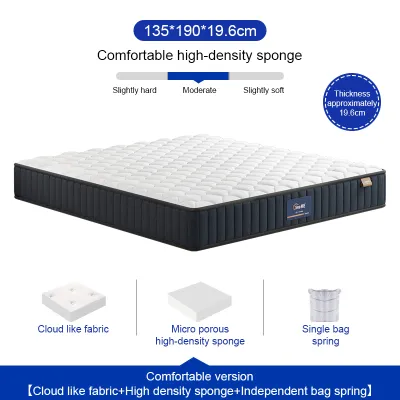
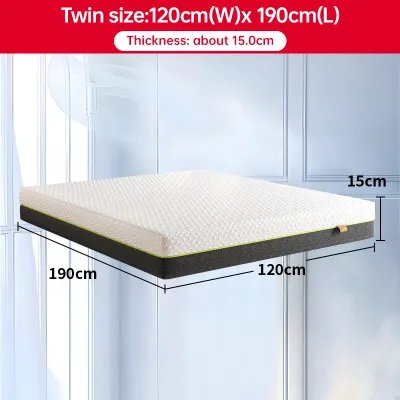
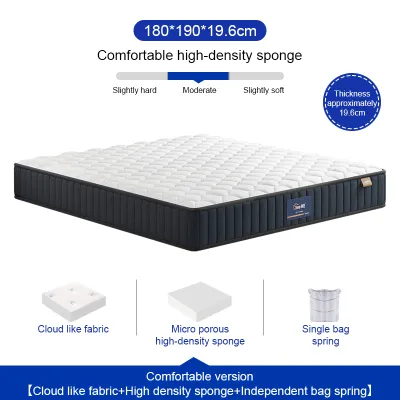
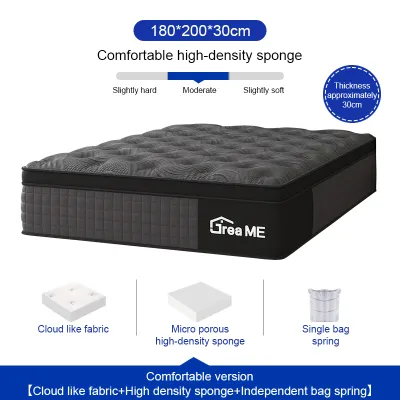
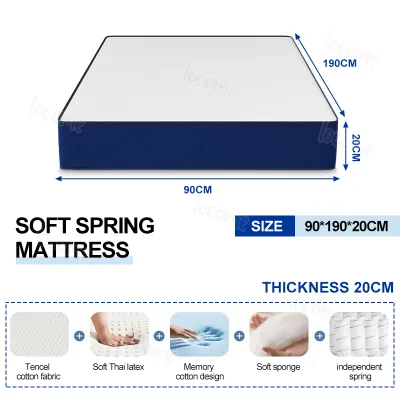
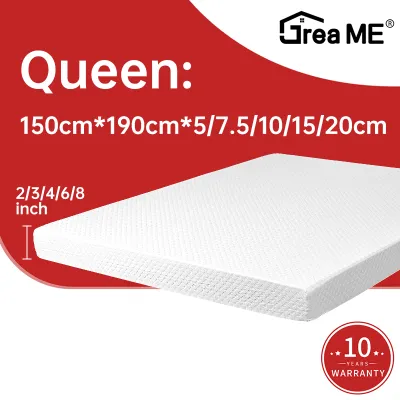
Prices are valid at publication and may change. Please refer to the product page for the latest price.
Latex vs. Spring vs. Memory Foam: Which Material Handles Heat Best?
To make an informed decision, it is essential to compare how natural latex, innerspring systems, and memory foam behave under tropical conditions. Each material has a distinct physical structure that dictates how it manages heat accumulation, airflow, and moisture retention over years of daily use.

Latex: Natural Airflow and Moisture Resistance
Natural latex is highly regarded for its open-cell molecular structure, which is further enhanced during manufacturing by the creation of a pin-core pattern. This pattern consists of small, evenly spaced vertical channels that allow air to flow freely through the core of the mattress. When you move during the night, these channels act like miniature bellows, actively pushing warm air out and drawing cooler ambient air in. This continuous ventilation prevents heat from accumulating directly beneath your body.
In addition to its superior thermal performance, natural latex possesses inherent antimicrobial and hypoallergenic properties. It is naturally resistant to dust mites, mold, and mildew, making it exceptionally well-suited for the humid conditions found throughout the Philippines. When evaluating latex, you will encounter two manufacturing methods: Dunlop and Talalay. Dunlop latex is denser and firmer, making it highly durable and supportive, though it retains slightly more heat than its counterpart. Talalay latex undergoes a vacuum and flash-freeze process that results in a highly porous, lighter, and more breathable foam. While both options perform exceptionally well in warm climates, Talalay offers a slight edge in active heat dissipation, while Dunlop provides robust, long-lasting support.
It is worth noting that natural latex mattresses are heavy and highly flexible. Before purchasing, verify that your bed frame can support the substantial weight of a solid latex core. Additionally, consider the practical logistics of delivery; ensure your doorways, stairwells, or condominium lifts have sufficient clearance to accommodate a heavy, non-rigid mattress without causing structural damage during installation.
Spring Systems: Maximum Air Circulation and Support
Innerspring and pocket spring mattresses offer the highest level of natural ventilation of any mattress type. The core of a spring mattress consists primarily of open space occupied by steel coils. This design allows air to circulate completely unimpeded throughout the entire mattress body, preventing the build-up of hot air pockets. Pocket spring systems, which feature individually pocketed coils, are particularly effective because they isolate motion while maintaining this open-air architecture.
However, the cooling efficiency of a spring mattress is heavily dependent on the comfort layers placed on top of the coils. If a pocket spring mattress is topped with a thick, dense layer of traditional polyurethane foam or a heavy, non-breathable polyester pillow top, the cooling benefits of the spring core will be severely restricted. To maximize airflow, look for hybrid spring mattresses that utilize breathable comfort layers, such as natural latex, open-cell foam, or gel-infused comfort layers.
In the humid Philippine climate, the durability of the spring system is also a key consideration. High humidity can potentially lead to rust or structural squeaks over time if the steel coils are not properly treated. Look for mattresses featuring double-tempered steel coils with rust-resistant coatings. Furthermore, robust edge support—often achieved through a firmer perimeter of coils or high-density foam encasement—is crucial for maintaining the structural integrity of the mattress, especially when sitting on the edge of the bed in daily use.
Memory Foam: Contouring Comfort vs. Heat Trapping
Traditional memory foam, or viscoelastic polyurethane foam, is famous for its pressure-relieving, contouring hug. However, this material is notoriously prone to trapping body heat. Traditional memory foam features a dense, closed-cell structure that restricts airflow. It relies on your body heat to soften and conform to your shape; as you sink deeper into the mattress, the foam wraps around you, creating an insulating barrier that prevents heat from escaping. In a tropical climate, this can quickly lead to an uncomfortably warm sleep experience, particularly if you do not run an air conditioner overnight.
To address this issue, mattress manufacturers have developed several cooling modifications. Gel-infused memory foam is one of the most common solutions, where microscopic gel beads are swirled into the foam to absorb and dissipate initial body heat. Other advanced options include infusions of highly conductive materials like copper or graphite, which help draw heat away from the body. Additionally, open-cell memory foam formulations feature a more porous cell structure that allows air to pass through more freely than traditional closed-cell foams.
When considering a memory foam mattress, the cover fabric is just as important as the foam itself. Because the cover is the direct interface between your body and the mattress, it must be highly breathable and moisture-wicking. Look for covers made from natural fibers like Tencel, bamboo-derived rayon, or specialized phase-change materials (PCM) that actively absorb, store, and release heat to maintain a balanced skin temperature. If you choose a memory foam model, ensuring it has these cooling technologies is vital for comfortable sleep in the Philippines.
How to Verify a Dreame Mattress's Cooling and Breathability Specs
When shopping for a dreame mattress, it is easy to get lost in generic marketing slogans promising “cool, cloud-like sleep.” To ensure you choose a model that truly performs well in hot and humid conditions, you must rely on verifiable technical specifications rather than promotional language. Use the following practical checklist to evaluate the cooling and breathability credentials of any mattress model:
- Analyze the Material Composition and Density: Request the official product specification sheet or look closely at the manufacturer's cross-section diagram. For foam layers, check the density. While higher-density foams (above 50 kg/m³) offer excellent durability and support, they also tend to trap more heat unless they feature open-cell technology or gel infusions. If the mattress contains latex, verify whether it is natural or synthetic, and look for a pin-core ventilation pattern.
- Inspect the Coil Configuration: If you are looking at a hybrid model, verify the coil count and the coil gauge. A lower gauge number (such as 12 or 13 gauge) indicates thicker, stiffer coils that provide robust support and structural longevity, while higher gauge numbers (14 to 15) offer a contouring feel. Ensure the coils are individually pocketed to maximize motion isolation while preserving the open-air core that facilitates heat dissipation.
- Examine the Cover Fabric Specifications: Do not overlook the mattress cover. Look for explicit mentions of breathable, high-performance fabrics. Materials like Tencel (lyocell) and bamboo rayon are naturally moisture-wicking and highly breathable. Some premium models feature specialized cooling yarns woven into the fabric, which use high-thermal-conductivity fibers to create an instant cool-to-the-touch sensation. Avoid covers made entirely of heavy, tightly woven synthetic polyester, as they tend to trap heat and sweat.
- Identify the Cooling Technologies in the Comfort Layers: Look for specific cooling additives or structures in the top comfort layers. Look for terms like "gel-infused memory foam," "open-cell polyurethane," or "aerated latex." The cross-section diagram should show these cooling layers positioned closest to the sleeping surface, where they can effectively intercept and dissipate body heat before it reaches the denser support layers below.
- Review the Warranty Terms for Humidity-Related Clauses: Before finalizing your purchase, carefully read the manufacturer's warranty document. Pay close attention to how the warranty handles issues like sag depth, mold development, and moisture damage. In the Philippines, where indoor humidity can remain high for months, some warranties may be voided if the mattress is placed on an unventilated flat surface (such as a solid wooden platform or the floor) or if mold develops due to environmental conditions. Ensure you understand the required support base (such as a slatted frame with specific gap dimensions) to keep your warranty fully intact.
- Delivery and Space Considerations: Verify the finished dimensions of the mattress against your bed frame, doorway clearances, and elevator limits. A thick pocket spring or latex mattress cannot be easily bent or compressed once unboxed, making lift access in high-rise apartments a critical check.
Daily Care and Mold Prevention for Mattresses in Humid Climates
Owning a high-quality mattress in a tropical environment requires proactive maintenance to prevent moisture accumulation, mold growth, and premature sagging. By implementing a few simple, low-risk care steps, you can significantly extend the lifespan of your mattress and maintain a hygienic sleeping environment.
First, always use a high-quality, breathable, and waterproof mattress protector. While some believe a waterproof barrier will trap heat, modern protectors utilize advanced polyurethane membranes that allow microscopic air vapor to pass through while blocking liquid water, sweat, and skin flakes. This prevents your sweat from soaking into the comfort layers of the mattress, shielding the delicate foams and fibers from moisture-induced breakdown without sacrificing thermal comfort.
Second, manage your bedroom’s indoor environment. Whenever possible, keep the room well-ventilated by opening windows to encourage cross-ventilation, or use ceiling and standing fans to maintain continuous airflow. During the heavy rain of the wet season, when outdoor humidity is exceptionally high, running an air conditioner or a dedicated dehumidifier can help keep indoor relative humidity below 60%. This is the critical threshold recommended by environmental health experts to prevent the germination of mold spores and limit dust mite populations.
Third, establish a regular mattress rotation schedule. Rotate your mattress 180 degrees every 3 to 6 months. This practice ensures that body weight is distributed evenly across the surface over time, preventing deep body impressions from forming. In a humid climate, rotating also prevents moisture from continuously settling in a single, concentrated spot. Note that most modern hybrid and memory foam mattresses are designed with a specific top-to-bottom layer structure and should never be flipped upside down; only rotate them end-to-end.
Finally, when it comes to cleaning, always prioritize the manufacturer’s care label and specific cleaning instructions. If you need to spot-clean a spill or stain, use a mild detergent diluted with water, and apply it sparingly with a damp cloth—never saturate the mattress fabric. If cleaning instructions conflict or are unavailable, avoid using harsh bleach or chemical solvents, which can dissolve the cellular structure of latex and polyurethane foams. After cleaning, ensure the mattress is completely dry before putting the sheets back on. You can speed up the drying process by pointing an electric fan directly at the treated area or allowing it to dry in a well-ventilated room with indirect sunlight.
Frequently Asked Questions (FAQ)
Is a cooling mattress topper effective for a memory foam mattress in the Philippines?
A cooling mattress topper can provide a noticeable, immediate improvement in surface temperature, but its effectiveness is limited by the mattress underneath. Toppers made of gel-infused memory foam, aerated latex, or specialized open-cell foams create a breathable barrier between your body and the dense, heat-trapping core of a traditional memory foam mattress. However, they cannot completely alter the thermal properties of the base mattress. If the underlying core is highly insulating, heat may still accumulate over several hours of sleep. When choosing a topper, verify its material specifications and thickness; a topper that is too thick (over 3 inches) may actually trap more heat if it lacks adequate ventilation channels.
How can I prevent mold on my mattress during the rainy season?
To prevent mold during the humid rainy season, never place your mattress directly on the floor, as this traps moisture underneath. Instead, elevate it on a slatted bed frame that allows continuous airflow beneath the mattress base. Periodically strip all bedding and mattress protectors, allowing the bare mattress to air out in a well-ventilated room with a fan running for several hours. Additionally, running a dehumidifier in your bedroom during prolonged rainy spells is highly effective, as keeping the indoor relative humidity below 60% actively discourages mold spores from developing on the fabric and foam layers.
Community discussion
Share your experience or ask a question. Comments are reviewed before publication.