
In space-constrained homes across the Philippines, such as high-rise condominiums in Metro Manila or compact townhouses, maximizing vertical space is essential. Standard overhead cabinets often leave high shelves underutilized because they are difficult to reach safely. Integrating a drop down kitchen cabinet or an internal pull-down shelving system solves this accessibility issue, transforming hard-to-reach storage into highly functional zones. Choosing the right system requires evaluating mechanical designs, verifying structural limits, and selecting materials that can withstand local tropical humidity.
By utilizing the vertical dimension of your kitchen, you can free up valuable countertop space for meal preparation and daily activities. This is particularly beneficial in open-plan studio apartments where the kitchen is highly visible from the living area. A well-chosen cabinet system not only improves organization but also enhances the overall aesthetic of a compact home by keeping clutter out of sight.
However, selecting the ideal system is not just about aesthetics; it involves understanding the mechanical hardware, measuring clearances with precision, and ensuring your walls can support the dynamic weight of a moving storage unit. This guide provides a comprehensive framework to help you evaluate, select, and safely install drop-down storage solutions tailored to the unique environmental and structural conditions of homes in the Philippines.
Products mentioned in this guide
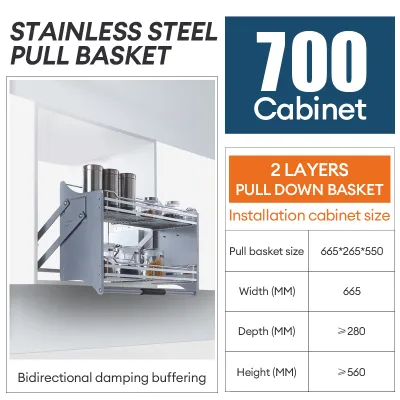
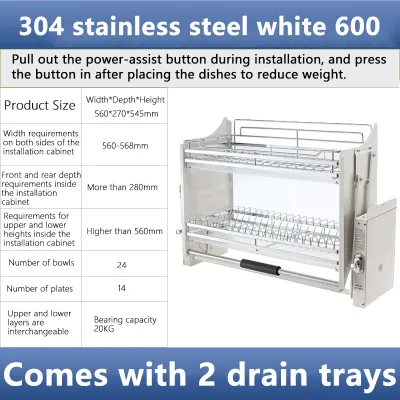
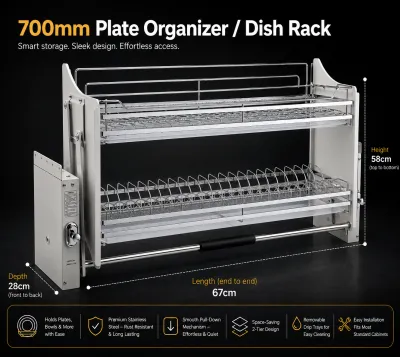
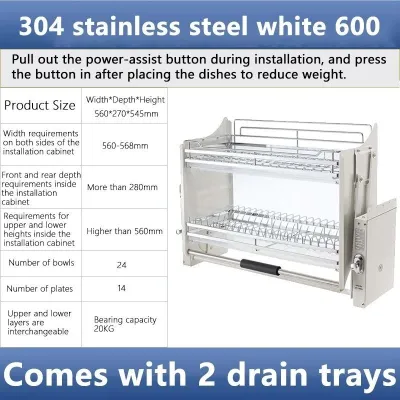
Prices are valid at publication and may change. Please refer to the product page for the latest price.
Understanding Drop-Down and Pull-Down Cabinet Mechanisms
To make an informed decision, it is crucial to distinguish between the two primary types of mechanisms: fold-down front panels and internal pull-down shelving systems. While both optimize space, they serve different functional purposes and require distinct installation approaches.
Fold-down front panels typically consist of a cabinet door that hinges at the bottom, lowering outward to a horizontal position. This design is highly effective for creating temporary workspaces, such as a fold-out prep table or a dedicated coffee nook. When closed, the panel conceals shallow storage shelves, keeping spices or mugs neatly tucked away. This style is excellent for ultra-compact kitchens where counter space is at a premium.
In contrast, internal pull-down shelf mechanisms are installed inside standard upper cabinet carcasses. Instead of the door lowering, the entire internal shelving unit is pulled forward and downward using a system of mechanical arms, gas struts, or tension springs. This mechanism brings the contents of high shelves down to eye level, making it exceptionally easy to retrieve plates, glassware, or pantry staples.
The operational differences between these two systems also impact user experience. Fold-down panels rely on manual hinges and support cables, requiring you to lift and secure the panel manually. Pull-down shelves utilize assisted-lift mechanisms that counteract the weight of the stored items. When evaluating these systems, it is vital to check the manufacturer’s specified weight limits. Overloading a pull-down shelf can strain the tension springs or gas struts, leading to a sudden drop or making the unit difficult to push back into place.
Key Measurements and Space Requirements for Small Layouts
Before purchasing any drop down kitchen cabinet hardware, taking precise measurements of your kitchen layout is the most critical step. In small kitchens, even a discrepancy of a few millimeters can prevent a mechanism from operating correctly or cause it to block essential pathways.

Begin by measuring the internal and external dimensions of your existing cabinets or the designated wall space. For internal pull-down organizers, measure the exact cabinet width, depth, and height. Many aftermarket hardware kits are designed to fit standard cabinet widths, such as 600mm, 800mm, or 900mm. Additionally, verify the internal depth of your cabinet carcass; most mechanical pull-down shelves require a minimum depth to accommodate the folding arms and gas struts when the unit is fully closed.
Next, evaluate the surrounding environment for potential obstructions. Overhead space in compact kitchens is often shared with range hoods, light fixtures, ceiling fans, window frames, and decorative moldings. Map out the path of the cabinet door or the pull-down shelf as it moves through its full range of motion. The mechanism must not collide with any of these fixtures, nor should it block the airflow of a range hood.
Equally important is the swing radius and drop distance of the mechanism in relation to the user. A pull-down shelf moves outward before descending, which means it projects into the standing area of the kitchen. Ensure that when the shelf is fully deployed, there is still sufficient space for you to stand comfortably in front of it without being forced to step backward into a wall, an island counter, or a dining table. It should also clear any items permanently kept on the countertop below, such as microwave ovens or rice cookers.
Material and Hardware Checks for Humid Climates
The tropical climate of the Philippines presents unique challenges for kitchen furniture, primarily due to high relative humidity and ambient heat. These environmental factors can accelerate the degradation of both the cabinet structure and the mechanical hardware. Therefore, conducting thorough material and hardware checks is essential to ensure the longevity of your drop-down cabinet system.
First, inspect the hardware components, including the hinges, gas struts, tension springs, and mounting brackets. Because kitchens are high-moisture environments—especially near sinks and cooking ranges—untreated metal hardware is highly susceptible to rust and corrosion. Look for hardware with rust-resistant coatings, electroplated finishes, or stainless steel construction. High-quality gas struts should have sealed chambers to prevent moisture from compromising the internal hydraulic fluid.
Second, carefully evaluate the cabinet board materials and edge banding. Standard particleboard or low-grade medium-density fiberboard (MDF) tends to absorb moisture from the air, leading to swelling, warping, and structural failure over time. For tropical climates, moisture-resistant boards, such as marine plywood or high-pressure laminates (HPL), are highly recommended. Pay close attention to the edge banding on all exposed edges; it must be seamlessly applied with water-resistant adhesives to prevent steam and humidity from penetrating the core material.
Finally, review the manufacturer’s care and maintenance instructions for the moving parts. Over time, dust, cooking grease, and humidity can accumulate in the tracks and joints of the pull-down mechanism, causing it to squeak, stick, or operate unevenly. Regular maintenance, such as wiping down the metal arms and applying a recommended silicone-based lubricant to the pivot points, will keep the mechanism gliding smoothly. Avoid using heavy oils that attract grime and worsen mechanical friction.
Evaluating Storage Configurations and Ergonomic Access
A drop-down kitchen cabinet must not only fit your space but also align with your specific storage needs and physical capabilities. Evaluating the internal storage configurations and ergonomic access of the unit ensures that it becomes a practical addition to your daily routine.
Start by assessing the internal layout of the pull-down shelves. Some models feature fixed wire baskets, while others offer solid wooden or plastic shelves with adjustable heights. If you plan to store heavy, flat-bottomed items like ceramic plates, bowls, or small appliances, solid shelves provide a more stable surface. For lighter items like spices, packaged pantry goods, or plastic containers, wire baskets with high guardrails are ideal, as they prevent items from shifting or falling out when the cabinet is lowered or raised.
Ergonomic reach is another critical factor to consider. The primary purpose of a pull-down system is to eliminate the need for step stools or dangerous overstretching. Verify the maximum drop distance of the mechanism to ensure that, when fully extended, the lowest shelf sits at a comfortable height—typically around chest or counter level. This allows the primary user to lift heavy items out of the cabinet using proper lifting posture, reducing the risk of strain or accidental drops.
Additionally, consider the trade-off between maximum storage volume and the physical footprint of the cabinet when open. While a large, multi-tiered pull-down system maximizes storage capacity, it also requires more physical effort to operate and can create visual clutter when fully deployed. In a very small kitchen, a single-tier or double-tier system often strikes the best balance, providing accessible storage for daily essentials while keeping the kitchen feeling open and uncluttered.
Installation Conditions and Structural Safety Boundaries
Installing a moving cabinet system introduces dynamic forces that standard static shelving does not experience. Every time you pull down or push up the cabinet, stress is applied to the mounting brackets and the wall structure. Therefore, verifying your installation conditions and understanding structural safety boundaries is paramount to preventing catastrophic failures or injuries.
Begin by identifying the wall type in your kitchen. In the Philippines, residential walls are commonly constructed from concrete, hollow concrete blocks (CHB), or drywall over metal studs. Concrete and solid masonry walls provide the most secure foundation for heavy, dynamic loads. However, they require high-quality masonry wall plugs or expansion bolts to anchor the cabinet brackets securely. Never rely on standard plastic wall plugs for a heavy pull-down mechanism; instead, use heavy-duty metal anchors designed for dynamic loads.
If your kitchen walls are made of drywall, extreme caution is required. A drop-down cabinet must never be anchored directly into the drywall sheets alone, as the weight and movement will quickly tear the anchors out of the wall. The mounting brackets must be fastened directly into the vertical metal or wooden studs behind the drywall. If the studs do not align with the cabinet’s mounting points, you must install a solid wood backing board or horizontal blocking between the studs to distribute the weight safely.
Before finalizing the installation, calculate the total load capacity. This includes the weight of the empty cabinet box, the heavy mechanical hardware, and the maximum weight of the items you plan to store inside. Always adhere strictly to the manufacturer’s load limits. Once installed, perform a safety test by gradually adding weight and operating the mechanism. If you notice any sagging, bowing of the cabinet walls, or if the unit feels unstable, stop using it immediately. In such cases, or if you are uncertain about your wall’s structural integrity, halt the installation and consult a qualified professional contractor to reinforce the structure.
Frequently Asked Questions (FAQ)
Can I retrofit a pull-down mechanism into existing upper cabinets?
Yes, retrofitting is highly feasible, provided your existing cabinets meet specific structural and dimensional criteria. First, measure the internal width, height, and depth of your current cabinet carcass and compare them with the minimum requirements of the aftermarket pull-down hardware. Additionally, inspect the thickness and material of the cabinet’s side panels; they must be sturdy enough (typically at least 15mm to 18mm thick) to hold the mounting screws under dynamic loads. If the existing cabinet is made of thin or degraded material, you may need to reinforce the side panels with plywood backing plates before securing the mechanism.
How do I fix a drop-down cabinet door that will not stay open?
When a drop-down cabinet door or pull-down shelf fails to stay open or feels excessively heavy to lift, the issue is usually related to the gas struts or tension springs. Inspect these components for visible signs of wear, such as oil leaks on gas struts, bent rods, or loose mounting brackets. Do not attempt to force the mechanism or use temporary props to hold the door open, as this can lead to sudden collapse and injury. Instead, identify the model number or weight rating printed on the strut and replace it with an exact manufacturer-approved match to restore safe, balanced operation.
Community discussion
Share your experience or ask a question. Comments are reviewed before publication.