
Selecting the right configuration for closets for clothes cabinets durabox systems requires a clear understanding of your personal wardrobe habits and the environment in which the furniture will sit. In the tropical climate of the Philippines, where high humidity and seasonal rains present constant challenges for fabric care, a wardrobe is far more than a simple storage box. It must actively protect your garments from dampness, mold, and dust while keeping your daily outfits organized and accessible. By focusing on the design and quality of internal features—such as hanging rails, adjustable shelving, and ventilated drawers—you can build a highly functional storage system that keeps your clothes in pristine condition.
Quick Guide: Matching Durabox Storage Features to Your Clothes
To maximize the utility of your closets for clothes cabinets durabox configurations, you must align the internal components with the types of garments you own. A mismatch here leads to wasted vertical space, crushed collars, or overloaded shelves that sag over time.
Here is a quick reference table to help you map common closet features to their ideal uses and spatial requirements:
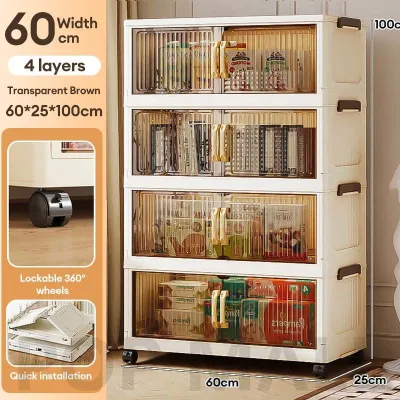
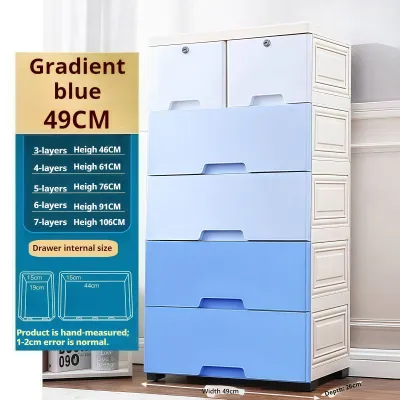
Products mentioned in this guide
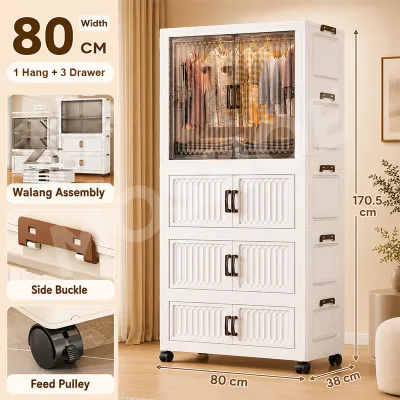
![[CLOSET MALL]50cm Drawer Cabinet For Clothes Durabox Clothes Storage Cabinet With Wheel Thickened Plastic Drawer Cabinet Organizer Cabinet Multifunction Organizer With Lock](https://img.lazcdn.com/g/p/759d49940fb586e1bc3a1bd679aa1ba9.jpg_400x400q80.jpg_.webp)
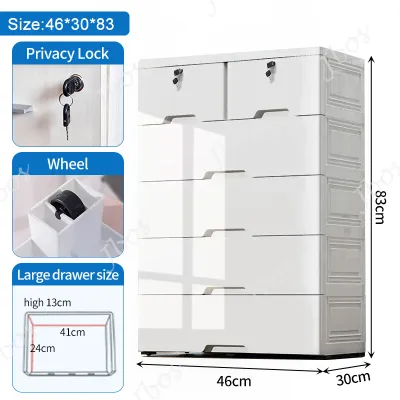
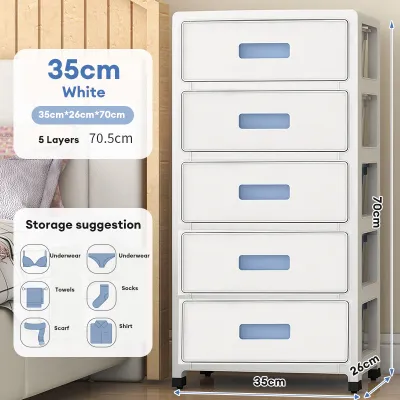
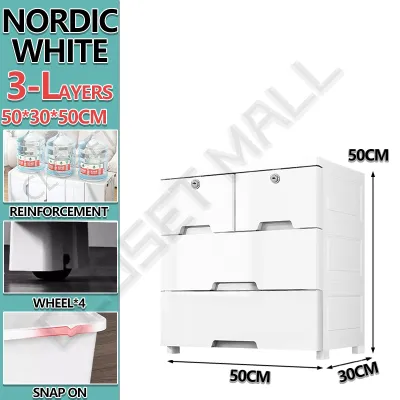
Prices are valid at publication and may change. Please refer to the product page for the latest price.
| Storage Feature | Best Use Case | Spatial Requirement | Key Benefit |
|---|---|---|---|
| Single Hanging Rod | Long dresses, barongs, maxi skirts, coats | Full height (150–170 cm vertical clearance) | Prevents hems from dragging and wrinkling |
| Double Hanging Rods | T-shirts, blouses, folded trousers, jackets | Split height (approx. 100 cm per tier) | Doubles hanging capacity in the same footprint |
| Adjustable Shelves | Folded knits, storage bins, bags, jeans | Flexible spacing (30–40 cm intervals) | Adapts to changing seasonal storage needs |
| Deep Drawers | Undergarments, socks, bed linens, activewear | Bottom section (25–35 cm depth) | Keeps personal items dust-free and out of sight |
| Pull-Out Wire Baskets | Towels, everyday casual wear, light blankets | Middle section (20–30 cm depth) | Promotes airflow to prevent musty odors |
The ultimate decision factor when configuring your wardrobe is striking the perfect balance between hanging space and folded storage. If your wardrobe consists mostly of formal office wear, prioritize hanging rods to maintain fabric structure. If you wear mostly casual knits, activewear, and denim, prioritize adjustable shelves and breathable drawers that accommodate standard clothing folds.
How to Assess Your Clothing Storage Needs
Before purchasing any closets for clothes cabinets durabox units, conducting a thorough audit of your current wardrobe prevents buying a configuration that does not fit your lifestyle.

Step 1: Categorize Your Wardrobe Empty your current storage space and group your items into distinct categories. Separate long hanging garments, such as maxi dresses, long skirts, and traditional Filipino barongs, from short hanging garments like shirts, blouses, and folded trousers. Group your folded items, such as cotton t-shirts, denim jeans, and knitwear, and set aside smaller accessories, underwear, and seasonal bedding. Count the items in each category to understand whether you need more hanging rails or flat shelving.
Step 2: Measure Your Available Bedroom Space Use a reliable metal measuring tape to record the height, width, and depth of the designated area in your bedroom. Account for door swing clearances if you are choosing hinged doors, or ensure there is enough clearance for sliding tracks. Keep in mind that standard hanging clothes require an internal cabinet depth of at least 55 to 60 centimeters to prevent sleeves from getting caught in the doors.
Step 3: Evaluate the Local Environment The tropical climate in the Philippines presents unique challenges for clothing storage, particularly high relative humidity and dust. In rooms with limited air conditioning or poor ventilation, closed wooden drawers can trap moisture, leading to mold or musty smells on fabrics. Consider incorporating breathable storage options, such as wire pull-out baskets, to encourage airflow. Conversely, if your home is near a busy road with high dust levels, enclosed drawers and tightly sealed cabinet doors are essential for protecting delicate fabrics.
Evaluating Core Durabox Internal Storage Features
Understanding the design, material quality, and functionality of each internal module allows you to select a wardrobe that stands up to daily wear and tear.
Hanging Rods and Rails
Hanging rods are the backbone of any efficient closet, keeping wrinkle-prone garments ready to wear. A single-tier rod setup is necessary if your wardrobe features long garments like dresses, coats, or formal wear, providing uninterrupted vertical space. Double-tier setups, which divide the vertical space into two halves, are highly efficient for short items like shirts, blouses, skirts, and folded trousers, effectively doubling your storage capacity in the same footprint.
When evaluating hanging rails, pay close attention to the manufacturer’s specified weight capacity and the material of the rod itself. Heavy fabrics, such as denim jeans, thick jackets, or structured suits, can exert significant downward force. Metal rods, particularly chrome-plated steel or thick-walled aluminum, offer superior resistance to bending compared to thin plastic rails. Always check how the rod is mounted to the side panels; look for secure, screw-in brackets rather than simple drop-in plastic cups to prevent the rail from collapsing under a heavy load.
For tall wardrobes that utilize high-reach vertical space, pull-down valet rods (also known as wardrobe lifts) are an excellent addition. These mechanical rails pull down to a comfortable height, allowing you to access high-hanging clothes safely without needing a step stool, and then swing smoothly back up into the top section of the cabinet.
Shelves and Adjustable Panels
Shelving provides a stable foundation for folded clothes, storage boxes, and heavy accessories. Adjustable shelf panels are highly superior to fixed shelves because they allow you to reconfigure the interior layout as your storage needs evolve over time. Look for cabinets that feature pre-drilled peg holes spaced at regular intervals, allowing you to easily raise or lower the shelves to accommodate bulky items like thick blankets or tall boots.
To ensure your shelves do not bow or warp under pressure, verify the depth of the panel and the quality of the supporting brackets. Stacking heavy piles of jeans, sweaters, or plastic storage bins requires robust supports, such as metal shelf pins or reinforced locking brackets. Check the manufacturer’s maximum load rating per shelf before loading them with heavy items.
The finish of the shelving panels is another critical factor for fabric care. Inspect the edges for smooth edge banding and high-quality surface finishes; rough, unpeeled laminate or exposed particleboard edges can snag delicate fabrics like silk, lace, or fine knits, causing permanent damage to your favorite garments.
Drawers and Pull-Out Baskets
Drawers and baskets are essential for organizing smaller, loose items that easily clutter open shelves. Deep drawers equipped with smooth-running metal slides are ideal for storing bulky bed linens, towels, and out-of-season clothes that you want to keep completely hidden from view and protected from dust.
For everyday casual wear, undergarments, and activewear, pull-out wire or woven baskets are highly practical. In warm, humid environments, these open-structure baskets promote continuous airflow through the fabrics, significantly reducing the risk of mildew and stale odors. They also allow you to see the contents at a glance without having to pull the drawer completely out.
Before finalizing your choice, verify the drawer slide mechanism used in the cabinet. High-quality ball-bearing slides offer smoother operation and greater weight capacity compared to simple plastic rollers. Ensure the internal depth of the drawer is compatible with standard clothing folds to prevent shirts or trousers from jamming against the upper frame when opening or closing the drawer.
Dividers, Racks, and Specialty Inserts
Micro-organization features transform a standard closet into a highly efficient, personalized storage system. Built-in jewelry trays lined with soft felt protect delicate accessories from scratches, while dedicated tie, belt, and scarf racks keep small items organized and prevent them from slipping onto the closet floor.
Acrylic or wire shelf dividers are incredibly useful for keeping tall stacks of folded t-shirts or sweaters upright, preventing them from toppling over into messy piles. These dividers slide directly onto existing shelves, creating distinct compartments for different clothing items without requiring permanent modifications.
When selecting these specialty inserts, always check their mounting mechanisms. Opt for tension-based or non-permanent screw mounts that can be easily removed or repositioned. This ensures you can reconfigure or upgrade your micro-organization setup in the future without leaving unsightly holes or permanently damaging the main cabinet panels.
Recommended Durabox Internal Layouts by Wardrobe Type
To help you visualize how these components work together, here are three recommended internal configurations designed for different lifestyles and household needs.
The Everyday Professional Layout
Designed for office workers, business owners, and anyone with a collection of formal wear, this layout prioritizes keeping garments wrinkle-free and easy to access during busy morning routines. The configuration features a double hanging rod setup on one side to maximize space for pressed shirts, blouses, blazers, and trousers.
A dedicated pull-out trouser rack keeps slacks neatly creased, while a shallow, felt-lined drawer organizes watches, belts, cufflinks, and jewelry. The remaining side of the cabinet utilizes medium-depth shelves for folded casual wear and shoes.
- Limitation to consider: This layout heavily prioritizes hanging space, which means it sacrifices room for bulky folded items, extra bedsheets, or large storage boxes. If you have a large collection of casual knits or thick linens, you may need to supplement this setup with external storage drawers.
The Shared Family Layout
This highly flexible, high-density configuration is designed to accommodate multiple users, such as couples or growing children with rapidly changing storage needs. The design relies heavily on adjustable shelves and modular drawer units that can be easily repositioned as clothing sizes and storage requirements change over the years.
The layout utilizes a mix of high-reaching single hanging rods for adult garments and lower, easily accessible double rods for children’s clothing. This lower placement helps foster independence, allowing kids to reach and put away their own clothes.
- Limitation to consider: Because this layout is shared, it is critical to verify the overall cabinet width and door configuration. Ensure that multiple doors can be opened simultaneously, or that the internal zones are clearly separated, so family members can access their belongings without crowding one another during peak morning hours.
The Space-Conscious Compact Layout
Ideal for studio apartments, small bedrooms, or guest rooms, this layout maximizes every square inch of vertical space without taking up valuable floor area. It features a single high-hanging rod positioned near the top of the cabinet, leaving ample vertical clearance below for other storage modules.
The lower section of the wardrobe is fitted with deep bottom drawers and pull-out wire baskets, which maximize storage capacity within a compact footprint. A top shelf above the hanging rod provides a designated spot for storing luggage, travel bags, or out-of-season bins.
- Limitation to consider: Utilizing high vertical space means that accessing the top shelf or high-hanging items requires extra physical effort. It is highly recommended to keep a sturdy, compact step stool nearby to access these upper zones safely, and to store daily-use items strictly within the middle and lower sections.
Practical Checks Before Finalizing Your Wardrobe Order
Before placing your order for a new closets for clothes cabinets durabox system, performing a few final physical and environmental checks will prevent costly installation mistakes.
First, verify all critical dimensions. Measure your bedroom’s ceiling height and baseboard depth to ensure the wardrobe cabinet will stand flush against the wall. Standard hanging garments require an external cabinet depth of 55 to 60 centimeters; anything shallower will cause hanger hooks to sit at an angle and garments to rub against the doors, leading to wrinkles and potential fabric wear. Ensure the wardrobe’s placement does not block light switches, electrical outlets, or natural pathways in the room.
Second, review the manufacturer’s care labels and material specifications, particularly regarding moisture resistance. In the Philippines, ground-floor rooms, concrete walls sharing an exterior boundary, or areas near bathrooms are highly prone to dampness. If you are installing a wardrobe against these walls, check if the back panel has a protective, moisture-resistant backing or if you need to apply a moisture barrier to prevent mold from transferring to your clothes.
Finally, prioritize safety and stability during assembly. Tall, heavy wardrobes pose a significant tip-over hazard, especially in homes with active children or pets, or during seismic activity. Check if the manufacturer provides wall-anchoring hardware and follow the instructions carefully to secure the cabinet to a wall stud or solid concrete wall. If the assembly process requires complex tools or heavy lifting, consider hiring professional installation services to ensure the unit is built safely and to preserve your product warranty.
Frequently Asked Questions (FAQ)
Can I add more drawers or shelves to my closet after the initial installation?
Yes, adding extra shelves is generally a straightforward task, provided your wardrobe cabinet features pre-drilled peg holes along the inner side panels. You can easily purchase matching shelf boards and support pins from the manufacturer or a local hardware store. Adding new drawers, however, is much more complex. Drawers require precise measurements to match the cabinet’s internal width, and you must install matching slide hardware. Before attempting any DIY modifications, check with your authorized dealer or review the manufacturer’s catalog to see if compatible retrofit drawer kits or hanging accessories are available for your specific model.
What is the ideal height for a double hanging rod setup?
A standard double hanging rod setup requires a minimum total vertical clearance of 80 inches (approximately 203 centimeters) to function comfortably. This allows for roughly 40 inches (approximately 101 centimeters) of vertical space for each tier, which is sufficient for hanging standard shirts, blouses, jackets, and folded trousers without them dragging on the bottom of the cabinet or the lower rod. Always measure your longest shirts and trousers on their hangers before installing the rods to ensure adequate clearance. Additionally, leave a few inches of clearance at the very bottom of the wardrobe to accommodate shoes, low-profile storage bins, or a pull-out drawer unit.
Community discussion
Share your experience or ask a question. Comments are reviewed before publication.