
Finding the right ergonomic chair in the Philippines within the ₱3,000 to ₱15,000 price bracket requires navigating a crowded market of local importers, white-labeled models, and established brands. The EF100 has emerged as a popular candidate in this mid-range tier, but whether it is the absolute best choice for your home office depends on several highly personal factors.
There is no single “best” chair for every user; the ideal seating solution is contingent upon your unique body measurements, daily sitting duration, and the climate of your workspace.
The EF100 stands out as a compelling option if you prioritize highly breathable mesh and targeted lumbar adjustability to combat local humidity. However, you may find better value in alternative models if your setup demands heavy-duty weight capacities, specialized seat-depth adjustments, or advanced synchro-tilt mechanisms.
Products mentioned in this guide
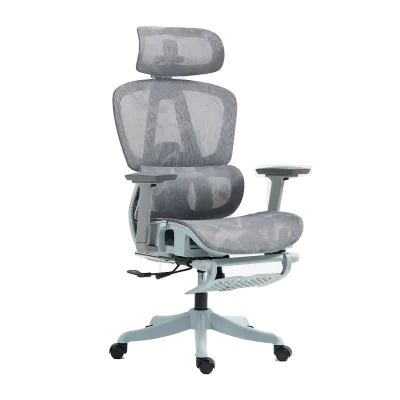
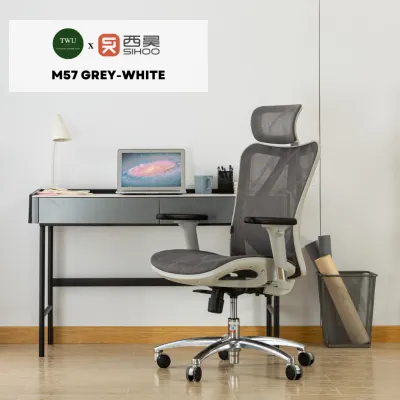
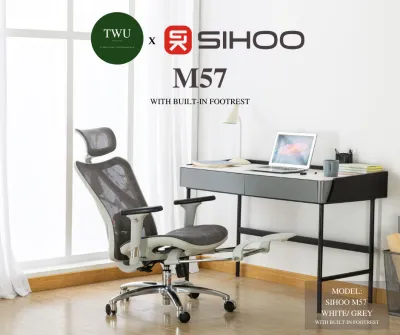
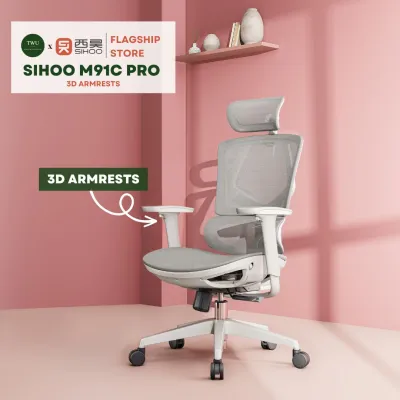
Prices are valid at publication and may change. Please refer to the product page for the latest price.
To make an informed investment, you must evaluate how the EF100’s specific design elements stack up against competing models. The following sections provide a detailed framework to help you verify these features, assess build quality, and choose the correct chair for your daily workflow.
Key Features to Compare in the ₱3K-₱15K Price Range
Lumbar and Armrest Adjustability
Within the ₱3,000 to ₱15,000 range, ergonomic chairs display a wide variation in adjustment capabilities. Lumbar support is the foundation of any ergonomic design, but its execution ranges from basic fixed plastic bands to dynamic, height-adjustable, or depth-adjustable systems. Fixed lumbar supports are rarely ideal because they assume a one-size-fits-all spinal curve, whereas adjustable systems allow you to align the support directly with your lumbar spine.
Armrests also vary significantly in this price bracket, moving from simple fixed armrests to multi-directional (1D, 2D, 3D, or 4D) options. 1D armrests adjust only for height, while 2D adds rotation, 3D adds forward and backward sliding, and 4D introduces lateral width adjustments. If you spend long hours typing or using a mouse, having at least 2D or 3D armrests is crucial to keep your shoulders relaxed and prevent wrist strain.
Seat depth adjustment, often referred to as a seat slider, is another premium feature that occasionally appears at the higher end of this budget tier. A seat slider allows you to move the seat pan forward or backward relative to the backrest. This adjustment ensures that taller users get adequate thigh support without cutting off circulation behind the knees, while shorter users can sit fully back against the lumbar support.
Mesh vs. Foam in Tropical Climates
The warm, humid climate of the Philippines makes material selection a critical factor in your long-term comfort. Full-mesh chairs, which feature mesh on both the backrest and the seat pan, offer maximum breathability and heat dissipation. This design is highly advantageous if you work in a non-air-conditioned room or want to minimize your reliance on cooling appliances during hot afternoons.
However, mesh seats present a distinct trade-off in terms of support and durability. Cheap mesh can stretch and sag over time, causing your pelvis to sink into the frame and create uncomfortable pressure points on your thighs. Additionally, the frame edges of a mesh seat are often hard and can restrict blood flow if your body does not fit the seat width perfectly.
High-density molded foam cushions offer a more traditional, contoured feel that distributes your weight evenly across the seat. High-density foam retains its shape much longer than low-density cut foam, which is prone to bottoming out within a few months of daily use. The downside of foam is heat retention; even with breathable fabric covers, foam seats will trap body heat and may cause sweating during extended sitting sessions in tropical conditions.
Recline and Synchro-Tilt Mechanisms
The mechanism beneath the seat pan determines how the chair moves when you lean back. Entry-level models in the lower end of the ₱3K-₱15K range often use a basic center-tilt or knee-tilt mechanism. These designs cause the seat pan to tilt upward at the same angle as the backrest, which lifts your feet off the floor and places pressure on the undersides of your thighs.
A multi-function lock mechanism allows you to tilt the chair and lock it at various angles, providing flexibility when switching between active typing and relaxed reading. This is a significant upgrade over basic tilt-locks that only lock in the upright position.
For optimal ergonomics, look for a synchro-tilt mechanism, which is common in premium chairs closer to the ₱15,000 mark. Synchro-tilt designs allow the backrest to recline at a faster rate than the seat pan (typically a 2:1 ratio). This movement keeps your feet flat on the floor and maintains proper spinal alignment, preventing your lower back from stretching uncomfortably as you lean back.
Base Materials and Floor-Safe Casters
The base of the chair is the foundation of its stability and load capacity. In this price range, you will typically find bases made of heavy-duty nylon, powder-coated steel, or polished aluminum alloy. While nylon bases are lightweight and resistant to corrosion in humid environments, they must be thick and reinforced with internal ribbing to prevent flexing under heavy loads.
Aluminum alloy bases offer superior structural strength and a premium aesthetic, making them highly desirable if you are approaching the upper limit of the chair’s weight capacity. Steel bases are incredibly strong but can be prone to rusting over time if the protective powder coating is chipped or exposed to high humidity.
Caster selection is equally important to protect your home office flooring. Hard nylon casters are standard on most budget chairs and work well on low-pile carpets, but they can easily scratch hardwood, vinyl, or laminate flooring. If your workspace has hard floors, look for chairs equipped with polyurethane (PU) or rubber-coated casters, which glide quietly and prevent surface damage.
EF100 Specification Checklist: What to Verify Before Buying
Verifying Gas Lift Safety Certifications
The gas lift cylinder is the most critical safety component of an ergonomic chair, as it manages height adjustments and supports your entire weight. When researching the EF100 or its competitors, you must verify the class rating of the gas lift cylinder. Reputable manufacturers use Class 3 or Class 4 gas lifts, which feature thicker steel walls and superior pressure seals compared to cheap Class 1 or Class 2 alternatives.

Class 4 gas lifts are highly recommended for adult users, as they are designed to handle higher weight capacities and offer smoother height transitions over years of use. Do not rely solely on vague product descriptions on online marketplaces; look for official certification markings from testing bodies like SGS or TÜV on the cylinder itself. If the seller cannot confirm the gas lift class or certification, treat it as a significant quality risk.
Sizing Up Seat Dimensions and True Weight Capacity
Marketing materials often claim a generic weight capacity, such as “supports up to 150 kg,” but this does not guarantee the chair will be comfortable or safe for daily use at that limit. You must cross-reference the manufacturer’s physical dimensions with your own body measurements. Measure your current comfortable seat height, seat width, and the distance from your lower back to the back of your knees.
Pay close attention to the width of the seat pan and the height of the backrest. If you are taller than average, a backrest that is too short will position the lumbar support and headrest incorrectly, leading to neck and shoulder strain. Conversely, if you are shorter, a seat pan that is too deep will prevent your back from reaching the lumbar support without the front edge of the seat digging into your calves.
Compare the finished dimensions of the chair with your desk height and the clearance of your workspace doorway or lift access. If you have a compact desk with fixed drawers, ensure the chair’s armrests can lower sufficiently to slide underneath the desk when not in use. This simple check prevents you from sitting too far from your keyboard and straining your arms.
Navigating Local Warranties and Authorized Sellers
Buying an ergonomic chair on local e-commerce platforms requires careful vetting of the seller’s authenticity and warranty policies. Many low-cost options in the ₱3K-₱15K range are sold by third-party importers who may not offer reliable after-sales support. Look for authorized distributors or official flagship stores that explicitly outline their warranty terms in the Philippines.
A robust warranty should cover moving parts, such as the gas lift, tilt mechanism, and armrests, for at least one to three years. Be wary of warranties that only cover the metal frame, as the frame is the least likely component to fail under normal use. Verify whether the seller requires you to ship the heavy chair back at your own expense for repairs, or if they provide local replacement parts that you can easily install at home.
How to Judge Build Quality and Long-Term Value
Evaluating Frame Joints and Plastic Molding
When you first assemble or inspect an ergonomic chair, take a close look at the quality of the plastic components and frame joints. High-quality chairs use glass-fiber reinforced nylon for their structural frames, which feels solid and does not flex excessively when you apply pressure. Inspect the edges of the plastic parts; they should be smooth and free of sharp flashing or rough seams left by cheap molding processes.
Examine the metal joints and welding points beneath the seat pan where the mechanism attaches to the frame. Clean, consistent welds indicate good manufacturing standards, whereas sloppy, uneven welds are prone to cracking under repeated stress. Tighten all assembly bolts securely during setup, and check them periodically to ensure they do not back out due to the vibrations of daily movement.
Spotting Early Signs of Mesh and Foam Degradation
The longevity of your chair’s seating surface directly impacts its long-term value. To evaluate mesh quality, press your hand firmly into the center of the mesh seat or backrest and observe how quickly it snaps back into place. High-quality elastomeric mesh feels firm, supportive, and immediately recovers its tension, whereas low-grade polyester mesh feels soft, fabric-like, and will quickly stretch out, leading to sagging.
If you choose a foam-cushioned model, ask the seller if the seat uses high-density molded foam or standard cut foam. Molded foam is shaped in a dedicated mold and features a skin-like outer layer that helps it retain its elasticity for years. Cut foam is simply sliced from a large block of polyurethane foam and tends to lose its loft and compress permanently within a few months, leaving you sitting directly on the hard wooden or plastic seat base.
Calculating the Total Cost of Ownership
It is easy to be tempted by the lowest price tag, but a cheaper chair that needs replacement after a year is far more expensive than a slightly pricier model that lasts for five years. Calculate the true value of your purchase by dividing the retail price by the warranty period or expected lifespan. A ₱12,000 chair with a solid three-year warranty costs roughly ₱11 per day of guaranteed use, while a ₱4,000 chair with no warranty that breaks in six months costs over ₱22 per day.
Additionally, consider the availability of replacement parts. Reputable brands often sell individual components, such as replacement casters, gas lifts, or armrest pads, allowing you to repair your chair instead of discarding the entire unit if a single part wears out. This modularity significantly extends the usability of your investment and reduces environmental waste.
Final Verdict: When to Choose the EF100 vs. Competitors
Who Should Opt for the EF100?
The EF100 is an excellent choice for users of average height and build who prioritize thermal comfort in warm, humid environments. Its breathable mesh design and targeted lumbar support make it highly suitable for home offices in the Philippines where air conditioning is used sparingly. If your daily routine involves long hours of focused typing and you prefer a responsive, firm seating surface that encourages an upright posture, the EF100 offers strong value within its price tier.
When to Look for an Alternative Model
You should look for alternative models if your body measurements fall outside the average range, or if you require specific ergonomic adjustments. Taller or heavier individuals should seek chairs with certified Class 4 gas lifts, wider seat pans, and higher backrests to ensure adequate support and safety. If you prefer a plush, highly cushioned seat that allows you to sit cross-legged, a model featuring a high-density molded foam seat cushion will serve you much better than the EF100’s mesh seat.
Crucial Pre-Purchase Marketplace Checks
Before finalizing your purchase on any online marketplace, perform a thorough check of the seller’s return policy and customer feedback. Ensure that the return policy covers assembly defects, shipping damage, or incorrect parts, as returning a fully assembled or heavy chair can be incredibly difficult. Read user reviews specifically looking for mentions of long-term durability, ease of assembly, and how responsive the seller is when handling warranty claims or missing hardware.
Frequently Asked Questions (FAQ)
How long do ergonomic chairs in the ₱3K-₱15K range typically last?
Ergonomic chairs in the ₱3,000 to ₱15,000 price range typically last between three to five years under normal daily use. The actual lifespan depends heavily on the quality of the materials, the weight of the user, and how well the chair is maintained. To maximize your chair’s lifespan, wipe down the frame and mesh regularly to remove sweat salts, vacuum any foam cushions, and tighten the structural bolts every six months to prevent joint wear.
Is a headrest necessary for an ergonomic office chair?
A headrest is not strictly necessary for everyone and is primarily beneficial if you frequently recline during your workday to read, watch videos, or rest. It provides essential neck support for taller individuals whose heads extend far above the backrest. However, if you sit upright and actively type for the majority of your day, your head naturally stays aligned over your spine, making a headrest largely redundant and sometimes even counterproductive if it pushes your head forward.
Community discussion
Share your experience or ask a question. Comments are reviewed before publication.