
Creating a sophisticated living room begins with the focal point of the seating area: the coffee table. A thoughtful home center table decoration elegant arrangement does more than simply fill empty space; it sets the tone for the entire room, reflecting personal taste while welcoming guests. Elevating this central surface requires a curation of high-quality pieces that balance form and function. By combining structured foundations, varying heights, and rich textures, you can transform an ordinary tabletop into an artistic display that feels both luxurious and lived-in.
In Philippine homes, where the living room serves as a vibrant hub for family gatherings and entertaining guests, center table decor must be both beautiful and resilient. Achieving a sophisticated look is not about overcrowding the surface with expensive ornaments, but rather about selecting a few meaningful, well-crafted items. The key lies in understanding how these objects interact with each other and the surrounding furniture, ensuring the final composition feels intentional, balanced, and effortlessly elegant.
Foundational Rules for a Sophisticated Center Table
To design an elegant center table, you must first strike a harmonious balance between aesthetic styling and practical utility. A common mistake is treating the table purely as a display stage, leaving no room for daily life. A sophisticated setup always preserves functional surface space, ensuring there is ample room to place a cup of tea, a glass of water, or a small serving plate when hosting guests. If visitors feel hesitant to use the table because they fear knocking over an ornament, the arrangement has compromised the room’s comfort.
Products mentioned in this guide
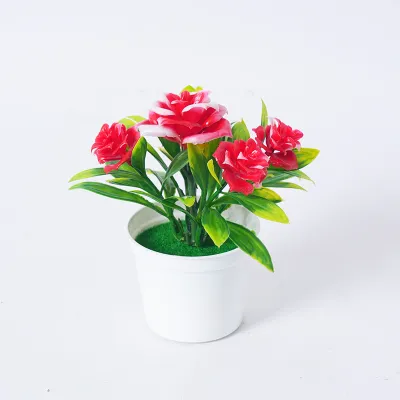
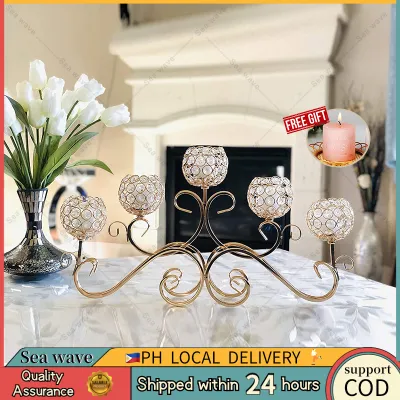
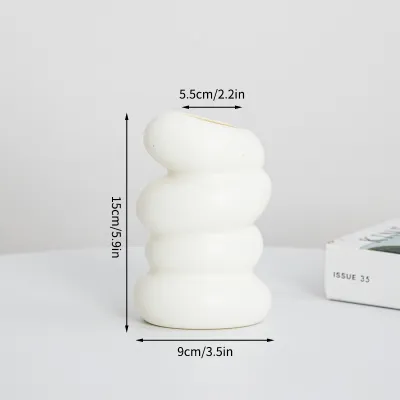
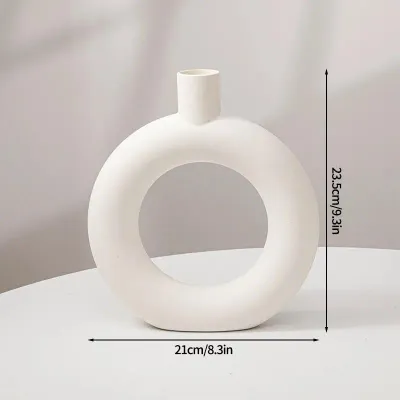
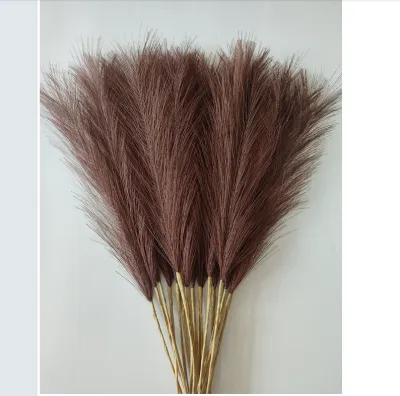
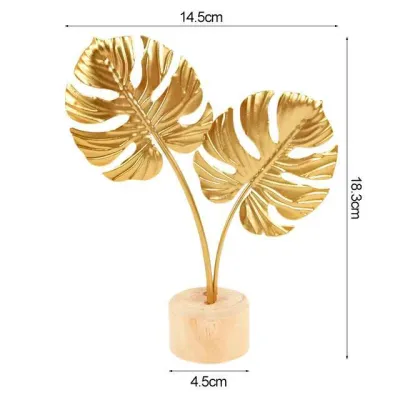
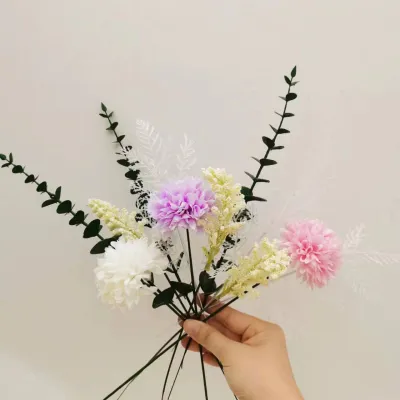
Prices are valid at publication and may change. Please refer to the product page for the latest price.
Visual weight is another crucial concept to master when arranging your decor. Every object on the table possesses a certain level of visual presence determined by its size, color, material, and shape. For instance, a solid black marble tray feels much heavier than a clear glass vase of the same dimensions. To prevent the table from looking lopsided, distribute this visual weight evenly across the surface. You can pair a visually heavy item on one side with a grouping of lighter, delicate items on the other to maintain equilibrium.
Negative space, or the empty area surrounding your decor pieces, is the secret weapon of professional interior designers. Without negative space, even the most beautiful collection of objects will look cluttered and chaotic. Leaving portions of the table surface entirely bare allows the eye to rest and appreciate the individual beauty of each styled piece. Think of negative space as the frame around a painting; it defines the boundaries and highlights the artistry within, ensuring your center table remains a sophisticated focal point rather than a crowded shelf.
Essential Decor Categories to Elevate Your Living Room
Transforming your living space requires a deliberate selection of decorative elements that serve distinct visual purposes. Rather than gathering random trinkets, focus on key categories of decor that work together to build layers of interest. By understanding the unique role of each category, you can curate a collection that feels cohesive, balanced, and tailored to your home’s unique style.

Decorative Trays and Bowls
Decorative trays and shallow bowls serve as the ultimate foundational anchors for any center table arrangement. Without a tray, small items scattered across a large table can look disorganized and accidental. Placing these items inside a tray instantly groups them, signaling to the eye that they belong together as a single, curated display. This simple act of organization brings immediate structure and order to the tabletop, which is essential for achieving a polished, high-end aesthetic.
When selecting a tray, look for materials that exude quality and sophistication. Brushed brass, polished marble, lacquered wood, and fine ceramic are excellent choices that instantly elevate the surrounding space. The texture of the tray should contrast beautifully with the table itself; for example, a sleek marble tray looks stunning on a warm wooden table, while a rich wooden or textured brass tray adds warmth to a glass or stone surface.
Sizing is critical when choosing your foundational tray. As a general rule, the tray should occupy no more than one-third of the table’s total surface area. A tray that is too large will overwhelm the table and leave little room for other elements, while a tray that is too small will look lost and insignificant. Ensure the tray is large enough to comfortably corral your everyday essentials, such as remote controls, coasters, or a small dish for keys, keeping them tidy and out of sight.
Statement Vases and Sculptural Objects
To prevent your center table from looking flat and uninspired, you must introduce vertical interest and artistic flair. Statement vases and unique sculptural objects are perfect for drawing the eye upward, creating a dynamic visual flow within the room. These pieces act as the sculptural anchors of your display, adding height and an artistic silhouette that breaks up the horizontal lines of the table and surrounding sofas.
When choosing a vase, pay close attention to its height and scale. It is vital to select a piece that is tall enough to make an impact but low enough to preserve clear sightlines across the living room. A vase that is too tall will block views and hinder conversation between guests seated on opposite sides of the room. Aim for a height that allows for comfortable eye contact, keeping the overall arrangement inviting and socially friendly.
Opt for elegant, tactile materials that catch the light beautifully. Ribbed glass, matte ceramics, terracotta, and polished stone offer exquisite textures that feel sophisticated to both the eye and the touch. A translucent glass vase can keep a space feeling light and airy, while a heavy, matte ceramic vase brings a grounded, earthy elegance to the room.
Styling your vase does not require elaborate, colorful floral arrangements, which can sometimes look dated or overly busy. Instead, opt for a minimalist approach. A single, dramatic monstera leaf, a few stems of eucalyptus, or high-quality dried botanicals can create a striking, modern look. Alternatively, a beautifully crafted sculptural vase can easily stand alone as an empty art piece, showcasing its form and material without any floral filler.
Coffee Table Books
Large-format coffee table books are indispensable tools for adding texture, color, and personal curation to a living room. More than just reading material, these books serve as decorative blocks that introduce graphic interest and showcase your personal passions, whether they lie in architecture, travel, fashion, photography, or culinary arts. They immediately signal to guests what inspires you, making the space feel deeply personal and sophisticated.
Select books with high-quality, visually striking covers and spines. Look for hardbound books with linen textures, embossed lettering, or beautiful cover photography that complements the color palette of your living room. If the dust jackets are too bright or distracting, consider removing them to reveal the elegant, understated cloth or hardback bindings underneath.
Stacking is the primary technique used to style coffee table books. Create a horizontal stack of two to three books, placing the largest, heaviest book at the bottom and the smallest on top to form a stable, pyramid-like structure. This stacking method creates varying levels on your table, allowing you to use the flat top book as an elegant riser or platform to display smaller decorative objects, such as a brass magnifying glass, a crystal, or a small candle.
Candles and Ambient Accent Pieces
Incorporating warmth and subtle luxury into your living room is easily achieved through ambient lighting and small, curated accents. Candles are excellent for creating a cozy, inviting atmosphere, especially during evening gatherings. The gentle flicker of candlelight adds a layer of sensory luxury that makes the entire room feel serene and sophisticated.
For safety and style, house pillar candles or tea lights in elegant hurricane glasses, heavy ceramic holders, or brass lanterns. These containers protect your table surface from dripping wax and shield the flame from gentle drafts. Look for holders with substantial weight and beautiful finishes that look stunning even when the candles are unlit.
When choosing scented candles, opt for high-quality wax blends, such as soy or coconut wax, which burn cleanly and evenly. Select subtle, sophisticated fragrances that enhance rather than overpower the room’s atmosphere. Light, fresh scents like white tea, bamboo, sea salt, or soft woodsy notes are ideal for living spaces, as they provide a gentle background aroma without clashing with food or drinks served in the area.
To complete the arrangement, use small sculptural objects, decorative boxes, or unique travel curios to fill minor gaps. A small marble box is perfect for hiding matches or extra coasters, while a brass geometric object adds a touch of metallic shine. These small accents add character and keep the table from looking too clinical or formulaic.
Practical Styling Formulas for a Cohesive Arrangement
To combine these individual decor pieces into a harmonious display, you can rely on a few proven design formulas. The first and most famous is the “Rule of Three.” In design, groupings of odd numbers—particularly three—are naturally more appealing and memorable to the human eye than even-numbered groupings. A group of three items feels balanced yet dynamic, whereas a pair of items can look too symmetrical and rigid.
To apply this rule, use the layering technique by combining three distinct elements: a tall object, a medium-height object, and a low, wide object. For example, you can pair a tall ceramic vase (tall) with a stack of two coffee table books (medium) and a shallow decorative tray (low and wide). This combination of heights guides the viewer’s eye smoothly across the table, creating a sense of movement and depth.
Mixing textures is equally important to prevent your arrangement from looking flat and uninteresting. Contrast is key to sophisticated design. If your center table is made of polished glass, avoid using only glass decor; instead, pair it with a matte ceramic vase, a linen-bound book, and a brushed metal tray. Combining different finishes—such as glossy, matte, rough, smooth, metallic, and organic—creates a rich, tactile experience that feels layered and professionally styled.
Depending on the shape of your table and the style of your room, you can choose between the grid method and organic clustering:
- The Grid Method: Best suited for rectangular or square tables in formal, symmetrical living rooms. Divide your table mentally into a grid of two, three, or four equal quadrants. Place a distinct group of items within each quadrant, such as a tray in one corner, a book stack in another, and a sculptural bowl in a third. This creates a highly structured, clean, and orderly look.
- Organic Clustering: Ideal for round tables or more relaxed, contemporary spaces. Instead of aligning items to a grid, group your pieces close together near the center of the table in a loose, triangular formation. Leave the surrounding edges of the table completely clear. This method feels more casual, artistic, and modern, while still maintaining a sophisticated balance.
Material Selection and Care for Philippine Homes
When styling a home in the Philippines, environmental factors must play a significant role in your choice of decor materials. The tropical climate brings high humidity, warmth, and seasonal temperature fluctuations, all of which can take a toll on delicate materials. To ensure your center table decor remains elegant and durable over time, it is essential to select materials that can withstand these tropical conditions.
Prioritize materials that are naturally resistant to moisture and humidity. Sealed ceramics, tempered glass, high-quality porcelain, and properly treated hardwoods—such as teak, mahogany, or acacia—are excellent choices. These materials will not warp, crack, or mold when exposed to humid air. If you love the look of natural wood, ensure it has been treated with a moisture-resistant sealant to protect its fibers from dampness.
Conversely, be cautious when using untreated metals, such as raw iron or cheap plating, which can quickly tarnish, rust, or discolor in humid environments. If you wish to incorporate metallic accents, opt for high-quality brushed brass, stainless steel, or anodized aluminum, which are far more resistant to corrosion. Additionally, avoid unsealed, highly porous stones like raw travertine or concrete for items that might hold water or cold drinks, as they can easily absorb moisture and develop permanent water stains.
Before purchasing any decor piece, check the manufacturer’s care labels and instructions for specific cleaning and moisture-sensitivity guidelines. If a valued item has conflicting care instructions or is made of an unidentified delicate material, consult a professional restorer or the manufacturer directly to prevent accidental damage during cleaning.
To keep your center table looking pristine, establish a gentle, regular maintenance routine. Dust your decorative pieces at least once a week using a soft, dry microfiber cloth, which attracts dust particles without scratching delicate surfaces. Avoid using harsh chemical cleaners, bleach, or abrasive scrubs, as these can strip away protective sealants, dull polished stone, or tarnish metallic finishes. For glass or ceramic pieces, a simple wipe with a slightly damp cloth followed by a dry microfiber buffing is usually all that is needed to restore their original, elegant shine. To protect your table surface from scratches and moisture rings, apply small felt pads to the bottom of heavy trays, vases, and bowls, and always provide coasters for guests’ drinks.
Frequently Asked Questions (FAQ)
How much of the center table surface should be covered by decor?
To maintain a sophisticated and functional living room, aim to leave at least 30% to 50% of your center table surface completely clear. Overcrowding the table with decor makes the room feel cramped and reduces the table’s usability. Keeping a generous portion of the surface empty ensures there is always room for daily activities, such as setting down a glass, resting a book, or serving light snacks to guests, allowing your carefully chosen decor to stand out without causing inconvenience.
Can I use artificial plants or flowers for an elegant look?
Yes, you can use artificial botanicals, but quality is paramount. To maintain a sophisticated aesthetic, choose high-quality silk florals or realistic preserved stems that closely mimic the texture, color variations, and natural drape of live plants. Avoid cheap, shiny plastic varieties that look artificial under living room lighting. For the best results, use faux botanicals sparingly as subtle accents rather than dominant focal points, or opt for a single, realistic green leaf in a beautiful vase for a clean, modern tropical look.
Community discussion
Share your experience or ask a question. Comments are reviewed before publication.