
Finding a comfortable chair is essential when you spend several hours each day working or studying at a desk. In the Philippine market, the options for ergonomic seating are vast, ranging from basic entry-level models to highly sophisticated imports. Navigating this landscape requires balancing your physical needs with a realistic understanding of what different price points actually deliver. At ₱3,000, ₱7,000, and ₱15,000, the definition of a comfortable chair changes dramatically in terms of adjustability, material quality, and long-term durability. This guide breaks down what you can realistically expect at each budget level so you can make an informed investment.
Setting Realistic Expectations for Your Comfortable Chair Budget
The concept of a comfortable chair is highly subjective because it depends heavily on your unique body proportions, daily sitting habits, and existing physical pain points. What feels supportive to one person might feel restrictive or inadequate to another. When shopping for ergonomic furniture, it is important to understand that a larger budget does not simply purchase a “softer” seat cushion. In fact, overly soft cushions can often lead to poor posture and increased spinal fatigue over long periods.
Instead, higher price tiers primarily buy better weight distribution, more precise adjustability, and superior structural integrity. A well-designed chair aims to keep your body in a neutral posture, reducing strain on your spine, neck, and shoulders. As you move up from ₱3,000 to ₱15,000, you are investing in the engineering required to customize the chair to your specific frame.
Products mentioned in this guide
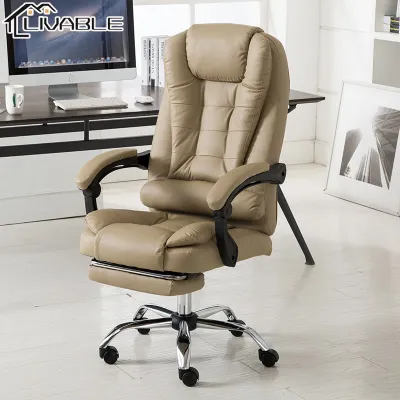
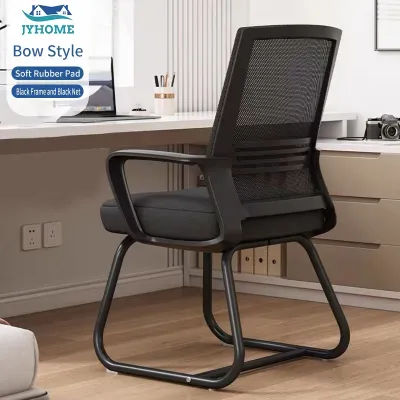
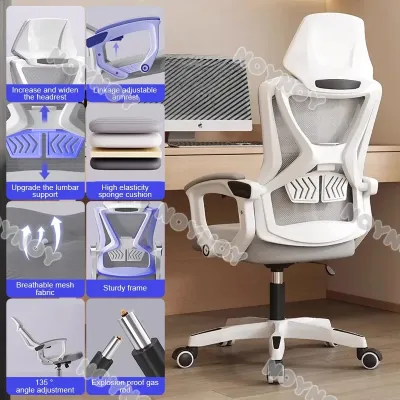
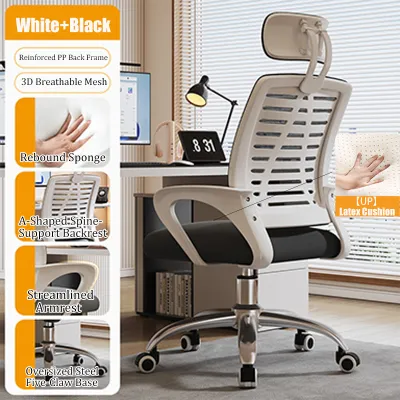
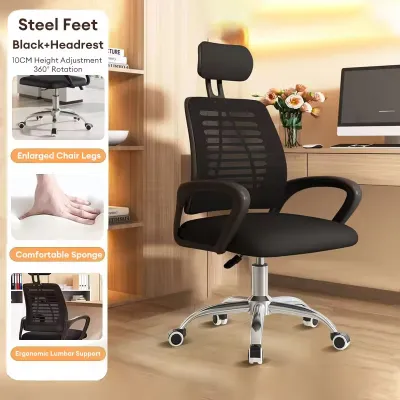
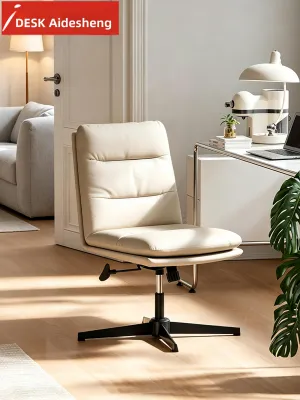
Prices are valid at publication and may change. Please refer to the product page for the latest price.
Understanding the realistic trade-offs at each budget level is the first step toward a satisfying purchase. By aligning your daily usage patterns with the capabilities of each tier, you can avoid both overspending on unnecessary features and underspending on a chair that fails to support you.
The ₱3,000 Tier: Basic Support and Entry-Level Features
Comfort and Adjustability
At the ₱3,000 price point, you can expect basic, entry-level ergonomic features designed for general use. Adjustability at this tier is typically limited to seat height, controlled by a standard pneumatic gas lift, and a basic tilt mechanism. The armrests are almost always fixed to the frame or offer only simple height adjustments, which may limit your ability to align them perfectly with your desk height.

Lumbar support in this budget range is generally static, consisting of a fixed plastic curve molded into the backrest frame or a basic sliding cushion. This means you cannot adjust the depth or height of the support to match the natural curve of your lower spine. Additionally, the recline mechanism is usually a simple tilt-lock system with a single upright locking position and a manual tension knob, rather than a synchronized tilt that maintains proper body alignment as you lean back.
Build Quality and Materials
Chairs in the ₱3,000 tier typically utilize standard polyurethane (PU) foam for the seat cushion and basic polyester mesh for the backrest. While these materials provide initial comfort, standard PU foam tends to lose its resilience and compress permanently over a few months of heavy daily use. In the hot and humid climate of the Philippines, basic polyester mesh may also stretch out faster, reducing the tension required to support your back.
When evaluating the build quality at this price, it is crucial to look past marketing claims and check the manufacturer’s stated weight capacity, which often ranges between 80kg and 100kg. The base is usually constructed from reinforced nylon or thin steel; you should inspect the joints and finish for any signs of weak welding or rough plastic edges. To ensure basic safety and stability, verify that the chair uses at least a Class 3 gas lift cylinder, which is standard for entry-level office furniture.
Ideal Use Cases and Limitations
This budget tier is best suited for short-duration daily use, such as a home study setup where you sit for under four hours at a time. It also serves well as a secondary seating option in guest rooms or temporary workspaces.
The primary limitations of a ₱3,000 chair stem from its material durability and lack of customization. Over time, the rapid degradation of the seat foam can lead to “bottoming out,” where you feel the hard plastic or wood base beneath the cushion. The limited breathability of lower-end fabrics can also cause heat buildup during warm afternoons, and the lack of precise lumbar and armrest adjustments can contribute to physical fatigue during extended typing sessions.
The ₱7,000 Tier: The Sweet Spot for Adjustability and Durability
Comfort and Adjustability
Stepping up to the ₱7,000 tier introduces significant ergonomic upgrades that allow for a much more customized seating experience. At this mid-range level, you will commonly find 2D or 3D adjustable armrests, which allow you to adjust the height, angle, and sometimes the depth to support your elbows and relieve shoulder tension.
This tier also introduces adjustable lumbar support, enabling you to shift the lumbar pad vertically or adjust its depth to target your lower back precisely. Many models in this range feature a seat depth slider, a critical adjustment that allows you to slide the seat pan forward or backward. This ensures that taller users get adequate thigh support while shorter users can sit fully against the backrest without the seat edge pressing into the back of their knees. The recline mechanisms are also smoother, offering multi-position locking and more responsive tension control.
Build Quality and Materials
The build quality at ₱7,000 is a noticeable step up, characterized by the use of high-density molded foam for the seat cushion. Unlike cut polyurethane foam, molded foam is engineered to retain its shape and supportive properties over years of continuous use. The mesh used on the backrest is typically a high-tension, resilient elastomeric blend that provides firm support and maintains its tension without sagging, even in high-humidity environments.
Structural components are also more robust, often featuring heavy-duty reinforced nylon or polished aluminum bases. The casters are designed for smoother rolling with less friction, which reduces wear on your flooring. When buying in this range, look for manufacturers that offer explicit warranties (typically 1 to 3 years) covering the gas lift, caster wheels, and reclining mechanisms, as this is a strong indicator of structural reliability.
Ideal Use Cases and Limitations
The ₱7,000 tier is the ideal choice for professionals, remote workers, and students who require a reliable chair for standard full-time daily work (6 to 8 hours). It offers the necessary adjustments to prevent fatigue and support healthy posture throughout a standard workday.
However, there are still some limitations to keep in mind. While highly adjustable, the mechanical adjustments (such as sliding the seat or adjusting the armrests) may not feel as silky smooth or perfectly balanced as those on premium models. There may be minor play or wobble in the armrests, and the mesh material, though durable, may lack the ultra-soft, non-abrasive texture found on imported high-end ergonomic chairs.
The ₱15,000 Tier: Premium Materials and Advanced Ergonomics
Comfort and Adjustability
At the ₱15,000 price point, you are investing in advanced ergonomic engineering designed to maximize comfort during long, demanding workdays. The hallmark of this tier is the synchronized tilt mechanism, which automatically reclines the seat pan at an optimal ratio (usually 1:2 or 1:3) relative to the backrest. This keeps your feet flat on the floor and maintains proper spinal alignment as you shift postures.
Many premium chairs at this level also feature dynamic lumbar tracking, where the lumbar support automatically pivots and adjusts its tension as you move, ensuring continuous support whether you are sitting upright or reclining. The armrests are highly customizable 3D or 4D units, allowing for precise height, width, depth, and angle adjustments. These advanced features reduce localized pressure points and encourage subtle micro-movements, which help maintain healthy blood circulation and reduce muscle stiffness over long hours.
Build Quality and Materials
The structural build of a ₱15,000 chair is designed for exceptional longevity, featuring heavy-duty aluminum alloy frames, precision-engineered metal joints, and high-performance components. The mesh used is a premium, breathable elastomeric material that offers a soft, non-abrasive texture while maintaining high-tension support that will not sag over years of use.
Upholstery materials at this level are highly durable and resistant to wear, and the seat frame is designed to distribute body weight evenly across the entire surface. At this price point, you should expect comprehensive manufacturer warranties that often cover specific moving parts, the frame, and the gas lift for five years or more. Always verify the exact warranty terms, coverage exclusions, and the claim process directly with the official brand store or authorized distributor before finalizing your purchase.
Ideal Use Cases and Limitations
This premium tier is designed for heavy, prolonged daily use (8+ hours) by remote professionals, software developers, gamers, or anyone with specific ergonomic requirements due to chronic back or neck discomfort. It represents a long-term investment in your physical well-being and productivity.
The primary limitation is the high initial cost, which may not be justifiable if you only use your home office occasionally. Additionally, premium ergonomic chairs are often heavier and have a larger physical footprint. You must ensure that your desk setup, available floor space, and doorways or lift access can comfortably accommodate a larger, more robust chair.
How to Choose the Right Tier for Your Daily Needs
Choosing the right ergonomic chair budget requires a practical assessment of your daily habits, physical dimensions, and workspace constraints. If you spend less than three hours a day at your desk and have no history of back pain, a ₱3,000 chair will likely meet your needs without stretching your budget. However, if you work full-time (6 to 8 hours daily), investing at least ₱7,000 is highly recommended to secure the high-density molded foam and adjustable lumbar support necessary to prevent long-term physical strain.
For those who sit for more than eight hours a day, or who suffer from chronic back, neck, or shoulder fatigue, the ₱15,000 tier offers the advanced synchronized tilt and dynamic support needed to manage these pain points. Taller, shorter, or heavier individuals should also lean toward the mid-to-high tiers, as the adjustable seat depth and higher weight capacities of these models are essential for finding a safe and comfortable fit.
Before making a decision, always measure your workspace carefully. Check your desk height and the under-desk clearance to ensure the chair’s armrests can slide underneath when not in use. Measure your available floor space to ensure the chair’s base has room to rotate freely, and verify that your doorways or apartment lifts are wide enough to accommodate the delivery of a fully assembled or large flat-pack box.
Verifying Total Costs and Warranty Terms Before You Buy
When purchasing an ergonomic chair, especially from online marketplaces or direct-from-manufacturer channels, it is important to factor in the total cost of ownership. Heavy furniture items often incur substantial shipping and delivery fees, which can vary significantly depending on your location in the Philippines. Be sure to confirm the final delivery charge at checkout so there are no surprises.
You should also verify the assembly requirements of the chair. Some models arrive fully assembled, which is convenient but may require more effort to move through tight doorways or up stairwells. Other models are delivered flat-packed and require self-assembly; check if the necessary tools are included in the package or if you will need your own.
Finally, carefully review the seller’s return policy and warranty terms. Some retailers allow a “comfort testing” period during which you can return the chair if it does not suit your body, while others only accept returns for manufacturing defects. Confirming the exact warranty coverage for moving parts like the gas lift and reclining mechanism will protect your investment and ensure long-term peace of mind.
Community discussion
Share your experience or ask a question. Comments are reviewed before publication.