
Setting Realistic Expectations for Your Chair for Room Budget
Finding the right chair for room setups in the Philippines is a balance of comfort, space, and budget. With the rise of remote work and home study spaces, navigating online marketplaces can be overwhelming due to varying prices and marketing terms. Establishing a clear budget—specifically looking at what is realistic at the ₱3,000, ₱8,000, and ₱15,000 price points—helps manage expectations.
Prices on e-commerce platforms fluctuate due to promotional sales, flash deals, and shipping fees. Therefore, focusing on the actual mechanical features and material grades available at each threshold is the most reliable way to make an informed decision. Ultimately, a chair for room use must fit both your physical workspace and your unique body proportions, making functional adjustability and precise dimension checks far more crucial than aesthetic extras.
The ₱3,000 Tier: Basic Support and Essential Adjustments
At the entry-level budget of approximately ₱3,000, buyers can expect basic support and essential adjustments. This tier is designed for casual or short-duration sitting, making it suitable for student desks or secondary rooms where the chair is not occupied for eight or more hours a day.
Products mentioned in this guide
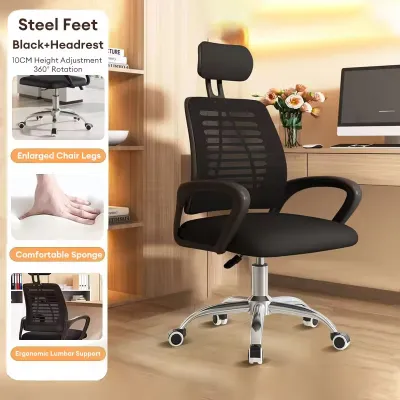
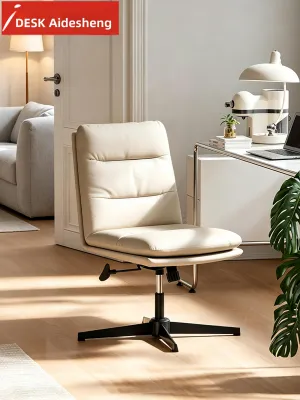
Prices are valid at publication and may change. Please refer to the product page for the latest price.

Materials at this price point typically consist of basic mesh backrests and standard fabric-covered foam seats. While mesh is generally suitable for the humid Philippine climate due to its breathability, lower-tier mesh is prone to sagging over time as the tension fibers stretch under regular use. The seat cushion usually utilizes low-density cut foam, which may flatten after a few months of continuous sitting, reducing the overall cushioning effect and increasing pressure on your tailbone.
Adjustability features are highly standardized in this tier. You will find a basic gas lift for seat height adjustment, fixed or 1D (height-only) armrests, and a simple tilt tension knob underneath the seat. The tilt mechanism is usually a basic single-point tilt that only locks in the upright position, meaning you cannot lock the chair at a reclined angle.
Compromises are inevitable at this price. Lumbar support is often fixed or non-adjustable, consisting of a hard plastic band behind the mesh that may not align with your spine’s natural curve. Weight capacities are generally lower, typically rated for up to 80 to 100 kilograms, and the structural joints are often made of lightweight plastic rather than reinforced materials.
Before purchasing a ₱3,000 chair, it is vital to perform a thorough dimension check. Verify the overall height, seat depth, and armrest width to ensure the chair fits your desk clearance and room layout. Since many budget chairs have fixed armrests, they may not slide fully under a standard 75-centimeter-high study desk, taking up valuable floor space when not in use.
The ₱8,000 Tier: Upgraded Materials and Targeted Ergonomics
Stepping up to the mid-range ₱8,000 tier introduces upgraded materials and targeted ergonomic features that offer better comfort and durability for daily use. This is the sweet spot for many professionals who require a reliable chair for full-time remote work.
The most significant material upgrade is the shift to high-density molded foam for the seat cushion. Unlike cheap cut foam, molded foam retains its shape and supportive properties for years, making it highly resilient. The mesh used on the backrest is also tighter and more resilient, resisting the sagging common in budget models. This combination is particularly beneficial in tropical weather, as it maintains airflow while providing consistent, firm support.
Adjustability becomes much more refined at this level. You can expect adjustable lumbar support that can be moved vertically or horizontally to target your lower back. Armrests are typically 2D or 3D, allowing you to adjust not only the height but also the depth and angle to reduce strain on your shoulders and neck. The tilt mechanism is usually upgraded to a multi-function tilt lock, allowing you to lock the backrest at three or four distinct angles.
The structural base and casters also receive notable upgrades. Instead of thin plastic, bases at this price point are made of reinforced nylon or entry-grade aluminum alloys. The casters are smoother and often coated with polyurethane (PU), which glides quietly on hard tile or low-pile carpets without scratching the surface.
When shopping at the ₱8,000 price point, you may need to prioritize your needs. Some models emphasize premium upholstery materials like synthetic leather, while others focus on mechanical adjustment points. For a warm room without continuous air conditioning, prioritizing highly adjustable mesh models over non-breathable synthetic leather is generally the wiser choice for long-term comfort.
The ₱15,000 Tier: Advanced Adjustability and Long-Term Durability
The premium ₱15,000 tier delivers advanced adjustability, superior build quality, and long-term durability designed for extended sitting sessions. This tier is ideal for individuals who spend eight or more hours a day at their desks and view their chair as a long-term investment in their health.
At this budget, chairs feature advanced ergonomic mechanisms such as synchronized tilt, where the seat and backrest recline at a synchronized ratio (usually 2:1) to keep your feet flat on the floor and maintain proper spinal alignment. You will also find 4D armrests that adjust in height, depth, width, and angle. Adjustable seat depth is another crucial feature in this tier, allowing you to slide the seat pan forward or backward to accommodate different thigh lengths, preventing pressure behind the knees.
Materials are of a significantly higher grade. Backrests and seats often feature high-tensile elastomeric mesh that distributes body weight evenly, eliminates pressure points, and remains cool throughout the day. The structural frame is heavily reinforced, often utilizing polished aluminum bases and heavy-duty steel mechanisms that undergo rigorous durability testing, such as BIFMA certification.
These chairs are built to support higher weight capacities, often up to 120 to 150 kilograms, with superior stability and minimal wobble in the joints. The gas cylinders are typically Class 4, providing smooth height adjustments and excellent pressure resistance over years of daily operation.
Investing in a ₱15,000 chair translates to long-term value. The advanced adjustability allows you to customize every aspect of the chair to your body, promoting better posture, reducing muscle fatigue, and preventing chronic back pain during long work or study sessions.
Smart Shopping: Verifying Specs and Avoiding Common Pitfalls
When browsing online marketplaces for a chair for room setups, it is crucial to look past vague marketing terms like “ergonomic,” “orthopedic,” or “gaming grade.” Instead, focus on verified specifications.
Create a checklist before finalizing your purchase:
- Exact Dimensions: Check the seat width, seat depth, backrest height, and armrest height to ensure compatibility with your body and desk.
- Weight Capacity: Look for verified weight ratings rather than generic claims, ensuring a safety margin of at least 15 to 20 kilograms above your actual weight.
- Mechanism Type: Confirm whether the chair has a simple tilt, tilt lock, or synchronized tilt mechanism.
- Base Material: Verify if the base is made of nylon, steel, or aluminum, as this directly affects stability and longevity.
Watch out for common traps, such as misleading material descriptions where cheap polyurethane (PU) leather is labeled as “premium leather,” which quickly peels in humid tropical climates. Be aware of return policies; returning a bulky, fully assembled chair because it is uncomfortable can be extremely difficult and costly.
Additionally, factor in shipping fees. Bulky furniture items shipped to provinces outside Metro Manila can incur significant delivery charges that alter your total budget. Finally, verify the warranty terms carefully. Ensure you understand what is covered—reputable sellers should offer at least a one-year warranty on moving parts like the gas lift and tilt mechanism, even if the fabric or mesh has a shorter coverage period.
Frequently Asked Questions (FAQ)
How do I know if an ergonomic chair will fit through my door?
Before ordering, measure the clear width of your door frames and compare them with the chair’s maximum width, which is usually the distance between the outer edges of the armrests. If the chair is delivered fully assembled, ensure the door opening is at least two to three centimeters wider than the chair’s narrowest dimension. For flat-packed chairs, check the boxed dimensions on the product specification sheet to confirm the package can easily pass through hallways, doorways, or elevator lifts.
What is the typical warranty coverage for the gas lift and moving parts?
Warranty coverage varies significantly by seller, brand, and price point in the Philippine market. For entry-level chairs around ₱3,000, warranties are often limited to seven days or may not cover mechanical parts at all. In contrast, mid-range and premium chairs (₱8,000 to ₱15,000) typically offer warranties ranging from one to five years on critical moving parts like the gas lift cylinder, tilt mechanism, and casters. Always check the product listing or contact the seller directly to confirm what parts are covered and whether you will need to bring the chair to a service center for repairs.
Community discussion
Share your experience or ask a question. Comments are reviewed before publication.