
Finding the right chairs for study table setups requires balancing physical comfort with a realistic budget. In the Philippines, where long study sessions often coincide with warm, humid weather, choosing the wrong chair can lead to physical fatigue and premature wear. Understanding what features are realistic at ₱3,000, ₱5,000, ₱10,000, and ₱15,000 allows you to make an informed decision without overpaying for unnecessary extras or settling for a chair that lacks essential support.
At the entry-level ₱3,000 tier, expect basic height adjustments and simple mesh backrests. Moving up to ₱5,000 introduces targeted lumbar support and more robust tilt mechanisms. At the ₱10,000 mark, chairs feature synchronized tilt mechanisms, high-density molded foam, and multi-directional adjustments. Finally, the ₱15,000 premium tier delivers advanced engineering like seat depth sliders and dynamic lumbar tracking. By analyzing these tiers, you can match your daily study habits to the appropriate level of structural support.
Defining Your Budget and Core Study Needs
Before browsing online marketplaces or visiting local showrooms, establish a clear framework for your purchase. The primary goal of an ergonomic chair is to support a neutral sitting posture, keeping your feet flat on the floor, your knees at a 90-degree angle, and your spine in its natural curve. The non-negotiable baselines for any study chair include a reliable pneumatic gas lift for height adjustment, a stable five-star caster base, and a curved backrest that aligns with your lower spine. Without these basic elements, a chair cannot be considered ergonomic, regardless of its price.
Products mentioned in this guide
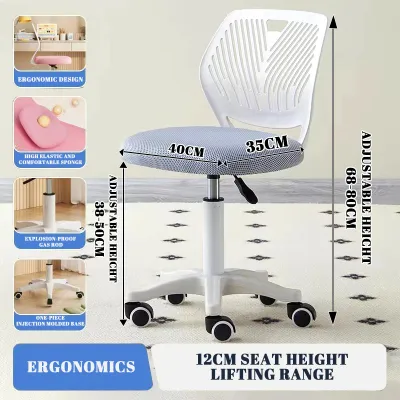
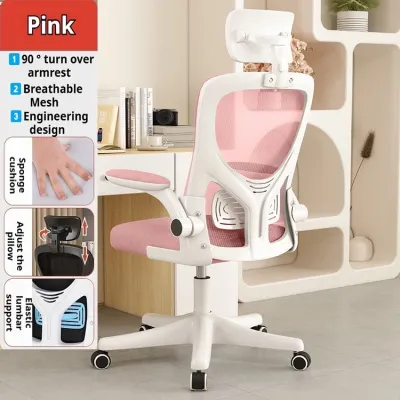
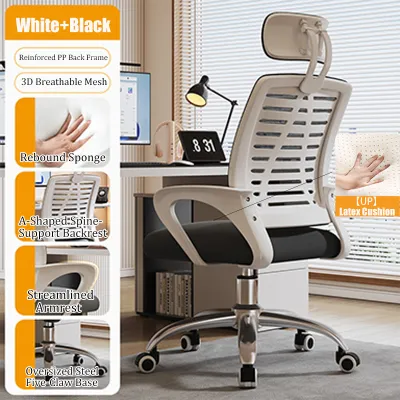
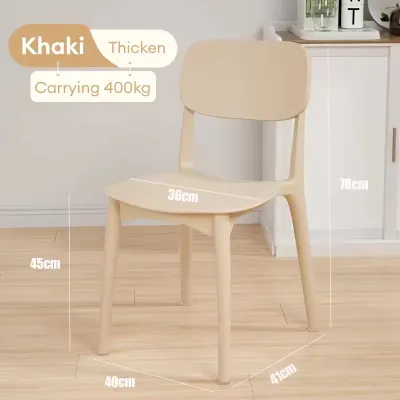
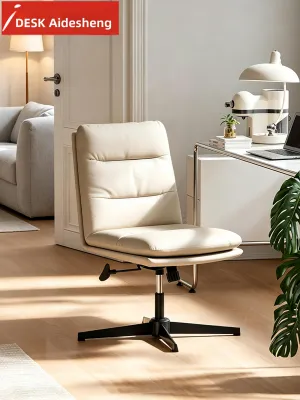
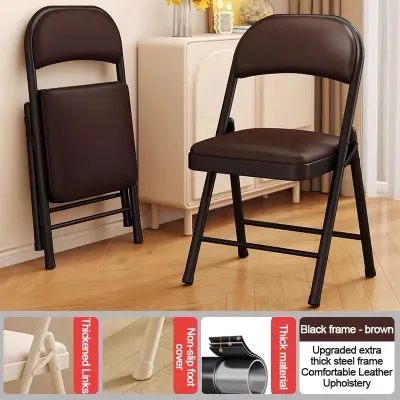
Prices are valid at publication and may change. Please refer to the product page for the latest price.
To determine how much you should spend, evaluate your daily usage patterns. If you study for one to two hours a day, a basic model with essential adjustments will likely suffice. However, if you are preparing for board exams or spending upwards of six hours daily at your desk, investing in advanced adjustments becomes a matter of physical endurance. Additionally, consider your physical build; taller or heavier users require more robust frame materials and specific seat dimensions that are rarely found in entry-level models.
Your existing study table also dictates your chair requirements. A fixed-height desk requires a chair with highly adjustable armrests and seat height to ensure you can work without hunching your shoulders. If your desk has a low clearance or built-in drawers, you must prioritize chairs with flip-up armrests or a highly compact frame.
The ₱3,000 Tier: Basic Support and Essential Adjustments
At the ₱3,000 price point, chairs for study table setups focus on basic utility and essential adjustments. You will typically find a simple pneumatic gas lift for height adjustment and a basic rocking mechanism with a single upright lock. The armrests at this level are almost always fixed to the frame or offer a simple flip-up design to save space. The seat cushion is generally made of standard cut foam, which provides decent initial comfort but may compress permanently over months of heavy daily use.

Material selection at this budget involves clear trade-offs, particularly in a tropical climate. You will encounter basic polyester mesh backrests and polyurethane (PU) leather seats. While PU leather looks sleek initially, it tends to trap heat and sweat, and it can peel rapidly when exposed to high humidity. Basic mesh is highly recommended for Philippine study spaces because it allows continuous airflow, keeping you cool during long afternoon sessions.
When shopping in this entry-level tier, structural integrity must be verified manually. Inspect the product specifications for a certified gas lift, looking for labels indicating compliance with international standards like SGS or BIFMA. Check the base material; at this price, the five-star base is typically made of nylon or heavy-duty plastic rather than metal. Ensure the manufacturer explicitly states the weight capacity, which usually tops out at 90 to 100 kilograms.
The ₱5,000 Tier: Upgraded Materials and Lumbar Focus
Stepping up to the ₱5,000 tier brings a noticeable improvement in targeted lumbar support and material durability. Instead of a static, curved backrest, chairs in this price range often feature adjustable lumbar pads that can be moved vertically to align precisely with your lower back. The mesh used for the backrest is typically of a higher tension, offering firmer support that does not sag easily under pressure. Armrests also receive an upgrade, often featuring soft polyurethane padding rather than hard plastic.
The mechanical components at this level transition from simple rocking to multi-function tilt locks. This allows you to recline the backrest and lock it at several pre-determined angles, which is ideal for switching between active typing and relaxed reading. The seat cushions are frequently thicker and utilize a slightly higher density of foam, extending the lifespan of the seat before it begins to bottom out.
Base stability and caster quality also improve significantly at this price point. You should inspect the caster wheels to determine if they are suitable for your specific flooring. Standard nylon casters work well on thin carpets or plastic chair mats, but they can scratch hardwood, laminate, or delicate tile floors. Look for chairs that specify polyurethane-coated or rubberized casters, which glide quietly and protect hard surfaces.
The ₱10,000 Tier: Advanced Ergonomics and Build Quality
The ₱10,000 budget tier represents the sweet spot for serious students who require advanced ergonomic features and long-term structural reliability. The most significant mechanical upgrade at this level is the synchro-tilt mechanism. Unlike basic tilt mechanisms where the seat and backrest tilt together at the same angle, a synchro-tilt mechanism tilts the backrest at a faster rate than the seat (typically a 2:1 ratio). This keeps your feet flat on the floor and maintains proper circulation in your legs even when you recline.
At this price, you can also expect multi-directional armrests, often referred to as 3D armrests. These can be adjusted for height, slid forward or backward, and angled inward or outward to support your forearms perfectly while typing or writing. The seat cushion is typically made of high-density molded foam, which is poured into a specific mold to create a contoured shape that distributes your weight evenly and resists sagging for years.
When investing ₱10,000, evaluating the warranty terms becomes a critical part of the purchasing process. Reliable manufacturers at this tier offer warranties ranging from one to three years, covering the gas lift cylinder, the tilt mechanism, and the structural frame. Read the fine print to verify if the warranty covers home service or if you must transport the heavy chair to a service center.
The ₱15,000 Tier: Premium Features and Long-Term Durability
At the ₱15,000 tier, you are investing in premium ergonomic engineering designed for maximum adjustability and extended daily use. A key feature at this level is the seat depth slider, which allows you to slide the seat pan forward or backward. This adjustment is crucial for maintaining a two-inch gap between the edge of the seat and the back of your knees, preventing pressure on your thighs and ensuring proper blood flow. You will also find dynamic lumbar tracking systems that automatically pivot and adjust their angle as you shift your posture.
The materials used in this premium tier are engineered for exceptional longevity. Instead of standard mesh, these chairs utilize high-grade elastomeric mesh on both the backrest and the seat. This specialized mesh distributes body weight evenly, eliminates pressure points, and retains its original tension even after years of continuous use in tropical climates. The structural base is typically made of polished aluminum or heavy-duty die-cast metal, providing a solid, wobble-free foundation.
Before finalizing a purchase at this high-value tier, verify the delivery and assembly conditions. These chairs are heavy and often arrive in large, bulky boxes that can be difficult to maneuver through narrow doorways or up stairwells. Check if the retailer offers professional assembly services upon delivery, or if they provide clear, illustrated instructions and the necessary tools for self-assembly. A comprehensive warranty of three to five years is standard at this price point.
Pre-Purchase Verification and Hidden Costs
To avoid costly mistakes when buying chairs for study table setups, you must perform a thorough pre-purchase verification. Begin by measuring your study area carefully. Note the height of your desk from the floor to the underside, the thickness of the desktop, and the width of the knee well. Compare these measurements with the chair’s minimum and maximum seat height, as well as the outer width of the armrests, to ensure the chair can slide fully under the desk when not in use.
Be prepared for hidden costs that can inflate your overall budget. Bulky furniture items often incur significant shipping fees, especially if you reside outside major metropolitan areas in the Philippines. Some online sellers charge extra for professional assembly, while others ship the chair completely disassembled. Additionally, review the return policy carefully; returning a bulky, heavy chair due to a change of mind can result in expensive return shipping fees and restocking penalties.
Finally, learn to identify red flags in product listings. Be skeptical of sellers who use generic stock photos without showing close-up shots of the adjustment levers, the underside mechanism, or the gas lift markings. Vague descriptions like “heavy-duty” or “ergonomic” without specific measurements, material densities, or certification labels often indicate lower-quality imports.
Frequently Asked Questions (FAQ)
How do I know if a study chair will fit under my desk?
To determine if a chair will fit, measure the distance from the floor to the lowest point under your desk, taking into account any drawers or support beams. Next, check the chair’s specifications for its maximum armrest height and overall width. If you want to tuck the chair completely away, the maximum height of the armrests must be at least two centimeters lower than the underside of your desk.
Is a headrest necessary for studying?
A headrest is not strictly necessary if your study routine consists entirely of active, upright tasks like typing, writing, or taking notes, as your head naturally tilts forward away from the backrest. However, if your study sessions involve long periods of reading textbooks, watching video lectures, or reclining to contemplate complex concepts, an adjustable headrest provides valuable neck support and reduces muscle strain.
Community discussion
Share your experience or ask a question. Comments are reviewed before publication.