
Creating a cozy reading corner is a deeply satisfying home project. In tropical climates like the Philippines, choosing the right furniture requires balancing comfort with environmental realities. Heavy, fabric-upholstered armchairs can quickly become heat traps, absorbing sweat and ambient moisture during humid afternoons. This makes easy-to-clean, lightweight plastic chairs an incredibly practical alternative for modern homes.
However, the primary hurdle with plastic is its inherent rigidity. Unlike a plush sofa, a solid plastic surface has no built-in give to cushion your body. To prevent soreness during a long reading session, the chair’s physical shape, molded contours, and structural design must do all the heavy lifting. When selecting a stoll chair plastic model or a molded accent seat, understanding how ergonomic curves support your body is the key to creating a truly comfortable reading retreat.
Core Ergonomic Features for Prolonged Reading
To sit comfortably with a book for hours, your body requires a posture that minimizes muscular effort. A standard upright office chair keeps you alert but can cause fatigue over time, while a deep lounger might make you too drowsy or strain your neck. The ideal reading chair supports a relaxed, semi-reclined posture.
Products mentioned in this guide
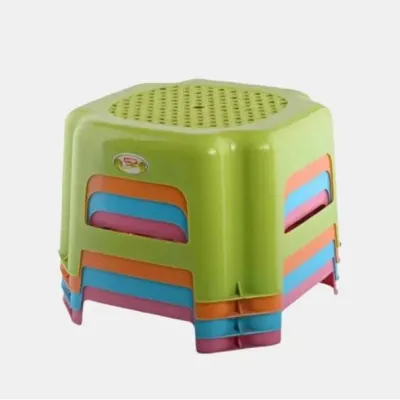
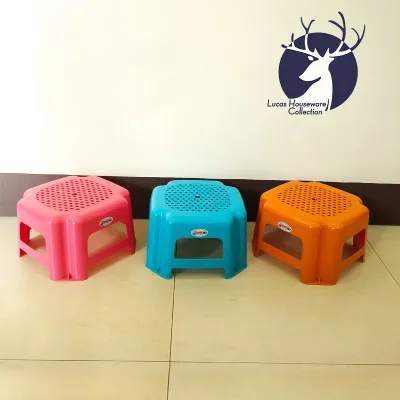
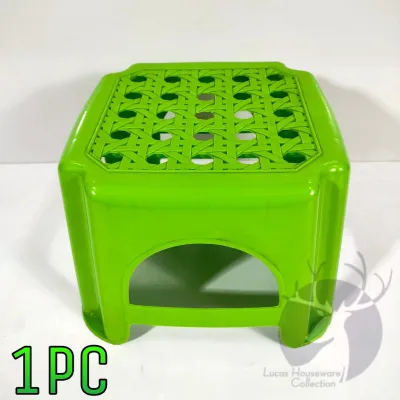
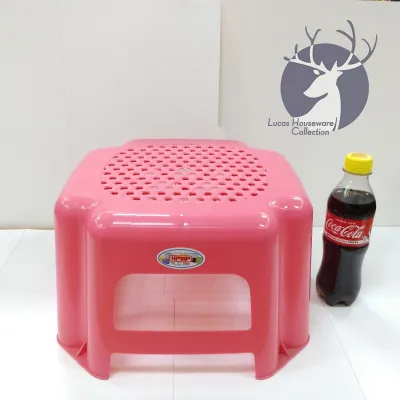
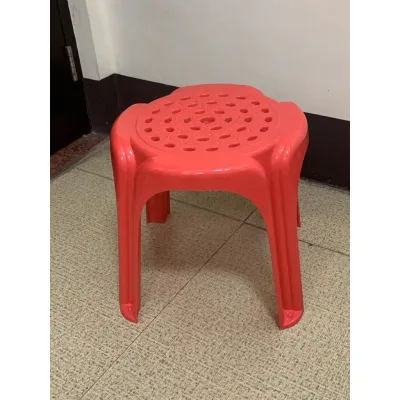
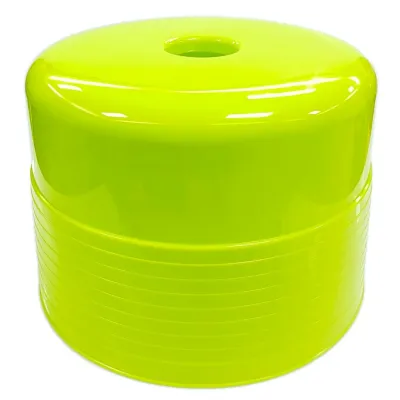

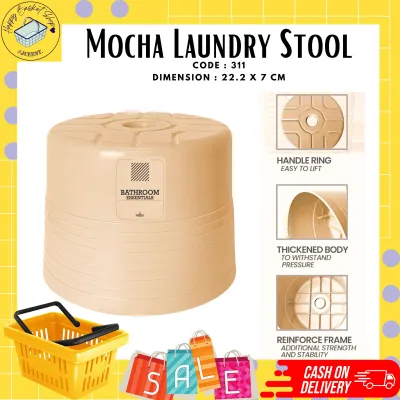
Prices are valid at publication and may change. Please refer to the product page for the latest price.
Because molded plastic cannot compress to match your body shape, the chair’s shell must be anatomically sculpted from the start. Evaluating these molded features carefully will help you find a plastic chair that feels supportive rather than stiff. Below are the primary physical dimensions and curves you should look for when shopping.
Backrest Recline and Lumbar Contour
A flat, vertical backrest is the enemy of comfortable reading. When you sit at a strict 90-degree angle, your lower back muscles must work constantly to keep your torso upright. Over time, this leads to slouching, which flattens the natural curve of your spine and strains your neck as you look down at your book.
Look for a plastic chair with a backrest that reclines slightly, ideally between 105 and 115 degrees. This angle shifts a portion of your upper body weight from your spine to the chair itself, allowing your back muscles to relax. This position also naturally positions your head and neck in a comfortable alignment for holding a book or e-reader.
In addition to the recline, the backrest must feature a built-in lumbar curve. This is a subtle forward bulge in the molded plastic that fills the gap in your lower back, maintaining the natural inward curve of your lumbar spine. Without this support, your pelvis tilts backward, leading to muscle fatigue and lower back pain within a short period. Before purchasing, run your hand along the inside of the backrest to verify that it has a smooth, supportive contour rather than a completely flat profile.
Seat Pan Depth and Waterfall Edges
The design of the seat pan determines how well your lower body is supported and how freely your blood circulates. If a seat pan is too deep, the front edge will press firmly against the back of your knees. This pressure can compress nerves and blood vessels, leading to cold feet or a pins-and-needles sensation during long reading sessions.
Conversely, a seat pan that is too shallow fails to support your thighs properly. This forces your core muscles to work harder to keep you from sliding forward out of the chair, disrupting your focus and causing tension in your legs.
To avoid these issues, look for a plastic chair featuring a “waterfall edge.” This is a design where the front of the seat pan curves gently downward like a waterfall, rather than ending in a sharp, abrupt edge. In rigid plastic furniture, this molded curve is crucial because it distributes pressure away from the sensitive popliteal fossa behind your knees. Additionally, ensure the seat pan is wide enough to let you shift your weight or cross your ankles comfortably, giving you the freedom to change positions during long reading sessions.
Structural Designs and Stoll Chair Plastic Options That Support Reading Postures
Beyond the shape of the seat shell, the overall structure of the chair—including the armrests and the base—plays a vital role in your reading comfort. How these components are engineered determines whether your upper body remains relaxed or becomes tense over time.

When exploring different stoll chair plastic options or standard molded designs, pay close attention to how the frame supports your arms and feet. A well-designed base and armrest structure can transform a simple plastic shell into a highly functional reading seat.
Armrest Height and Width
Holding a book, tablet, or e-reader for an extended period can cause significant fatigue in your shoulders, neck, and upper back. An armless plastic chair forces your arm and shoulder muscles to bear the entire weight of your reading material without any relief. This eventually leads to a hunched posture and discomfort.
An ergonomic reading chair should feature integrated armrests that allow your elbows to rest comfortably at roughly a 90-degree angle. This support unloads the weight of your arms from your shoulders, preventing tension from building up in your trapezius muscles while you hold your book.
Look for armrests that are wide and flat. A wider surface not only provides better support for your forearms but can also serve as a convenient spot to rest your reading glasses, a small notebook, or even a cup of tea. Avoid narrow, sharp-edged armrests that dig into your skin, as these will quickly become uncomfortable during a long reading session.
Stool-Style Bases vs. Standard Legs
The base of your plastic chair influences both your sitting height and your overall stability. Standard four-legged plastic chairs offer a familiar, low-to-the-ground seating position that allows most readers to place their feet flat on the floor. This is generally the most stable setup for a reading corner and works well with standard-height side tables.
However, stool-style or pedestal-base plastic chairs can also work well, provided they are designed with ergonomics in mind. If you opt for a taller stool-style design, it is essential that the base includes a built-in footring or footrest. Allowing your feet to dangle unsupported pulls on your lower back, causing discomfort and poor circulation.
Before choosing a base style, measure the height of your reading corner’s side tables and ensure the chair’s seat height aligns with them. Your knees should bend at a comfortable 90-degree angle with your feet firmly supported, whether on the floor or on a dedicated footrest. This alignment keeps your posture stable and prevents unnecessary strain on your joints.
Enhancing Comfort with Accessories and Placement
While a well-designed, ergonomically molded plastic chair provides an excellent structural foundation, the material’s hard surface can still benefit from a few soft additions. You can easily elevate your reading experience by pairing the chair with the right accessories.
Adding a high-density foam seat cushion or a contoured lumbar pillow is an excellent way to bridge the gap between rigid plastic and plush comfort. These accessories provide the soft padding that plastic naturally lacks while reinforcing the chair’s ergonomic curves. Look for cushions with removable, washable covers made from breathable fabrics like cotton or linen to keep things cool.
To further reduce lower back strain, consider adding a matching footstool or small ottoman. Elevating your feet even slightly opens up your hip joints and shifts your body weight backward, which instantly relieves pressure on your lumbar spine. This simple addition can make a rigid plastic chair feel as relaxing as a traditional recliner.
Finally, take advantage of the unique properties of plastic when positioning your chair. In the warm, humid climate of the Philippines, plastic has the distinct advantage of not trapping heat or absorbing sweat. To maximize this benefit, place your reading chair in an area with excellent airflow, such as near a large window, on a shaded veranda, or directly under a ceiling fan. This ensures your reading corner remains a cool, breezy, and inviting space to spend your afternoons.
Pre-Purchase Checklist for Your Reading Chair
To help you make the best decision for your reading corner, keep this practical checklist in mind when shopping for your plastic chair:
- Backrest Angle: Look for a slight recline (105 to 115 degrees) to relieve spinal pressure.
- Lumbar Support: Ensure there is a molded, forward-curving shape to support your lower back.
- Seat Pan Design: Check for a downward-sloping waterfall front edge to maintain healthy leg circulation.
- Armrest Ergonomics: Choose wide, flat armrests that allow your shoulders to relax.
- Base Stability: Verify that the legs or stool base provide a stable, wobble-free foundation.
- Weight Capacity: Always check the manufacturer's specified load capacity to ensure the chair is structurally sound and will not flex uncomfortably under your weight.
- Care and Finishes: Since plastic finishes vary, check the manufacturer's care instructions. Verify if the plastic is UV-treated if you plan to place it near a sunny window or on a semi-outdoor balcony, as sun exposure can degrade untreated materials over time.
Whenever possible, test the chair in person. Sit in it for several minutes, hold a book or your phone at reading height, and pay attention to how your back, thighs, and shoulders feel. Taking the time to evaluate these physical details will ensure your new plastic chair becomes a comfortable, durable anchor for your reading sanctuary.
Community discussion
Share your experience or ask a question. Comments are reviewed before publication.