
Selecting the right kids chair is one of the most impactful decisions you can make when setting up a dedicated study corner. To support proper posture during study time, a kids chair must feature highly adjustable seat height, customizable seat depth, and targeted lumbar support that adapts to a growing child’s unique proportions. Children spend significant portions of their day sitting while reading, writing, and using digital devices, making ergonomic support essential for their physical development. A well-designed chair does not simply provide a place to sit; it actively guides the body into a neutral alignment that minimizes physical strain and maximizes comfort. By investing in a chair that prioritizes ergonomics, you create an environment where your child can focus on learning without the distraction of physical discomfort.
Why Proper Posture Support Matters for Study Time
Maintaining proper spinal alignment during study sessions is directly linked to a child’s physical well-being and cognitive performance. When a child sits in an ergonomically optimized position, their spine maintains its natural curves, which reduces the workload on surrounding muscles and ligaments. This prevention of physical fatigue is crucial; a tired body leads to a tired mind, often resulting in restlessness, fidgeting, and a rapid decline in concentration. When physical discomfort is minimized, cognitive resources are freed up, allowing the child to sustain focus on their schoolwork for longer periods.
Using ill-fitting adult chairs or fixed-height dining furniture poses significant risks for growing children. Adult chairs are designed for larger frames, meaning a child’s back will not reach the lumbar support, and their feet will dangle unsupported. To compensate, children often slouch forward, slide their hips to the front of the seat, or twist their bodies into awkward positions. These habits can strain the neck, shoulders, and lower back, potentially leading to long-term postural issues. Furthermore, because children experience rapid growth spurts, fixed-height furniture quickly becomes unsuitable, whereas an adjustable ergonomic chair can be recalibrated continuously to provide continuous support.
Products mentioned in this guide
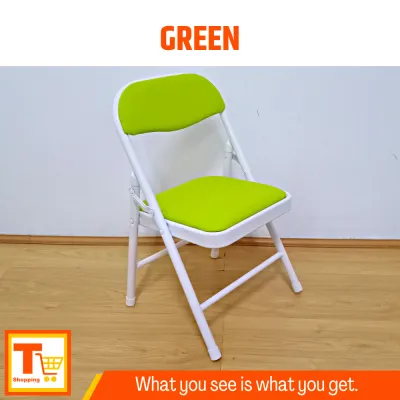
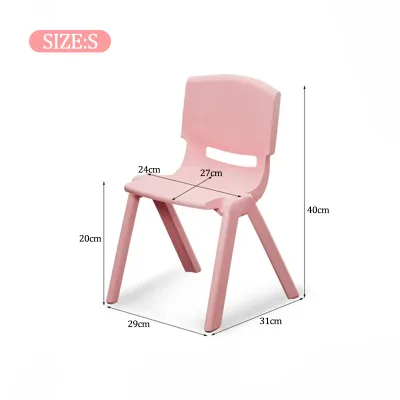

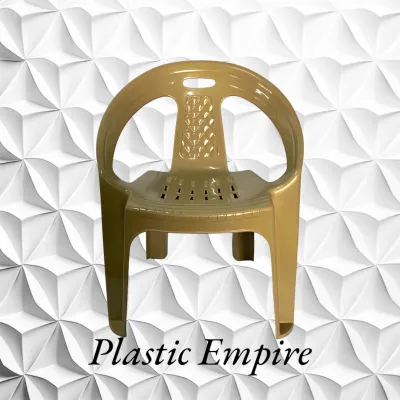

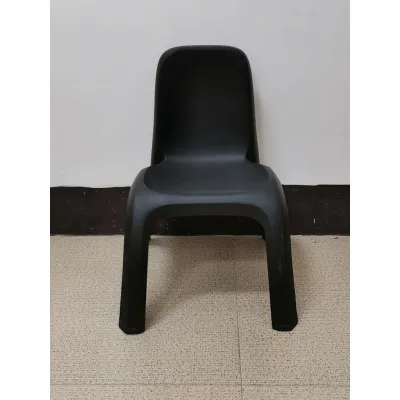
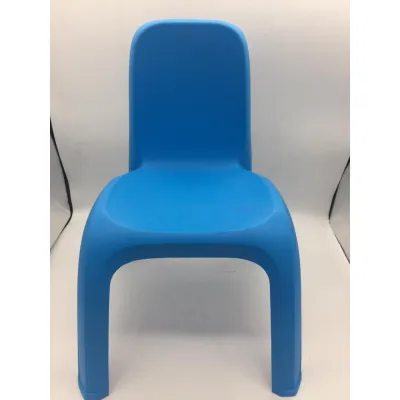
Prices are valid at publication and may change. Please refer to the product page for the latest price.
Essential Adjustability Features to Look For
To achieve a healthy ergonomic sitting angle, several key adjustable mechanisms must be present in a kids chair. The first and most critical is seat height adjustment. A proper seat height allows the child’s feet to rest completely flat on the floor or a dedicated footrest, which distributes their body weight evenly across the thighs and buttocks. If the seat is too high, the dangling legs pull the pelvis forward, flattening the lower back’s natural curve. If the seat is too low, the knees are pushed higher than the hips, placing excessive pressure on the sit bones.

Seat depth adjustment is another vital feature that is often overlooked. This mechanism allows you to slide the seat pan forward or backward relative to the backrest. To check for a proper fit, there should be a two-to-three finger gap between the front edge of the seat cushion and the back of the child’s knees. If the seat is too deep, the front edge will press against the blood vessels and nerves behind the knees, restricting circulation and causing numbness. If the seat is too shallow, the thighs will not receive adequate support, leading to instability and a tendency to slide forward.
Finally, the backrest height and angle must be adjustable to align with the child’s changing lumbar curve. The lower back naturally curves inward, and the backrest should provide firm support right at this curve to prevent slouching. An adjustable backrest allows you to position the lumbar support precisely where the child needs it, supporting the mid-back without forcing them to lean too far back or hunch forward over their desk.
Structural Support and Stability Checks
Beyond adjustability, the physical build and structural characteristics of the chair play a major role in maintaining posture and ensuring safety. The lumbar support contour should be carefully evaluated. Look for a backrest that naturally follows the spine’s inward curve. If the chair’s built-in contour does not align fully with your child’s back, check if the design allows for the addition of a supportive, adjustable lumbar cushion. The goal is to provide continuous, gentle pressure that keeps the pelvis in a neutral position.
The firmness of the seat cushion is equally important for long-term comfort and alignment. A cushion that is too soft might feel comfortable initially, but it will cause the child’s pelvis to sink, tilting it backward and compromising spinal alignment. Conversely, an overly hard cushion can cause discomfort and pressure points. Look for high-density foam that offers resilient support. In warm and humid tropical climates, such as in the Philippines, the choice of upholstery material is critical. Heavy synthetic leathers can trap heat and moisture, leading to sweating and discomfort during study sessions. Opting for breathable mesh or high-quality, moisture-wicking fabrics helps maintain a comfortable temperature and keeps the study environment pleasant.
Stability and weight capacity are essential safety considerations, especially since children tend to move, twist, and shift weight while sitting. A wide, five-star base equipped with stable casters or glides offers excellent resistance to tipping compared to standard four-legged designs. Always verify the manufacturer’s stated weight limits and structural specifications in the product manual. A robust, well-balanced base ensures that even if the child leans over to reach for a book, the chair remains securely anchored to the floor.
Comparing Common Kids Chair Designs for Studying
When planning a study corner, parents can choose from several common chair designs, each offering distinct advantages and trade-offs. Ergonomic task chairs with casters are highly popular due to their extensive adjustability options. They typically feature pneumatic height adjustment, adjustable backrests, and sometimes seat depth controls. However, because they roll easily, they may require a desk with compatible height and a protective floor mat to prevent damage to wooden or tiled surfaces. They are highly suitable for older children who can manage the mobility of the chair responsibly.
Fixed wooden or metal chairs offer excellent durability and a classic aesthetic. They are incredibly stable and have no moving parts that can break or distract a child. However, their lack of built-in adjustability is a major drawback for growing children. To make these chairs ergonomically suitable, parents must often rely on external accessories, such as adjustable seat cushions, back support inserts, and separate footrests. This setup can be cumbersome to adjust as the child grows.
Specialized growth chairs are designed specifically for children and offer a unique, multi-stage adjustment system. These chairs often feature a solid wooden or plastic frame with multiple slots that allow you to adjust the height and depth of both the seat and the built-in footrest. They provide exceptional stability and are designed to grow with the child from early childhood through adolescence. While they are highly ergonomic and durable, they often come at a higher price point (₱) and may have a larger footprint in a compact room.
| Chair Design | Adjustability Range | Stability Level | Ideal Desk Pairing |
|---|---|---|---|
| Ergonomic Task Chair | High (Seat height, depth, backrest) | Moderate (Requires weight-activated brakes) | Adjustable-height or standard study desks |
| Fixed Wooden/Metal Chair | Low (Requires external cushions) | High (Solid, non-slip legs) | Low, fixed-height traditional desks |
| Specialized Growth Chair | High (Multi-stage slot adjustments) | High (Wide, heavy wooden frame) | Standard dining or fixed study desks |
Your Pre-Purchase Ergonomic Fit Checklist
Before finalizing a kids chair purchase on an online marketplace or in a physical store, it is essential to perform a few practical checks to ensure a proper fit. First, measure your child’s lower leg length from the back of the knee to the sole of the foot while they are seated. Compare this measurement to the chair’s minimum seat height specification to ensure their feet will be able to rest flat. Additionally, measure the clearance height of your study desk to confirm that the chair’s seat and armrests can easily slide underneath when not in use, saving valuable space in the room.
Next, carefully review the product labels, manuals, and online specifications for the exact adjustability ranges. Avoid relying solely on broad age recommendations, as children’s growth rates vary significantly. Look for detailed measurements of the seat width, depth, and height adjustment ranges to make an informed decision.
It is also wise to verify the retailer’s return policies and assembly conditions. Since you cannot fully test the ergonomic fit until the child sits in the chair at home, a flexible return policy provides peace of mind. Some chairs require extensive assembly, so check if the necessary tools are included or if professional assembly services are available. Finally, if your child has specific postural habits, persistent physical discomfort, or orthopedic needs, stop and consult a pediatric physical therapist or healthcare professional to obtain personalized recommendations tailored to their unique physical requirements.
Frequently Asked Questions (FAQ)
How do I know if the chair height is correct for my child?
To verify if the chair height is correct, use the 90-90-90 rule as a practical guide. When your child is seated, their hips, knees, and ankles should all form roughly 90-degree angles. Their feet must rest completely flat on the floor or a sturdy footrest, rather than dangling in the air, which can cause muscle strain. Additionally, check that their shoulders remain relaxed and natural when their arms are resting on the study desk. If their shoulders are shrugged or their elbows are pushed too high, the chair height or the desk height needs to be adjusted.
Is a footrest necessary if the chair is adjustable?
A footrest is highly necessary if the study desk is at a fixed height that requires you to raise the chair so the child can reach the work surface comfortably. When the chair is raised, the child’s feet will often dangle, which tilts the pelvis backward and places significant strain on the lower back. A built-in or separate footrest provides the essential support needed to keep the feet flat and maintain proper pelvic alignment. When choosing a footrest, look for features such as a non-slip surface to prevent sliding and an adjustable angle to accommodate the natural position of the feet.
Should a kids study chair have wheels?
Whether a kids study chair should have wheels depends on your child’s age and study habits. Casters offer the benefit of easy movement, allowing the child to pull themselves close to the desk or push back independently. However, for younger children, wheels can be a major distraction or a safety hazard if the chair rolls away unexpectedly. If you choose a chair with wheels, look for safety features such as weight-activated brakes or locking mechanisms that prevent the chair from rolling when weight is applied. Additionally, consider your floor type and whether a protective mat is needed to prevent scratches on wooden or tiled floors.

Community discussion
Share your experience or ask a question. Comments are reviewed before publication.