
Finding the right ergonomic chair for office setups is a critical decision that directly impacts your daily comfort, productivity, and long-term spinal health. With the rise of remote work and extended study sessions, many professionals spend upwards of eight hours a day seated at their desks. Navigating the local market requires a clear understanding of what features are realistic within the ₱3,000 to ₱15,000 price range, as budget constraints dictate not only the level of physical adjustability but also the structural durability of the materials.
At the lower end of this budget, the focus must remain on essential safety certifications and basic postural support to prevent immediate discomfort. As you move toward the upper limit, the investment shifts from simple utility to advanced mechanical engineering, offering high-durability materials and dynamic synchronization that conforms to your body’s natural movements. By setting realistic expectations for each price tier, you can avoid the common pitfalls of purchasing a chair that fails prematurely under the demands of daily use and tropical environmental conditions.
Setting Realistic Expectations for Your Budget
The ₱3,000 to ₱15,000 budget range spans from entry-level basic support models to mid-range adjustable task chairs. In the Philippine market, this spectrum represents the transition from generic office furniture to specialized ergonomic seating. Understanding this progression helps you identify where your money is going, whether it is being spent on structural safety, premium materials, or highly customizable mechanical joints.
Products mentioned in this guide
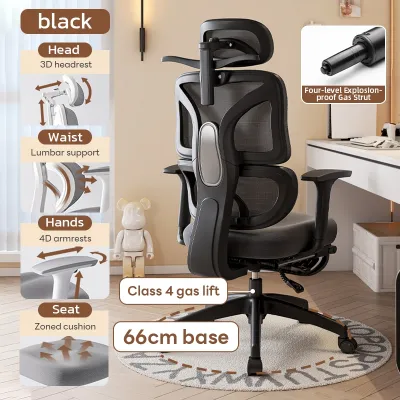
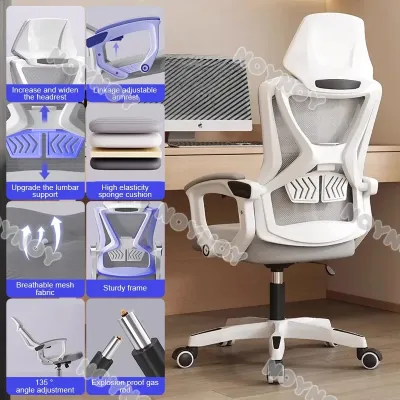
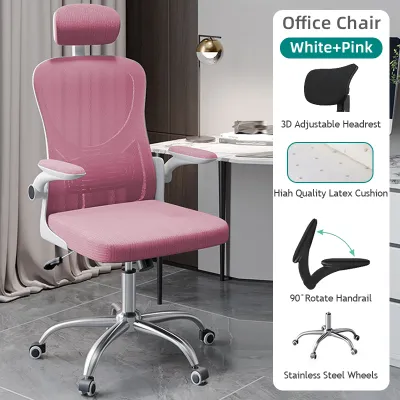
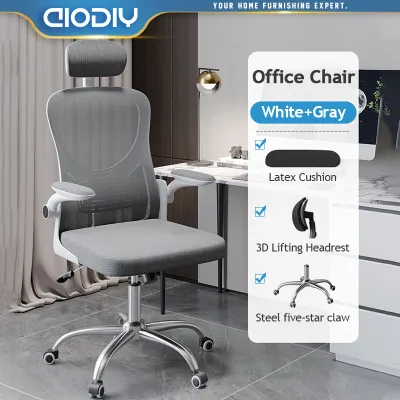
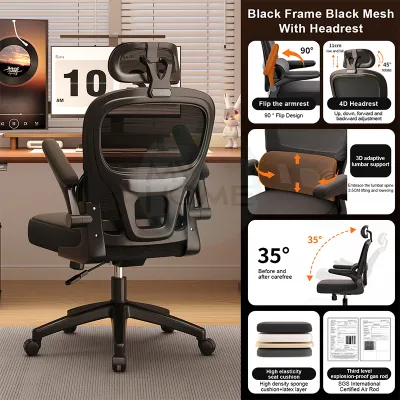
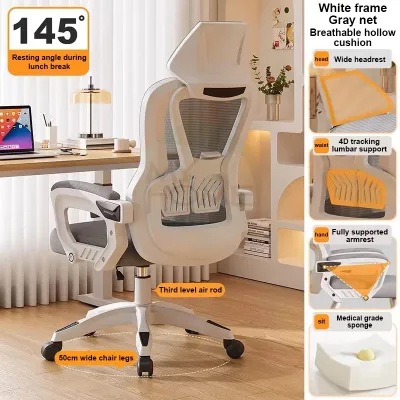
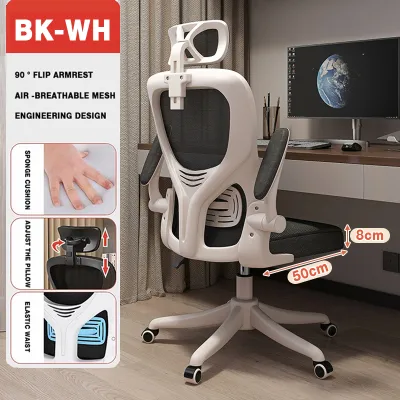
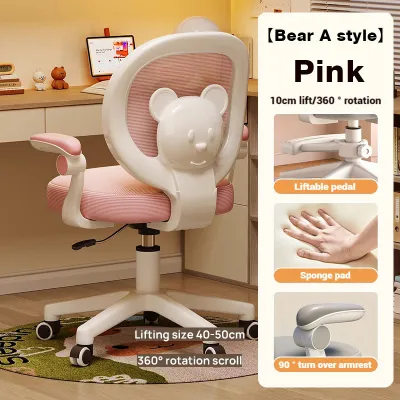
Prices are valid at publication and may change. Please refer to the product page for the latest price.
To make an informed decision, you must separate “must-have” baseline requirements from “nice-to-have” compromises. A secure, certified gas lift, a stable five-star base, and consistent lumbar contact are non-negotiable baseline requirements that protect your physical safety and support your spine. On the other hand, highly adjustable features such as 4D armrests, advanced synchro-tilt mechanisms, and seat depth sliders are nice-to-have compromises that can be sacrificed at lower price points but become essential as your budget increases.
The core decision logic when navigating these tiers is to prioritize structural safety and basic postural alignment at the lower end, and then shift your focus to dynamic adjustability and material longevity as your budget expands. A cheaper chair with fewer moving parts is often more durable than a cheap chair loaded with low-quality adjustable components that easily break. Therefore, investing in a solid, basic frame is always preferable to buying a poorly constructed model with superficial features.
Before selecting any chair footprint, it is vital to measure your available desk clearance and floor space. Many users purchase an ergonomic chair only to find that the armrests do not fit under their desk drawer, or that the wide five-star base blocks movement in tight home office corners. Measure the height from your floor to the underside of your desk, and compare it with the chair’s maximum armrest height to ensure a seamless fit that allows you to sit close to your workspace without hunching forward.
₱3,000 to ₱5,000: Entry-Level Support and Essential Safety
In the ₱3,000 to ₱5,000 price range, you should expect straightforward, functional seating with limited customization. The features in this tier typically include fixed or height-adjustable-only armrests, basic static or lightly adjustable lumbar pads, and standard tilt tension knobs that control the resistance of the backrest recline. While these chairs provide a significant upgrade over standard plastic dining chairs or basic stools, they are designed for lighter daily use and shorter sitting sessions.

Material selection in this budget tier requires careful consideration, particularly in tropical and humid environments. Many entry-level chairs feature basic fabric-covered foam seats, which tend to retain body heat and absorb sweat, eventually leading to unpleasant odors and rapid foam degradation. In contrast, entry-level mesh backs offer much better ventilation, keeping you cool without air conditioning. However, you must check the manufacturer’s stated weight capacity and mesh frame rigidity rather than assuming durability from the material name alone, as thin plastic frames can warp under constant pressure.
The most critical aspect of this budget tier is verifying the safety baseline of the mechanical components. You must verify the gas lift cylinder class—ideally looking for a Class 3 or Class 4 cylinder—and check for physical certification stamps, such as SGS or BIFMA, etched directly onto the metal casing. The gas lift is the pressurized chamber responsible for height adjustment; choosing an uncertified, low-quality cylinder poses a genuine safety hazard that should never be overlooked for the sake of a lower price.
Compromises are inevitable at this price point, and you must be prepared for limited recline positions, non-adjustable seat depth, and basic nylon bases. Nylon bases in this tier are functional but lack the structural reinforcement found in premium models, making them more prone to flexing over time. It is essential to check the maximum weight limit specified by the manufacturer and ensure it aligns with your physical needs, as entry-level frames have much stricter structural thresholds that cannot be safely exceeded.
₱5,000 to ₱10,000: Mid-Range Ergonomic Chair for Office Adjustability
Stepping up to the ₱5,000 to ₱10,000 tier unlocks a significant upgrade in ergonomic customization and mechanism quality, making it the practical sweet spot for standard home office setups. At this level, you should expect independent or height-and-depth-adjustable lumbar supports that can be positioned precisely against your lower back. You will also find 2D or 3D armrests that adjust not only in height but also in angle and forward-to-backward position, alongside adjustable headrests that support your neck during long typing sessions.
The mechanism improvements in this mid-range tier directly address the physical strains of prolonged desk work. These chairs introduce multi-position recline locks and basic synchronous tilt features, which allow the backrest and the seat pan to tilt at different angles simultaneously. This mechanical coordination reduces pressure on the lower back and thighs during long sitting sessions, offering a healthier range of motion compared to basic spring-tilt mechanisms that tilt the entire chair as a single rigid unit.
Material and build quality also receive a substantial boost in this category. Instead of cheap cut foam, chairs in this range often feature higher-density molded foam seats that resist flattening and maintain their supportive shape over years of daily use. The mesh used on the backrest is typically a tighter, multi-layered weave that offers firmer support and resists stretching out. When purchasing, always verify the care instructions and warranty terms for these materials to ensure they are covered against premature wear.
Despite these upgrades, some remaining limitations persist in the mid-tier. The armrests may still lack width adjustment, meaning they cannot be moved closer to or further from your torso to accommodate very narrow or very broad shoulders. Additionally, the main structural chassis is typically constructed from reinforced nylon or heavy-duty plastic rather than polished aluminum alloy, which affects the overall weight of the chair and its long-term aesthetic wear.
To get the most value from this tier, balance these features against your specific daily usage hours. If you work between four to eight hours a day, the adjustable lumbar support and synchronous tilt of a mid-range chair are essential investments that prevent chronic fatigue. This tier provides the necessary ergonomic adjustments to keep your body aligned without forcing you to pay premium prices for high-end aesthetic finishes.
₱10,000 to ₱15,000: Advanced Mechanisms and Enhanced Durability
The ₱10,000 to ₱15,000 price range introduces advanced chassis mechanics, premium materials, and long-term ergonomic benefits designed for heavy daily use. The defining feature of this tier is the true synchro-tilt mechanism, where the backrest and seat pan move in a highly coordinated ratio (often 2:1) to keep your feet flat on the floor and your posture aligned as you recline. Many models also incorporate wire-controlled levers for seamless, effortless adjustments and seat depth sliders that allow you to slide the seat pan forward or backward to fully support different thigh lengths.
Structural and material upgrades are prominent at this level, ensuring the chair remains supportive for years. You will find high-elasticity mesh designed to resist sagging even under heavy, continuous use, and 4D armrests with soft-touch padding that adjust in height, depth, angle, and width. The base materials are upgraded to polished aluminum alloy or reinforced steel, which significantly improves the chair’s overall stability, eliminates wobbling, and ensures smooth rolling across various floor surfaces.
Because of the complex components and heavy materials, you must verify the specific assembly requirements before your chair arrives. Chairs in this tier often ship in heavy, multi-part packages that require careful alignment of the heavy-duty mechanism, the seat pan, and the gas lift cylinder. Attempting to assemble these components without following the manufacturer’s step-by-step instructions can lead to misaligned joints, stripped screw threads, or squeaking parts, which can compromise the chair’s performance.
Finally, when investing in this premium tier, it is crucial to review the warranty coverage and return policy in detail. A reputable brand in this price range should offer a comprehensive warranty that covers the mechanical chassis, gas lift, and mesh fabric separately from the basic frame. Ensure you understand the process for claiming replacement parts locally, as a high-end ergonomic chair for office use is a long-term investment that should be backed by reliable post-purchase support and customer service.
How to Verify Build Quality and Safety Before Checkout
Before finalizing your purchase on any online marketplace or at a local retail store, a systematic verification process is essential to protect your investment. First, consult your pre-purchase checklist: confirm the gas lift certification label is clearly displayed, check that the caster wheels are PU-coated to prevent scratching hard tile or wooden floors, and verify the exact assembled dimensions against your desk height. This ensures the chair is physically compatible with both your body and your workspace.
You must also account for hidden costs that can quickly inflate your total expenditure. When budgeting, explicitly calculate shipping fees, potential remote area surcharges for deliveries outside major metropolitan areas, and professional assembly service costs if you do not plan to build the chair yourself. These fees are rarely zero, and failing to calculate them beforehand can push your total cost well beyond your intended budget limit.
Once your chair is delivered, perform immediate post-delivery safety checks before using it for full-time work. Test the recline tension and lock stability to ensure the mechanism holds your weight securely, and confirm that all bolts are tightened according to the assembly manual. Check for any unusual friction, clicking noises, or resistance in the tilt mechanism, and re-tighten the structural bolts after the first week of use to settle the components.
If at any point during your research or after delivery you find that the product specifications conflict with your physical requirements, or if the safety certifications are completely unlisted, pause and take action. Do not compromise your physical safety or financial resources; instead, consult the retailer directly for clarification or seek an alternative model that provides transparent, certified specifications.
Community discussion
Share your experience or ask a question. Comments are reviewed before publication.