
Setting Realistic Expectations for Your Office Chair Budget
Finding the right ergonomic office chair in the Philippines requires navigating a massive sea of options, especially within the popular ₱3,000 to ₱15,000 price range. At these price points, the word “ergonomic” is often used loosely by sellers on e-commerce platforms. To make a smart investment, you must understand what features are realistic to expect at each tier so you do not overpay for basic features or compromise on essential physical support.
In the entry-level bracket, “ergonomic” typically refers to a static, contoured shape designed to mimic the spine’s natural curve. As you move toward the upper-mid tier, the definition shifts to active, mechanical adjustability that allows the chair to adapt dynamically to your body proportions. Because prices on online marketplaces fluctuate frequently due to promotional campaigns, double-digit sales, and variable shipping fees for bulky items, focusing on feature specifications and build quality rather than daily price tags is the most reliable way to secure a chair that supports your health. The ultimate goal is to balance essential postural support against premium materials and advanced adjustability mechanisms.
Entry-Level (₱3,000 – ₱6,000): Basic Posture Support and Fixed Features
When shopping in the ₱3,000 to ₱6,000 range, you are looking at entry-level seating that provides basic postural support. While these chairs are a significant upgrade from a standard dining chair or a plastic monobloc chair, they rely heavily on fixed components that do not allow for personalized fitting.
Products mentioned in this guide
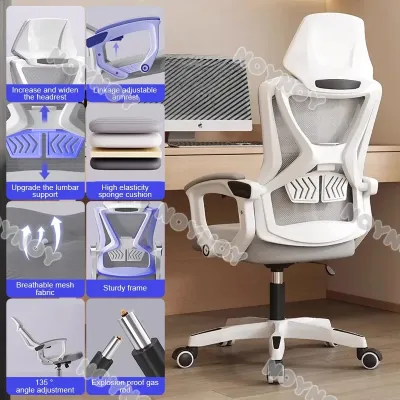
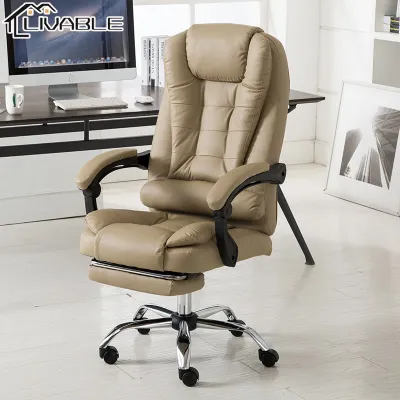
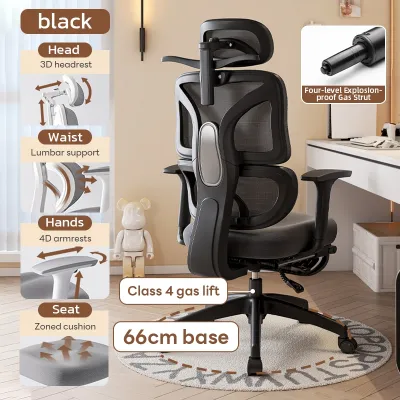
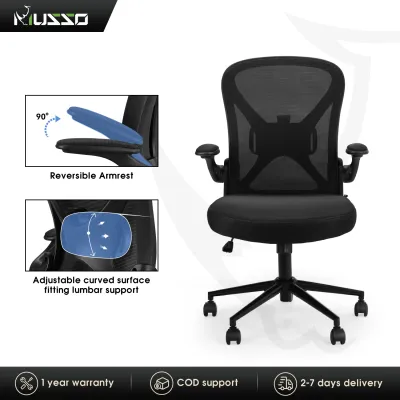
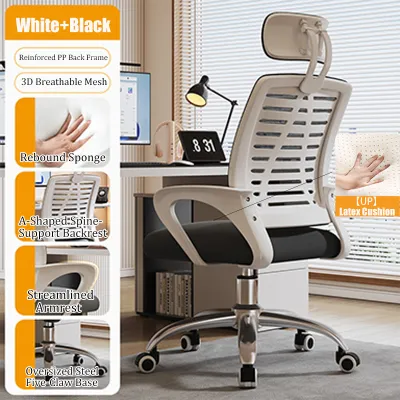
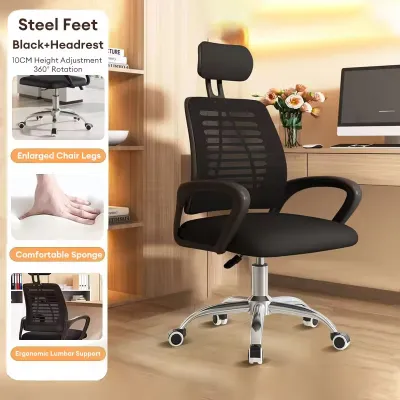
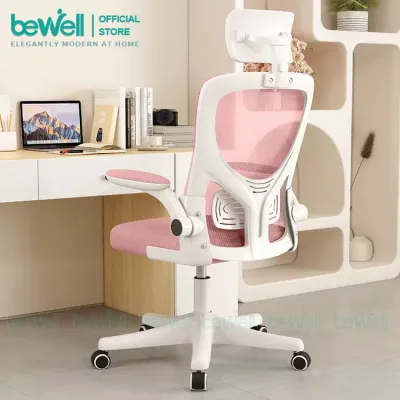
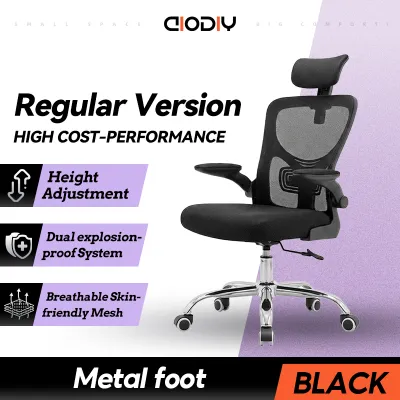
Prices are valid at publication and may change. Please refer to the product page for the latest price.

Build & Materials Chairs in this price tier typically feature standard molded foam or cut foam cushions covered in basic polyester fabric. The backrests are usually constructed with thin nylon mesh of standard tension, supported by a plastic frame. The base is almost exclusively made of molded nylon (plastic), paired with standard dual-wheel plastic casters. While functional, these materials are prone to wear; cut foam cushions may lose their shape and flatten out within a year of heavy daily use, and plastic bases can flex under heavier loads.
Adjustability Customization is highly restricted in this bracket. You can expect standard pneumatic seat height adjustment via a Class 3 gas lift cylinder and a basic tilt-tension knob that controls how easily the backrest rocks backward. However, the armrests are typically fixed to the frame or the seat pan, meaning you cannot adjust their height or angle to match your desk. The lumbar support is also fixed—usually consisting of a static plastic strip or a contoured frame built directly into the mesh backrest.
Ergonomic Value The primary ergonomic value here is baseline posture correction. The built-in S-curve of the backrest helps prevent you from slouching, which reduces immediate lower back fatigue during short working sessions. However, because you cannot adjust the height of the lumbar support or the depth of the seat, these chairs cannot accommodate different body heights or torso lengths comfortably over long hours.
Compromises & Verification To ensure safety and stability, you must verify the manufacturer’s stated weight capacity on the product label before buying. Many entry-level chairs are rated only up to 90kg or 100kg. Additionally, because the seat depth is entirely fixed, you must carefully check the static seat dimensions. If the seat pan is too deep for your leg length, it will press against the sensitive area behind your knees (the popliteal fossa), restricting blood flow and causing discomfort. Check that the plastic joints are securely fastened and do not wobble when you sit.
Mid-Range (₱6,001 – ₱10,000): Breathable Materials and Core Adjustability
Stepping up to the ₱6,001 to ₱10,000 tier unlocks a noticeable improvement in material quality and introduces the core adjustability features needed for full-day office work. This range represents the sweet spot for budget-conscious professionals who spend six to eight hours at their desks.
Build & Materials At this level, manufacturers introduce high-density molded foam cushions, which retain their resilience and shape far longer than cheaper alternatives. The mesh used on the backrest is typically thicker, tighter, and more elastic, providing firm, responsive support. In the tropical climate of the Philippines, where high humidity and warm temperatures are constant, a breathable mesh backrest is critical to facilitate heat dissipation and prevent uncomfortable sweat buildup. Underneath, star bases upgrade to reinforced heavy-duty nylon or basic chrome-plated steel, offering better structural stability.
Adjustability This tier introduces active customization. You can expect height-adjustable armrests (often called 1D or 2D armrests) that allow you to align your elbows comfortably with your desk surface. The lumbar support is no longer static; it can usually be adjusted vertically to target your specific lumbar spine curve. Furthermore, the tilt mechanism typically features a multi-position lock, letting you secure the backrest at several comfortable angles for focused typing or relaxed reading.
Ergonomic Value The combination of adjustable lumbar support and breathable mesh significantly enhances long-term comfort. By aligning the lumbar pad precisely with your lower back, you reduce the strain on your spinal discs. The improved heat dissipation from the mesh backrest keeps your body cool, reducing physical fatigue and secondary discomfort associated with sitting in a warm, unventilated room.
Compromises & Verification While these chairs offer excellent core features, headrests in this price bracket remain a common point of compromise. They are often poorly positioned, wobble, or are sold as separate accessories that require manual installation. The tension of the mesh is another critical factor; before purchasing, look for specifications regarding mesh durability, and check the seller’s warranty terms. Ensure the warranty covers the gas lift cylinder and moving joints for at least one to two years, as these components bear the brunt of daily physical stress.
Upper-Mid (₱10,001 – ₱15,000): Advanced Customization and Enhanced Durability
The ₱10,001 to ₱15,000 range approaches professional-grade ergonomic seating. Here, the focus shifts from basic comfort to advanced mechanical synchronization and high-durability materials designed to support your body through extended, intensive work sessions.
Build & Materials Chairs in this tier utilize premium elastomeric mesh on both the backrest and, in some models, the seat pan. This high-grade mesh is engineered to distribute body weight evenly while resisting sagging over several years of continuous use. Structural frames are reinforced with glass fiber or heavy-duty aluminum alloy, and the star bases are typically made of polished aluminum. The casters are often upgraded to polyurethane (PU) coated wheels, which glide smoothly across hard floors like vinyl, tile, or hardwood without leaving scratches or causing loud rolling noises.
Adjustability This price point introduces sophisticated mechanical adjustments. The most notable is the synchro-tilt mechanism, where the backrest and the seat recline at different ratios (usually 2:1). This keeps your feet flat on the floor and maintains proper spinal alignment even when you lean back. You will also find 3D or 4D armrests (adjustable in height, depth, angle, and width), fully adjustable headrests, and—crucially—seat depth adjustment (a sliding seat pan).
Ergonomic Value The ability to adjust the seat depth is a major ergonomic milestone. By sliding the seat pan forward or backward, you can customize the chair to your exact thigh length, ensuring your lower back remains firmly against the backrest while maintaining a healthy gap behind your knees. This level of customization minimizes pressure points, improves lower-body circulation, and reduces shoulder and neck strain by allowing the highly adjustable armrests to support your forearms perfectly.
Compromises & Verification Despite the high feature density, chairs in this bracket do not carry the decades-long warranties or specialized, proprietary materials found in luxury ergonomic chairs costing ₱20,000 or more. Because these chairs feature complex multi-function mechanisms, they are heavier and more complicated to assemble. You must carefully verify the assembly requirements and ensure all structural bolts are tightened correctly to prevent mechanical instability or premature wear on the joints.
Prioritizing Features: What to Keep and What to Compromise
When you are working within a set budget, trying to get every single feature can lead to buying a chair that does many things poorly. To get the best value, you should prioritize features based on your specific physical needs, desk setup, and local environment.
Non-negotiable Features Never compromise on a certified Class 4 pneumatic gas lift, a stable star base that matches your weight, and adjustable seat height. Reliable lumbar support that aligns with your lower back is also essential; if a chair’s lumbar support cannot be adjusted to your height, it may cause more discomfort than a flat backrest.
Conditional Needs Your specific work habits should dictate which secondary features you pay for:
- Adjustable Armrests: These are essential if you spend hours typing or using a mouse. If your desk is too high or too low, adjustable armrests prevent you from shrugging your shoulders, which protects against neck and shoulder tension.
- Breathable Mesh: If your home office is not air-conditioned or you rely heavily on electric fans, prioritizing a full mesh backrest is non-negotiable to handle the tropical Philippine heat.
- Headrests: A headrest is only necessary if you frequently recline to read, take phone calls, or rest. If you sit upright to type all day, you can safely skip the headrest and save your budget.
Where to Save You can easily save money by avoiding aesthetic upgrades like colorful gaming accents, faux leather upholstery (which degrades and cracks quickly in humid climates), or extreme recline angles (such as 180-degree recline) that serve little practical purpose for desk work. Standard high-density mesh and durable polyester fabric offer superior longevity and performance over flashy design elements.
Verifying Quality and Avoiding Pitfalls When Buying Online
Purchasing an office chair online in the Philippines offers convenience, but it also carries risks regarding fit, assembly, and shipping costs. Taking a systematic approach to verifying specifications will protect your investment.
Specification Verification Do not rely on marketing labels like “ergonomic” or “heavy-duty.” Instead, measure your existing workspace and your body. Compare your measurements directly with the manufacturer’s detailed dimension sheet, paying close attention to:
- Seat Width and Depth: Ensure the seat pan comfortably accommodates your hips and thigh length.
- Armrest Height and Clearance: Verify that the armrests can slide under your desk when the chair is adjusted to your working height.
- Doorway and Access Dimensions: Ensure the packaged box can fit through your home's doorways, hallways, or elevator doors during delivery.
Hidden Costs and Logistics Because office chairs are heavy, bulky items, shipping fees can add a significant premium to the purchase price, especially if you live outside Metro Manila or in provincial areas. Always calculate the total cost, including shipping, before finalizing your decision. Additionally, check if the package includes high-quality assembly tools and a clear instruction manual. Some sellers offer pre-assembled delivery for an extra fee, which can save you time and ensure the mechanical parts are put together correctly.
Safety and Returns Since the gas lift cylinder is a highly pressurized component, safety certifications are critical. Look for chairs that explicitly state compliance with recognized safety standards, such as BIFMA or SGS, on their product packaging or specifications. Finally, review the seller’s return and warranty policies. Ensure there is a clear process for replacing damaged gas lifts, broken casters, or missing hardware upon arrival, and check who covers the shipping costs for returns of large, heavy items.
Frequently Asked Questions (FAQ)
How long should an ergonomic chair in this price range last?
An ergonomic chair priced between ₱3,000 and ₱15,000 typically lasts between two to five years. The exact lifespan depends heavily on your daily usage hours, your weight relative to the chair’s limit, and how well you maintain the joints and moving parts. To maximize durability, check the manufacturer’s warranty period as a baseline indicator of quality, and periodically tighten the structural bolts to prevent loose joints from placing uneven stress on the frame.
Do I need a headrest for my office chair?
A headrest is not a strict ergonomic necessity for upright computer work. It is primarily beneficial if you frequently recline to think, read, or rest during your workday. If you spend the majority of your time sitting upright to type, a well-designed backrest that supports your lumbar curve, combined with a monitor positioned at eye level, is far more important for preventing neck and shoulder strain than a headrest.
Community discussion
Share your experience or ask a question. Comments are reviewed before publication.