
Finding the right ergonomic office chair in the Philippines requires balancing your budget against the physical demands of long working hours, often in warm, humid conditions. At the ₱3,000 entry level, you can expect basic height adjustments and standard mesh backrests that prioritize essential ventilation. Stepping up to ₱7,000 introduces more robust mechanical adjustments like synchro-tilt and multi-directional armrests, while a ₱15,000 investment unlocks highly customizable, adaptive support systems and premium, sag-resistant materials designed for long-term durability.
Navigating Trade-Offs: Must-Haves vs. Compromises
When working with a fixed budget, prioritizing essential structural safety over secondary aesthetic features is key to making a smart investment. A stable five-star base and a certified gas lift cylinder are non-negotiable safety elements that must take precedence over extra padding, flashy design accents, or built-in footrests. Ensuring the core mechanical parts are sound protects you from sudden failures and structural instability during daily use.
In tropical climates, the trade-off between initial cushion softness and long-term structural durability is particularly noticeable. While a highly plush, soft foam seat might feel comfortable during a brief sit-test, it can quickly trap body heat, absorb ambient humidity, and sag over months of daily use. This loss of support forces your pelvis into an unnatural tilt, leading to poor posture and lower back strain over time.
Products mentioned in this guide
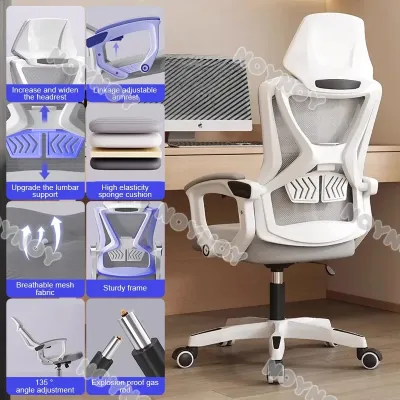
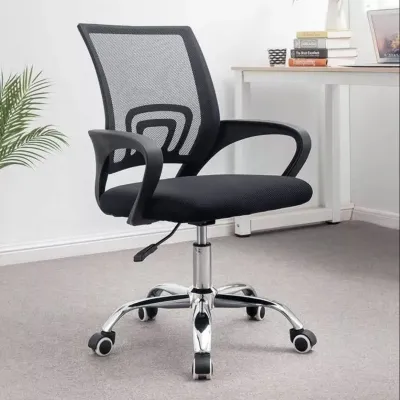
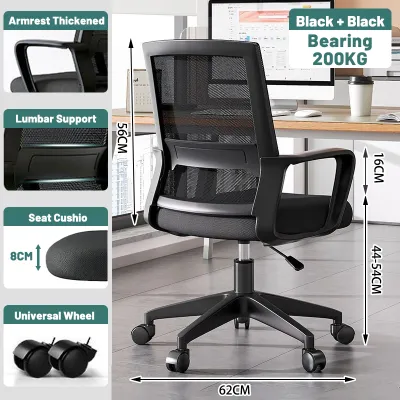
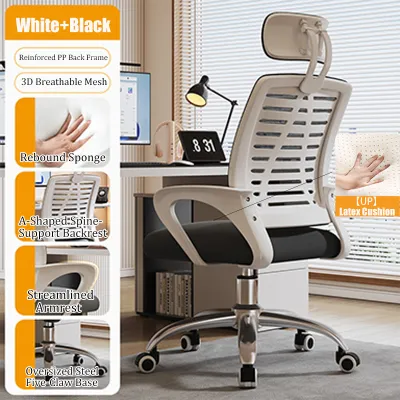
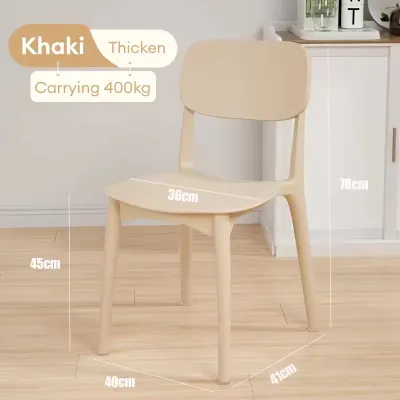
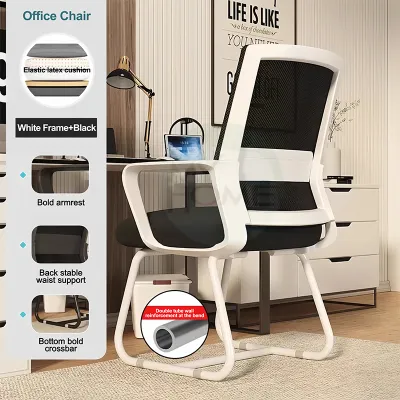
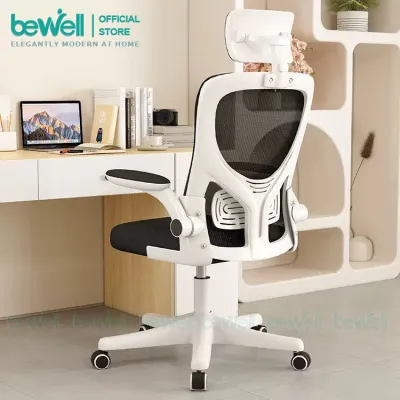
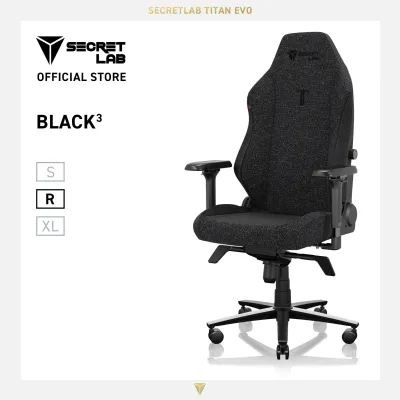
Prices are valid at publication and may change. Please refer to the product page for the latest price.
Be cautious of marketing terms like “orthopedic-approved” or “zero-gravity support” that lack standardized definitions or independent certifications. Instead of relying on these labels, focus on verifiable physical attributes such as adjustable lumbar support, breathable mesh quality, and robust frame joints. Prioritizing these measurable features ensures you get actual ergonomic value rather than paying a premium for buzzwords.
Setting Expectations for the ₱3,000 Entry Tier
At the ₱3,000 entry-level price point, office chairs focus primarily on basic functionality rather than highly customized ergonomics. You should expect standard pneumatic height adjustment and a simple tilt-tension mechanism that allows the chair to rock slightly, though usually without the ability to lock the backrest at different angles. The armrests at this level are almost always fixed to the frame, meaning you cannot adjust their height or angle to match your desk surface.

Materials at this tier typically consist of basic nylon mesh backrests and standard polyurethane foam seats. While the mesh provides essential airflow in warm, unconditioned rooms, lower-grade mesh may stretch out and lose its tension over time, reducing back support. The seat foam is also more prone to compression and permanent sagging under continuous daily use, which can make the seat feel hard and unsupportive within a few months.
Before purchasing an entry-level chair, it is critical to verify the manufacturer’s stated maximum weight capacity and inspect the gas cylinder for visible safety labels. Because budget models often use lighter plastic bases, checking user reviews regarding base stability and checking the joints for structural flexing is highly recommended. If you plan to use the chair on hard tile or wooden floors, consider checking if the included casters are made of soft polyurethane to prevent scratching.
Evaluating the ₱7,000 Mid-Range Upgrades
Moving up to the ₱7,000 mid-range tier introduces significant structural and mechanical upgrades that directly improve daily comfort and durability. At this price point, you should expect multi-directional armrests—often adjustable in height and depth—and dedicated lumbar support mechanisms that can be adjusted vertically to align with your lower back. These features allow you to customize the chair to your specific body proportions, reducing strain on your shoulders and neck.
The mechanical foundation also improves, typically transitioning from simple tilt mechanisms to synchro-tilt systems, where the backrest and seat recline at a synchronized ratio. This movement keeps your feet flat on the floor and maintains proper spinal alignment as you lean back. Frame materials are generally more robust, often featuring reinforced nylon or steel-core bases that offer superior stability and smoother caster movement across various floor surfaces.
When investing in a mid-range chair, take the time to review the assembly requirements and check if the seller offers replacement parts like casters or gas lifts. A standard warranty at this level should ideally cover structural components, so verify the specific terms and duration before finalizing your purchase. Understanding what is covered helps you protect your investment and ensures you can source replacement parts if a component wears out.
Assessing Premium Features at the ₱15,000 Tier
At the ₱15,000 premium tier, office chairs transition from rigid support to highly adaptive, multi-dimensional systems that respond dynamically to your body’s movements. You can expect advanced synchronous adjustments, including seat pan depth customization, which is essential for supporting different thigh lengths without restricting circulation behind your knees. The lumbar support is often adaptive, automatically adjusting its tension and angle as you shift your posture throughout the day.
The materials used in this price bracket are engineered to withstand both high humidity and heavy daily use without degrading. High-grade elastomeric mesh provides consistent tension and breathability without sagging, while high-density molded foam seats retain their shape and support for years rather than months. The overall build quality is characterized by heavy-duty aluminum or reinforced composite frames that eliminate wobbling and squeaking.
Given the higher financial commitment, it is vital to verify the manufacturer’s long-term warranty coverage and after-sales support. Carefully read the warranty terms to understand what is excluded, such as normal wear and tear on mesh or fabric, and confirm how replacement parts are sourced and delivered to your location. A comprehensive warranty at this level provides peace of mind and ensures the chair remains functional for years to come.
Essential Pre-Purchase Checks and Hidden Costs
Before making your final decision, always measure your physical workspace to ensure the chair fits your environment. Check the finished dimensions of the chair, particularly the maximum armrest height and overall width, to confirm it can slide under your desk and pass through your doorways or elevator access points without obstruction. Measuring your space beforehand prevents the hassle of receiving a chair that is too bulky for your room.
Calculate the total cost of ownership by looking beyond the list price on online marketplaces. Large, heavy furniture items often incur substantial shipping fees, especially if you live outside major metropolitan areas. Additionally, some sellers charge extra for professional assembly services, which can quickly inflate your initial budget if you are not comfortable assembling the chair yourself.
Finally, review the seller’s return policy with extreme care, especially regarding assembled furniture. Returning a fully assembled chair is often logistically difficult and expensive, and many e-commerce platforms require you to pay for return shipping or charge restocking fees if the original packaging is damaged. Understanding these policies beforehand helps you avoid unexpected expenses if the chair does not meet your expectations.
Frequently Asked Questions (FAQ)
Is a more expensive office chair always better for posture?
Not necessarily, as proper posture depends entirely on how well the chair’s specific adjustments match your unique body dimensions. A highly expensive chair with fixed lumbar support or a seat pan that is too deep for your legs will not provide adequate ergonomic benefit. Focus on finding a chair with adjustable lumbar depth, seat depth, and armrest height that fits your frame, rather than relying solely on the price tag as an indicator of support.
How do I verify the safety of the gas lift cylinder?
You can verify the safety of the height adjustment mechanism by looking for engraved safety certifications or testing marks directly on the metal surface of the gas cylinder, such as SGS or TUV markings. Avoid using any chair that arrives with an unmarked, rusted, or visibly damaged cylinder, and contact the manufacturer immediately to request a certified replacement part. Ensuring the cylinder is certified protects you from potential mechanical failures.
What should I check regarding warranty and return policies?
Always check the distinction between the warranty coverage for the structural frame and the coverage for soft materials like mesh, fabric, or foam, which often have shorter warranty periods. Additionally, confirm whether the seller’s return policy accepts fully assembled chairs and clarify who is responsible for the logistics and costs of shipping a bulky item back. Knowing these details beforehand prevents unexpected costs and logistical headaches.
Community discussion
Share your experience or ask a question. Comments are reviewed before publication.