
Finding the right office chair in the Philippines requires balancing your budget with the physical demands of long working hours, especially in a tropical climate where heat and humidity are daily factors. Between ₱3,000 and ₱15,000, the market transitions from basic, entry-level seating to highly adjustable, durable ergonomic chairs. Knowing exactly what features are realistic at each price point prevents buyer’s remorse and ensures you invest in a chair that supports your posture throughout the workday.
At the lower end of this budget, you can expect essential adjustments like pneumatic height control and standard mesh backrests that offer basic breathability. As you move toward the middle and upper tiers, the focus shifts to advanced mechanisms like multi-directional armrests, adjustable lumbar support, and robust metal bases. Understanding these distinctions allows you to prioritize the features that directly impact your comfort and physical well-being.
Setting Realistic Expectations for Your Budget
Before browsing online marketplaces or visiting local showrooms, it is crucial to distinguish between essential ergonomic features and premium add-ons. Essential supports include pneumatic seat height adjustment and a curved backrest that aligns with the natural shape of your spine. These elements keep your feet flat on the floor and your lower back supported, establishing a healthy sitting posture.
Products mentioned in this guide
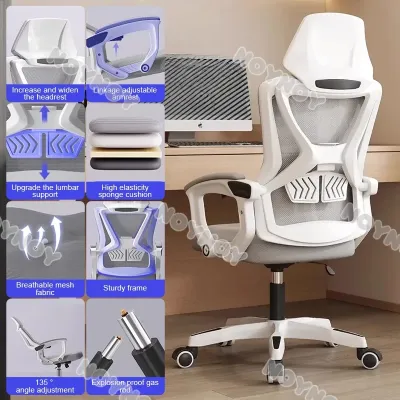
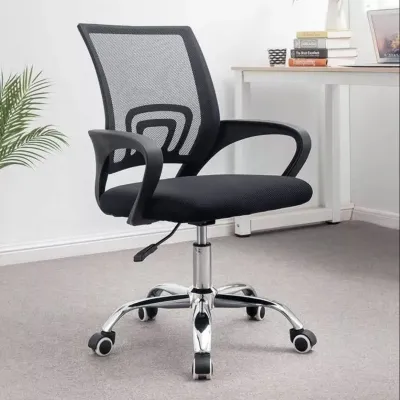
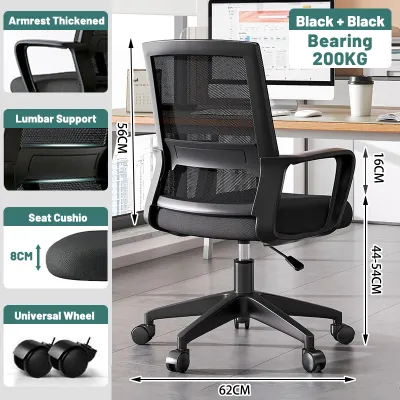
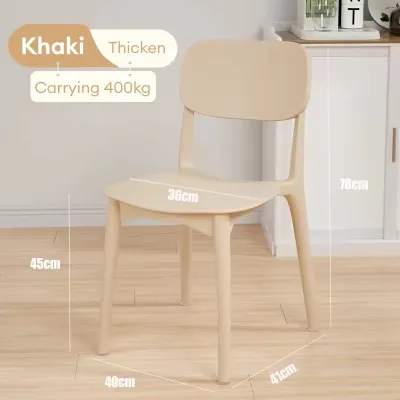
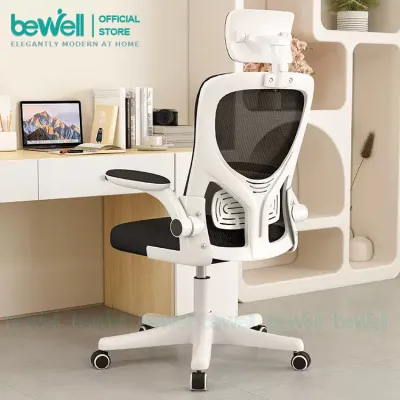
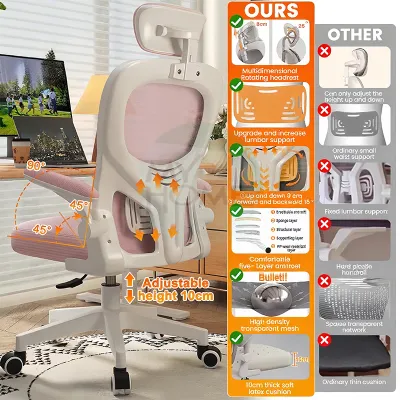
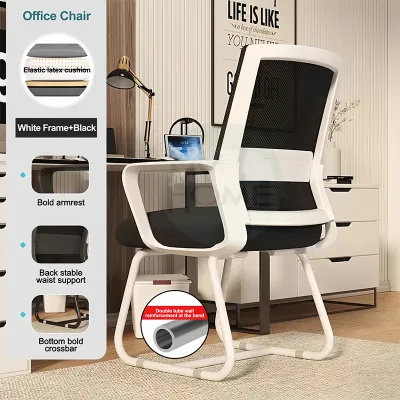
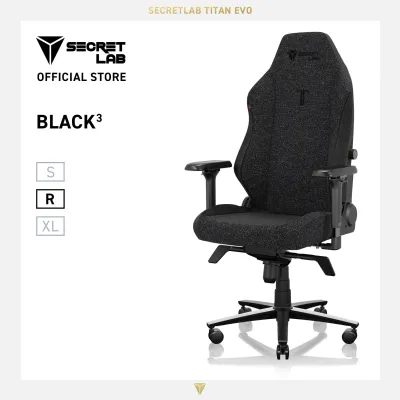
Prices are valid at publication and may change. Please refer to the product page for the latest price.
Premium features, such as synchro-tilt mechanisms, adjustable seat depth, and multi-dimensional headrests, are typically reserved for higher price brackets. While these features enhance comfort, they are not strictly necessary for basic postural support. This distinction helps you allocate your budget toward structural integrity rather than superficial design.
Build materials also evolve significantly across this price spectrum. Lower-tier chairs often rely heavily on lightweight nylon or plastic components for the frame and base, which may flex under heavy use. Higher-tier options introduce reinforced polymers, steel, or aluminum alloys that improve stability and extend the lifespan of the chair.
When working within a strict budget, prioritizing functional adjustability over aesthetic trends is always the wiser choice. A sleek chair with fixed armrests offers far less long-term comfort than a simpler design that allows you to customize seat height and lumbar position. Focus on how the chair functions to support your body rather than how it matches your office decor.
The ₱3,000 to ₱6,000 Tier: Basic Ergonomics and Build
In the ₱3,000 to ₱6,000 price range, you are looking at entry-level ergonomic chairs that provide standard support for moderate daily use. The primary adjustments in this tier are limited to pneumatic seat height control and basic tilt tension. The tilt mechanism usually operates on a simple single-point pivot, meaning the backrest and seat tilt backward together at the same angle, offering limited flexibility.

Armrests in this category are typically fixed to the frame or offer a simple flip-up mechanism. Flip-up armrests are useful for space-saving setups, allowing you to slide the chair under your desk when not in use. However, they lack height or angle adjustments, meaning you must adapt your posture to the chair.
Material expectations in this tier should be realistic. Backrests are almost exclusively made of basic mesh, which is highly beneficial for tropical climates as it allows air to circulate and prevents heat buildup. The seat cushions are generally constructed from standard cut foam covered in fabric, which provides decent initial comfort but may compress and lose its shape over several months of continuous use.
The base and casters are typically made of molded nylon or plastic. When evaluating these chairs, it is important to check the manufacturer’s stated weight capacity on the product label, which often ranges from 90 to 120 kilograms in this tier. Additionally, verify if the standard nylon casters are suitable for your flooring to avoid scratching wooden or laminate surfaces.
The ₱6,000 to ₱10,000 Tier: Enhanced Adjustability
Stepping up to the ₱6,000 to ₱10,000 tier introduces a noticeable improvement in both adjustability and material quality. In this mid-range bracket, chairs often feature dedicated lumbar support systems that can be adjusted for height or depth. This allows you to position the lumbar curve precisely against your lower back, reducing fatigue during extended typing sessions.
Armrests also receive a significant upgrade, moving from fixed designs to 2D or 3D adjustable configurations. A 2D armrest adjusts for height and depth, while a 3D armrest adds the ability to pivot the pads inward or outward. This customization helps keep your shoulders relaxed and your elbows at a comfortable 90-degree angle.
The materials used in this tier are designed for greater durability and comfort. Seat cushions often transition from standard cut foam to high-density molded foam, which retains its shape and supportive qualities much longer. The mesh weaves used for the backrest are typically denser and more resilient, offering firmer support without sagging over time.
Furthermore, the structural base is frequently upgraded to metal-reinforced nylon or solid steel, providing a more stable foundation. When shopping in this range, pay close attention to the recline functions and lock positions. Many mid-range chairs offer a multi-position tilt lock, allowing you to secure the backrest at several specific angles rather than just the upright position.
The ₱10,000 to ₱15,000 Tier: Advanced Support and Materials
The ₱10,000 to ₱15,000 price range represents the premium segment of this budget spectrum, where you can expect advanced mechanical features and high-grade materials. Unlike basic tilt systems, synchro-tilt allows the backrest to recline faster than the seat cushion, keeping your feet flat and maintaining proper spinal alignment.
Another critical feature accessible in this tier is seat depth adjustment, often referred to as a seat slider. This function allows you to slide the seat cushion forward or backward relative to the backrest. This adjustment ensures taller users get adequate thigh support without cutting off circulation, while shorter users can sit fully back against the lumbar support.
Materials in this premium tier are selected for long-term durability and superior comfort. You will find high-resilience mesh that contours to your body shape while maintaining its tension, as well as breathable fabric blends that resist wear. The bases are commonly constructed from polished aluminum or heavy-duty steel, which increases overall weight capacity and stability.
When investing in a chair at this level, it is highly recommended to verify the manufacturer’s specifications regarding dynamic lumbar systems. Some chairs in this tier feature self-adjusting lumbar supports that automatically respond to your movements and posture changes. Checking these technical details ensures you are getting genuine mechanical value for your investment.
How to Evaluate Chairs When Shopping Online
Shopping for an office chair online can be challenging since you cannot physically sit in it before purchasing. To minimize the risk of a poor fit, cross-reference the product’s detailed dimensions with your own physical measurements. Measure your desk height, your lower leg length, and hip width to ensure the chair’s seat height, depth, and width are compatible.
User reviews are an invaluable resource when evaluating build quality and ease of assembly. Look for feedback from buyers who have used the chair for several months to see how well the cushion holds up and whether the frame squeaks. Pay attention to comments regarding the assembly process, as some chairs require complex tool setups or have poorly translated instruction manuals.
Be cautious of generic marketing terms like “ergonomic” or “orthopedic” used in product listings. Many basic chairs use these labels as buzzwords without offering the actual adjustable components required to support your body. Instead of relying on promotional descriptions, look for concrete specifications such as adjustable lumbar support, armrest dimensions, and the specific type of tilt mechanism.
Hidden Costs and Warranty Checks Before Checkout
When budgeting for an office chair, it is easy to overlook the additional costs associated with delivery and assembly. Because office chairs are bulky, shipping fees can add a significant amount to the final price, especially outside major metropolitan areas like Metro Manila. Always calculate the total cost, including shipping, before finalizing your purchase decision.
A reliable warranty is a crucial indicator of a manufacturer’s confidence in their product. A standard warranty typically covers the gas lift cylinder, tilt mechanism, and structural frame defects for one to three years. Be sure to read the warranty terms carefully to understand what is covered and what is excluded, such as normal wear and tear on fabric or mesh.
Finally, confirm the seller’s return policy for assembled furniture. Many online retailers do not allow returns once the chair is assembled, or they may charge a restocking fee. Understanding these terms beforehand protects you in case the chair arrives with defects or simply does not fit your body shape as expected.
Frequently Asked Questions (FAQ)
Is a mesh back better than a foam cushion for long hours?
A mesh backrest is highly advantageous in the Philippines due to its superior airflow, which helps keep you cool and dry in humid conditions. However, for the seat cushion, a high-density foam seat is often preferred by many users because it distributes body weight more evenly and reduces pressure on the hips. A hybrid design featuring a breathable mesh backrest paired with a supportive molded foam seat cushion often provides the best balance of temperature regulation and long-term comfort.
How do I know if a chair's gas lift is safe?
To ensure the safety and reliability of a chair’s pneumatic cylinder, look for a certified class rating in the product specifications. Safe and durable ergonomic chairs typically use Class 3 or Class 4 gas lifts, which are designed to handle higher weight capacities and undergo rigorous safety testing. Additionally, check if the manufacturer’s warranty explicitly covers the gas lift mechanism, as this provides recourse if the cylinder begins to sink over time.
Community discussion
Share your experience or ask a question. Comments are reviewed before publication.