
Finding the right office chair in the Philippines requires balancing your budget with your physical comfort, especially when spending long hours at a desk in a warm, humid climate. Within the ₱3,000 to ₱15,000 price range, the market transitions from basic utility seats to highly adjustable, ergonomic platforms. Understanding what features are standard, optional, or absent at each price point allows you to make an informed decision and avoid common pitfalls like rapid material wear or inadequate postural support.
By analyzing the specific mechanical upgrades, material differences, and structural designs of each tier, you can target the exact features your body requires. This guide breaks down what your money actually buys across three distinct price brackets to help you set realistic expectations before shopping.
Understanding the ₱3K to ₱15K Office Chair Market
To navigate this market effectively, it helps to divide the ₱3,000 to ₱15,000 price spectrum into three distinct tiers: Budget (₱3,000–₱6,000), Mid-Range (₱6,000–₱10,000), and Premium (₱10,000–₱15,000). Each step up represents a tangible shift in engineering, adjustability, and material quality.
Products mentioned in this guide
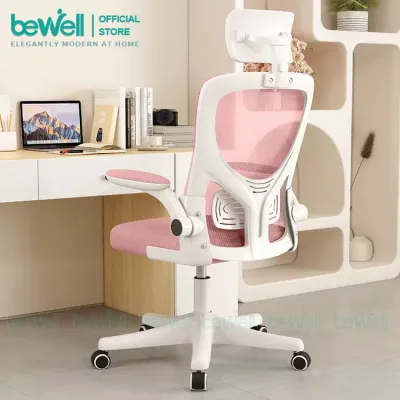
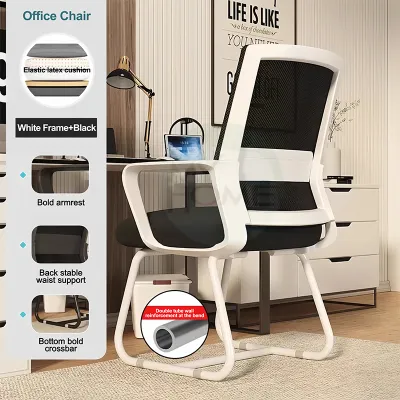
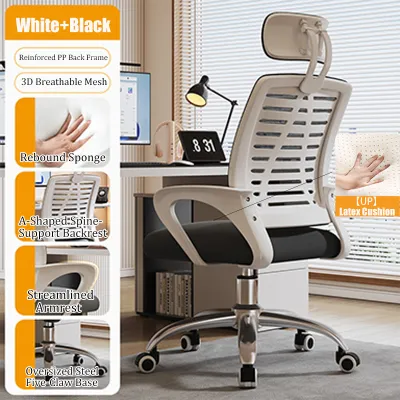
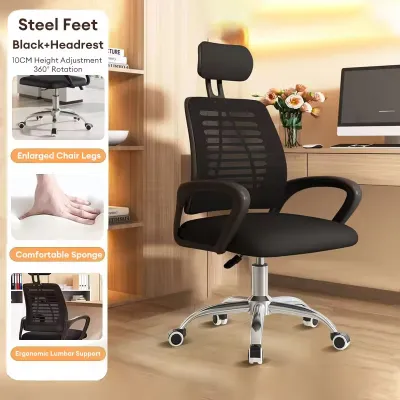
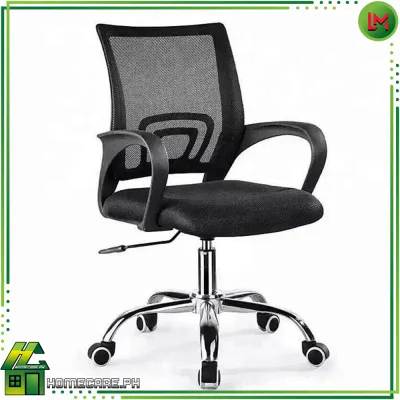
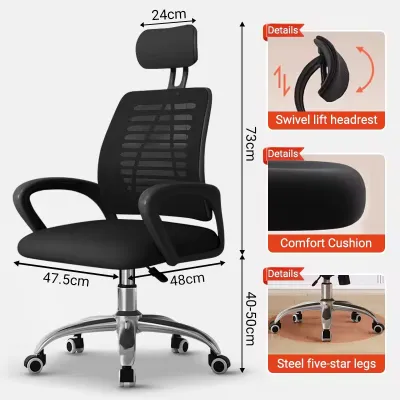
Prices are valid at publication and may change. Please refer to the product page for the latest price.
Price differences in this specific range are primarily driven by mechanism complexity, material longevity, and the degree of adjustability, rather than just brand prestige. In the lower tiers, manufacturers use simpler tilt mechanisms and standard plastics to keep costs down. As you move toward the ₱15,000 mark, you see more sophisticated mechanical joints, heavier structural components, and highly customizable support structures.
It is important to set realistic expectations for this price bracket. While a ₱15,000 chair offers excellent ergonomic features and robust build quality for daily work, it remains distinct from ultra-premium international designer chairs that easily exceed ₱50,000. Recognizing this distinction helps you evaluate local warranties and build quality against what is practically achievable at this price point.
Budget Tier (₱3,000 – ₱6,000): Essential Ergonomics and Trade-offs
The entry-level tier provides basic seating functionality for casual or short-duration use. While these chairs look modern, their ergonomic features are limited to the bare essentials.

Adjustability
In this price bracket, adjustability is minimal. You can expect standard pneumatic seat height adjustment and a basic tilt-tension knob that controls how easily the backrest rocks backward. However, advanced adjustments like seat depth sliders, independent backrest height adjustments, or multi-directional armrests are almost entirely absent. The backrest and seat typically move together in a fixed angle, which can limit comfortable reclining positions.
Build Quality and Materials
Manufacturers at this level commonly use standard nylon mesh for the backrest, thin polyurethane (PU) leather, and low-to-medium density cut foam for the seat cushion. Cut foam tends to lose its shape and flatten much faster than molded foam, especially under continuous daily use. Before purchasing, you should strictly check the manufacturer’s specifications for verified weight limits and frame materials rather than relying on generic marketing descriptions.
Ergonomic Trade-offs
Fixed lumbar support and rigid, non-adjustable plastic armrests are standard in this tier. Because these components cannot be adjusted to fit your unique body proportions, they may press against the wrong areas of your back or force your shoulders into an elevated, tense position. To compensate for these limitations, you can use external accessories, such as a separate memory foam lumbar roll or a height-adjustable footrest, to help maintain a neutral posture.
Mid-Range Tier (₱6,000 – ₱10,000): The Sweet Spot for Adjustability
Moving into the mid-range bracket introduces significant upgrades in mechanical movement and material resilience. This tier represents the practical sweet spot for professionals seeking reliable daily support.
Adjustability
This tier introduces highly functional adjustments, including 2D or 3D armrests that adjust for height, depth, and sometimes angle. Lumbar support systems in this range are typically adjustable, allowing you to slide the support pad up or down to align with the natural curve of your lower spine. Additionally, you will find synchro-tilt mechanisms, where the backrest and seat recline at a coordinated ratio (usually 2:1), keeping your feet flat on the floor and reducing pressure on your thighs as you lean back.
Build Quality and Materials
Seat cushions in this category transition to high-density molded foam, which retains its supportive shape and elasticity over years of daily use. The mesh fabrics used for the backrest are also more durable, featuring tighter weaves that distribute your body weight more evenly and resist sagging. These materials are particularly beneficial in the Philippines, where high humidity can accelerate the degradation of lower-quality fabrics and foams.
Value Proposition
For individuals working standard 8-hour days, the mid-range tier offers the most balanced return on investment. The combination of synchro-tilt mechanics, adjustable lumbar support, and resilient cushioning provides the necessary postural support to prevent fatigue and discomfort during long sessions, without requiring a massive financial outlay.
Premium Tier (₱10,000 – ₱15,000): Advanced Support and Build Quality
At the top end of this budget range, chairs offer advanced mechanical customization and premium structural materials designed for intensive, long-term use.
Adjustability
Premium chairs in this bracket feature multi-function tilt locks, allowing you to lock the backrest at several specific recline angles rather than just upright. You will also find integrated seat depth sliders, which let you shift the seat pan forward or backward to match the length of your thighs. This tier also regularly includes dedicated, adjustable headrests that support the cervical spine during reclined reading or virtual meetings.
Build Quality and Materials
Structural components receive a major upgrade here, often featuring heavy-duty polished aluminum or thickly reinforced nylon bases instead of standard plastic. The gas lifts are typically certified Class 4 cylinders, which offer smoother height adjustments and higher weight capacities. The mesh material is often high-elasticity elastomer, which provides a firmer, more suspended seating experience that remains cool and breathable in tropical climates.
Expectation Management
While these premium models offer robust support and durable materials, you should still carefully verify the warranty terms for specific components. A higher price tag within this bracket improves overall durability, but it does not guarantee lifetime immunity to wear on high-friction parts like casters, armrest pads, or mesh tension. Always check which parts are covered and for how long before finalizing your purchase.
How to Prioritize Ergonomic Features Based on Your Needs
Not every ergonomic feature is equally important for every user. To get the best value, you should prioritize features based on your physical proportions and work habits.
Must-Haves vs. Nice-to-Haves
Regardless of your budget, pneumatic seat height adjustment and stable, built-in lower back support are non-negotiable must-haves for spinal health. On the other hand, features like 4D armrests, dynamic headrests, or highly polished aluminum bases are nice-to-haves. If your desk setup already places your arms at a perfect 90-degree angle, you can safely prioritize a better tilt mechanism over highly adjustable armrests.
Body Type Considerations
Your height and weight should dictate your feature priorities:
- Taller or Heavier Users: Prioritize seat depth sliders and verified high weight capacities. A seat pan that is too short leaves your thighs unsupported, placing excessive pressure on your knees and lower back.
- Petite Users: Focus on chairs with a low minimum seat height and adjustable armrest widths. If the chair cannot lower enough for your feet to rest flat on the floor, or if the armrests are too wide, your shoulders and neck will experience continuous strain.
Work Habit Alignment
Align your chair’s mechanical features with your daily tasks. If your work involves frequent calls, reading, or conceptualizing where you prefer to recline, prioritize a synchro-tilt mechanism, multi-position tilt lock, and a supportive headrest. If your day consists of intensive, upright typing and data entry, focus heavily on a chair with firm, adjustable lumbar support and height-adjustable armrests that keep your wrists neutral.
Hidden Costs and Pre-Purchase Checks in the Philippines
When buying an office chair locally, the price tag on the box is rarely the only factor to consider. Bulky furniture items come with practical challenges that can impact your total expenditure.
Hidden Costs
Shipping fees for large, heavy boxes can add a significant premium to your purchase. While delivery within Metro Manila might be affordable or occasionally bundled, shipping fees to provincial areas in Luzon, Visayas, or Mindanao can add several thousand Pesos to the final cost. Always calculate the total delivered price, especially when ordering from online marketplaces or specialized furniture retailers.
Assembly and Returns
Most office chairs in this price range are delivered flat-packed and require DIY assembly. While basic tools are usually included, some retailers offer paid, professional assembly services upon delivery. Before buying, check the seller’s return policy regarding “comfort testing.” Many local retailers will not accept returns on assembled or used chairs simply because you find the seat cushion too firm or the lumbar support uncomfortable.
Warranty Verification
Always read the fine print of the warranty agreement. A generic “3-year warranty” claim may only cover the main structural steel frame, while high-wear components like the gas lift, casters, mesh fabric, and tilt mechanism might only be covered for 6 months or excluded entirely. Ensure you receive a clear, written breakdown of component-specific warranty periods to protect your investment.
Frequently Asked Questions (FAQ)
Can I upgrade a budget office chair with aftermarket parts?
You can easily upgrade non-structural elements of a budget chair to improve comfort. Adding aftermarket memory foam seat cushions, slip-on armrest pads, or strap-on lumbar support pillows is highly effective and safe. However, you should avoid replacing core structural components like the gas lift cylinder, the tilt mechanism, or the base caster wheels unless you can verify exact physical compatibility with the manufacturer. Improper structural modifications can compromise the chair’s stability, risk physical injury, and instantly void any remaining warranty.
How long should a mid-range office chair realistically last?
A mid-range office chair typically lasts between 3 to 5 years under normal daily use. You can use the manufacturer’s warranty period as a reliable baseline for its expected lifespan. The actual durability of the chair depends heavily on daily usage hours, adherence to the stated weight limits, and local environmental factors. In the Philippines, high relative humidity can accelerate the breakdown of polyurethane (PU) leather coatings and soften low-density foam, making breathable mesh and high-density molded foam superior choices for long-term durability.
Community discussion
Share your experience or ask a question. Comments are reviewed before publication.