
Finding the right ergonomic office chair without wheels requires balancing postural support, base stability, and material breathability, especially within the ₱3,000 to ₱15,000 price range. While wheeled chairs dominate the market, stationary models offer distinct advantages for specific workspaces. By focusing on essential physical dimensions and structural integrity, you can secure a highly supportive seating solution that protects your flooring and enhances focus.
This guide breaks down how to navigate the Philippine market to find a high-performing, wheel-free chair that fits your body, budget, and workspace requirements.
When to Choose an Ergonomic Office Chair Without Wheels
Stationary or wheel-free ergonomic chairs solve several practical problems that traditional rolling chairs often introduce. In many Philippine home offices, flooring consists of delicate materials like polished hardwood, laminate, or high-gloss ceramic tiles. Standard plastic casters can easily scratch, scuff, or grind dirt into these surfaces over time. A stationary base distributes your body weight more evenly, preventing localized wear and eliminating the need for bulky plastic chair mats.
Products mentioned in this guide
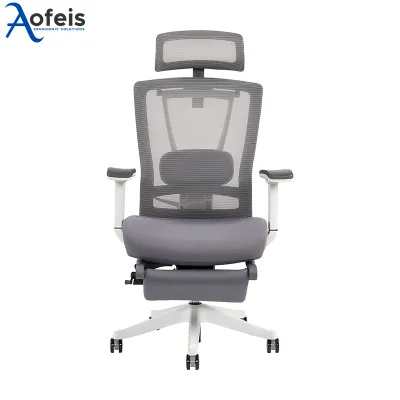
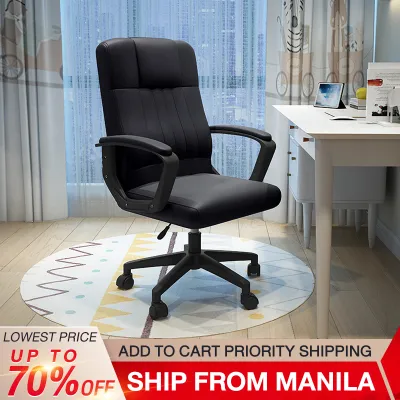
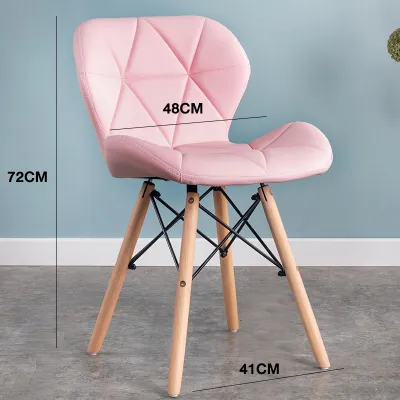
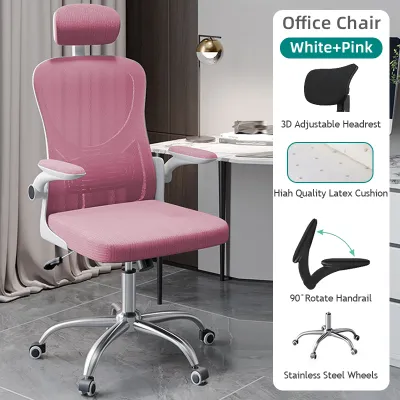
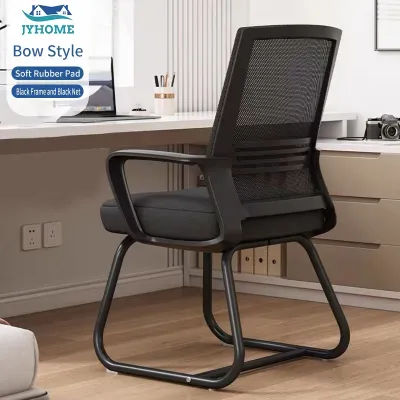
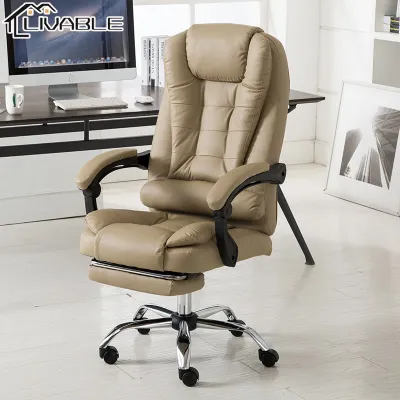
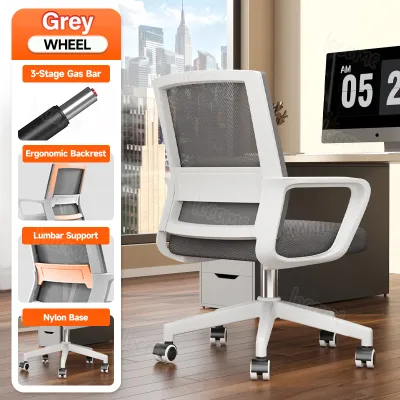
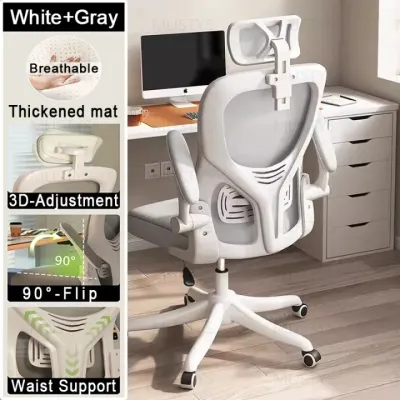
Prices are valid at publication and may change. Please refer to the product page for the latest price.
Furthermore, a wheel-free design helps maintain a fixed, stable position during long working hours. This stability is particularly useful for focused, high-concentration tasks where the micro-movements of rolling casters can cause subtle muscle fatigue as your body constantly adjusts to stay in place. Stationary bases are also highly effective on thick area rugs or slightly uneven tiled floors where wheeled chairs might sink, tilt, or drift unpredictably.
The primary trade-off of this design is the loss of effortless lateral mobility. Without wheels, reaching for a filing cabinet, printer, or reference book outside your immediate arm’s reach requires either physically sliding the chair—which demands physical effort and can cause friction—or standing up entirely. If your daily workflow requires frequent movement between multiple adjacent work surfaces, a wheel-free model might feel restrictive. However, if your setup is centered around a single desk, the stability gains often outweigh the loss of mobility.
Budget Priorities: What ₱3,000 to ₱15,000 Gets You
Navigating the ₱3,000 to ₱15,000 price spectrum in the Philippines requires a clear understanding of where your money actually goes. At this price point, you are looking at imported mid-market options, local office warehouse selections, or custom-ordered ergonomic builds. The core decision logic should always prioritize structural spinal support and seat cushion quality over secondary aesthetic enhancements or complex multi-axis adjustments.

Before finalizing any purchase, it is vital to verify the actual physical dimensions of the chair rather than relying on generic descriptions. Check the seat width, seat depth, and total height to ensure they align with your body measurements. Additionally, read the seller’s return policies carefully, as returning a bulky piece of furniture because it feels uncomfortable can be incredibly difficult and expensive.
Entry-Level (₱3,000 – ₱7,000)
In the entry-level tier of ₱3,000 to ₱7,000, expect straightforward, functional designs with minimal moving parts. Chairs in this bracket typically feature fixed plastic or nylon lumbar supports, standard polyester mesh backrests, and non-adjustable armrests. Because adjustability is limited, finding a model that naturally fits your body shape out of the box is paramount.
When shopping in this range, prioritize a robust steel frame or heavy-duty nylon base over flashy modern aesthetics. The seat cushion is often made of standard cut foam; check that it has sufficient thickness (ideally at least 5 to 8 centimeters) to prevent bottoming out against the underlying frame. Do not expect advanced features like seat depth adjustment, tilt tension control, or lockable recline angles in this price bracket. Most chairs here remain upright or offer only a simple, non-lockable spring-back tension.
Mid-to-High Range (₱7,000 – ₱15,000)
Stepping up to the ₱7,000 to ₱15,000 range unlocks substantial ergonomic upgrades that directly impact long-term comfort. This tier introduces lockable tilt mechanisms, allowing you to recline and secure the backrest at multiple angles for different tasks. You will also find adjustable headrests that support the cervical spine and multi-directional (2D or 3D) armrests that adjust for height, angle, and depth to prevent shoulder strain.
Material quality improves dramatically in this bracket. Instead of standard cut foam, manufacturers often use high-density molded foam cushions that retain their shape and elasticity even after years of daily eight-hour use. The mesh used on the backrest is typically more resilient, featuring high-tension weaves that distribute your weight evenly without sagging or creating pressure points. This is particularly beneficial in hot and humid tropical climates, as premium mesh promotes maximum airflow to keep you cool.
Ergonomic Fit: Specifications to Verify Before Buying
To ensure a wheel-free ergonomic chair actually supports your body, you must verify several key physical specifications before completing your purchase. Since you cannot easily roll closer or further from your desk, the physical fit of the chair is even more critical than it is with wheeled models.
- Seat Depth and Width: Measure your thigh length from the back of your hip to the back of your knee while sitting. The seat depth of the chair should be about 5 to 10 centimeters shorter than this measurement. This gap ensures the front edge of the seat cushion does not press against the delicate blood vessels and nerves behind your knees, which can restrict circulation. The seat width should also provide a few centimeters of clearance on either side of your hips to allow comfortable movement.
- Backrest Height and Lumbar Placement: Verify the height of the backrest and the position of the built-in lumbar curve. Ideally, the lumbar support should sit directly in the curve of your lower spine (the L1 to L5 vertebrae). If you are exceptionally tall or short, a fixed lumbar support on a standard chair may sit too high or too low, causing discomfort rather than relief. Look for models that offer at least some vertical adjustment for the lumbar pad.
- Armrest and Desk Clearance: Measure the vertical distance from your floor to the underside of your desk or keyboard tray. Because you cannot easily slide a wheel-free chair backward to get in and out, the armrests must be able to slide cleanly underneath your desk surface. If the armrests are too high and non-adjustable, you may find yourself sitting too far from your keyboard, forcing you to lean forward and strain your neck and shoulders.
- Tilt and Recline: Understand the difference between a basic rocking mechanism and a lockable recline. A basic rocking chair moves dynamically but always returns to the upright position when pressure is released. A lockable recline allows you to secure the backrest at a specific angle—such as slightly reclined for reading or fully upright for intensive typing—providing stable, continuous support tailored to your current activity.
Base Stability and Floor Protection Checks
The base of a wheel-free office chair determines both its stability and how safely it interacts with your flooring. Unlike wheeled chairs that distribute weight across five distinct points with rolling casters, stationary chairs rely on different structural designs to remain upright and secure.
- Base Design Types: The two most common designs are sled bases and fixed multi-leg bases. Sled bases feature a continuous metal frame that runs along the floor from front to back, distributing your weight over a larger surface area. This design offers excellent stability, prevents tipping, and allows for a slight, comfortable spring-back motion. Fixed four-leg or five-leg bases resemble traditional chairs but feature stationary glides instead of wheels; they offer rigid stability but concentrate weight onto small contact points, which can put more stress on your floor.
- Floor Protectors: Always check the product specifications or user manuals for integrated floor protection. Look for chairs that come equipped with thick felt pads, non-slip rubber glides, or durable plastic caps on the bottom of the base. If the chair lacks these, you will need to purchase aftermarket adhesive felt pads or place a protective chair mat underneath to prevent the metal or hard plastic from scratching your tiles, vinyl, or hardwood floors.
- Weight Capacity and Materials: Verify the manufacturer's certified weight capacity before buying. High-quality wheel-free chairs in the mid-to-high budget range typically feature bases constructed from reinforced steel tubing or heavy-duty, fiber-reinforced nylon. Avoid thin, lightweight aluminum or low-grade plastics, which can bend, crack, or warp under prolonged use, compromising both your safety and the longevity of the chair.
While materials like premium mesh or leatherette are often marketed as highly durable, a material name alone does not guarantee long-term resistance to wear or moisture. You must actively inspect the quality of the welded joints, check the manufacturer’s care instructions for tropical humidity, and evaluate your specific room environment to ensure the materials will not degrade prematurely.
Smart Shopping: Assembly, Delivery, and Return Policies
Purchasing bulky furniture online or in-store in the Philippines involves specific logistical considerations that can impact your overall satisfaction and budget. Being proactive about these details prevents unexpected costs and headaches down the road.
- Assembly Requirements: Most wheel-free ergonomic chairs are shipped flat-packed to reduce shipping volume. You will typically need to attach the stationary base to the seat plate, secure the backrest, and mount the armrests. Check the product listing to ensure all necessary hex keys, screws, and clear step-by-step instructions are included. If you are not comfortable with self-assembly, look for local retailers that offer optional assembly services for a small fee. Additionally, measure your doorways, hallways, and lift access before purchasing to ensure the fully assembled chair or its large shipping box can easily pass through your home’s entry points.
- Shipping and Handling: Because office chairs are heavy and bulky, shipping fees can add a significant premium to your total cost. When ordering from online marketplaces, pay close attention to the shipping calculator, especially if you live outside Metro Manila or in provincial areas. Some merchants offer free delivery within major metropolitan hubs, while provincial shipping can easily add ₱500 to ₱1,500 to your final bill.
- Return Conditions: Carefully review the merchant's return policy before unboxing. Many online platforms and physical furniture stores do not accept returns for "change of mind" once the item has been partially or fully assembled. If the chair arrives with a manufacturing defect or missing parts, document the package with photos and videos before attempting assembly, as showing minor assembly marks or scratches on the metal joints can void your eligibility for a full refund or exchange.
Frequently Asked Questions (FAQ)
Can I attach casters to a fixed-base chair later?
Attempting to drill holes or modify a fixed-base chair to install aftermarket rolling casters is highly discouraged. Modifying the base in this manner immediately voids the manufacturer’s warranty and can severely compromise the chair’s structural integrity. Sled bases and fixed-leg frames are engineered specifically to distribute weight across their designated contact points; adding casters concentrates load onto areas not designed to handle localized stress, which can lead to sudden frame failure or tipping. If you anticipate needing mobility in the future, it is far safer to purchase a chair designed with a wheeled base from the start, or contact the manufacturer to see if they offer an officially compatible, interchangeable base system for your specific model.
Community discussion
Share your experience or ask a question. Comments are reviewed before publication.