
To transform a standard buffet cabinet into a highly functional home coffee nook, the cabinet must possess a minimum countertop depth of 45 centimeters, direct access to a dedicated wall outlet, and adjustable interior shelving. A successful setup balances the physical footprint of your brewing equipment with smart moisture protection and cable routing. By selecting a cabinet with these specific structural features, you can prevent cluttered countertops, electrical hazards, and water damage to your furniture.
In many homes, especially in tropical climates like the Philippines where high humidity can affect wood stability, choosing the right furniture piece requires looking beyond aesthetics. A coffee station generates heat, steam, and frequent spills. Therefore, evaluating the physical dimensions, material finishes, and storage configurations of a buffet cabinet before purchasing ensures your morning routine remains seamless and your investment stays protected.
The Core Checklist for a Coffee Nook Buffet
Before converting any sideboard or buffet cabinet, a few non-negotiable features must be verified to ensure the setup is both safe and practical. The countertop must be wide and deep enough to hold your primary brewing machine, a grinder, and a small preparation area without crowding the edges. A cramped surface increases the risk of accidental spills and makes daily cleaning difficult.
Products mentioned in this guide
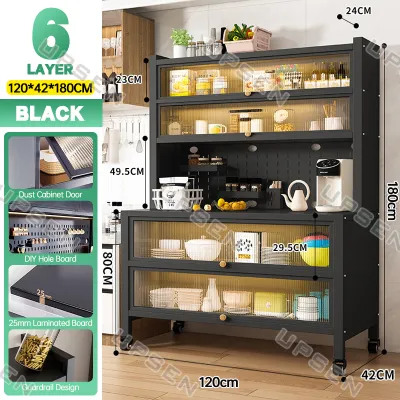
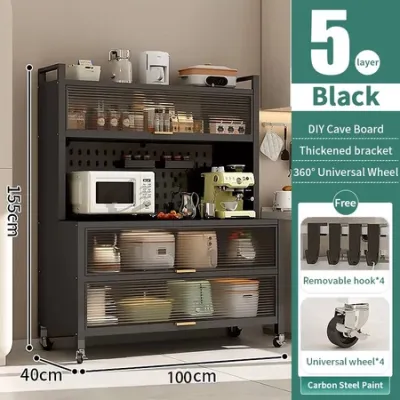
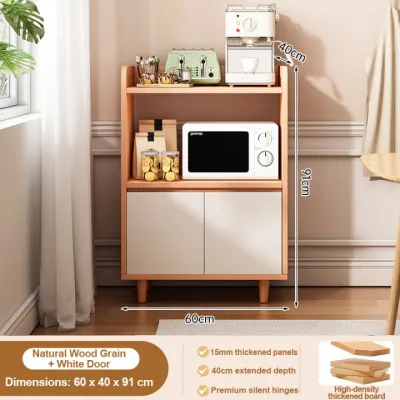
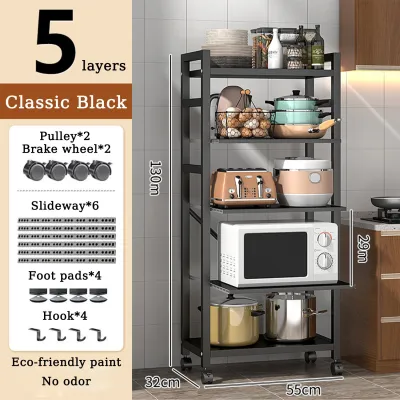
Prices are valid at publication and may change. Please refer to the product page for the latest price.
Electrical safety is another critical factor that requires early planning. Coffee makers and espresso machines are high-wattage appliances that should ideally plug directly into a wall outlet rather than relying on light-duty extension cords. The cabinet should either feature built-in cable management paths or allow for easy modifications to route power cords neatly to the nearest wall socket.
Finally, flexible interior storage is essential for housing the diverse accessories that accompany a coffee hobby. From tall syrup bottles and bulk bags of coffee beans to delicate ceramic mugs and espresso cups, your storage needs will change over time. Adjustable shelves allow you to customize the interior layout, maximizing vertical space and keeping your dining area free of clutter.
Evaluating Countertop Space and Appliance Clearance
When planning your coffee nook, start by measuring the exact footprint of your coffee maker or espresso machine, along with any secondary equipment like an electric kettle or a standalone burr grinder. Standard home espresso machines often require a depth of at least 40 to 50 centimeters to sit securely on the surface. Ensure you leave at least 5 to 10 centimeters of extra space in front of the machine to catch stray coffee grounds and provide a stable landing zone for your cups.

Vertical clearance is a frequently overlooked dimension that can disrupt your daily workflow. Many drip brewers and espresso machines feature top-loading water reservoirs or bean hoppers that open upward. Measure the distance from the cabinet countertop to the underside of any overhead shelves or wall-mounted cabinets to ensure you can fully open these lids without sliding the heavy machinery forward every time you need a refill.
In addition to the main appliances, your countertop must accommodate the small tools used during preparation. A dedicated zone for a knock box, a milk frothing pitcher, a tamping mat, and a scale keeps the workflow organized. If your buffet cabinet is too narrow, these items will spill over into your active brewing space, increasing the likelihood of knocks, drops, and messy workspaces.
The direction of your workflow also dictates how much width you need. A logical coffee preparation sequence typically moves from one side to the other—starting with grinding, moving to tamping, brewing, and finally discarding the grounds. A cabinet with a width of at least 100 to 120 centimeters provides enough horizontal runway to execute these steps smoothly without crossing your arms or moving hot liquids over delicate electronics.
Planning for Power Access and Cable Management
A functional coffee station requires a reliable and safe power supply. High-wattage heating appliances, such as espresso machines and rapid-boil kettles, draw significant electrical current. Plugs should connect directly to a grounded wall outlet to prevent overheating. If the buffet cabinet blocks the outlet, you will need to plan how the cords will reach the wall without being pinched against the baseboards.
To maintain a clean aesthetic, look for buffet cabinets designed with integrated cable management features. Some models include pre-drilled grommets in the back panel or subtle cutouts at the rear of the countertop that allow wires to drop directly into the lower cabinets. If these are not present, check if the back panel is made of thin plywood or medium-density fiberboard (MDF) that can be safely modified with a standard hole saw.
The structural integrity of the cabinet top is equally important when supporting heavy equipment. High-end dual-boiler espresso machines, especially those with brass boilers and solid metal casings, can weigh upwards of 15 to 25 kilograms. Verify the manufacturer’s stated weight capacity for the countertop to ensure it will not sag over time, which can cause water levels in your machine’s reservoir to read inaccurately and put stress on the cabinet joints.
Electrical load management is another crucial consideration for your home’s wiring. When setting up a coffee nook on a buffet cabinet in a dining or living area, verify which circuit the wall outlet belongs to. Running a high-draw espresso machine that pulls 1200 to 1800 watts on the same circuit as other major kitchen appliances can trip your circuit breaker, so planning your outlet usage beforehand is essential for uninterrupted brewing.
Optimizing Storage Depth and Shelf Adjustability
The lower compartments of your buffet cabinet serve as the primary storage for your coffee inventory and maintenance supplies. Deep cabinets are highly beneficial for tucking away bulky items such as large water jugs, back-up bags of coffee beans, and descaling solutions. Ensure the interior depth matches your storage containers so the cabinet doors can close completely without pressing against your items.
Adjustable or removable shelving is a major advantage when organizing coffee gear. Tall carafes, French presses, and travel tumblers require significant vertical space, whereas espresso cups and saucers are best stored on shorter, stacked shelves. Cabinets that utilize a peg-and-hole system allow you to adjust the shelf heights as your collection grows or changes, preventing wasted vertical space.
When comparing cabinet configurations, a mix of drawers and doors offers the best organizational balance. Drawers are ideal for small, easily misplaced accessories such as paper filters, portafilters, tampers, distribution tools, and cleaning brushes. Keeping these items in shallow drawers prevents them from getting lost at the back of deep shelves, while larger doors conceal bulkier items and keep the overall look tidy.
For an even more customized setup, look for cabinets that allow you to install aftermarket pegboards or pull-out wire baskets. These additions make it easier to access items stored at the very back of the cabinet without having to remove everything in front of them. This is especially helpful for storing seasonal mugs or descaling kits that you only need to access occasionally.
Checking Surface Materials for Heat and Moisture Resistance
Coffee preparation inevitably involves heat, steam, and moisture, all of which can damage standard furniture finishes over time. Before finalizing your cabinet choice, review the manufacturer’s specifications regarding the countertop material. Natural wood, veneered particleboard, and low-grade laminates are highly susceptible to swelling, warping, and staining when exposed to standing water or hot cups.
In humid tropical environments, moisture trapped under appliances can quickly lead to mold growth or ruin the wood finish. To mitigate this risk, plan to use protective barriers such as silicone tamping mats, waterproof appliance trays, or elevated trivets. These accessories elevate your equipment slightly off the surface, allowing air to circulate and catching any accidental drips before they reach the cabinet top.
Pay close attention to the quality of the edge banding and joint seals on the cabinet. Poorly sealed joints are the most common entry points for moisture, leading to bubbling laminate or splitting wood. Inspect the seams where the countertop meets the back guard or side panels, and consider applying a thin bead of clear, food-safe silicone sealant along these joints if you anticipate frequent splashes during your daily brewing routine.
Heat dissipation is another factor that can affect both your cabinet and your walls. Some espresso machines, especially those with active cup warmers on top, radiate significant heat from their metal chassis. Ensure there is a gap of at least 5 centimeters between the back of your machine and the wall or any cabinet backing to allow heat to escape safely, preventing heat-induced peeling of paint or wallpaper.
Frequently Asked Questions (FAQ)
Can I use a glass-door display cabinet for a coffee nook?
Yes, you can use a glass-door display cabinet, but it requires careful planning regarding weight distribution and visual organization. Glass shelves have much lower weight capacities than solid wood or metal shelves, making them unsuitable for heavy espresso machines, grinders, or large ceramic collections. If you choose a cabinet with glass doors, ensure the main countertop where the heavy machinery sits is structurally solid, and use the glass-enclosed areas primarily for lightweight glassware, paper filters, and decorative items. Additionally, keep in mind that glass doors will showcase any interior clutter, so you will need to maintain a highly organized storage system inside.
How do I prevent water damage on a wood buffet countertop?
To protect a natural wood countertop from water damage, always use a physical barrier under your brewing equipment. Waterproof silicone mats, stone trays, or raised acrylic boards are excellent options for catching condensation, steam, and spills. Make it a habit to wipe up any standing water or coffee drips immediately with a microfiber cloth, as prolonged exposure can penetrate the wood finish and cause dark stains or warping. If the manufacturer’s care instructions allow, you can also apply a water-resistant sealant or wax to the wood surface periodically to enhance its natural moisture resistance and make daily cleanup easier.
Community discussion
Share your experience or ask a question. Comments are reviewed before publication.