
Selecting a small chair for kids’ study desk setups requires looking beyond bright colors and playful designs. The right chair directly influences a child’s physical comfort, focus, and long-term posture during daily homework and creative activities. Because children grow rapidly, a static, one-size-fits-all seat quickly becomes unsuitable, leading to slouching, restlessness, and fatigue.
In tropical climates like the Philippines, where high humidity and warm afternoons can make sitting for long periods uncomfortable, material choice and ergonomic design play an even larger role. A well-ventilated, highly adjustable chair keeps your child cool and supported, turning their study corner into an inviting space. By focusing on key structural features—such as height alignment, back support, adjustability mechanisms, and base stability—you can select a chair that adapts to your child’s changing needs and fits seamlessly into your home.
Matching Seat Height to the Desk and Child's Proportions
To establish a healthy seating posture, the relationship between the chair’s seat height, the child’s physical proportions, and the desk surface must be carefully balanced. A common benchmark used by ergonomic professionals is the 90-90-90 rule. When your child is seated, their knees, hips, and elbows should all ideally form right angles. Their feet must rest completely flat on a solid surface, their thighs should remain parallel to the floor, and their forearms should rest comfortably on the desk without forcing their shoulders to shrug upward.
Products mentioned in this guide
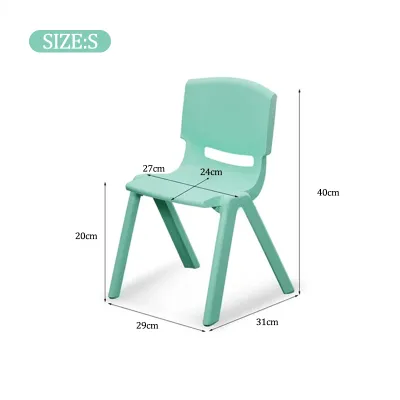
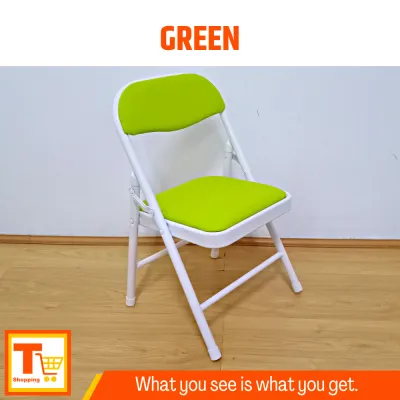
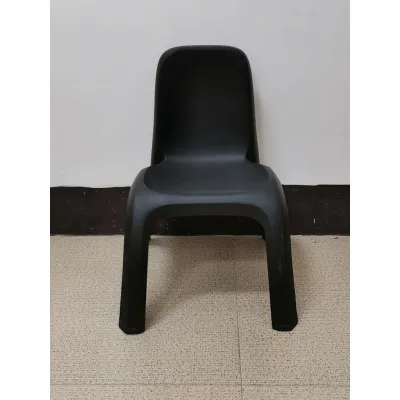
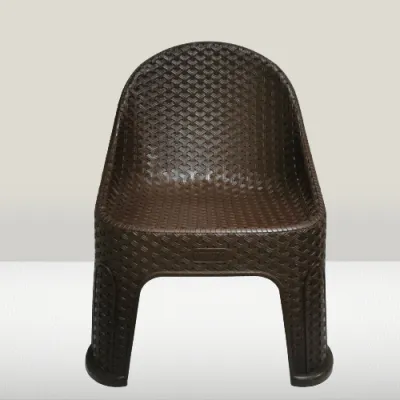
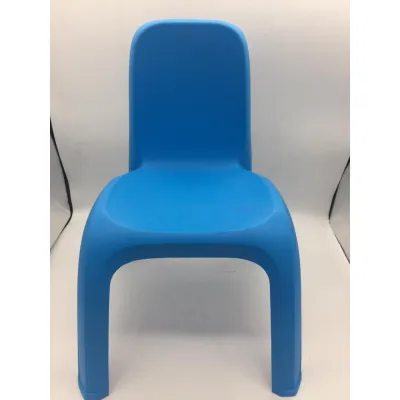


Prices are valid at publication and may change. Please refer to the product page for the latest price.
To verify this before purchasing a small chair for kids, start by measuring your child’s lower leg length. Measure from the back of their knee down to the sole of their foot while they are wearing the footwear they normally use during study time. This measurement represents the ideal seat height. Compare this number directly to the manufacturer’s specified seat height range, which is typically measured from the floor to the top of the seat cushion. Ensure your child’s measurement falls comfortably within the chair’s adjustable range, leaving room for both downward and upward adjustments as they grow.
Next, consider how the chair interacts with your existing study desk. If the desk is a standard adult height (typically around 75 centimeters), a small child will need to sit much higher to reach the tabletop comfortably. In this scenario, raising the chair to match the desk height will inevitably lift the child’s feet off the floor. To prevent their legs from dangling—which strains the lower back and restricts blood circulation—you must pair the height-adjustable chair with a supportive footrest. If the desk itself is height-adjustable, you can lower both the desk and the chair to match the child’s natural seated height, keeping their feet firmly on the ground.
Back Support and Posture Alignment
A child’s spine is continuously developing, making proper back support a critical feature of any study chair. Many small chairs marketed for children are simply scaled-down versions of adult office chairs, which often fail to provide support in the right places. The lumbar support on a child’s chair must be specifically contoured to fit a smaller frame. The lower curve of the backrest should align precisely with the natural inward curve of the child’s lower spine, providing gentle forward pressure that discourages slouching.

The height of the backrest is another key dimension to evaluate. A suitable backrest should reach at least the mid-back or the shoulder blades to provide adequate upper body support. If the backrest is too low, the child may lean backward excessively, straining their neck and shoulders. If it is too high or overly rigid, it can restrict their natural arm movements when writing, typing, or drawing. Look for designs that feature a slightly flexible backrest that moves with the child’s natural shifts in posture while maintaining continuous contact with their back.
Cushion firmness is equally important for maintaining focus and spinal alignment. While a plush, ultra-soft seat might seem comfortable initially, it often causes the child’s pelvis to tilt backward, leading to a rounded spine and eventual discomfort. Prioritize structured, high-density foam cushions that distribute weight evenly and maintain their shape over hours of use. In warm, humid environments, look for backrests made of breathable mesh. Mesh allows air to circulate freely, preventing sweat buildup and keeping the child cool and focused during warm afternoon study sessions.
Adjustability Features for Growing Children
Because children experience rapid growth spurts, a chair with fixed dimensions will quickly become obsolete. Investing in a chair with robust adjustability features ensures long-term usability and continuous ergonomic support. One of the most overlooked adjustability features is seat depth adjustment. The depth of the seat—the distance from the front edge of the cushion to the backrest—must match the length of the child’s thighs. If the seat is too deep, the front edge will press against the back of their knees, restricting circulation and forcing them to slide forward, which deprives their back of support. A chair with an adjustable seat depth allows you to slide the seat pan forward or backward to maintain a two-to-three-finger gap behind the knees.
Another valuable feature is a height-adjustable backrest or a modular growth mechanism. These systems allow the backrest to slide independently of the seat, accommodating a lengthening torso. As your child grows taller, you can raise the backrest to ensure the lumbar support remains aligned with their lower spine. Some advanced models feature a synchronized adjustment system where raising the seat automatically increases the seat depth and backrest height, simplifying the fitting process.
For younger children using standard-height desks, built-in or detachable footrests are essential. A height-adjustable footrest that attaches directly to the chair’s cylinder or frame provides a stable platform for the feet when the seat is raised high. Look for footrests that can be adjusted both vertically and horizontally, allowing you to fine-tune the position as your child’s legs grow longer. Once the child is tall enough for their feet to reach the floor naturally, the footrest can be detached entirely.
Safety, Stability, and Base Design
Children are naturally active, often shifting, leaning, and reaching for school supplies while seated. Therefore, the safety and stability of the chair’s base design are paramount. A wide, heavy base is essential to prevent the chair from tipping over when the child leans forward or sideways. Look for a five-star base design, which provides significantly better stability and weight distribution than a four-star or three-star alternative. The base should be constructed from durable materials, such as reinforced nylon or steel, to withstand daily wear and tear.
The choice of casters, or wheels, should depend on your home’s flooring and your child’s activity level. For younger children who are easily distracted or prone to sliding around, stationary glides or weight-activated locking casters are highly recommended. Weight-activated casters lock automatically when weight is applied to the seat, preventing the chair from rolling away when the child sits down or stands up. Once the child stands, the lock releases, allowing the chair to be pushed easily under the desk. If your study area has smooth tile or wooden floors, look for soft polyurethane casters that roll quietly and prevent scratching.
Additionally, inspect the chair’s mechanical joints and adjustment levers for potential safety hazards. Ensure that all moving parts, such as gas lifts and sliding brackets, are enclosed or designed to eliminate pinch points where small fingers could get caught. Always verify the manufacturer’s stated maximum weight limit on the product label or manual. Even though the chair is designed for a child, a higher weight capacity often indicates stronger structural joints and more durable materials that can handle the dynamic forces of an active child.
Space, Assembly, and Pre-Purchase Verification
Before finalizing your purchase, it is crucial to perform a thorough spatial and practical verification. Start by measuring the physical footprint of your child’s study corner. Measure the width between the desk legs or drawers to ensure the chair can slide fully underneath when not in use. This is especially important in compact bedrooms or shared living spaces where saving floor space is a priority. Additionally, check the height of the desk’s underside or keyboard tray to ensure the chair’s armrests or seat frame will not collide with the desk when pushed in.
If you are ordering the chair online, verify the boxed dimensions against your home’s entryways. Ensure the package can easily pass through narrow doorways, hallways, or apartment elevators. Once the chair arrives, carefully review the assembly instructions. Look for chairs that utilize metal-to-metal threaded connections rather than wood screws driven directly into plastic or composite materials, as metal threads provide a much more secure, wobble-free assembly that remains stable over years of use. Ensure all required tools are included, or have a standard screwdriver and hex key set ready.
Finally, evaluate the maintenance and durability of the materials. In tropical climates, dust, sweat, and occasional spills are inevitable. Check the care labels and surface treatment instructions for the upholstery. Wipeable materials like high-quality polyurethane (PU) leather or water-resistant treated fabrics are highly practical, as they can be cleaned easily with a damp cloth. Avoid delicate fabrics that trap dust and moisture, which can lead to mold growth or unpleasant odors in humid conditions. Regularly inspect the structural fasteners and tighten any loose bolts to maintain the chair’s stability and safety.
Frequently Asked Questions (FAQ)
Is a footrest necessary if the chair is height-adjustable?
Yes, a footrest is often necessary even if the chair is height-adjustable. If you must raise the chair to align your child’s arms with a standard-height desk, their feet will likely dangle above the floor. Dangling legs put pressure on the back of the thighs, restricting blood circulation and causing discomfort. A footrest provides a stable platform that supports the feet, stabilizes the pelvis, and helps maintain a healthy upright posture.
Should a child's study chair have armrests?
Armrests can be beneficial for supporting the elbows during reading or resting, but they are not always necessary and can sometimes be a hindrance. In tight study spaces, armrests may prevent the chair from sliding fully under the desk, taking up valuable floor space. They can also restrict lateral movement when writing or drawing, or tempt the child to lean heavily to one side, misaligning their spine. If you choose a chair with armrests, look for adjustable or flip-up designs that can be moved out of the way when needed.
How often should I re-evaluate the chair's fit?
You should re-evaluate the chair’s fit at least once a year, ideally at the start of the school year, or immediately following a noticeable growth spurt. During this check, have your child sit in the chair and verify that their feet rest flat, their knees and hips form right angles, and the lumbar support still aligns with their lower back. Adjust the seat height, seat depth, and backrest position as needed to accommodate their growth and ensure continuous ergonomic support.

Community discussion
Share your experience or ask a question. Comments are reviewed before publication.