
A small plastic chair, locally referred to as an upuan na plastic maliit, is an incredibly practical and accessible choice for a child’s study desk setup. To be truly suitable for a back-to-school study area, however, the chair must balance physical ergonomics with robust safety features and durable material construction. It should not merely be a downsized version of an adult seat; instead, it needs to support a child’s developing posture, withstand the energetic movements of active learners, and fit seamlessly within the physical limits of your home’s study corner.
When setting up a dedicated learning space at home, parents often face the challenge of finding furniture that accommodates rapid growth while remaining easy to manage. A well-designed small plastic chair addresses these challenges by offering a lightweight, sanitary, and highly portable seating solution. By evaluating specific design features—such as backrest curvature, seat edge design, base stability, and material safety—you can select a chair that fosters focus, comfort, and physical well-being throughout the school year.
Why a Small Plastic Chair Fits the Back-to-School Study Corner
Setting up a dedicated study space for children often requires working with limited square footage. Whether you are arranging a corner in a shared bedroom, utilizing a spot in the living room, or setting up a small desk in a dedicated study area, maximizing space is crucial. A small plastic chair offers an exceptionally compact footprint, making it easy to tuck under a desk when not in use. This space-saving quality ensures that the study area remains organized and does not obstruct busy household walkways.
Products mentioned in this guide
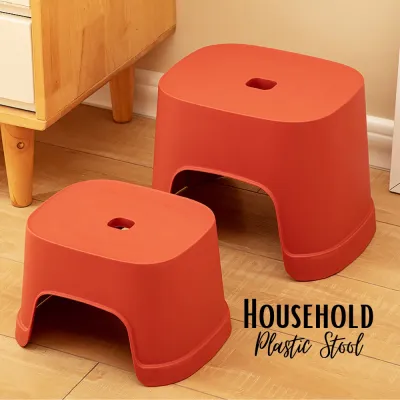

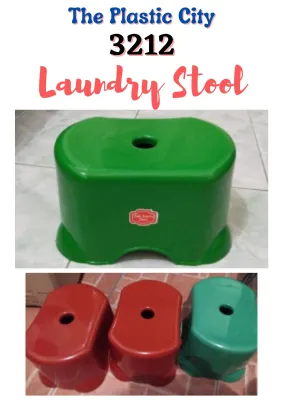


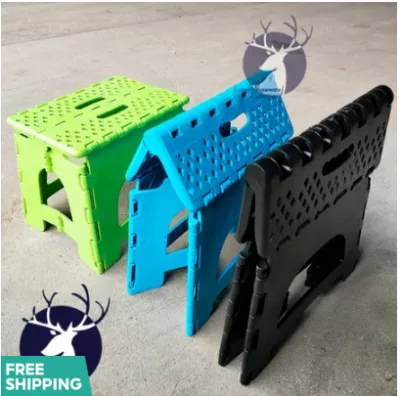
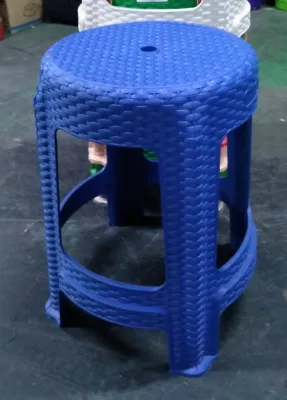
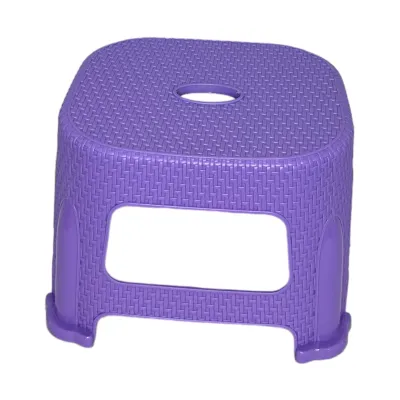
Prices are valid at publication and may change. Please refer to the product page for the latest price.
The lightweight nature of plastic furniture is another significant advantage for growing children. Unlike heavy wooden or metal chairs, a small plastic chair can be easily lifted, pushed, or rearranged by the child without adult assistance. This independence empowers children to take ownership of their study environment, allowing them to pull up their chair when it is time to study or move it aside for floor-based activities. It also simplifies daily room cleaning, as the chair can be effortlessly moved to sweep or mop the floor beneath the desk.
Furthermore, children’s study sessions are rarely pristine. From spilled juice and scattered snack crumbs to stray crayon marks, watercolor drips, and glue spills, a child’s workspace undergoes significant wear and tear. Plastic is inherently non-porous and highly resistant to moisture, making it incredibly easy to clean. A simple wipe with a damp cloth is usually all it takes to restore the surface, ensuring that the study corner remains hygienic and presentable with minimal maintenance effort.
Ergonomic and Design Features to Prioritize for Growing Kids
While convenience and ease of cleaning are important, the ergonomic design of the chair directly impacts your child’s physical comfort and ability to focus during study sessions. Children spend hours sitting at their desks reading, writing, and completing tasks, making proper spinal alignment essential. When evaluating a small plastic chair, look closely at the shape of the backrest. A completely flat or rigid backrest forces the child to slouch or lean forward, straining their developing spine. Instead, prioritize a chair with a gentle ergonomic curve that mimics the natural S-shape of the spine, providing crucial support to the lower lumbar region.

The dimensions of the seat pan—specifically its depth and width—must also match the child’s physical proportions. If the seat is too deep, the child will be forced to lean back to reach the backrest, which pulls their knees away from the seat edge and can cause them to slide forward. Ideally, the seat should support the entire length of the child’s thighs while leaving a small gap of about two to three fingers between the back of the knees and the front edge of the seat. This ensures that the child can sit fully back against the support of the chair without experiencing uncomfortable pressure on the back of their legs.
Another critical design detail is the contour of the seat’s front edge. Look for chairs featuring a rounded or “waterfall” front edge that slopes gently downward. Sharp, square edges can press into the back of the thighs, compressing blood vessels and nerves, which leads to numbness, tingling, and poor circulation during longer study sessions. A waterfall edge distributes the child’s weight more evenly across the thighs, promoting healthy blood flow and reducing the urge to constantly fidget or shift positions out of discomfort.
Proper foot support is the foundation of good sitting posture. When a child’s feet dangle in the air, it places immense strain on their lower back and thighs, leading to fatigue and poor concentration. The ideal chair height allows the child’s feet to rest completely flat on the floor. If you are using a slightly elevated chair to match a taller desk, ensure the chair features a built-in footring or a stable footrest. This provides the necessary counter-pressure to stabilize the pelvis, allowing the child to sit upright comfortably without slouching.
Safety and Durability Checks for Active Learners
Children are naturally active, and their seating habits often reflect this energy. A child’s study chair must be structurally sound and stable enough to handle sudden movements, shifting weight, and the occasional lean. Before purchasing, always check the manufacturer’s stated weight capacity on the product label or specifications sheet. While a plastic chair might look sturdy, choosing one with an inadequate load rating can lead to structural failure, especially when a child shifts their weight rapidly or leans heavily to one side.
Evaluate the overall stability of the chair by examining its base width and leg splay. Chairs with legs that extend slightly outward beyond the perimeter of the seat pan offer a much broader base of support, significantly reducing the risk of tipping. Children frequently lean backward, reach sideways for school supplies, or twist in their seats. A wide, splayed leg design resists these lateral forces, keeping the chair firmly planted on the ground and preventing accidental backward or sideways falls.
Material safety is another paramount consideration for children’s furniture. Carefully read the product specifications to verify that the chair is constructed from high-quality, non-toxic, and BPA-free plastics. Additionally, perform a physical inspection of the chair’s surface. Check for sharp molding seams, rough plastic edges, or protrusions left over from the manufacturing process. These minor defects can easily scratch sensitive skin or snag clothing, so it is best to choose chairs with smooth, fully finished edges and seamless joints.
The type of flooring in your home also dictates the safety features required on the chair’s legs. Many homes feature smooth ceramic tiles, polished concrete, or hardwood floors, which can be quite slippery. To prevent the chair from sliding out from under the child when they sit down or stand up, ensure the legs are equipped with high-quality anti-slip feet. Look for durable rubber or textured plastic caps securely fitted to the bottom of each leg. These caps provide essential traction, dampen noise when the chair is moved, and protect your flooring from unsightly scratches.
Sizing the Chair to Your Child and the Study Desk
Achieving the perfect ergonomic setup requires matching the chair’s fixed dimensions to both your child’s current height and the dimensions of their study desk. A helpful framework for evaluating this fit is the 90-90-90 rule. When your child is seated comfortably with their back against the backrest, observe their posture from the side. Their hips, knees, and ankles should each form approximately a 90-degree angle, with their feet resting flat on the floor or footrest. This alignment minimizes joint strain and distributes body weight evenly, fostering a comfortable and focused learning environment.
Next, consider the physical relationship between the chair and the study desk. Measure the desk’s under-clearance—the vertical distance from the floor to the lowest underside of the desk frame or drawer. The chair’s seat height, along with any armrests if present, must allow the chair to slide smoothly underneath the desk when pushed in. This not only saves valuable floor space when the study area is not in use but also allows the child to sit close enough to the desk surface to write and read without having to lean forward excessively.
Because most small plastic chairs feature a fixed, non-adjustable height, taking precise measurements before buying is essential. Measure the distance from the floor to your child’s knee joint to determine the ideal seat height. Then, measure the height of your desk surface and subtract the ideal seat height; this difference represents the desk-to-seat clearance. For optimal comfort, this clearance should typically fall between 18 to 23 centimeters, giving the child’s thighs plenty of room to move freely under the desk without bumping into the underside of the table.
Practical Care Tips for Plastic Furniture in a Tropical Climate
Maintaining plastic furniture in a warm, humid, and tropical environment requires a few specific care strategies to ensure the chair remains safe and structurally sound over time. For daily cleaning, avoid using harsh chemical solvents, abrasive scrubbing pads, or strong bleach solutions, as these can degrade the plastic polymer, strip away protective finishes, and cause unsightly discoloration. Instead, establish a simple routine of wiping the chair down with a soft microfiber cloth dampened with mild dish soap and warm water. This easily removes sweat, oils, pencil marks, and dirt without compromising the material’s integrity.
Sunlight exposure is another critical factor in a tropical climate. While it may be tempting to position the study desk directly in front of a bright window for natural light, prolonged exposure to direct ultraviolet (UV) rays can cause plastic to become brittle, fade, and develop micro-cracks over time. To maximize the lifespan of the chair, position the study setup slightly away from direct sunlight or use sheer curtains to filter the intense midday rays. This simple adjustment prevents the plastic from losing its structural flexibility and strength.
Finally, make it a habit to perform regular safety inspections of the chair. Every few months, closely examine the leg joints, the underside of the seat pan, and the backrest connections for any signs of material fatigue. Look for stress cracks, hairline fractures, or areas where the plastic has turned white or cloudy, which often indicates that the material is under excessive strain or beginning to wear out. Catching these signs early allows you to replace the chair before a structural failure occurs, keeping your child’s study environment safe, secure, and ready for learning.
Community discussion
Share your experience or ask a question. Comments are reviewed before publication.