
Selecting a cabinet for baby clothes requires prioritizing safety, accessibility, and climate adaptability over mere aesthetics. Unlike standard adult wardrobes, a nursery cabinet must accommodate a high volume of tiny garments, facilitate rapid one-handed retrieval during diaper changes, and withstand high humidity levels without harboring mold.
Finding the right cabinet for baby clothes involves evaluating specific design details such as shallow drawer depths, adjustable shelving systems, and robust anti-tip hardware. By focusing on these practical elements, you can find a storage solution that keeps your nursery organized and safe for your growing child.
Quick Guide: Selecting a Cabinet for Baby Clothes
Nursery storage presents a unique set of challenges because baby garments are small, numerous, and constantly rotated. During the first year, a baby may go through several outfit changes a day, making rapid retrieval and efficient organization absolute priorities. A standard deep wardrobe often leads to small items getting lost in dark corners, resulting in unused clothing and unnecessary clutter.
Products mentioned in this guide
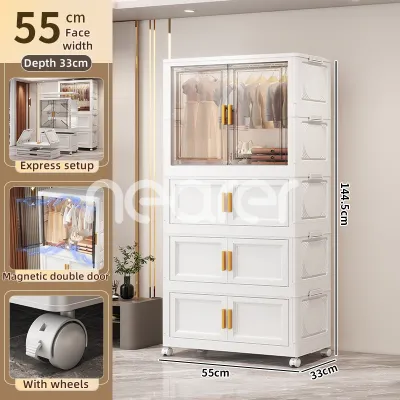
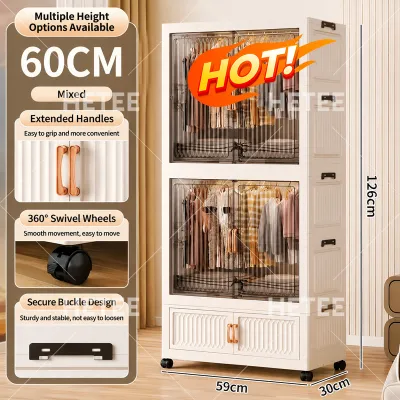
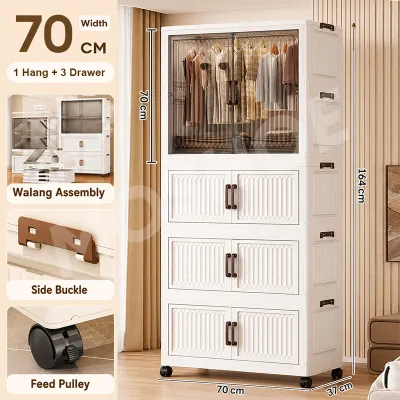
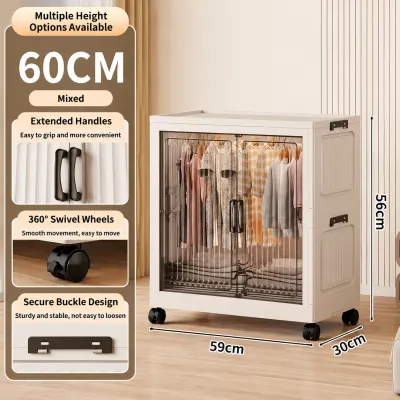
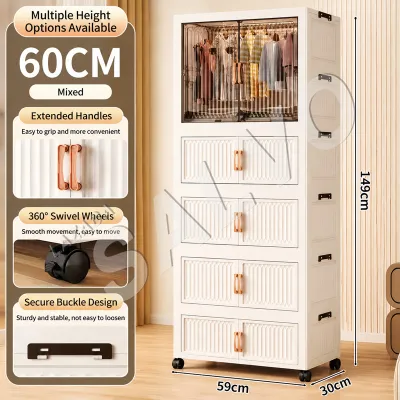
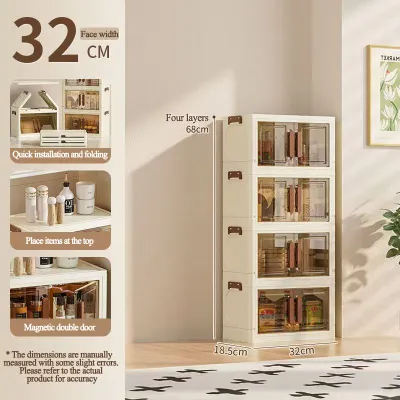
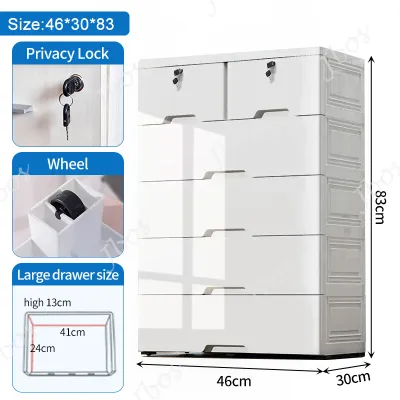
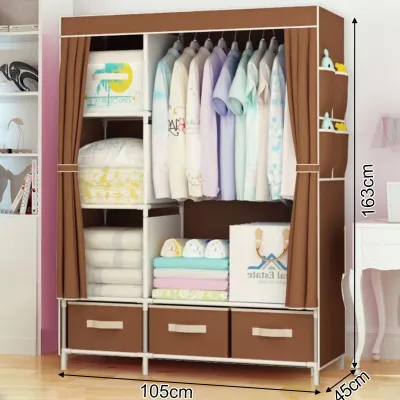
Prices are valid at publication and may change. Please refer to the product page for the latest price.
To streamline your search, focus on a few non-negotiable features that define a practical cabinet for baby clothes. Prioritize units equipped with certified anti-tip hardware, shallow drawers that accommodate modular dividers, and adjustable shelving that can be reconfigured as your child grows. Additionally, look for built-in ventilation features, such as slatted doors or breathable back panels, which are essential for managing moisture and preventing musty odors in humid climates. By evaluating these physical design elements and verifying manufacturer specifications rather than relying on marketing claims, you can select a safe, functional piece that serves your family for years.
Safety and Stability: Non-Negotiable Features for Nurseries
Safety must always be the primary consideration when selecting any piece of furniture for a child’s room. Babies quickly transition into curious toddlers who view drawers as climbing steps, making stability and material safety paramount.

Anti-Tip and Anchoring Systems Every freestanding cabinet used in a nursery must be securely anchored to the wall to prevent tip-over accidents. When evaluating a cabinet for baby clothes, check the product specifications to ensure it includes a dedicated wall-anchoring kit. These kits typically consist of heavy-duty brackets, steel cables, or high-tensile nylon straps designed to secure the back of the cabinet directly into wall studs. Before assembly, read the manufacturer’s installation instructions to confirm compatibility with your specific wall type, whether concrete, drywall, or brick. Never skip this installation step, as even relatively short cabinets can tip forward when multiple drawers are pulled open simultaneously.
Non-Toxic Finishes and Adhesives Infants are highly sensitive to airborne chemicals and frequently explore their environment by touching or chewing on accessible surfaces. To protect your baby’s developing respiratory system, look for cabinets finished with non-toxic, low-VOC (volatile organic compounds) paints, stains, and sealants. You can verify these safety standards by looking for specific product labels or manufacturer certifications, such as Greenguard Gold or compliance with EN71-3 standards. Avoid assuming a cabinet is safe based solely on terms like “natural” or “eco-friendly,” as these marketing labels are not legally binding; instead, look for documented testing compliance on the product packaging or official brand documentation.
Hardware Safety and Child-Friendly Edges The physical hardware and structural edges of the cabinet should minimize the risk of minor injuries during daily use. Look for cabinets designed with rounded corners and smooth, chamfered edges rather than sharp 90-degree angles. Soft-close drawer slides are another critical feature, as they prevent drawers from slamming shut on tiny, inquisitive fingers and reduce the noise of closing drawers during naptime. Additionally, consider cabinets with recessed, flush-mount, or integrated cutout handles. These designs eliminate protruding knobs that can catch on clothing, cause painful bumps, or serve as convenient footholds for climbing toddlers.
Storage Layout: Designing for Accessibility and Daily Use
An efficient internal layout directly impacts how smoothly your daily routine runs, especially during late-night diaper changes and rushed morning preparations.
Drawer Depth and Organization Standard dresser drawers are often too deep for baby clothes, leading to tall stacks of onesies that inevitably tip over and create chaos. For optimal organization, seek out cabinets with shallow drawers measuring between 4 to 6 inches (10 to 15 centimeters) in depth. This shallow profile allows you to utilize the “file-folding” method, where garments are stood upright side-by-side rather than stacked vertically. To maximize this setup, use adjustable or fabric drawer dividers to separate different clothing categories, such as sleep sacks, swaddles, socks, and daily outfits, keeping everything visible at a single glance.
Shelf Spacing and Adjustability Shelving provides excellent storage for bulkier items like diaper packages, receiving blankets, and storage baskets filled with toys or grooming supplies. Look for a cabinet that features adjustable shelf support systems rather than fixed shelves. Adjustable shelf pins allow you to customize the vertical spacing to match the exact height of your storage bins or folded piles, eliminating wasted vertical space. When evaluating these systems, check that the pre-drilled adjustment holes run along the entire height of the cabinet section, giving you maximum flexibility in layout design.
Ergonomic Accessibility When arranging your baby’s cabinet, place the most frequently accessed items within a comfortable ergonomic zone, typically between your waist and chest height. Daily wear, diapers, wipes, and burp cloths should be positioned so you can retrieve them easily without bending down or stretching overhead. This layout is particularly helpful when you need to keep one hand safely on your baby on a nearby changing table. Reserve the lowest drawers or shelves for less frequently used items, such as next-size-up clothing, seasonal outerwear, or extra bedding.
Balancing Folded Storage and Hanging Space
Deciding on the ratio of hanging space to folded storage depends largely on the types of garments you plan to use. While the vast majority of baby clothes—such as cotton onesies, leggings, and pajamas—are best stored folded or rolled in drawers, a dedicated hanging section remains highly useful. Hanging space is ideal for delicate fabrics, structured outfits, dresses, or small jackets that might wrinkle easily.
When assessing a cabinet’s hanging area, look for an adjustable hanging rod that can be positioned at various heights. Since baby clothes are short, a single full-height wardrobe section often leaves a large amount of empty space at the bottom. An adjustable or double-rod system allows you to hang two rows of infant garments simultaneously, effectively doubling your hanging capacity. As your child grows and their clothing lengths increase, you can easily remove the lower rod and raise the upper one to accommodate larger garments.
Adjustability: Choosing a Cabinet That Grows With Your Child
Investing in nursery furniture can be costly, so selecting a versatile cabinet that adapts to your child’s developmental stages ensures excellent long-term value.
Convertible Designs Many modern nursery cabinets feature convertible designs, such as a removable changing table topper secured to the top surface. During the infancy stage, this topper provides a secure, dedicated space for diaper changes with protective safety barriers. Once your child outgrows diapers, you can unscrew the rear-mounted brackets, remove the topper completely, and transition the unit into a classic chest of drawers. This convertible functionality prevents the furniture from becoming obsolete after the first two years, allowing it to blend seamlessly into a toddler or school-age bedroom.
Adjustable Internal Components As your child grows, their clothing dimensions will change dramatically, requiring a highly adaptable storage system. Look for cabinets with modular internal components, such as removable drawer dividers, repositionable shelves, and adjustable hanging rods. A cabinet that accommodates these changes can easily transition from storing tiny infant onesies to housing larger toddler jeans, school uniforms, and sports gear. This adaptability saves you from having to purchase entirely new storage systems every few years as your child’s wardrobe requirements expand.
Evaluating Structural Longevity To ensure the cabinet survives years of reconfigurations and daily use, pay close attention to the quality of the adjustable hardware. Inspect the shelf support pins; solid metal pins are far more durable and less prone to shearing under weight than cheap plastic pegs. Similarly, look for pre-drilled holes lined with metal-threaded inserts rather than bare wood or particle board holes. Metal inserts allow you to move shelf supports and hanging rods repeatedly without stripping the threads or weakening the structural panels, preserving the cabinet’s stability over its entire lifespan.
Ventilation and Materials: Managing Humidity in Tropical Climates
Operating in a tropical climate like the Philippines introduces unique challenges for furniture maintenance and fabric preservation, primarily due to high relative humidity.
Airflow and Ventilation Stagnant, humid air trapped inside a tightly sealed cabinet creates an ideal breeding ground for mold, mildew, and musty odors, which can ruin delicate baby clothes and irritate sensitive skin. When selecting a cabinet for baby clothes, look for designs that actively promote continuous airflow. Features such as slatted or louvered door panels, decorative cutouts, or a perforated back panel allow fresh air to circulate through the interior. This constant ventilation helps keep stored fabrics dry and fresh, reducing the risk of mold spores developing on cotton and linen garments.
Moisture Resistance and Surface Care High humidity can cause poorly constructed furniture to absorb moisture, leading to warping, swelling, and joint separation. When reviewing product descriptions, check the manufacturer’s specifications for humidity-resistant treatments, protective sealants, or robust edge banding. It is important to note that material names alone do not guarantee performance; for instance, solid wood can warp if not properly sealed, while engineered woods like MDF (medium-density fiberboard) require high-quality, water-resistant laminates or veneers to prevent moisture absorption. Always check the manufacturer’s care instructions to understand how the surfaces respond to humid conditions and what cleaning agents are safe to use.
Easy-to-Clean Surfaces Nursery cabinets are frequently exposed to accidental spills from baby oils, liquid lotions, diaper creams, and sanitizing solutions. To maintain a hygienic environment, choose a cabinet with smooth, non-porous interior and exterior finishes that can be wiped clean effortlessly. High-pressure laminates, water-based polyurethane coatings, and melamine finishes offer excellent resistance to staining and moisture penetration. Avoid rough, unsealed, or highly textured surfaces that can trap dust, lint, and chemical residues, making deep cleaning difficult and time-consuming.
Space Planning: Dimensions, Clearances, and Delivery Checks
Before making a final purchase, you must verify that the cabinet physically fits your nursery layout and can be safely transported into your home.
Nursery Footprint and Clearances Accurately measure the designated floor area in your nursery, keeping in mind that a cabinet requires more space than its static footprint suggests. You must account for the clearance required to fully extend drawers and swing open cabinet doors without obstructing walkways or hitting other furniture. Ensure there is enough space for you to stand comfortably in front of the open cabinet while holding your child. A tight layout that forces you to squeeze past a half-open drawer near the crib or changing table creates an unnecessary physical hazard in the room.
Delivery Pathway Verification One of the most common delivery issues is finding that a newly purchased cabinet cannot fit through the entryways of a home. This is particularly critical in urban environments, such as high-rise condominiums or multi-story townhouses, where tight stairwells, low elevator ceilings, and narrow hallways are common. Measure every door frame, corridor corner, and elevator entrance along the delivery route from the street to the nursery. Check whether the cabinet is shipped flat-packed for home assembly or delivered as a pre-assembled unit, and compare these packaging dimensions against your measured clearance pathways to avoid delivery failures.
Weight and Floor Protection A fully loaded cabinet for baby clothes can be surprisingly heavy, placing concentrated pressure on your nursery flooring. Check the product specifications for the unit’s net weight and look for designs that distribute weight evenly across a flat base or sturdy, wide legs. To prevent scratches, indentations, or discoloration on delicate flooring materials like wood laminates, vinyl tiles, or soft carpets, always install high-quality floor protectors. Felt pads or rubber coasters attached to the bottom of the cabinet legs will safeguard your floors and make slight adjustments to the cabinet’s position much easier during room cleaning.
Frequently Asked Questions (FAQ)
Do I really need a separate cabinet for baby clothes?
While not strictly mandatory, a dedicated cabinet for baby clothes offers significant organizational advantages, especially during the hectic first year. It keeps tiny, frequently used items organized and accessible right next to your changing station, saving you from searching through a large adult wardrobe. However, if your nursery has limited space or you prefer a budget-friendly approach, you can successfully adapt a shared closet. Using hanging fabric organizers, shallow storage bins, and adjustable drawer inserts can turn a portion of an adult closet into an efficient baby clothing station.
How deep should drawers be for baby clothes?
Drawers designed for baby clothes are most effective when they are relatively shallow, ideally between 4 to 6 inches (10 to 15 centimeters) deep. Standard deep drawers, which often measure 8 inches or more, cause tiny onesies, bibs, and socks to get buried under multiple layers, making it difficult to find what you need quickly. Shallow drawers allow you to arrange garments using the file-folding method, where every item is visible at a single glance. Combining shallow drawers with modular fabric organizers or plastic dividers prevents small items from shifting and sliding around.
Is it safe to buy a second-hand cabinet for a baby's room?
Buying a second-hand cabinet can be an excellent way to save money, provided you conduct a thorough safety and quality inspection. First, verify that the cabinet is structurally sound, with stable joints, smooth drawer slides, and no missing hardware. Second, check the surfaces carefully; avoid older furniture that may have been finished with lead-based paints, and look for any peeling or chipping finishes. Third, always purchase and install a brand-new, certified wall-anchoring kit, as the original hardware is often missing or compromised. Finally, cross-reference the manufacturer and model name online to ensure the unit has not been subject to safety recalls.
Community discussion
Share your experience or ask a question. Comments are reviewed before publication.