
Choosing the right clear organizer storage box for a residential move involves balancing immediate visibility with structural survival. While traditional cardboard boxes remain a staple for moving, clear plastic containers offer the distinct advantage of letting you identify contents at a glance, which dramatically simplifies the unpacking process in your new home. However, not all plastic bins are built to withstand the physical rigors of being stacked in a moving truck, carried up narrow stairwells, or exposed to unpredictable weather. To ensure your belongings arrive intact, you must evaluate specific design features such as structural reinforcement, latch security, material composition, and dimensional uniformity. Selecting boxes with these key characteristics prevents costly cracks, spills, and collapsed stacks during transit.
Stackability and Structural Design for Safe Transit
When loading a moving vehicle, maximizing vertical space is essential for an efficient trip. Clear storage boxes must be designed to stack securely without shifting, sliding, or buckling under pressure. Look closely at the lid and base design of the containers. High-quality organizer boxes feature deeply recessed lids with matching raised ridges on the bottom of the base. This interlocking design creates a nested fit that prevents the upper box from sliding off the lower one when the moving truck encounters sudden stops, sharp turns, or uneven road surfaces. Without these nesting channels, smooth plastic surfaces can easily slide against one another, leading to dangerous tip-overs inside the vehicle.
Beyond the lid interface, the structural integrity of the box walls determines how much weight the container can support. Standard plastic bins often bow outward when subjected to vertical pressure, which can cause the lid to pop off or the entire stack to collapse. To prevent this, look for boxes engineered with reinforced corners and vertical ribbing along the side walls. These structural ribs act as pillars, distributing the downward force of stacked items evenly to the floor. Reinforced rims around the top edge of the box also add crucial rigidity, keeping the container’s opening square and preventing the plastic from warping under heavy loads.
Products mentioned in this guide
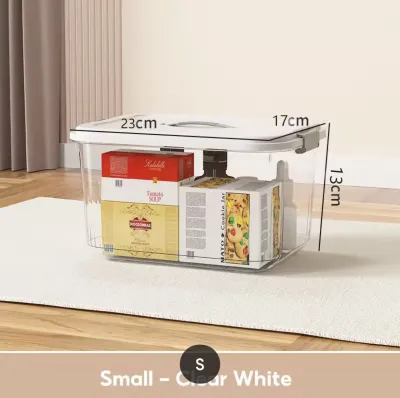
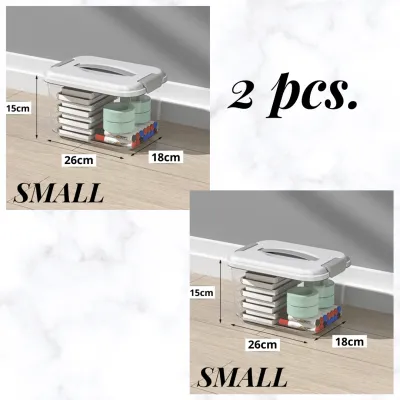
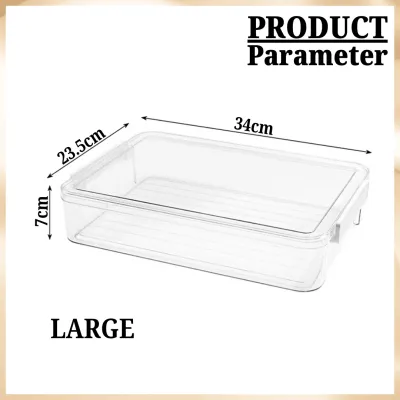
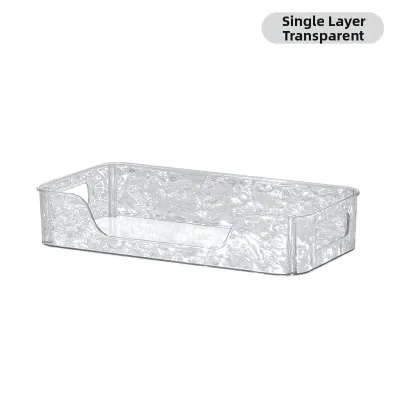
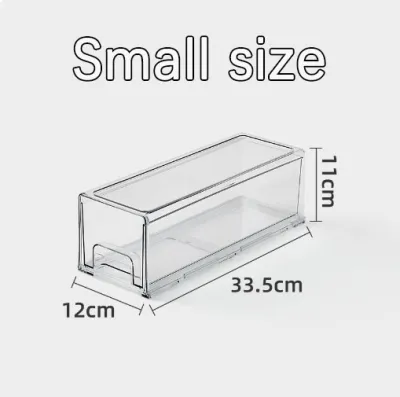
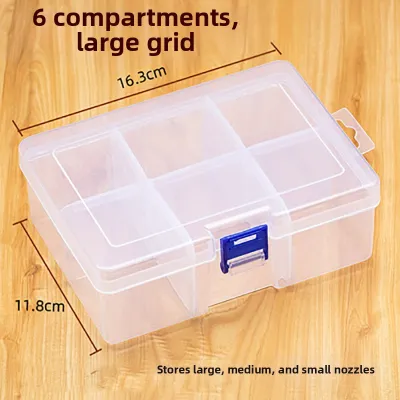

Prices are valid at publication and may change. Please refer to the product page for the latest price.
Before stacking your packed boxes, always verify the manufacturer’s structural guidelines. Many heavy-duty clear bins list a maximum stack height or a specific load limit on their product labels or specification sheets. While a box might feel sturdy on its own, stacking it several units high can exceed its structural limits, especially if the bottom box contains heavier items. A safe practice is to place the heaviest, most rigid containers at the base of the stack and lighter, more flexible items near the top. Regularly inspect the bottom boxes during the packing process to ensure there is no visible bowing or stress whitening in the plastic, which indicates the material is reaching its failure point.
Lid Security and Latching Mechanisms
A storage box is only as reliable as its lid security. During a move, boxes are subjected to constant vibrations, tilting, and occasional drops, making a secure closure system vital. Simple snap-on lids, which rely solely on friction to stay attached, are highly susceptible to popping open when the box is flexed or compressed. For moving purposes, prioritize boxes equipped with multi-point latching systems. These latches, typically located on the shorter ends of the box, mechanically clamp the lid to the base. Heavy-duty latches made of thick, impact-resistant plastic or metal wire bails provide a positive lock that will not release even if the box is accidentally tipped on its side during transit.

In tropical climates where sudden downpours, high humidity, and pests are common, protecting your belongings from environmental factors is just as important as physical security. When staging boxes outdoors, loading them onto an open truck bed, or storing them temporarily in a garage, look for clear boxes that feature an integrated rubber or foam gasket seal inside the lid rim. When the latches are engaged, this gasket compresses against the box rim, creating a barrier against moisture, dust, and insects. This is particularly crucial for protecting sensitive items like electronics, books, seasonal clothing, and kitchenware from mold and pest infestation during the transition period.
Additionally, consider the ergonomics and durability of the latches themselves. During a busy moving day, you will likely be wearing heavy-duty work gloves to protect your hands. Latches that are too small, brittle, or difficult to grip can become a major source of frustration and can easily snap off under pressure. Test the latching mechanism to ensure it operates smoothly with a distinct, audible click that confirms a secure lock. Robust, wide-grip latches allow you to secure and open the boxes quickly and comfortably, even when your hands are covered or fatigued from hours of lifting.
Material Durability and Weight Capacity
The durability of a clear storage box depends heavily on the type of plastic used in its construction. Not all clear plastics behave the same way under stress. Many inexpensive, highly transparent boxes are made from brittle plastics like polystyrene, which can easily crack or shatter when dropped or subjected to heavy impacts. For moving, look for containers made from impact-resistant polymers such as polypropylene or polycarbonate. Polypropylene is highly favored for moving boxes because it offers an excellent balance of flexibility and strength; it tends to bend or deform slightly under extreme stress rather than cracking. You can identify these materials by checking the recycling code or material indicator stamped on the bottom of the box, usually represented by a number 5 inside a triangle for polypropylene.
The design of the handles is another critical factor in material durability. When a box is fully loaded, the entire weight of the contents is transferred to your hands through the carrying handles. Cheaply made boxes often have simple molded lips that can cut into your fingers or tear away from the box body under heavy loads. Look for boxes with integrated, ergonomically molded handles that feature reinforced plastic webbing underneath. These reinforced handles distribute the weight across a larger surface area, reducing hand strain and preventing the plastic from tearing or shearing off when you lift the box out of a tight space or carry it up a flight of stairs.
To prevent structural failure, you must match each box’s rated weight capacity to the items you plan to pack. It is a common mistake to pack large, clear boxes with dense, heavy items like books, tools, or ceramic dishes simply because they fit. This can easily exceed the weight capacity of the plastic, leading to handle failure or a cracked base when lifted. Instead, reserve large clear boxes for lightweight, high-volume items such as blankets, pillows, winter clothing, or plush toys. Use smaller, structurally reinforced clear bins for heavy items, ensuring that the total weight remains well within the manufacturer’s specified limits and remains safe for a single person to lift.
Size Options and Space Optimization
Efficient space utilization is the key to a successful and cost-effective move. To maximize the cargo space inside a moving truck or personal vehicle, it is highly beneficial to standardize your clear storage boxes into a few uniform sizes. Using a chaotic mix of mismatched containers creates awkward gaps and unstable stacks, wasting valuable truck space and increasing the risk of items shifting during transit. By selecting two or three complementary sizes from the same product line—such as a small, medium, and large option that share the same footprint dimensions—you can create neat, interlocking columns that fit together like puzzle pieces, optimizing every cubic meter of transport space.
Before purchasing your storage boxes, take precise measurements of the storage spaces in your new home where these containers will eventually reside. Consider the depth and height of closet shelves, pantry racks, utility room cabinets, and the clearance height under bed frames. Choosing boxes that match these dimensions ensures a seamless transition from the moving truck directly to their permanent storage locations, eliminating the need to unpack and transfer items into different containers later. For example, low-profile clear boxes are ideal for under-bed storage, while medium-sized modular boxes are perfect for standard closet shelving.
While it may be tempting to buy the largest boxes available to minimize the total number of containers, oversized boxes present significant safety and logistical challenges. A massive clear box, when fully packed, can easily become too heavy for one person to lift safely, increasing the risk of back strain or dropped items. Furthermore, bulky containers are incredibly difficult to maneuver through narrow hallways, tight doorways, and winding stairwells common in many residential layouts. Keeping your box sizes moderate ensures they remain highly portable, easy to carry close to your body, and simple to navigate through any architectural bottlenecks you encounter during the move.
Building Your Moving Box Shortlist
Translating these technical features into a practical purchasing plan requires a systematic approach tailored to your household’s specific needs. Begin by creating a detailed checklist of must-have features based on the types of items you need to transport. For instance, if you are moving fragile glassware, electronics, or valuable collectibles, your checklist should prioritize boxes with robust multi-point latches, thick reinforced walls, and integrated gasket seals. For general clothing and soft goods, standard clear polypropylene boxes with secure snap lids may be entirely sufficient, allowing you to allocate your budget more effectively.
Next, estimate the total number of boxes required by conducting a room-by-room inventory of your current home. Group your belongings by category and density to determine the ideal size distribution. As a general guideline, plan for a higher ratio of small and medium-sized boxes for heavy or fragile items, and a smaller number of large containers for bulky, lightweight goods. Writing down these estimates helps prevent over-purchasing while ensuring you do not run out of packing supplies in the middle of your preparations.
Finally, compare your options across local home improvement centers, department stores, and reputable online marketplaces. Look for bulk bundle deals or multi-pack sets, which often offer a significantly lower unit price in ₱ compared to purchasing individual boxes. When ordering online, factor in the delivery timelines to ensure the boxes arrive well in advance of your planned move date. Check the product specifications carefully to verify dimensions, material composition, and weight ratings, ensuring that the clear organizer storage boxes you choose are fully equipped to protect your belongings throughout the entire moving journey.
Frequently Asked Questions (FAQ)
Can I use clear storage boxes for long-term storage after the move?
Yes, clear storage boxes are highly suitable for long-term storage, but you must consider the environmental conditions of your storage area. If you plan to store the boxes in spaces exposed to natural light, such as a sunny utility room or near a window, check if the plastic features UV-resistant properties. Standard clear plastics can degrade, turn yellow, and become brittle over time when exposed to ultraviolet rays. Additionally, for long-term storage in humid environments, ensure the boxes have airtight gasket seals to protect seasonal clothing, documents, and linens from moisture, mildew, and pests.
How do I label clear storage boxes without ruining the visibility?
To maintain the primary benefit of clear walls while keeping your move organized, avoid applying permanent adhesive labels directly to the plastic, as they can leave a sticky residue that is difficult to remove. Instead, use high-quality removable painter’s tape or specialized dry-erase markers directly on the exterior surface for temporary labeling during the move. Alternatively, you can place a printed index card or sheet of paper inside the box, facing outward against the clear wall, or attach labels directly to the top edge of the lid where they do not obstruct your view of the contents.
Community discussion
Share your experience or ask a question. Comments are reviewed before publication.