
The most critical features of a small study table for student use are a compact folded profile that fits into existing storage gaps, a reliable and safe folding mechanism, structural stability that prevents wobbling during intense writing or typing, and materials that can withstand local tropical humidity. For students in the Philippines, managing a tight bedroom layout means balancing a usable workspace with the ability to reclaim floor space when the study session ends. Choosing the right desk requires looking past aesthetics to verify physical dimensions, weight limits, and mechanical joints.
Measuring Your Room for Folded and Unfolded Clearances
Before purchasing a foldable desk, you must measure the footprint of your room when the desk is fully open. You need space for the desk itself, plus at least 50 to 60 centimeters of clearance behind it to pull out a study chair comfortably. Mark this area on your bedroom floor using masking tape to visualize the remaining walking path and ensure you can move around the room without obstruction.
Next, identify where the desk will go when folded. Common storage spots in compact student rooms include the narrow gap beside a wardrobe, the space behind a bedroom door, or underneath a bed frame. Measure the height, width, and depth of these specific gaps. Do not guess these measurements; even a half-centimeter discrepancy can prevent a folded desk from sliding smoothly into its designated storage spot.
Products mentioned in this guide
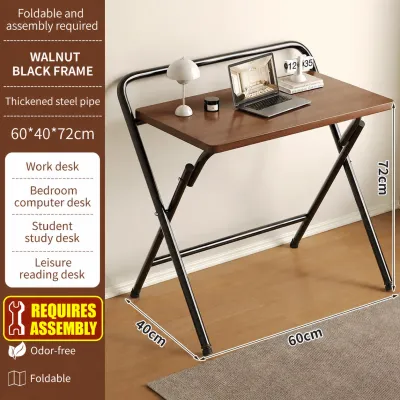
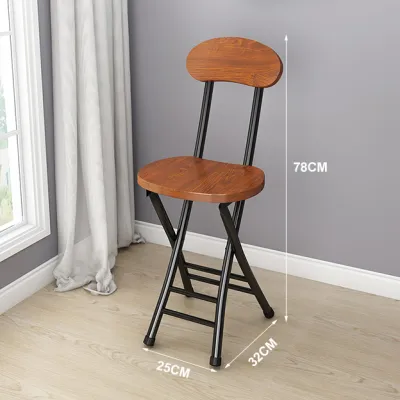
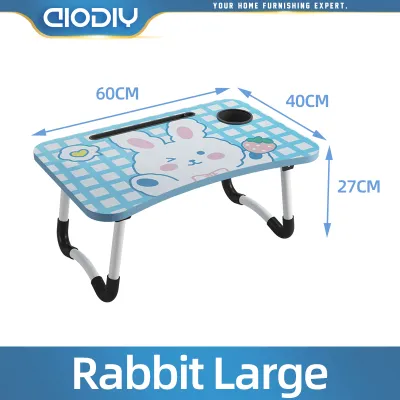
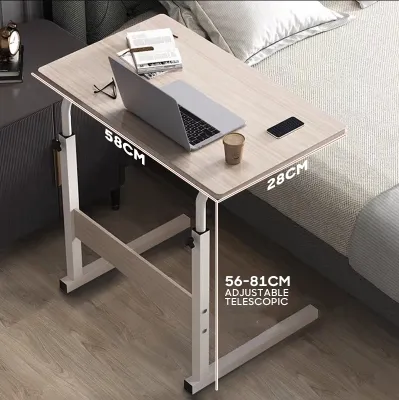

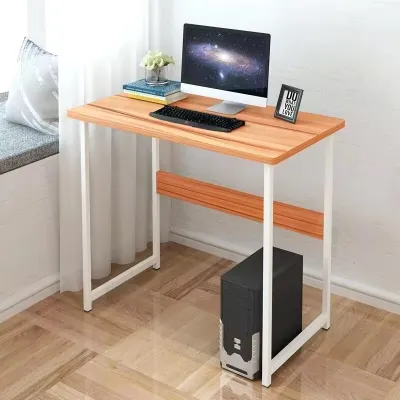
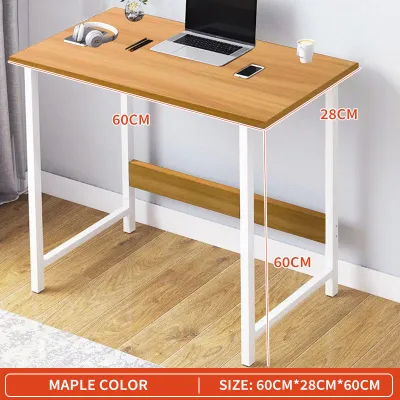
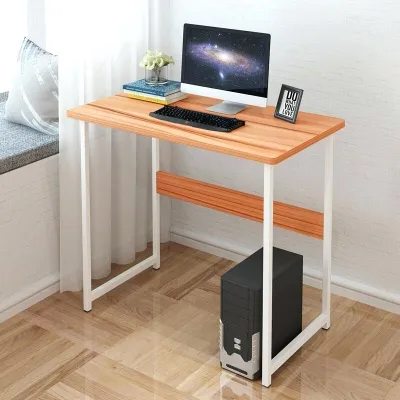
Prices are valid at publication and may change. Please refer to the product page for the latest price.
Remember to account for architectural details that might block your desk. Baseboards or skirting boards along the bottom of your walls can reduce the actual clearance of a tight gap. Check the swing arc of your bedroom or wardrobe doors to ensure they will not strike the desk when it is stored or set up. Keeping these pathways clear prevents daily frustration and accidental damage to both your furniture and your walls.
Choosing the Right Folding Mechanism and Storage Profile
Foldable desks utilize several mechanical designs, each offering distinct spatial trade-offs. Bi-fold surfaces fold in half, significantly reducing their surface footprint but often resulting in a thicker folded profile. Drop-leaf designs allow the tabletop to hang down when not in use, which is excellent for quick transitions but leaves the frame permanently standing. Rolling fold-away frames collapse completely flat and can be wheeled out of sight, though they require a clear path to their storage destination.

When evaluating these designs, compare the manufacturer’s stated folded thickness against your measured storage gaps. A desk that collapses to a thickness of 5 to 8 centimeters can easily slip behind most doors or under low bed frames. If the folded thickness exceeds your available gap, you may be forced to leave the desk permanently unfolded, defeating its primary purpose.
Ease of operation is equally vital for a student who must set up and pack away the workspace daily. Look for mechanisms that a single person can operate smoothly without straining. Verify if the desk features safety locks that secure the legs in place when open, or slow-close hinges that prevent sudden collapsing. These safety features protect your fingers from getting pinched and prevent the desk from folding unexpectedly during use.
Balancing Desk Stability, Weight, and Usable Surface Area
A common challenge with a small study table for student use is finding the balance between portability and structural integrity. A desk that is too light will wobble every time you type or write, while a desk that is too heavy becomes a chore to move daily. To evaluate stability before buying, inspect the manufacturer’s specifications for the leg structure. Look for designs that feature triangular bracing, crossbars, or reinforced joints, as these configurations distribute lateral forces much better than simple vertical legs.
The usable surface area must accommodate your essential study tools without feeling cramped. A standard setup typically requires space for a laptop, an open notebook, and a small desk lamp. Measure your devices beforehand to determine your minimum required tabletop dimensions. A surface width of 80 centimeters is generally the baseline for comfortable studying, while anything smaller may force you to stack your materials.
Weight is the key factor governing both portability and stability. A desk weighing between 8 and 12 kilograms is usually light enough for a student to carry across a room but heavy enough to remain grounded during active use. Check the product specifications for both the net weight of the desk and its maximum load capacity.
When comparing options, evaluate if the price in ₱ aligns with the verified weight capacity and structural durability stated on the product label. A cheaper desk might save money upfront, but if its joints loosen after a few weeks of folding and unfolding, it will quickly become unusable. Investing in a model with certified weight limits and reinforced locking joints ensures the desk remains a reliable study partner throughout your academic years.
Verifying Material Specifications and Daily Maintenance Needs
In tropical climates like the Philippines, high humidity can severely affect furniture durability. When selecting a foldable study table, pay close attention to the materials used for the tabletop and the hardware. Engineered wood surfaces should have high-quality edge banding to prevent moisture from penetrating the core, which can cause swelling or warping over time.
Inspect the metal components, particularly the hinges and folding joints. Look for powder-coated steel or rust-resistant hardware that can withstand humid air without corroding or stiffening. If the hinges rust, the folding mechanism will become difficult to operate and may eventually fail.
Always review the manufacturer’s care instructions for cleaning the tabletop. Avoid using harsh chemical solvents or abrasive cleaners that can strip away protective finishes or damage the edge banding. A simple wipe down with a slightly damp microfiber cloth is usually sufficient to keep the surface clean. Finally, always confirm the stated weight capacity on the product label before loading it with heavy textbooks, desktop organizers, or computer equipment to prevent structural sagging.
Common Space-Matching Mistakes to Avoid Before Buying
One of the most frequent mistakes students make is measuring only the width and length of the desk while completely overlooking its folded thickness. A desk that seems perfect on paper might end up leaning awkwardly against a wall because it is too thick to slide into the narrow gap beside your wardrobe. Always treat the folded depth as a critical dimension during your pre-purchase checks.
Another common error is ignoring the impact of wall unevenness, baseboards, or electrical outlets. If you plan to use a wall-leaning or wall-mounted foldable desk, any protrusion along the wall can prevent the frame from sitting flush. This gap can compromise the stability of the desk or make installation difficult. Ensure the wall surface is completely flat and free of obstructions where the desk will be positioned.
Lastly, do not underestimate the physical space occupied by your daily study accessories. Items like power strips, laptop chargers, mousepads, and water bottles take up valuable tabletop real estate. If you choose a desk that is too small, these accessories will crowd your writing area, forcing you to constantly rearrange your things. Factor in these small items when deciding on the final surface dimensions of your small study table for student needs.
Frequently Asked Questions (FAQ)
Can a freestanding foldable desk support dual monitors?
Most standard freestanding foldable desks are designed for lightweight laptop setups and may not safely support dual monitors. To determine if a desk can handle this setup, check the manufacturer’s maximum load capacity and look for robust cross-bracing. Do not assume a foldable desk can support heavy, multi-monitor configurations without explicit approval on the product label, as uneven weight distribution can cause the folding joints to fail or make the desk highly prone to tipping.
Are wall-mounted foldable tables safer than freestanding ones for small rooms?
Wall-mounted foldable tables can save significant floor space, but their safety depends entirely on proper installation and wall anchoring. They require secure mounting into wall studs or solid concrete walls using appropriate heavy-duty anchors. Freestanding foldable desks, on the other hand, do not require structural modifications or drilling, making them ideal for rental properties. However, they do require careful floor space planning and regular stability checks to ensure the folding legs remain locked securely during use.
Community discussion
Share your experience or ask a question. Comments are reviewed before publication.