
Selecting a folding bed for your child requires balancing space-saving convenience with uncompromising safety and physical support. Unlike adult guest beds, a child’s bed must withstand active movement, fit smaller bodies safely, and resist wear in humid tropical climates. To find the right model, you must prioritize automatic locking mechanisms, rounded edges, certified non-toxic finishes, and a supportive, breathable mattress base. By focusing on verifiable specifications rather than marketing claims, you can secure a safe, comfortable, and durable sleeping solution that fits seamlessly into your home.
In many modern households, especially in compact urban spaces or condominiums, a folding bed serves as an excellent solution for shared bedrooms, study rooms, or hosting visiting relatives. However, because children use these beds differently than adults—often jumping, rolling, or playing on them—standard selection criteria must be adjusted. Parents must look beyond simple portability and examine the structural integrity, material safety, and ergonomic support of each option before making a purchase.
Critical Safety Features to Verify First
Safety is the absolute priority when choosing any furniture for a child, and folding beds present unique hazards due to their moving parts. The first mechanism to inspect is the locking system. A high-quality folding bed must feature automatic locking hinges or secure gravity-led latching systems that engage immediately when the bed is fully opened. This prevents the frame from accidentally folding inward if a child jumps on one end or rolls near the center joint. Avoid models that rely solely on the weight of the mattress to keep the frame flat, as sudden shifts in weight can cause the bed to collapse.
Products mentioned in this guide
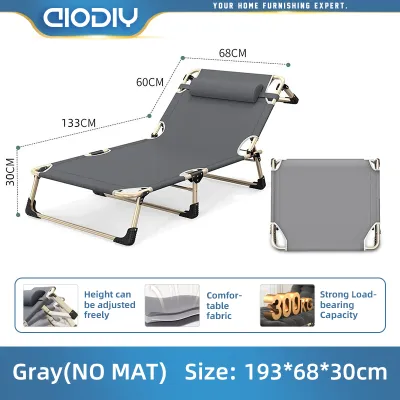
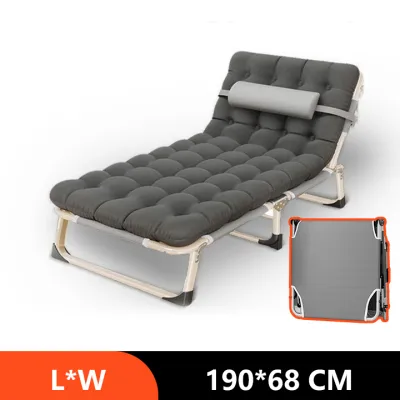
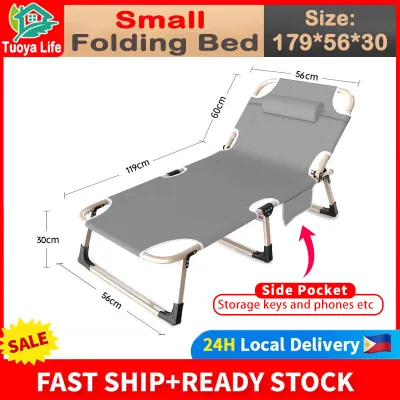
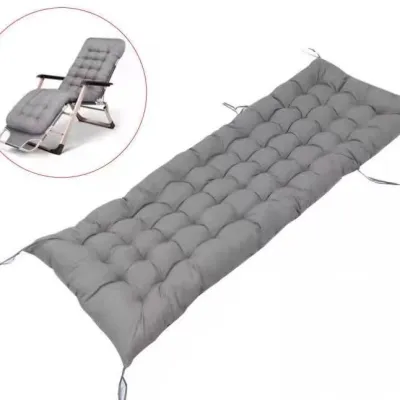
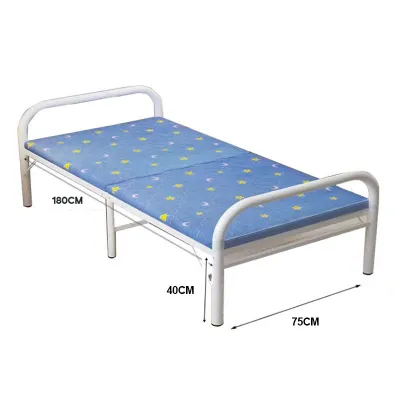
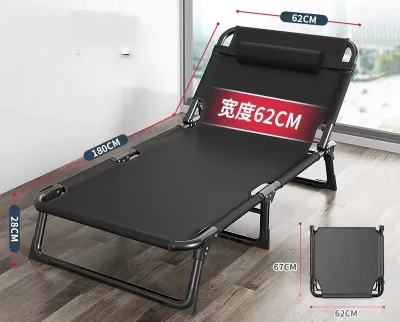
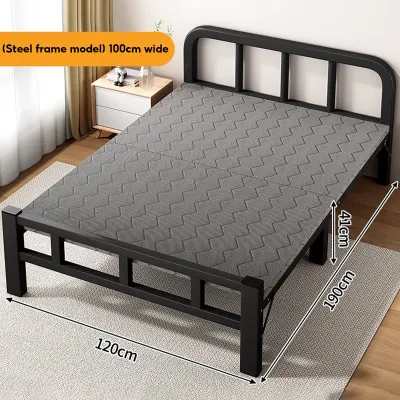
Prices are valid at publication and may change. Please refer to the product page for the latest price.
In addition to locking hinges, pinch-point guards are essential for protecting curious hands. Children naturally explore their environment, and the folding joints of a bed frame can easily trap fingers during setup or play. Look for frames that feature protective plastic sleeves over the hinges or designs that maintain a safe clearance gap even when the frame is fully closed. If the bed is stored in an accessible area, these guards prevent painful accidents when the bed is folded upright.
Exposed surfaces and edges require close physical inspection. Run your hands along the metal or wooden frame to check for sharp corners, rough welds, or splinters. A child-friendly folding bed should feature rounded corners on all outer edges and protective rubber or plastic caps on any exposed metal tubes. Furthermore, verify that the frame’s finish is non-toxic. Look for product labels indicating lead-free powder coatings or low-VOC (volatile organic compound) finishes, which ensure your child does not inhale harmful chemical fumes while sleeping.
Finally, assess the overall stability of the bed base. A safe folding bed must have a wide leg spread to distribute weight evenly and prevent tipping. When the bed is open, the legs should lock perpendicular to the floor or angle slightly outward to create a stable footprint. Check the feet of the bed; they should be fitted with non-slip rubber or heavy-duty plastic caps. These caps prevent the bed from sliding on smooth tiled or polished wooden floors when your child tosses and turns, while also protecting your flooring from deep scratches.
Comfort and Support for Growing Bodies
Children’s bones and muscles are constantly developing, making proper spinal alignment during sleep critical. Many folding beds come with thin, low-quality mattresses that sag easily, leading to poor posture and morning discomfort. When evaluating a folding bed, check the mattress specifications for thickness and foam density. A mattress thickness of at least 3 to 4 inches is generally recommended to prevent the sleeper from feeling the hard frame underneath. Look for high-density polyurethane foam or memory foam layers that offer firm, contouring support rather than soft, cheap polyester fiber fills that flatten permanently after a few weeks of use.

In the tropical climate of the Philippines, heat and humidity can make sleeping uncomfortable and lead to excessive sweating. Therefore, mattress breathability is a key comfort factor. Check the product specifications for open-cell foam structures, breathable cotton or bamboo-derived covers, and mesh backing. Avoid solid synthetic vinyl covers that trap heat and moisture, as these create a breeding ground for mold, mildew, and dust mites. A removable, washable mattress cover is also highly beneficial for maintaining hygiene and managing accidental spills or bedwetting.
Underneath the mattress, the support system plays a vital role in both comfort and longevity. Compare the performance of flexible wooden slats against solid steel wire mesh or fabric decks. Flexible wooden slats, typically made of birch or poplar, offer excellent give and conform to the body’s movements, providing a feel similar to a standard permanent bed. If you choose a steel wire mesh deck, ensure the springs attaching the mesh to the frame are tightly coiled and evenly spaced to prevent sagging in the center. Avoid thin fabric decks that stretch out over time, as they fail to provide the necessary resistance for a child’s developing spine.
Lastly, pay close attention to the fit of the mattress within the frame. There should be minimal side clearance between the mattress edges and the metal outer frame. A gap wider than a finger’s width poses a serious risk of limb entrapment or rolling off. The mattress must sit securely within a recessed frame or be held in place by sturdy end-guards to prevent it from sliding off the side when your child climbs in and out of bed.
Durability and Build Quality Checks
Because children’s furniture is subjected to rougher handling, a folding bed must be built to last. Begin your durability check by examining the frame materials. Heavy-duty, powder-coated steel tubing is the standard for durable folding beds. Check the thickness of the metal tubes in the manufacturer’s specifications; thicker walls indicate a stronger frame less prone to bending. Inspect the joints and welds carefully. High-quality frames feature smooth, continuous welds at all connection points rather than small spot welds, which can crack under sudden impacts.
Do not rely on vague marketing terms like “heavy-duty” or “ultra-strong.” Instead, locate the certified weight capacity on the product label, user manual, or official specification sheet. Even though a child may weigh very little, a higher weight capacity—such as 100 to 150 kilograms—indicates a more robust frame that can easily handle the dynamic forces of a child jumping or a parent sitting bedside to read a story. Choosing a bed with a generous weight margin ensures the frame will not warp or bend over years of use.
The folding mechanism itself is often the first point of failure on cheap models. Look for heavy-duty steel rivets and bolts at the pivot points. Avoid models that use thin plastic washers or flimsy pins to hold the main joints together, as these wear down quickly with repeated folding and unfolding. If the bed uses a fabric deck to support the mattress, check for reinforced double-stitching along the seams and rust-resistant metal grommets where the springs connect to the frame. Frayed stitching or thin fabric will quickly tear under tension.
If the folding bed is equipped with caster wheels for transport, inspect their attachment points and materials. Wheels should be securely bolted into metal threaded inserts rather than pressed into cheap plastic sockets that can crack. Look for rubber or polyurethane wheels with ball bearings, which roll smoothly and quietly across various floor surfaces. Flimsy plastic wheels are prone to cracking, especially when rolling over door thresholds or tile grout lines, rendering the bed difficult to move.
Space, Portability, and Daily Usability
Before purchasing a folding bed, you must ensure it fits your home’s physical layout both when in use and when stored. Start by measuring the exact floor space where the bed will be deployed, keeping in mind that you need at least 60 centimeters of clear walking space around the sides for safe access. Next, measure your intended storage area, whether it is a closet, a space behind a wardrobe, or under a main bed frame. Compare these measurements against the manufacturer’s stated folded dimensions, paying close attention to the folded depth and height.
Unit weight is another critical factor for daily usability. While a heavier steel frame offers superior stability, it can be difficult to maneuver, especially if you need to move it between rooms or up stairs. A total weight of 15 to 20 kilograms is generally manageable for a single adult to roll and position. To make relocation safer and easier, look for models with lockable caster wheels. These allow you to roll the bed effortlessly into a closet or corner, and then lock the wheels in place so the bed remains stationary while stored or during sleep.
The ease of the folding mechanism determines how often you will actually want to use the bed. A well-designed folding bed should allow a single adult to open and close it smoothly without excessive physical strain or complicated steps. Look for counterbalanced spring systems or assisted folding designs that reduce the effort required to lift the frame. Test the mechanism if possible, or check user manuals online to ensure the folding process involves straightforward steps that do not require specialized tools or strength.
How to Build Your Child's Folding Bed Shortlist
To find the perfect folding bed, start by defining your specific requirements. Determine whether the bed will be used daily, weekly for weekend visits, or only occasionally during holiday seasons. If the bed is for daily use, prioritize a premium mattress and a highly durable frame with wooden slats. For occasional use, a lighter, more compact model with a focus on easy storage might be more practical. Consider your child’s current age, height, and weight, and choose a bed size that allows room for growth over the next three to five years.
Once you have defined your needs, begin browsing online marketplaces or local furniture showrooms to compile a list of candidates. Cross-reference the product descriptions with real-world user reviews. Look specifically for feedback regarding how easy the bed is to assemble, whether the frame squeaks when the sleeper moves, and how well the mattress retains its shape over several months. Pay close attention to reviews written by other parents, as they often highlight practical details like ease of cleaning and child safety concerns.
As you refine your shortlist, look out for critical red flags that should prompt you to eliminate a candidate immediately. Avoid any product that lacks clear safety labels, manufacturer contact information, or detailed specifications regarding weight limits and dimensions. Be wary of extremely cheap models that do not specify the materials used, as these often feature thin, brittle metal frames and low-density foam mattresses that sag immediately. Investing in a well-documented, certified product ensures your child’s safety and provides peace of mind.
Frequently Asked Questions (FAQ)
At what age is a folding bed safe for a child?
A folding bed is generally safe for children who have transitioned out of a crib and possess the coordination to climb in and out of bed independently, typically around four to five years of age. At this stage, children have developed the spatial awareness necessary to avoid rolling off the bed and the physical strength to move away from potential entrapment zones. Always check the manufacturer’s specific age and weight guidelines, as some models are designed strictly for older children or teenagers. For younger children, avoid using folding beds altogether, as the risk of accidental folding, entrapment between the mattress and frame, or falling is significantly higher.
Can a folding bed replace a regular kids' bed for daily use?
While high-quality folding beds offer excellent temporary comfort, they are not recommended as permanent, daily-use replacements for standard children’s beds. Over time, the folding joints, hinges, and springs experience continuous stress, which can lead to structural wear, squeaking, and gradual sagging of the support deck. Furthermore, folding mattresses are designed to bend, meaning they are inherently less supportive over long periods than solid, non-folding mattresses, potentially compromising your child’s spinal alignment during critical growth phases. Using a folding bed daily can also void the manufacturer’s warranty, which often covers occasional guest use rather than continuous wear and tear.
Community discussion
Share your experience or ask a question. Comments are reviewed before publication.