
Selecting the right kitchen storage cabinet in the Philippines requires balancing style with the realities of a tropical climate and compact urban living. High humidity levels, seasonal temperature shifts, and localized culinary habits mean that standard furniture designs may not always perform well over time. To make a lasting investment, you must prioritize moisture-resistant construction, robust load-bearing hardware, and spatial configurations tailored to local staples.
Whether you are looking at a versatile freestanding unit or checking out a specific option like a modern knowe kitchen cabinet, understanding these core structural requirements will help you choose a piece that remains durable, stable, and highly functional for years to come. By focusing on material integrity and smart layouts, you can transform your kitchen into an organized, efficient workspace.
Material and Hardware Checks for Humid Climates
The tropical climate of the Philippines introduces persistent humidity that can quickly compromise low-grade furniture materials. When browsing for kitchen storage, the core material of the cabinet boxes and doors must be your primary focus. Standard particle board easily absorbs airborne moisture, leading to swelling, warping, and structural sagging over time. Instead, look for manufacturer specifications that explicitly detail the use of moisture-resistant (MR) materials, such as high-density fiberboard (HDF), marine-grade plywood, or specially treated melamine-faced boards.
Products mentioned in this guide
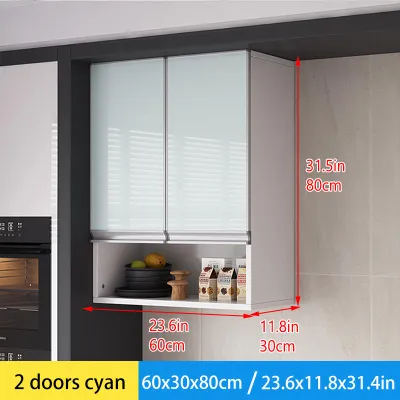
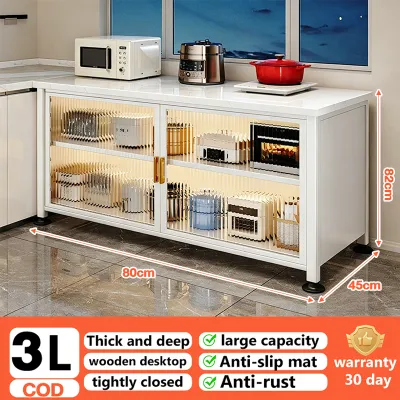
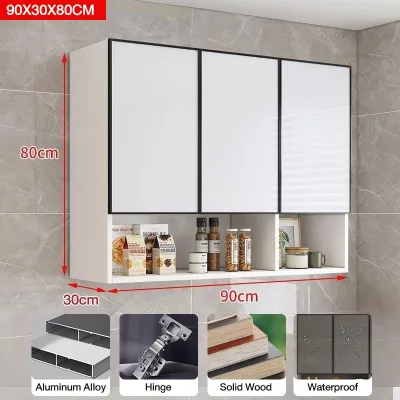
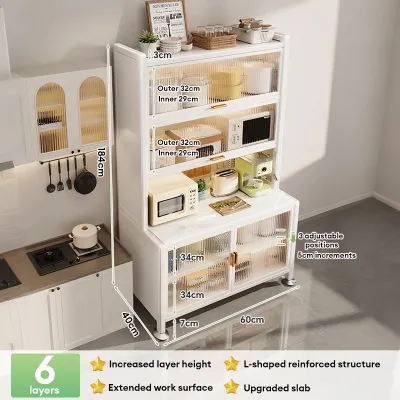
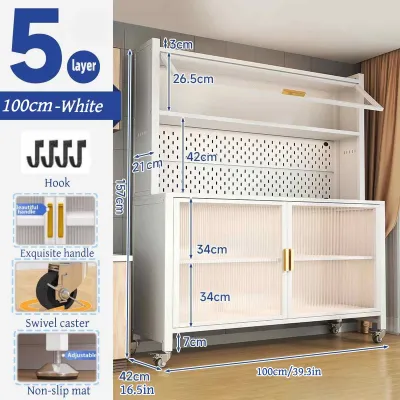
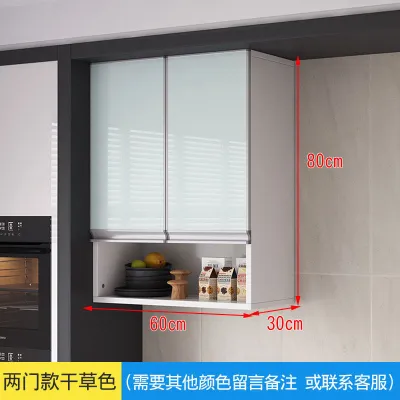
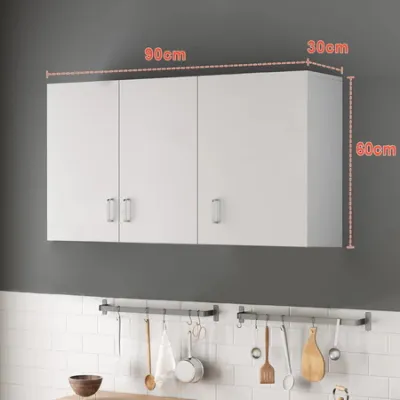
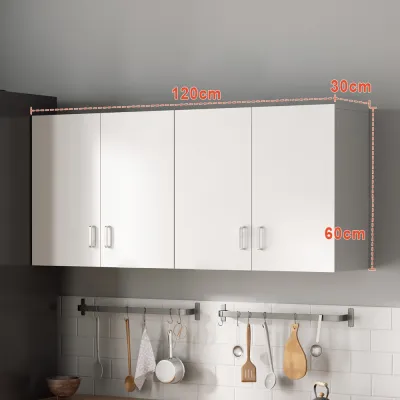
Prices are valid at publication and may change. Please refer to the product page for the latest price.
Beyond the core material, the quality of outer finishes and edge banding acts as the first line of defense against moisture. Inspect the edges of cabinet doors and shelves to verify that the edge banding is perfectly sealed without visible gaps or glue lines. Poorly applied edge banding allows humid air and accidental spills to penetrate the underlying substrate, causing irreversible bubbling. Look for polyurethane (PUR) adhesive edge banding or laser-fused edges, which provide a significantly tighter barrier against moisture ingress than standard hot-melt glues.
Hardware durability is another critical factor in coastal or highly humid environments where rust can quickly degrade moving parts. Standard iron or low-grade steel hinges and drawer slides will stiffen, squeak, and corrode within a few seasons. Prioritize cabinets equipped with stainless steel hardware, powder-coated steel runners, or rust-resistant hydraulic soft-close hinges. These components not only withstand the corrosive effects of humid air but also ensure that doors and drawers continue to operate smoothly without catching.
Proper airflow is essential for preventing mold growth, particularly in areas prone to dampness like under-sink compartments or closed pantry units. When evaluating cabinet designs, look for built-in ventilation features such as rear slatted panels, wire mesh doors, or small ventilation grommets. If a cabinet is completely sealed, you can create natural airflow gaps by leaving a slight clearance between the back of the cabinet and the kitchen wall. This prevents stagnant, humid air from becoming trapped behind the unit, which is a primary cause of mildew.
Ultimately, the long-term performance of any kitchen cabinet depends on adhering to the manufacturer’s care instructions and maintaining a well-ventilated cooking space. Regularly wiping down surfaces with a dry or slightly damp microfiber cloth, avoiding harsh chemical cleaners that strip protective coatings, and utilizing exhaust fans or range hoods during heavy cooking will protect your cabinetry. Always check the manufacturer’s specific guidelines regarding cleaning agents and moisture exposure to preserve your warranty coverage.
Space-Saving Layouts for Compact Philippine Kitchens
Many modern homes in the Philippines, particularly condominiums, townhouses, and urban apartments, feature compact kitchen layouts that demand highly efficient storage solutions. In these tight spaces, maximizing vertical real estate is the most effective way to expand your storage capacity without sacrificing precious floor space. Tall, narrow pantry cabinets utilize vertical height to store dry goods, small appliances, and dinnerware, keeping your countertops clear and organized. Adjustable shelving within these tall units allows you to customize the interior spacing as your storage needs evolve.

For kitchens that require multi-functional flexibility, mobile kitchen carts and utility trolleys offer an excellent way to introduce temporary prep space and storage. These mobile units can be rolled out when preparing ingredients for large family meals and tucked away against a wall or in a corner when not in use. When choosing a mobile cart, ensure it features high-quality, heavy-duty caster wheels with reliable locking mechanisms to prevent the unit from shifting while you work.
Before purchasing any kitchen cabinet, taking precise physical measurements of your home’s entry pathways is a critical step that is often overlooked. A cabinet may fit perfectly in your kitchen, but it must first pass through your building’s elevator doors, narrow stairwells, apartment hallways, and entry doorways. Measure the height, width, and diagonal clearance of every doorway and corridor along the delivery path. If you live in a high-rise condominium, check the service elevator dimensions and weight limits specified by your building administration to avoid delivery failures or costly returns.
Structural stability is a paramount safety consideration, especially for tall, narrow cabinets placed in busy household environments. To eliminate the risk of accidental tipping, tall storage units must be securely anchored to the wall. Many manufacturers include wall-anchoring kits with their furniture; however, you must verify that the supplied anchors are compatible with your specific wall type, whether it is concrete, hollow block, or drywall. If your kitchen walls are made of lightweight partition materials, consult a qualified contractor to ensure the cabinet is anchored safely into structural studs.
When comparing different cabinet models, it is vital to distinguish between a unit’s external footprint and its actual usable internal volume. A cabinet with thick decorative moldings, wide external frames, or deep back-panel recesses may occupy a significant amount of floor space while offering surprisingly limited storage inside. Review the manufacturer’s internal dimension specifications to ensure that the shelves and drawers are deep and wide enough to accommodate your specific storage containers, plates, and kitchen tools.
Storage Configurations for Local Cooking Staples
Filipino culinary traditions involve specific ingredients and cooking tools that require specialized storage configurations. Chief among these is rice, a daily staple in almost every local household. Because rice is typically purchased in large quantities—often in 5-kilogram to 25-kilogram bags—your cabinet must feature a dedicated, heavy-duty lower compartment to support this weight. Look for cabinets with reinforced bottom shelves or deep pull-out drawers designed to accommodate heavy rice dispensers or sealed storage bins, preventing the shelf from bowing or collapsing over time.
Heavy cookware, such as cast iron skillets, large woks (kawali), stockpots, and rice cookers, also demands robust storage solutions. Standard thin-bottom drawers with basic plastic rollers will quickly fail under the weight of these items. Prioritize deep drawers equipped with heavy-duty, full-extension ball-bearing slides. These slides allow the drawer to open fully, giving you easy access to heavy pots at the very back without straining the drawer structure or causing it to derail from its tracks.
Proper air circulation is crucial for storing local root crops and dry ingredients that are sensitive to trapped moisture, such as onions, garlic, potatoes, and ginger. Storing these items in solid, airtight drawers can accelerate spoilage and lead to unpleasant odors. Instead, select cabinets that feature integrated wire baskets, pull-out metal mesh drawers, or slatted wooden bins. These breathable storage options promote continuous airflow, keeping your dry produce fresh for longer periods while keeping them neatly organized and out of sight.
To prevent structural damage and ensure household safety, always check the manufacturer’s official weight capacity ratings for every shelf and drawer before loading them with heavy pantry items. Distribute weight evenly across the shelves, placing the heaviest items, such as gallon-sized cooking oils, canned goods, and large beverage containers, on the lowest levels. This practice not only protects the cabinet’s joints from excessive stress but also lowers the unit’s center of gravity, significantly improving its overall stability.
Evaluating Options Like the Knowe Kitchen Cabinet for Your Home
When shopping for versatile storage, evaluating specific products like a knowe kitchen cabinet or similar freestanding modular units requires a systematic, evidence-based approach. Begin by verifying the exact physical dimensions provided in the product specification sheet and comparing them to your pre-measured kitchen space. Do not rely solely on product photos, which can sometimes make a cabinet appear larger or smaller than it actually is. Checking the assembly requirements is equally important; determine whether the unit arrives fully assembled, flat-packed for self-assembly, or if professional installation is recommended.
Next, carefully inspect the joint structures and load-bearing points of the cabinet. High-quality cabinets utilize robust joinery methods, such as cam-locks, dowels, or reinforced metal corner brackets, to ensure structural rigidity. Avoid units that rely entirely on basic wood glue or thin brad nails at key structural joints, as these are prone to loosening under the weight of heavy kitchen gear. If you are considering a modular system, check how the individual units connect to one another to ensure a seamless, wobble-free configuration.
When assessing a knowe kitchen cabinet or any other market alternative, cross-reference the manufacturer’s stated load limits, material grades, and warranty terms with your actual household conditions. A cabinet rated for light utility use may not hold up if you plan to place a heavy microwave, convection oven, or water dispenser on its countertop. Review the warranty details to understand what is covered—such as hardware failures or manufacturing defects—and ensure you follow all installation guidelines to keep the warranty valid.
Remember that brand names, appealing product titles, or aesthetic designs alone do not guarantee long-term durability or suitability for your home. The true value of a kitchen cabinet lies in its physical specifications, verified structural materials, and practical safety features. If you encounter any conflicting information in the assembly instructions, or if you are unsure whether your kitchen walls can safely support a wall-mounted cabinet, stop the installation immediately and consult the manufacturer or a qualified professional installer.
Quick Comparison of Common Cabinet Materials
Selecting the right material for your kitchen cabinet involves balancing aesthetic preferences with maintenance requirements and environmental suitability. The table below outlines the key characteristics of three common cabinet materials, focusing on how they perform under tropical conditions and what is required to keep them in optimal condition.
| Material Type | Humidity Considerations | Maintenance Needs | Ideal Use Case |
|---|---|---|---|
| Solid Wood | Susceptible to expanding or contracting; requires high-quality factory sealing or polyurethane varnish to resist humidity. | Needs regular polishing; avoid harsh chemical cleaners; wipe spills immediately to prevent water spots. | Traditional or rustic kitchens with consistent temperature control and low direct moisture exposure. |
| Engineered Wood (Melamine/MDF) | Budget-friendly but highly vulnerable to moisture if edge banding is damaged; requires pristine factory sealing. | Wipe with a dry or slightly damp cloth; avoid soaking; inspect edges regularly for signs of peeling or bubbling. | Modern, dry pantry storage, upper cabinets, or rental properties with moderate humidity control. |
| Stainless Steel | Highly resistant to rust and humidity; ideal for wet areas; ensure high-grade steel is used to prevent surface pitting. | Easy to clean and sanitize; requires specialized stainless steel cleaners to avoid fingerprints and streaks. | Heavy-duty prep areas, under-sink cabinets, outdoor kitchens, or homes in coastal, high-humidity regions. |
When choosing among these materials, consider your willingness to perform regular maintenance. While engineered wood offers an affordable and stylish solution, it demands careful handling and dry conditions to prevent swelling. Conversely, stainless steel provides exceptional moisture resistance and durability but presents a more industrial aesthetic that may not suit every home interior. Solid wood offers timeless beauty but requires a commitment to climate control and wood-conditioning treatments to prevent warping over time.
Frequently Asked Questions (FAQ)
How do I prevent mold inside my kitchen cabinets?
To prevent mold growth, ensure that all dishes, cups, and cooking utensils are completely dry before placing them inside your cabinets. Place commercial moisture absorbers or silica gel packets in the corners of closed shelves to collect excess airborne moisture, and replace them regularly. Periodically open your cabinet doors during dry, sunny days to promote air circulation throughout the interior. Additionally, perform routine checks for slow plumbing leaks under your sink and wipe up any accidental liquid spills immediately to keep the wood dry.
Are mobile kitchen carts safe for heavy appliances?
Yes, mobile kitchen carts can safely support heavy appliances, but their safety depends entirely on the manufacturer-stated weight capacity and structural design. Always verify the maximum load limit of both the countertop and the individual shelves before placing appliances like microwave ovens or stand mixers on them. Ensure the cart features heavy-duty caster wheels with robust, functional locking mechanisms to keep it stable during operation. For optimal safety, place the heaviest appliances on the lowest shelf to maintain a low center of gravity and prevent the cart from tipping over when moved.
Community discussion
Share your experience or ask a question. Comments are reviewed before publication.