
A bunk bed with desk is an exceptionally practical furniture piece for modern homes, particularly in space-conscious urban areas across the Philippines. By stacking a sleeping platform directly over a dedicated study workstation, this configuration frees up valuable floor space for play and storage. However, elevating a child several feet off the ground while integrating a heavy workspace below introduces unique safety considerations. Parents and caregivers must look beyond color schemes and storage drawers to carefully evaluate the structural integrity and design safety of these units before bringing one home.
When shopping for a bunk bed with desk, safety must be your primary filter. A child’s bedroom is a place of both rest and high activity, meaning the furniture must withstand both static sleeping weight and the dynamic forces of climbing, playing, and studying. Verifying key safety features—such as guardrail dimensions, ladder stability, desk attachment strength, weight capacities, and room clearance—ensures that this space-saving investment remains a secure and comfortable sanctuary for your child.
Guardrail Design and Fall Protection Checks
The guardrail on the top bunk is the single most critical safety barrier preventing accidental falls during sleep. When evaluating a bunk bed with desk, start by checking the continuity of these rails. The guardrail must run continuously along all four sides of the elevated bed, with the only permissible gap being the narrow opening required for ladder access. This opening should be as small as possible to prevent a sleeping child from rolling through the gap.
Products mentioned in this guide
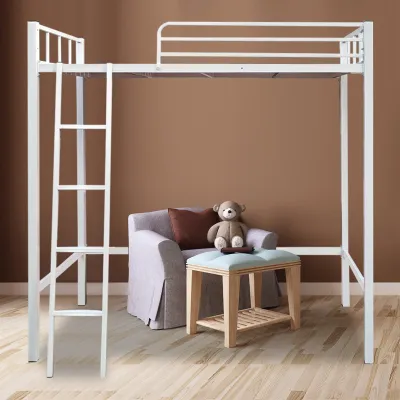
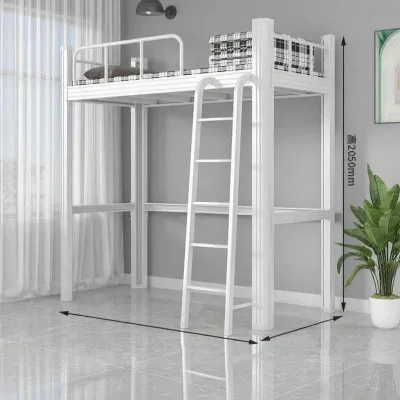
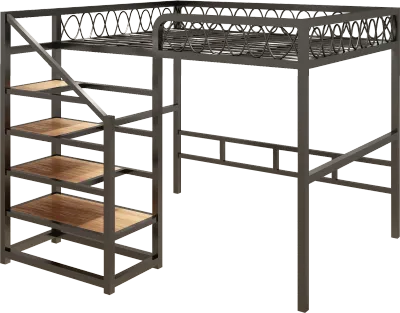
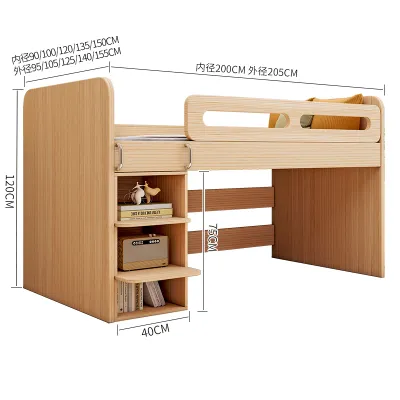
Prices are valid at publication and may change. Please refer to the product page for the latest price.
Next, pay close attention to the height of the guardrail relative to the mattress. Safety guidelines require that the top of the guardrail sits at least 5 inches (approximately 12.7 centimeters) above the top surface of the mattress. This means you cannot simply buy any mattress; you must check the manufacturer’s specifications for the maximum recommended mattress thickness, which is typically 6 inches (about 15.2 centimeters) or less for lofted beds. Using a mattress that is too thick compromises the guardrail’s height, leaving your child vulnerable to rolling over the edge.
The spacing between the guardrail slats is another vital check. Gaps that are too wide pose a serious entrapment hazard where a child’s body could slip through while their head remains caught. Ensure that the distance between individual slats, or between the bottom rail and the mattress support deck, is no wider than 3.5 inches (approximately 8.9 centimeters). This spacing prevents both limbs and torso from sliding through the frame.
Finally, consider the wall-side configuration of the bed. Many parents assume that placing the bunk bed directly against a wall eliminates the need for a guardrail on that side. However, walls are rarely perfectly straight, and baseboards can prevent the bed frame from sitting completely flush. This creates a hidden gap where a child can slip and become trapped. To mitigate this risk, choose a model that includes full-length guardrails on both sides, or ensure the frame is securely anchored directly to the wall studs to eliminate any shifting.
Ladder Stability and Safe Access Design
Safe access to the top bunk depends entirely on the design and stability of the ladder. Bunk beds with desks generally feature one of three configurations: a vertical ladder, an angled ladder, or an integrated staircase. Vertical ladders are highly space-efficient because they do not extend past the bed’s footprint, but they require significant physical coordination and upper-body strength. Angled ladders offer a more natural climbing slope, making them easier to navigate, though they occupy more floor space. Integrated staircases are the sturdiest option, often featuring built-in storage drawers, but they require a much larger room layout.

Regardless of the style, inspect the ladder’s treads or rungs. Narrow, round metal rungs can be painful on bare feet and offer very little traction, especially in warm, humid tropical climates where sweat can make surfaces slippery. Look for flat, wide steps that provide full foot support. Treads should feature textured, anti-slip surfaces, or you should plan to apply high-traction grip tape to ensure secure footing during late-night or early-morning climbs.
Handholds and handrails at the top of the ladder are essential for a safe transition. As a child reaches the top of the ladder, they must shift their weight from a climbing position to a crawling position to enter the bed. Sturdy, smooth handholds that are easy for small hands to grip provide the necessary leverage and balance during this critical transition. Avoid models that lack clear, dedicated gripping points at the top of the frame.
The method used to attach the ladder to the bed frame is a major indicator of overall safety. Avoid models where the ladder simply hooks over the top guardrail without any securing hardware, as these can easily lift or slide when a child climbs quickly. The ladder must be firmly bolted or screwed directly into the main structural posts of the bed frame. Check that the connection joints are rigid and do not wobble or squeak when weight is applied.
Desk Attachment and Structural Integrity Checks
The integrated desk beneath the sleeping platform is a high-use area that experiences constant physical interaction. When a child leans on the desk to write, rests their elbows, or stacks heavy textbooks and computers, the desk must remain perfectly stable. Evaluate whether the desk is supported by its own legs resting on the floor or if it is suspended entirely from the bed frame. Floor-supported desks generally offer superior stability and minimize the transfer of movement and vibration up to the sleeping platform.
Inspect the quality of the connecting hardware that joins the desk to the bed frame. High-quality construction relies on heavy-duty steel bolts and metal-to-metal barrel nuts rather than simple wood screws, which can strip the wood fibers and loosen over time. Look for anti-loosening features such as locking washers or nylon-insert lock nuts. The assembly instructions should also provide clear guidance on periodic hardware checks and tightening.
Because a bunk bed with desk has a high center of gravity, anti-tip mechanisms are non-negotiable. When a child sits at the desk, they may push back forcefully in their chair, or they might attempt to climb the outer frame of the bed. Verify if the manufacturer includes a dedicated wall-anchoring kit. Securely fastening the top of the bed frame to the wall studs prevents the entire structure from tipping forward under uneven loads.
Take a close look at the physical design of the desk workspace. The edges and corners of the desk should be rounded or chamfered rather than sharp, reducing the risk of painful bumps or cuts during active study sessions. Additionally, measure the vertical clearance and legroom underneath the desk. Your child should be able to sit comfortably in an ergonomic study chair and stand up easily without hitting their head or knees on the support beams or slats of the top bunk.
Weight Limits and Age Appropriateness
Matching the bunk bed’s structural capacity to your child’s physical development is essential for long-term safety. Every manufacturer must specify maximum weight limits for each section of the furniture, including the top bunk, the bottom bunk (if applicable), and the desk surface. When calculating the load on the top bunk, remember to add the weight of the mattress, pillows, and heavy blankets to your child’s current weight. Never exceed these certified limits, as overloading can cause structural fatigue and sudden joint failure.
Age recommendations are established based on developmental milestones, not just physical size. Industry safety standards universally dictate that the top bunk is not suitable for children under six years of age. Children younger than six generally lack the coordination, balance, and spatial awareness required to climb a ladder safely, especially when waking up disoriented in the dark. Keeping younger siblings off the top bunk is a critical rule that must be enforced in the household.
It is also wise to consider your child’s growth trajectory. A lightweight frame with a low weight limit might accommodate a seven-year-old today, but children grow rapidly. Within a few years, their weight will increase, and their study needs will require heavier books, laptops, and desk accessories. Choosing a robust, high-capacity frame made from solid hardwoods or heavy-gauge metal ensures the furniture remains safe, stable, and functional as your child transitions into their teenage years.
Room Placement and Environmental Clearance
Even a structurally perfect bunk bed can become a hazard if it is poorly positioned within the bedroom. Before finalizing your purchase, measure your room’s ceiling height carefully. To prevent head injuries, you must maintain at least 30 inches (approximately 76 centimeters) of clearance between the top of the mattress and the ceiling. This space allows your child to sit up straight in bed to read, adjust their pillows, or get out of bed without hitting their head.
In tropical climates like the Philippines, room ventilation and cooling are major comfort factors, but they also introduce safety hazards. Never place a bunk bed where the top sleeping platform is close to a ceiling fan or an air conditioning unit. A spinning fan blade poses a severe risk of impact injuries, while proximity to an air conditioner can cause discomfort. Maintain a safe distance of at least 3 feet (approximately 91 centimeters) between the edge of the bed and any ceiling fixtures or fans.
Keep the bed well away from windows, curtain cords, and electrical outlets. Windows are a major fall hazard if a child climbs onto the top bunk and leans against a window screen, which is not designed to support a child’s weight. Hanging cords from window blinds or curtains present a dangerous strangulation risk. Position the bed against solid, windowless walls whenever possible, and ensure all electrical cords for desk lamps or computers are neatly routed and secured to prevent pulling or tripping.
Finally, ensure there is ample clearance around the base of the bed and the ladder access point. The path leading to the ladder must be completely clear of other furniture, such as wardrobes, toy chests, or bedside tables. If a child slips or loses their footing while climbing down, a clear landing zone prevents them from colliding with the sharp edges of surrounding items.
Frequently Asked Questions (FAQ)
Can a toddler use the top bunk of a bunk bed with a desk?
No, toddlers should never use the top bunk of a bunk bed with a desk. Toddlers do not possess the physical coordination, balance, or hazard awareness required to safely climb a ladder or sleep on an elevated platform. Falling from a top bunk can result in severe injuries. Always check the manufacturer’s product manual, which typically restricts top bunk use to children aged six and older. For toddlers, a standard floor bed or a low toddler bed is the only safe sleeping arrangement.
How often should I inspect the hardware on a bunk bed?
You should inspect the hardware on your bunk bed with desk immediately after the initial assembly, again after the first two to three weeks of use, and at least once every six months thereafter. The daily physical forces of climbing, sleeping, and studying can cause bolts and screws to gradually loosen. During your inspection, focus on critical connection points, including the guardrail screws, ladder attachment joints, and the brackets securing the desk to the frame. Tighten any loose hardware immediately using the manufacturer’s recommended tools, and check for any signs of structural wear, cracks, or wood splitting.

Community discussion
Share your experience or ask a question. Comments are reviewed before publication.