
When shopping for a single double deck bed frame for your children, safety must be your absolute priority. A double deck bed is an excellent space-saving solution for compact bedrooms, especially in tropical climates where maximizing floor space helps improve airflow and room ventilation. However, ensuring the frame is structurally sound and equipped with proper safety features is vital to prevent falls, entrapment, and structural failures. Before making a purchase, you must evaluate key elements such as guardrail height, ladder stability, weight capacities, and the overall quality of the frame’s construction.
By focusing on these critical safety aspects, you can create a secure sleeping environment that gives you peace of mind while your children sleep and play. This guide outlines the essential checks you should perform on any bed frame before bringing it into your home.
Top Bunk Guardrails: Height, Gaps, and Mattress Fit
Guardrails are the primary defense against falls from the top bunk, making them one of the most critical safety features to evaluate. When inspecting a bed frame, do not just look at the height of the guardrail on its own; you must measure it in relation to the mattress you plan to use. Safety guidelines generally recommend that the top of the guardrail sits at least 12.7 centimeters above the top surface of the mattress. If you use a mattress that is too thick, it will reduce this protective barrier, making it easier for a child to accidentally roll over the edge during sleep.
Products mentioned in this guide
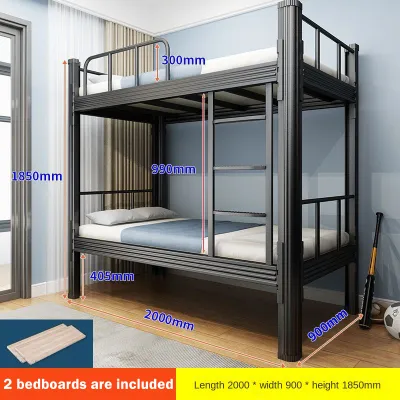


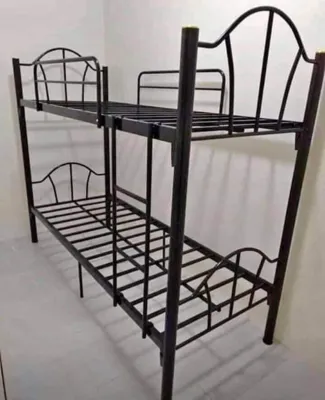
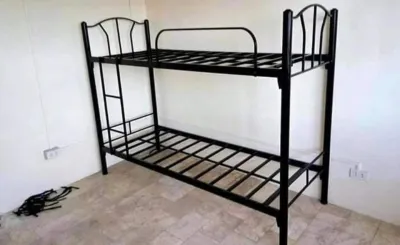
Prices are valid at publication and may change. Please refer to the product page for the latest price.
Next, inspect the gaps within the guardrail structure and between the guardrail and the bed frame. These gaps should be narrow enough to prevent a child’s head, torso, or limbs from slipping through. Check that any openings or spaces between the slats of the guardrail are small enough to eliminate the risk of entrapment. A good rule of thumb is to ensure that no gap exceeds 9 centimeters, preventing even small children from getting stuck.
Additionally, ensure that guardrails run continuously on all four sides of the top bunk. Even if you plan to place the bed frame directly against a bedroom wall, a guardrail is still required on the wall-facing side. Children can easily slip into the gap between the mattress and the wall, creating a severe entrapment hazard. A full set of guardrails on all sides provides a complete safety barrier regardless of where the bed is positioned in the room.
Ladder and Staircase Stability for Safe Access
The climbing mechanism is one of the most frequently used parts of a double deck bed, making its design and stability critical for daily use. You will generally choose between an angled ladder, a straight vertical ladder, or a built-in staircase. Angled ladders and staircases are typically easier for younger children to navigate because they offer a more natural climbing angle and a larger foot placement area. However, they do require a larger floor footprint, which you must account for in your room layout. Straight vertical ladders save space but demand more physical coordination and grip strength.

Whichever style you choose, check how the ladder attaches to the main frame. It should be securely bolted or hooked with locking mechanisms that prevent it from shifting, sliding, or detaching when a child climbs up. Look for ladders with wide, flat steps rather than thin, round rungs, as flat steps provide better foot support and reduce the risk of slipping. Adding anti-slip treads or textured grip tape to the steps can further improve traction, especially in humid environments where bare feet might lose grip.
Finally, consider the placement of the ladder in relation to the rest of the bedroom. Ensure that the ladder does not obstruct main walkways, doorways, or wardrobe doors. A ladder that juts out into a high-traffic path can become a tripping hazard in the dark, increasing the risk of accidental bumps and falls for both children and adults.
Weight Limits, Slat Spacing, and Frame Construction
Structural integrity is the foundation of bunk bed safety, especially when supporting growing children. You must locate and verify the manufacturer’s specified weight capacity for both the upper and lower decks. The top bunk typically has a lower weight limit than the bottom bunk, and this limit must accommodate both the weight of the mattress and the child. Never assume a frame can support multiple children on the top deck; always check the official specifications provided by the manufacturer or retailer to ensure the frame matches your children’s needs.
The support system beneath the mattress is equally important for maintaining structural safety. Inspect the slat spacing on both decks. Slats that are spaced too far apart can cause the mattress to sag, compromising comfort and structural support. Look for frames that feature a robust slat system, often reinforced with a center support beam or metal brackets. If the frame uses wooden slats, check that they are made of sturdy, dense wood free from large knots or cracks, and verify how they are secured to the side rails to prevent shifting.
Examine the overall construction quality and hardware of the bed frame. Joints should be tight and secured with heavy-duty bolts rather than simple wood screws. Run your hands along the frame to check for sharp edges, rough splinters, or protruding hardware that could snag clothing or scratch skin. In humid tropical climates, wood can expand and contract, while metal frames can be prone to rust if not properly coated. Check that wooden frames have a smooth, sealed finish to resist moisture, and ensure metal frames feature a durable, rust-resistant powder coating.
Age Guidelines and Safe Usage Boundaries
Even the safest bed frame requires proper usage to prevent accidents. Standard safety recommendations dictate that the top bunk is not suitable for children under six years of age. Younger children may lack the coordination, balance, and developmental maturity to safely navigate the ladder or avoid rolling off the bed during sleep. Keep the lower bunk for younger siblings or guests, and ensure the older child understands how to use the top bunk safely.
Establishing clear household rules is essential for maintaining a safe sleeping environment. Teach your children that the double deck bed is for sleeping and quiet activities, not a playground. Prohibit jumping, roughhousing, and climbing on the outer guardrails or frame. Additionally, strictly forbid hanging items such as belts, ropes, bags, or clothes from any part of the bed frame, as these can easily become strangulation hazards.
Nighttime navigation is another critical factor to address. Children often need to get up during the night to use the restroom or seek assistance. Installing a small nightlight near the ladder or staircase ensures they can clearly see the steps and maintain their footing in the dark. This simple addition significantly reduces the risk of missteps and falls during late-night trips.
Room Dimensions, Ceiling Clearance, and Assembly Checks
Before purchasing a single double deck bed frame, you must take precise measurements of your children’s bedroom. Measure the ceiling height to ensure there is adequate clearance above the top bunk. A child sitting up on the top mattress should have enough headroom to avoid bumping their head on the ceiling. Generally, a clearance of at least 76 to 91 centimeters between the top of the mattress and the ceiling is recommended to allow comfortable movement.
Map out the bed’s overall footprint within the room, taking into account the height and swing of doors, windows, and built-in wardrobes. Ensure the bed frame is positioned far away from ceiling fans, light fixtures, air conditioning units, and window cords. A ceiling fan positioned too close to the top bunk poses an immediate and severe physical danger to a child sitting or moving on the upper deck.
Finally, pay close attention to the assembly process. When the bed frame arrives, verify that all hardware, brackets, and instructions are present. Follow the assembly steps meticulously, ensuring every bolt is tightened securely. If you are unsure about your ability to assemble the frame safely, or if the frame is exceptionally heavy, consider hiring professional assembly services. A poorly assembled bed frame compromises all built-in safety features, making proper installation just as important as the quality of the frame itself.
Frequently Asked Questions (FAQ)
Can I use any regular mattress on a single double deck bed frame?
No, you cannot use just any standard mattress, particularly on the top bunk. The thickness of the mattress directly impacts the effectiveness of the guardrails. If you use a mattress that is too thick, it will reduce the height of the guardrail barrier, increasing the risk of falls. Always check the manufacturer’s specifications for the maximum recommended mattress thickness, which is typically around 15 to 20 centimeters for the top deck. Additionally, ensure the mattress fits snugly within the frame without leaving large gaps along the sides where a child’s limb could become trapped.
How often should I inspect the bed frame for safety after assembly?
You should perform a thorough safety inspection of the bed frame at least once every six months, or sooner if you notice any wobbling or creaking. Over time, regular use, climbing, and natural shifts in temperature and humidity can cause bolts and screws to loosen. Check all joint connections, tighten any loose hardware, and inspect the ladder attachments to ensure they remain rock-solid. Also, examine the slats and guardrails for any signs of wear, cracking, or structural weakness, especially after moving the bed or if the children have been active around it.

Community discussion
Share your experience or ask a question. Comments are reviewed before publication.