
Choosing a double deck bed for your children is an excellent way to maximize floor space, especially in cozy urban homes where bedroom real estate is at a premium. These elevated sleeping arrangements free up valuable room for play, study desks, and storage. However, because one sleeping surface is elevated high off the ground, safety must always be your primary consideration before making a purchase.
To ensure your children sleep securely night after night, you must look beyond aesthetics and color schemes. A safe double deck bed requires robust guardrails, a highly stable ladder, precise slat spacing, and a sturdy frame that can withstand daily use. By focusing on key safety specifications and structural details, you can select a bed that offers both fun and peace of mind.
Quick Safety Checklist for Kids' Double Deck Beds
Before finalizing your purchase at a local furniture store or an online marketplace, use this quick checklist to evaluate the safety of any double deck bed model:
Products mentioned in this guide
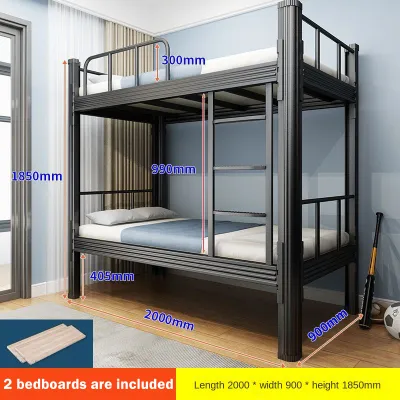
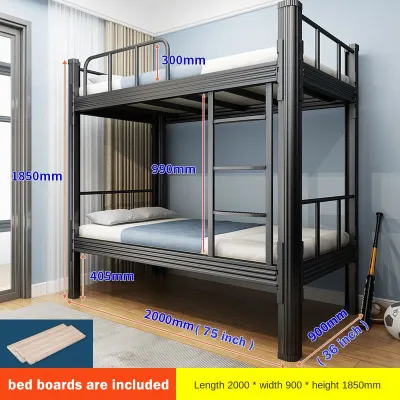
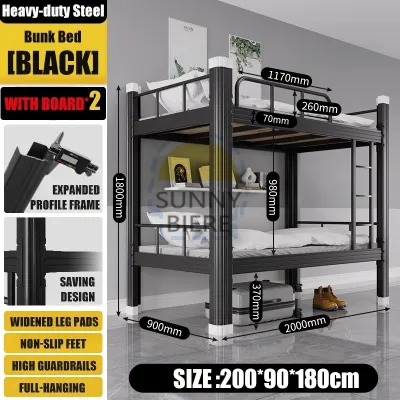
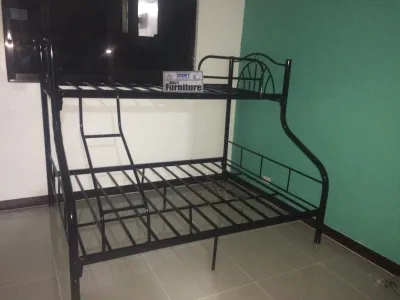
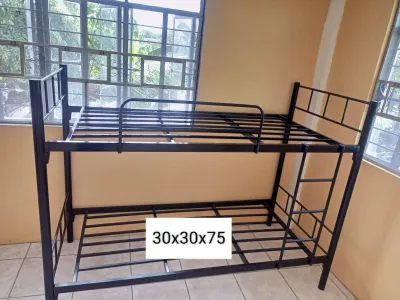
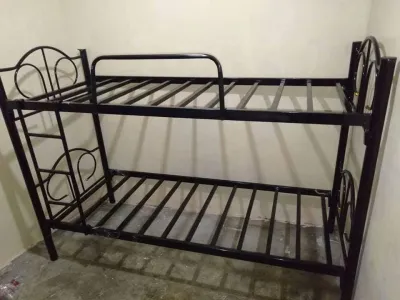
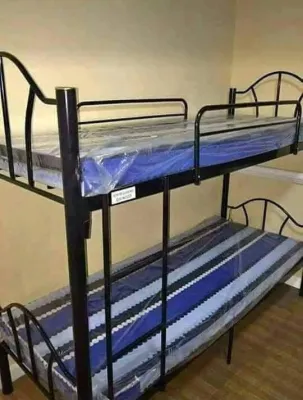
Prices are valid at publication and may change. Please refer to the product page for the latest price.
- Guardrail Coverage: Ensure the top bunk has continuous guardrails on all four sides, with only a small opening for the ladder.
- Ladder Security: Verify that the ladder is permanently attached or securely bolted to the bed frame, featuring wide, slip-resistant steps.
- Slat Spacing: Check that the support slats are spaced closely enough to prevent the mattress from sagging and to eliminate any entrapment hazards.
- Mattress Fit: Confirm that the mattress fits snugly within the frame, leaving no dangerous gaps along the sides or corners.
- Manufacturer Guidelines: Look for clear weight limits and age recommendations printed on the product label or manual.
Guardrails and Fall Prevention
Guardrails are the most critical safety feature on any double deck bed, serving as the primary barrier against accidental falls during sleep. When inspecting a bed, verify that the guardrails extend continuously on all four sides of the upper bunk. Even if the bed is positioned directly against a wall, a guardrail is still necessary on the wall-facing side, as children can easily slip into the gap between the mattress and the wall.

Pay close attention to the spacing of the guardrail slats and the gap between the bottom rail and the bed frame. These openings must be narrow enough to prevent a child’s head, torso, or limbs from slipping through. If the gaps are too wide, they pose a serious entrapment risk. Always check the manufacturer’s specifications to ensure the design minimizes these spaces.
Another vital factor is the height of the guardrail relative to the mattress. The guardrail must rise significantly above the top surface of the mattress to prevent a sleeping child from rolling over the edge. When shopping, check the manufacturer’s manual for the maximum recommended mattress thickness. Installing a mattress that is too thick will compromise the guardrail’s effective height, leaving your child unprotected.
Finally, examine how the guardrails are attached to the bed frame. If the guardrails are detachable or adjustable, they must feature secure locking mechanisms that cannot be easily undone by curious children. Permanent, bolted guardrails generally offer the highest level of stability and eliminate the risk of the barrier shifting or detaching over time.
Ladder and Access Stability
Getting up and down from the top bunk should be a safe, controlled activity rather than a balancing act. A loose or poorly designed ladder is a common source of bedroom mishaps. When evaluating a double deck bed, check whether the ladder is permanently attached or securely anchored to the frame with heavy-duty hardware. Avoid models with ladders that simply hook over the edge without any securing screws, as these can easily shift or tip when a child climbs them.
Step design is equally important for safe climbing. Look for steps that offer adequate width and depth to support a child’s foot comfortably. Narrow, round rungs can be painful to climb and increase the likelihood of slipping, especially when wearing socks. Flat, wide steps provide a much more stable platform for young feet.
To further enhance safety, look for ladders that feature slip-resistant surfaces or textured grips. Some wooden ladders have grooved steps, while metal ladders may include textured rubber pads. If the model you prefer lacks these features, consider whether you can easily apply non-slip grip tape to the steps yourself.
Lastly, inspect the ladder for any protruding hazards, sharp edges, or rough joints. The handrails should be smooth and easy for small hands to grip securely. Ensure the ladder’s placement does not block access to drawers or create tight pinch points against other bedroom furniture.
Structural Integrity and Slat Spacing
A double deck bed must be built to withstand not just sleeping, but also the occasional movement and shifting of active children. In the warm and humid climate of the Philippines, choosing the right materials is even more critical. High humidity can cause low-quality wood to warp or swell, while poorly treated metal frames may rust at the joints, compromising the bed’s structural integrity over time. Look for solid hardwoods or heavy-gauge metal frames with rust-resistant finishes.
Examine the joint connections carefully. High-quality beds utilize heavy-duty bolts and metal-to-metal connectors rather than simple wood screws. Shake the bed frame gently during your inspection; there should be no noticeable wobble, squeaking, or swaying. If a display model feels unstable, the bed is unlikely to hold up well under daily use at home.
Slat spacing is another crucial element of structural safety. The slats support the mattress and the child’s weight, so they must be strong and properly spaced. Check the manufacturer’s guidelines for recommended slat spacing. If the slats are too far apart, the mattress can sag, creating uneven sleeping surfaces and potential entrapment zones. Solid wood or metal slats that bolt directly into the side rails offer the best support.
Before purchasing, run your hands along the entire frame to check for smooth finishes. There should be no exposed hardware, sharp corners, or splinters that could snag clothing or scratch skin. Recessed bolts and rounded corners are excellent design details that indicate a manufacturer has prioritized child safety.
Age Appropriateness and Weight Limits
Not all children are ready for a double deck bed, and understanding physical limitations is key to preventing accidents. Read the manufacturer’s explicit age warnings carefully. The general industry consensus is that the top bunk is not suitable for children under six years of age. Younger children often lack the physical coordination, balance, and developmental readiness required to climb the ladder safely and navigate an elevated sleeping space.
Always check the maximum weight capacity specified by the manufacturer for both the upper and lower bunks. These limits are calculated based on structural testing and must never be exceeded. Keep in mind that the weight limit includes the weight of the mattress, pillows, and heavy blankets, not just the child’s body weight. Choosing a lightweight, supportive mattress can help maximize the remaining weight capacity for your child.
As children grow, their weight and height will change rapidly. It is important to recognize when a child is outgrowing the bed’s safety parameters. If your child’s head is close to the ceiling when sitting up, or if their weight approaches the manufacturer’s limit, it is time to transition them to a standard single bed or reconfigure the double deck bed if it has a detachable design.
Assembly, Placement, and Ongoing Maintenance
Even the safest double deck bed can become hazardous if it is assembled incorrectly or placed in a dangerous location. When assembling the bed, follow the manufacturer’s instructions precisely. Never skip any steps, dowels, or bracing brackets, and use only the hardware provided. If you are not confident in your assembly skills, consider hiring a professional installation service to ensure the structure is built correctly.
Room placement requires careful planning. In many homes across the Philippines, ceiling fans are a primary cooling source. When positioning a double deck bed, ensure there is ample clearance between the top bunk and any ceiling fan blades, light fixtures, or air conditioning units. Additionally, place the bed away from windows, blind cords, and electrical outlets to prevent falls or entanglement hazards.
Once the bed is set up, safety requires ongoing vigilance. Establish a routine to periodically check and tighten all screws, bolts, and joints. The regular motion of climbing and turning can cause hardware to loosen slightly over time. A quick inspection every few months will keep the frame rigid and safe.
Finally, teach your children the rules of bunk bed safety. Emphasize that the bed is for sleeping, not for jumping, roughhousing, or hanging toys from the guardrails. If you ever notice structural damage, cracked wood, or excessive wobbling that cannot be resolved by tightening the bolts, stop using the bed immediately and contact the manufacturer for replacement parts or guidance.
Frequently Asked Questions (FAQ)
Can I use any mattress on the top bunk of a double deck bed?
No, you cannot use just any mattress on the top bunk. You must choose a mattress that matches the specific dimensions and thickness recommended by the bed manufacturer. If the mattress is too thick, it will reduce the effective height of the guardrails, making it easier for a child to roll over the edge. Always check the safety label on the bed frame or refer to the user manual to find the maximum allowable mattress height, ensuring at least five inches of guardrail remains exposed above the mattress surface.
Are double deck beds safe for toddlers?
Double deck beds are not safe for toddlers, particularly on the top bunk. Manufacturers strongly warn against allowing children under the age of six on the upper deck due to the risk of falls and the coordination required to climb the ladder. If you have a toddler, they should sleep on the bottom bunk only if it is equipped with appropriate safety rails, or you should opt for alternative sleeping arrangements, such as a low-to-the-ground single bed or a pull-out trundle bed, until they are older.
Community discussion
Share your experience or ask a question. Comments are reviewed before publication.