
Quick Diagnosis: Essential vs. Optional Hammock Accessories
Setting up a relaxing outdoor retreat requires understanding which hammock accessories are truly necessary for safety and which ones simply add a layer of luxury. The baseline for any functional setup is structural integrity and user safety. Without reliable support, even the most comfortable hammock becomes a safety hazard. Essential accessories are those that directly facilitate a secure hang, protect the surrounding environment, and shield the fabric from rapid deterioration. These include heavy-duty suspension straps, rated hardware, and, in many cases, a dedicated stand or weather-resistant canopy.
Optional accessories, on the other hand, focus entirely on elevating your comfort and convenience. Items such as plush pillows, specialized insect nets, underquilts, and attachable cup holders do not affect the structural safety of your setup. They are excellent investments for extending your lounging sessions, but they are not required to get your hammock off the ground. Your specific environment—whether a breezy high-rise balcony in Metro Manila or a lush garden in Laguna—will ultimately dictate which items transition from optional upgrades to absolute essentials.
Assess Your Space: Balcony Constraints vs. Garden Anchors
Before purchasing any hammock accessories, you must thoroughly evaluate the physical space where you plan to lounge. A balcony setup presents entirely different structural challenges than a spacious backyard garden. Misjudging these environments can lead to property damage, lease violations, or serious physical injury.
Products mentioned in this guide
Prices are valid at publication and may change. Please refer to the product page for the latest price.

Balcony Setups
Balcony installations require strict attention to weight limits, structural materials, and local building regulations. You must never anchor a hammock to standard decorative balcony railings, as they are rarely designed to handle dynamic lateral loads. Ceiling joists and concrete pillars can serve as anchor points, but only if you have verified that they are load-bearing and you have permission to drill into them. Many condominium associations in urban areas strictly prohibit drilling into exterior walls or structural concrete. If you face drilling bans or lack certified structural anchor points, a freestanding hammock stand transitions immediately from a luxury to an absolute necessity. Additionally, you must measure your available clearance; a standard hammock typically requires at least 3 to 4 meters of horizontal space to hang at a safe, comfortable curve without your back touching the floor.
Garden Setups
Garden installations offer more natural anchoring options but require careful biological and spatial assessment. If you plan to hang your hammock between trees, you must evaluate the health and diameter of the trunks. Trees should be mature, sturdy, and free of visible rot, cracks, or loose soil at the base. A trunk diameter of at least 15 to 20 centimeters is generally recommended to support an adult’s weight safely. The distance between the trees will dictate the length of the suspension straps you need. If the trees are spaced too far apart—or if your garden lacks mature trees entirely—a heavy-duty outdoor stand becomes your only viable option. Furthermore, uneven ground or sloped lawns require adjustable suspension systems to ensure the hammock remains level and at a safe height above the grass.
Safety Verification
Always verify the load capacity of your chosen anchor points before installing any hardware. Consult your building’s structural guidelines or seek professional advice if you are uncertain about wall or ceiling strength. For garden setups, prioritize the health of your trees by avoiding thin ropes that can choke the bark. Never guess weight capacities; structural failure mid-use can cause severe impact injuries.
The Essentials: Non-Negotiable Accessories for Safety and Support
To establish a secure and reliable setup, you must invest in high-quality, dedicated structural accessories. These non-negotiable items ensure that your hammock remains suspended under tension and that both the user and the surrounding structures are protected from damage.
Suspension Systems and Hardware
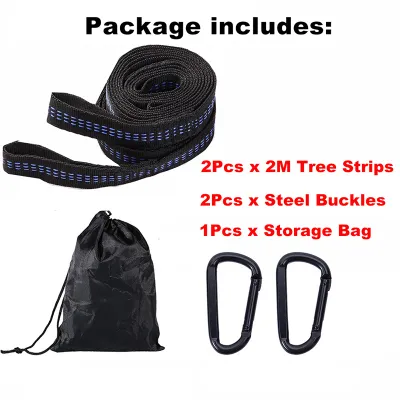
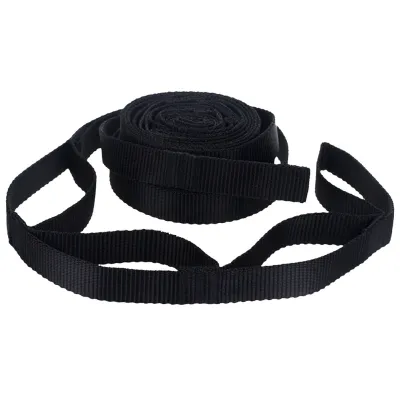
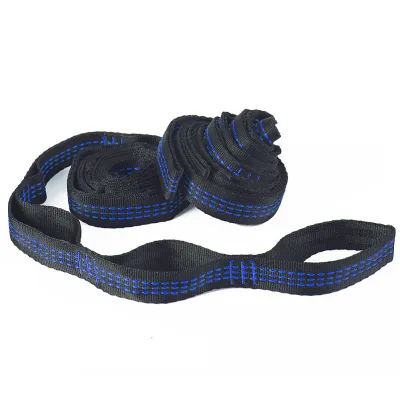
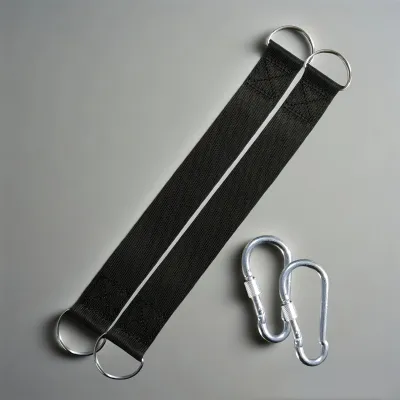
Standard ropes are highly inefficient and dangerous for long-term hammock suspension. Instead, wide tree straps made of heavy-duty polyester webbing are essential, especially for garden setups. These straps, typically 2.5 to 5 centimeters wide, distribute weight evenly across the tree trunk. This design prevents the material from cutting into the bark and damaging the cambium layer, which is vital for the tree’s nutrient transport. Polyester webbing is also highly resistant to stretching under tension, ensuring your hammock stays at the same height throughout your nap.
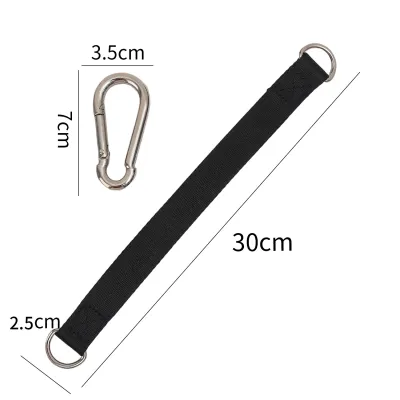
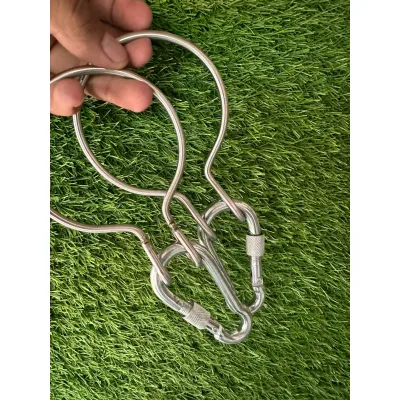
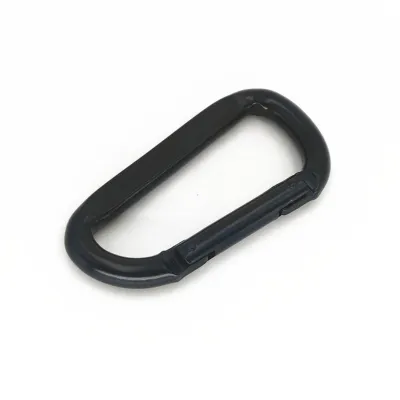
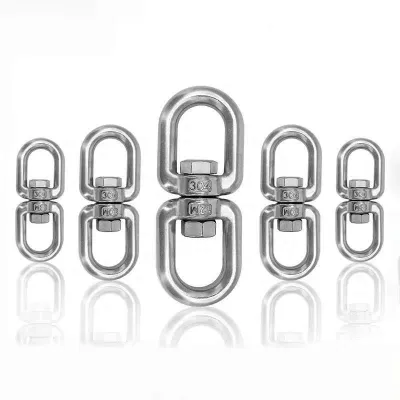
Connecting hardware is the critical link between your suspension straps and the hammock itself. You must use heavy-duty carabiners or S-hooks that carry a clear manufacturer’s load rating. Look for hardware stamped with a certified weight capacity, typically starting at 200 kilograms or higher to account for dynamic movement. Never use unrated utility carabiners, decorative keychains, or basic hardware store hooks. Standard utility clips can easily bend or snap under the sudden force of a person sitting down, leading to immediate failure.
Hammock Stands
When natural anchors or structural walls are unavailable, a dedicated hammock stand is the safest solution. This accessory is particularly useful for concrete balconies, rental properties, and tiled patios where drilling is not an option. A stand allows you to position your hammock exactly where you want it without worrying about wall integrity or tree spacing.
When selecting a stand, you must measure your floor space carefully. Ensure the base footprint fits comfortably within your balcony or garden patch without blocking walkways or emergency exits. Check the manufacturer’s weight capacity label and stability ratings. Metal stands should feature powder-coated finishes to resist rust, while wooden stands require weather-resistant sealants to withstand outdoor exposure. Always ensure the stand matches the length and style of your specific hammock to prevent sagging onto the support bar.
Weather and Sun Protection
In tropical environments characterized by intense heat, high humidity, and sudden downpours, weather protection is a structural necessity. Prolonged exposure to harsh ultraviolet (UV) rays degrades synthetic fibers like nylon and polyester, making them brittle and prone to tearing. Additionally, frequent rain can lead to mold and mildew growth if the fabric remains damp.
Installing a dedicated rain fly, tarp, or sun shade is essential to prolong the lifespan of your hammock. When shopping for these covers, check the manufacturer’s specifications for water-resistance ratings (measured in millimeters of water column) and certified UV-protection factors. Do not assume that a material is weatherproof simply because of its name. A high-quality, tensioned rain fly keeps your lounging area dry during sudden tropical afternoon showers and cool during the hottest hours of the day.
The Optionals: Comfort Upgrades to Match Your Lounging Habits
Once you have secured the safety and structural integrity of your setup, you can explore optional accessories. These items are designed to customize your lounging experience based on your local climate, personal habits, and comfort preferences.
Bug Nets and Insect Protection
Insect protection is a major consideration for outdoor setups, but its necessity depends heavily on your location. If you are setting up a hammock in a garden surrounded by dense foliage, standing water, or damp soil, a bug net is highly recommended. Mosquitoes and other biting insects can quickly ruin a relaxing afternoon and pose health risks such as dengue.
Conversely, if your hammock is located on a high-rise balcony well above the tree line, insect activity may be minimal, making a bug net unnecessary. If you decide to purchase a net, verify its compatibility with your hammock’s suspension. Look for 360-degree protection nets that completely enclose the hammock, and ensure they feature a fine mesh that blocks small insects while still allowing comfortable airflow.
Pillows, Pads, and Underquilts
Temperature regulation and ergonomic support can make a significant difference during extended lounging sessions. Specialized hammock pillows are designed to attach directly to the suspension or end loops, preventing them from sliding down the curved fabric. Sleeping pads can be inserted inside double-layer hammocks to provide structural structure and prevent the sides of the hammock from wrapping too tightly around your shoulders.
Underquilts—insulated blankets that hang directly beneath the hammock—are designed to prevent heat loss from the wind blowing underneath you. In warm, lowland tropical regions, an underquilt is generally unnecessary and will likely cause you to overheat. However, if you live in or visit elevated, breezy areas such as Tagaytay or Baguio, a lightweight underquilt can keep you comfortable during cool evenings. Always check care labels for specific washing and storage instructions to keep these fabric accessories free of mold.
Attachable Storage and Drink Holders
For those who plan to spend hours reading, working, or sleeping in their hammock, convenience accessories keep your essentials within arm’s reach. Attachable gear lofts, utility pockets, and drink holders can be suspended from the hammock’s ridgeline or clipped directly to the sides. These accessories are ideal for holding your smartphone, books, glasses, and water bottles.
These storage options are purely optional and are best suited for setups that lack adjacent flat surfaces. If your balcony or garden already features a side table or patio shelf, adding pockets to your hammock is unnecessary. Excess gear attached directly to the hammock can add weight, cause uneven sagging, or clutter your immediate lounging space.
The Buying Checklist: Prioritize Your Hammock Accessory Purchases
To build your perfect setup without overspending, use this diagnostic checklist to guide your purchases. Always prioritize safety and environmental protection before investing in comfort upgrades.
- Phase 1: Safety & Structure (Buy Immediately)
- Do you have verified, load-bearing anchor points? If not, purchase a certified hammock stand.
- Are you hanging your hammock from trees? If yes, purchase wide, non-stretch tree straps to protect the bark.
- Is your connecting hardware rated for human suspension? If not, purchase certified, load-rated carabiners.
- Phase 2: Environmental Protection (Buy Based on Location)
- Will the hammock be exposed to direct sunlight or rain? If yes, buy a UV-resistant rain fly or sun tarp.
- Are mosquitoes active in your garden or low-rise balcony? If yes, invest in a compatible bug net.
- Phase 3: Comfort & Convenience (Wait and Evaluate)
- Do you experience neck stiffness while lounging? If yes, add a specialized hammock pillow.
- Are you using the hammock in a cool, breezy highland climate? If yes, consider a lightweight underquilt.
- Do you lack a nearby table for your drinks and phone? If yes, purchase an attachable gear pocket.
Frequently Asked Questions (FAQ)
Can I use regular rope instead of buying specific hammock straps?
Using thin utility rope is highly discouraged because it concentrates all the tension into a narrow line, which can easily slice through tree bark and permanently damage the tree. Standard ropes also tend to stretch significantly when wet or under load, causing your hammock to sag to the ground. Dedicated wide polyester straps are designed to distribute weight safely and resist stretching.
Do I need a special carabiner for my hammock?
Yes, you must use a carabiner specifically rated for climbing or heavy-duty utility suspension. Always check for a weight rating stamped directly onto the metal body of the carabiner. Never use cheap, unrated aluminum carabiners commonly sold as keychains on online marketplaces, as they are not engineered to support human weight and will fail under tension.
How do I store hammock accessories when not in use?
To prolong the life of your gear, check the manufacturer’s care labels for specific cleaning instructions. Generally, you should store all straps, bug nets, and fabric accessories in a cool, dry place out of direct sunlight. Leaving them exposed to constant UV rays and humidity when not in use will accelerate fabric degradation and encourage mold growth.
Community discussion
Share your experience or ask a question. Comments are reviewed before publication.