
Evaluating whether a Dream Me mattress is suitable for the Philippine tropical climate requires looking beyond general brand promises and examining the specific materials used in each model. In a country where night temperatures regularly stay high and relative humidity frequently exceeds 80 percent, a mattress must do more than provide pressure relief; it must actively facilitate heat dissipation and resist moisture accumulation. Whether a particular Dream Me model will keep you cool and dry depends on its internal architecture, the breathability of its comfort layers, and how you maintain it in tropical conditions. By understanding how different materials interact with heat and humidity, you can make an informed decision that protects both your sleep quality and your financial investment.
Understanding Tropical Climate Challenges for Mattresses
Sleeping comfortably in the Philippines involves managing a unique set of environmental factors that directly impact mattress performance. High ambient temperatures mean that the human body relies heavily on radiation and evaporation to cool down during sleep. If a mattress traps body heat, it creates a thermal barrier that raises your core temperature, leading to restless tossing, turning, and excessive nighttime sweating. This discomfort is amplified during the humid monsoon season when the air is already saturated with moisture, making sweat evaporation less efficient.
Beyond immediate sleep comfort, persistent humidity poses a significant threat to mattress hygiene. When warm, moist air is trapped within the layers of a mattress, it creates an ideal breeding ground for mold, mildew, and dust mites. Over time, this moisture accumulation can lead to musty odors that are incredibly difficult to remove, potentially triggering respiratory sensitivities or allergies. In coastal areas or highly humid urban environments, this risk is even more pronounced, making material breathability a critical factor for long-term health and hygiene.
Products mentioned in this guide
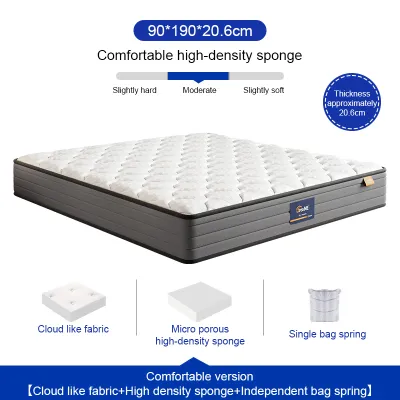
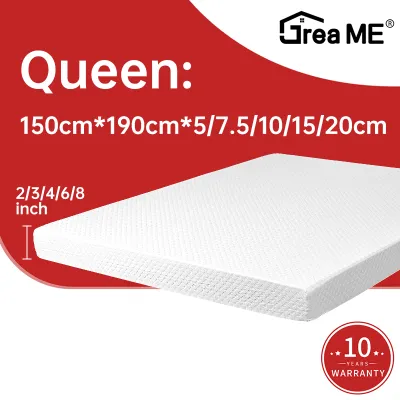
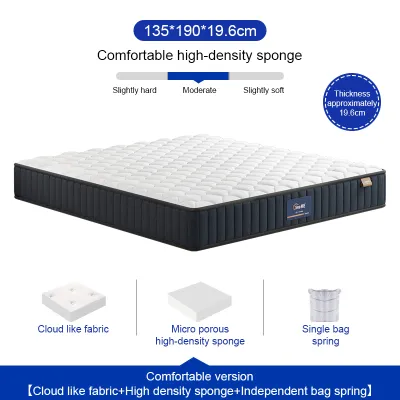
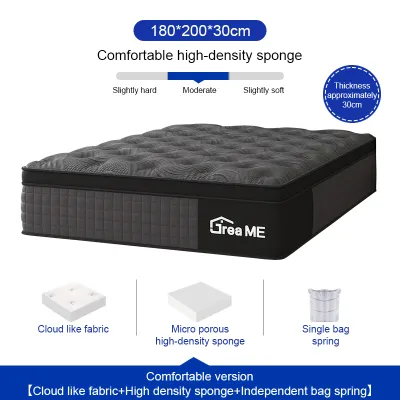
Prices are valid at publication and may change. Please refer to the product page for the latest price.
Furthermore, high humidity can accelerate the physical degradation of certain mattress materials. Polyurethane foams and memory foams can soften prematurely when exposed to constant moisture and warmth, leading to structural sagging and a loss of support. Once a mattress loses its structural integrity, it can no longer provide proper spinal alignment, which may result in morning aches and pains. Understanding these climate-specific challenges is the first step in evaluating whether a Dream Me mattress can withstand the rigors of a tropical environment.
How to Evaluate Dream Me Mattress Materials for Heat and Moisture
To determine how a specific Dream Me mattress will perform in tropical conditions, you must look past general marketing terms and examine the actual structural specifications of the model. Manufacturers often use proprietary names for their foam and spring layers, but the underlying material properties remain the key indicators of breathability. You can find these details by locating the law tag sewn into the mattress seam, checking the product manual, or requesting a detailed specification sheet from the manufacturer.

When reviewing these specifications, pay close attention to the density, thickness, and arrangement of the layers. A mattress with multiple thick layers of dense foam will naturally restrict airflow more than a model that incorporates open coil systems or highly aerated materials. By learning to interpret these technical details, you can separate helpful structural features from superficial marketing claims and choose a model designed to handle heat and humidity effectively.
Innerspring and Hybrid Structures
Innerspring and hybrid structures are generally the most suitable configurations for hot and humid climates due to the large amount of open space within their support cores. When evaluating a hybrid or innerspring Dream Me model, check the coil design and gauge. Pocketed coils or open coils allow air to circulate freely through the center of the mattress, helping to dissipate heat that radiates downward from your body. This continuous ventilation is essential for keeping the mattress core dry and preventing moisture buildup.
However, the breathability of a hybrid mattress can be compromised by its perimeter construction and comfort layers. Check the specifications for the foam encasement or edge support system; if it consists of a solid, thick block of dense polyurethane foam without ventilation channels, it can block lateral airflow. Additionally, verify the thickness of the top comfort layers. If the foam layers resting above the coils are too thick or dense, they can act as an insulating blanket, preventing your body heat from reaching the breathable coil core below.
Memory Foam and Polyurethane Foam
Memory foam and standard polyurethane foam are popular for pressure relief, but they are inherently prone to heat retention due to their dense, closed-cell structures. When assessing a foam-based Dream Me mattress, look for indicators of foam density, which is typically measured in kilograms per cubic meter. Higher-density foams generally offer superior durability and support, but their tightly packed cell structures also trap more heat and moisture compared to lower-density alternatives.
To mitigate this heat retention, look for verifiable structural modifications on the product label, such as open-cell technology or convoluted (egg-crate) designs. Open-cell foams have interconnected pores that allow air to pass through more easily, while convoluted layers create physical channels for heat to escape. Be cautious of relying solely on gel-infused foam claims; while gel can provide a temporary cooling sensation when you first lie down, its heat-absorbing capacity is limited. Without open-cell structures or active airflow to carry the heat away, the gel will eventually warm up to match your body temperature.
Latex and Natural Fibers
Latex is widely regarded as an excellent material for tropical climates because of its natural elasticity and open-cell structure. When evaluating a Dream Me model that incorporates latex, check whether it uses Dunlop or Talalay latex. Talalay latex typically undergoes a vacuum and flash-freezing process that results in a highly consistent, airy, and breathable structure, making it exceptionally good at dissipating heat. Dunlop latex is denser and slightly less breathable but still offers superior airflow compared to standard memory foam.
In addition to the manufacturing process, check the specification sheet for pinhole structures or aerated designs. Most latex comfort layers are molded with vertical ventilation holes that actively pump air out of the mattress as you move during the night. If the mattress incorporates natural fibers like coconut coir, wool, or organic cotton, verify if these materials have been treated to resist moisture and pests. Natural fibers can enhance breathability, but they must be properly processed to prevent them from absorbing ambient humidity and harboring mold in tropical environments.
Checking Cover Fabrics and Edge Support for Humidity
The outer cover of the mattress is your body’s first point of contact, making its material composition crucial for managing humidity. Look for covers made from breathable, moisture-wicking fibers such as Tencel, bamboo-derived rayon, or organic cotton. These materials help draw sweat away from your skin and facilitate rapid evaporation, keeping you dry throughout the night. Avoid covers with high percentages of untreated polyester or synthetic blends, as these materials tend to trap heat and moisture, leading to a clammy sleeping surface.
Another practical feature to look for is a removable and washable mattress cover. In the Philippines, where high humidity and sweating are daily realities, being able to unzip and wash the outer cover is a major advantage for maintaining hygiene. Regular washing helps remove accumulated sweat, skin cells, and dust mites, preventing the buildup of unpleasant odors and extending the life of the mattress. If the cover is not removable, you will need to rely more heavily on a high-quality protector.
Finally, evaluate the edge support system for potential moisture-related issues. Many modern mattresses use high-density foam borders to prevent the edges from sagging when you sit or sleep near the perimeter. While this provides excellent stability, these dense foam borders can trap moisture along the sides of the mattress. Check if the edge support incorporates ventilation holes or if the cover fabric over the edges is made of a highly breathable mesh material to ensure that moisture can escape from the sides of the bed.
Maintenance and Care in a Hot and Humid Environment
Owning a mattress in a tropical climate requires a proactive maintenance routine to prevent moisture damage and ensure even wear. One of the most important steps is establishing a regular rotation schedule based on the manufacturer’s guidelines. Rotating your mattress 180 degrees every three to six months helps distribute body weight evenly, preventing localized sagging where moisture from sweat is most concentrated. This practice allows different areas of the mattress to dry out and recover their structural shape.
To protect your mattress from sweat and ambient humidity without sacrificing breathability, choose your mattress protector carefully. Avoid cheap, non-breathable plastic or vinyl protectors, as they trap heat and moisture against your body, creating a hot and uncomfortable sleeping environment. Instead, invest in a breathable, waterproof protector made from materials like polyurethane-laminated Tencel or cotton. These protectors allow air to circulate while preventing liquid sweat and spills from penetrating the internal foam layers, helping to safeguard your ₱30,000 investment.
Proper bed frame selection is also critical for maintaining airflow around the mattress. Ensure that your bed frame provides adequate clearance from the floor and uses a slatted base rather than a solid platform. The slats should be spaced according to the manufacturer’s recommendations—typically no more than three inches apart—to provide proper support while allowing air to circulate freely beneath the mattress. This under-bed ventilation is essential for preventing moisture from pooling at the bottom of the mattress, which can lead to mold growth on the underside.
Lastly, perform regular visual and olfactory inspections of your mattress. Look for any signs of discoloration, dark spots, or a persistent musty smell, which can indicate moisture accumulation or mold development. If you detect these issues, or if you notice unusual structural softening that affects your sleep quality, stop using the mattress and consult the manufacturer or a professional cleaning service. Taking prompt action can prevent minor moisture issues from turning into permanent damage, protecting your health and your investment.
Frequently Asked Questions (FAQ)
Does a cooling gel infusion actually lower mattress temperature?
A cooling gel infusion does not permanently lower the temperature of a mattress. The gel works by temporarily absorbing heat from your body when you first lie down, creating an initial cooling sensation. However, once the gel reaches thermal equilibrium with your body, it will stop absorbing heat unless there is sufficient airflow to dissipate it. To ensure long-term cooling throughout the night, you should focus on the overall construction of the mattress—such as open-cell foams or pocketed coils—rather than relying solely on gel infusions.
How often should I rotate my mattress in a humid climate?
In a highly humid climate, you should rotate your mattress every three to six months, or strictly according to the manufacturer’s care instructions. High humidity can soften foam layers more quickly, and regular rotation helps distribute body pressure and moisture exposure evenly across the surface. This prevents deep body impressions and allows the materials to dry out more effectively, helping to preserve the structural integrity and hygiene of your mattress over its lifespan.
Community discussion
Share your experience or ask a question. Comments are reviewed before publication.