
When shopping for an executive chair in the Philippines, your budget of ₱3,000 to ₱15,000 dictates the level of ergonomic adjustability, material resilience, and long-term safety you receive. At the lower end of this spectrum, purchases deliver basic seating with fixed components and standard padding. As you approach the upper limit, the investment yields highly customizable support systems, heavy-duty metal bases, and certified safety mechanisms designed to withstand daily use in tropical climates.
Navigating these price tiers requires looking past marketing buzzwords to evaluate concrete specifications. By understanding exactly what features are realistic at each price point, you can avoid common purchasing pitfalls and select a model that aligns with your posture needs and workspace constraints.
Defining Your Priorities Before Setting a Budget
Before browsing online marketplaces or local furniture showrooms, it is essential to distinguish between a traditional executive chair and a standard ergonomic task chair. A classic executive chair prioritizes a commanding physical presence, featuring a wider frame, high backrest, and thick, plush cushioning designed for immediate comfort. In contrast, an ergonomic task chair focuses on dynamic movement, slender profiles, and highly precise, multi-point adjustments. Clarifying whether you prefer the deep, enveloped feel of an executive model or the active, corrective posture of a task chair will prevent post-purchase dissatisfaction.
Products mentioned in this guide
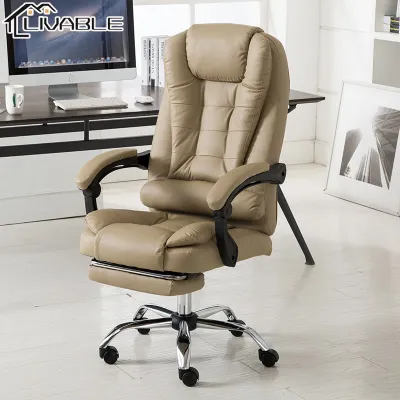
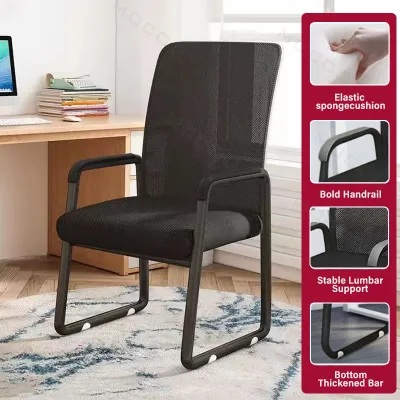
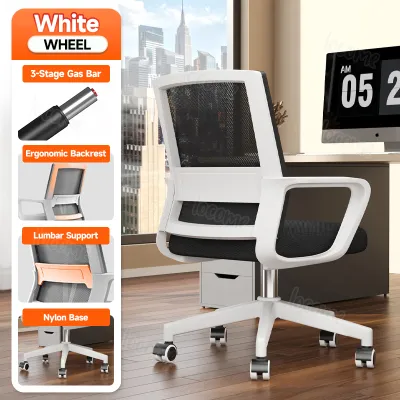
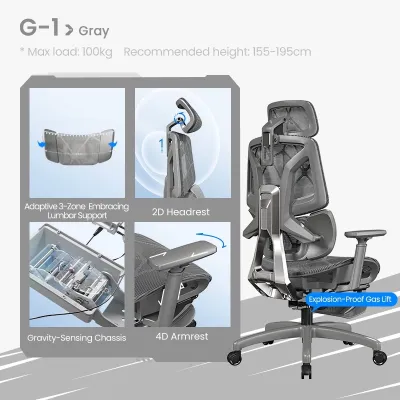
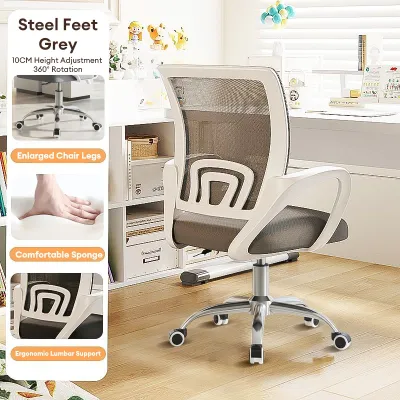
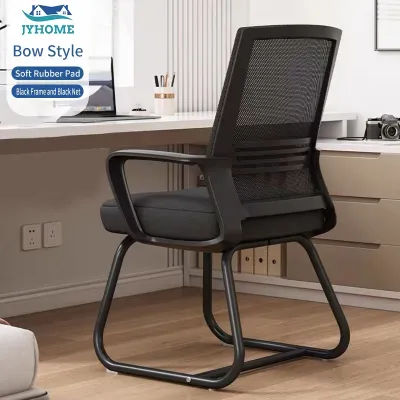
Prices are valid at publication and may change. Please refer to the product page for the latest price.
Your daily usage duration is the most critical factor in determining how much of your ₱3,000 to ₱15,000 budget you should allocate. If your typical desk time is under four hours a day, a budget-friendly model with basic padding and fixed armrests will generally suffice. However, if you work a full eight-hour shift or longer, investing in advanced posture support and high-density, molded foam becomes a necessity rather than a luxury. Prolonged sitting on low-grade foam can lead to pelvic tilt and muscle fatigue as the cushioning compresses over time.
Establishing your personal decision logic before comparing price tiers protects you from paying for unnecessary features. Identify your non-negotiable physical requirements, such as dedicated lumbar support if you experience lower back discomfort, or a high-clearance headrest if you are taller than average. Consider your specific workspace environment as well; for instance, a home office without continuous air conditioning demands highly breathable materials rather than thick, heat-trapping upholstery.
Feature and Quality Breakdown by Price Tier
To make an informed purchase, you must understand what materials, structural components, and adjustment mechanisms are standard, optional, or unavailable at each price level.

Entry-Level (₱3,000 – ₱5,000): Basic Comfort and Fixed Features
- Materials: Chairs in this price bracket typically feature standard high-density cut foam covered in basic fabric or entry-level polyester mesh. If the chair features polyurethane (PU) leather, be aware that thin synthetic coatings are highly susceptible to peeling and cracking when exposed to sweat and high humidity. It is crucial to inspect the material thickness and care labels to ensure the upholstery can withstand local climate conditions.
- Adjustability: Customization is minimal at this level. You can expect standard pneumatic height adjustment and a basic tilt mechanism that allows the chair to rock, though usually without the ability to lock the backrest at different angles. Armrests are almost exclusively fixed to the frame or the seat pan, which may limit how closely you can pull your chair up to your desk.
- Best For: Light daily use of two to four hours, secondary home workstations, student desks, or dedicated meeting rooms where occupants sit for short intervals.
- Actionable Advice: When shopping within this budget, ignore aesthetic extras like high-back racing styles or thick, pillowy cushions that use low-density foam. Instead, prioritize a solid nylon or steel base and a certified gas lift cylinder to ensure basic structural safety and stability.
Mid-Range (₱6,000 – ₱10,000): Enhanced Ergonomics and Adjustability
- Materials: This tier introduces significant material upgrades, including high-resilience molded foam that retains its shape over years of use, and double-layered or high-tensile mesh that provides better tension distribution. PU leather options in this range are thicker, often featuring reinforced fabric backings that resist peeling under humid conditions.
- Adjustability: Ergonomic customization becomes standard here. You will find adjustable lumbar support systems that allow you to alter either the height or depth of the lower-back cushion. Armrests transition to 2D or 3D configurations, enabling you to adjust their height, angle, and sometimes forward-backward position. Tilt mechanisms generally include multi-position angle locking, allowing you to recline and secure the backrest at comfortable working or resting angles.
- Best For: Standard full-time office work or remote work setups requiring four to eight hours of daily sitting where maintaining proper spinal alignment is critical to preventing fatigue.
- Actionable Advice: Focus your evaluation on the adjustability of the lumbar support and armrests. Ensure the armrests can be lowered sufficiently to align with your desk height, allowing your elbows to rest at a comfortable 90-degree angle without shrugging your shoulders.
Premium Tier (₱11,000 – ₱15,000): Advanced Support and Durability
- Materials: At the top of this budget range, chairs utilize high-elasticity woven mesh imported from specialized manufacturers, premium microfiber leathers that mimic the breathability of genuine hide, or verified genuine leather seating surfaces. Structural bases are typically constructed from heavy-duty die-cast aluminum alloy or reinforced solid steel rather than industrial plastics.
- Adjustability: This tier features highly sophisticated mechanisms, such as weight-sensitive adaptive lumbar systems that automatically adjust tension as you lean, and 4D armrests that adjust in height, width, angle, and depth. You will also find synchronized tilt mechanisms where the seat pan tilts at a lesser angle than the backrest, keeping your feet flat on the floor during a recline. Control interfaces often upgrade to convenient wire-controlled side levers rather than awkward under-seat knobs.
- Best For: Intensive daily sitting exceeding eight hours, users with chronic back or neck discomfort, and buyers seeking a long-term furniture investment with a prolonged operational lifespan.
- Actionable Advice: Because this tier represents a significant financial commitment, carefully verify the manufacturer's warranty terms. High-quality chairs in this price bracket should offer comprehensive warranties covering critical mechanical parts, the gas lift, and structural frames for several years.
Critical Specifications to Verify Before Checkout
When purchasing an executive chair online or in-store, safety and structural integrity should always take precedence over visual design. The most critical safety component of any office chair is the gas lift cylinder, which regulates height adjustments. Look specifically for recognized international safety certifications such as SGS, TÜV, or BIFMA Class 3 or Class 4 markings on the product specification sheet. Avoid products that rely on generic, unverified marketing terms like “explosion-proof” without providing official certification documents.
Additionally, you must verify the maximum weight capacity and the construction of the underlying chassis plate. A reliable executive chair should state a weight capacity of at least 120 to 150 kilograms to ensure a wide safety margin. Examine the product details or ask the seller about the thickness of the steel chassis plate beneath the seat pan; a thicker, reinforced steel plate prevents structural warping and ensures the chair remains level and stable over years of constant shifting.
Spatial clearance is another frequently overlooked dimension that can cause significant logistical issues upon delivery. Measure the chair’s maximum outer dimensions, paying close attention to the outer diameter of the wheeled base and the maximum width of the armrests. Ensure these measurements allow the chair to slide completely under your desk when not in use. If you live in a multi-story building or condominium, confirm that the packaged box dimensions can easily pass through your doorways, narrow hallways, and passenger elevators.
Finally, inspect the specific terms of the product warranty before finalizing your purchase. Warranties are frequently tiered by component; for example, a manufacturer may offer a three-year warranty on the mechanical chassis and gas lift, but only a one-year warranty on the mesh fabric or leather upholstery. Always confirm the availability of local after-sales service centers within the Philippines to ensure you can easily source replacement casters, cylinders, or arm pads if needed.
Smart Compromises and Red Flags to Avoid
If you are trying to maximize a limited budget, knowing which features to sacrifice can help you secure a safer, higher-quality chair. One of the smartest compromises is to forego a built-in headrest. Many integrated headrests on budget and mid-range chairs are non-adjustable or poorly positioned, pushing the neck forward into an unnatural curve; opting for a high-back chair without a headrest is often better for your posture. You can also skip complex, multi-button wire control systems in favor of traditional under-seat tension knobs and levers, which perform the same mechanical functions reliably while reducing manufacturing costs.
Conversely, there are several critical red flags you must actively avoid to prevent purchasing a low-quality or unsafe product:
- Deceptive Material Claims: Be highly skeptical of chairs priced under ₱6,000 that claim to feature "genuine leather." True top-grain or split leather cannot be profitably manufactured at this price point; these products almost always utilize low-grade split leather or cheap synthetic PVC that degrades, cracks, and peels rapidly in warm climates.
- Missing Safety Certifications: Never purchase a chair if the seller cannot verify the gas lift's safety certification class. A failing or uncertified gas cylinder poses a direct safety risk to the user.
- Unrealistic Warranty Promises: Treat "lifetime warranties" offered by unverified online storefronts with extreme caution. If the seller does not maintain a physical local service address, a registered business entity, or a clear, documented return and repair policy within the Philippines, the warranty is virtually impossible to claim.
To ensure long-term satisfaction, make it a habit to read recent customer reviews on ecommerce platforms, focusing specifically on feedback submitted after six to twelve months of use. Look for recurring complaints regarding structural squeaking, loose joints, or sagging cushions. Prioritizing verified structural durability over initial aesthetic appeal ensures your executive chair remains a comfortable, supportive asset to your daily work routine.
Community discussion
Share your experience or ask a question. Comments are reviewed before publication.