
Hosting family gatherings is a cornerstone of Filipino culture. Whether it is a casual Sunday lunch, a birthday celebration, or a festive holiday feast, the dining table serves as the heart of the home where everyone gathers for a shared meal. However, modern living spaces—especially in urban townhouses and condominiums—often limit the size of the furniture we can permanently keep in our dining areas. A massive ten-seater table might accommodate everyone during a special occasion, but it can severely restrict daily movement and make the room feel cramped during the rest of the week.
An extendable lamesang kainan offers a practical compromise by providing a flexible footprint. It remains compact for daily family meals and expands seamlessly to host larger groups of six to ten people when guests arrive. Selecting the right extendable table requires balancing spatial constraints, mechanical durability, and material resilience against the local climate. By evaluating your room layout, understanding how different extension mechanisms operate, and checking structural stability, you can find a versatile dining table that serves your household for years to come.
Key Dimensions and Space Requirements for 6-10 Seats
Before browsing for an extendable table, you must calculate both the compact and fully extended dimensions to ensure the piece fits your dining room. A standard dining setup requires approximately 60 centimeters of width and 35 to 40 centimeters of depth per person to allow comfortable dining without bumping elbows. When configured for six people, a rectangular table typically measures between 150 and 180 centimeters in length. To expand this same table to seat ten people comfortably, the extended length must reach between 240 and 300 centimeters.
Products mentioned in this guide
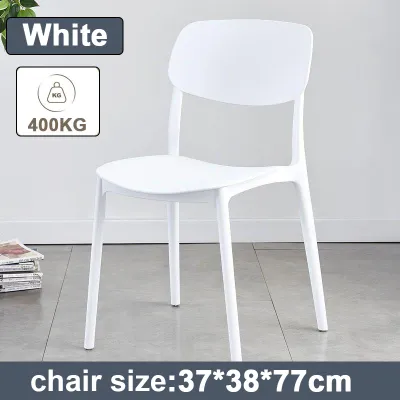
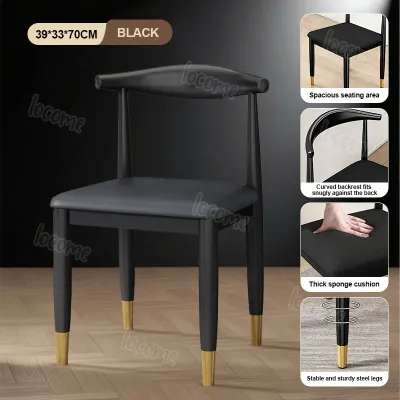
Prices are valid at publication and may change. Please refer to the product page for the latest price.
Calculating clearance space is just as critical as measuring the table itself. A minimum of 90 centimeters of clearance between the edge of the table and the nearest wall, sideboard, or doorway is necessary to allow diners to pull out their chairs and sit down easily. If the dining area serves as a primary walkway to the kitchen or living room, increase this clearance to 120 centimeters. Always measure your room with the table’s maximum extended length in mind to prevent guests from being trapped against walls or blocking household traffic.
Room shape plays a significant role in determining which table silhouette will function best in your space. Rectangular extendable tables are highly efficient for long, narrow dining rooms, aligning naturally with the walls to maximize seating along the sides. Oval tables offer a softer aesthetic and make it easier to squeeze in an extra chair at the curved ends since there are no sharp corners. Round extendable tables are excellent for square rooms; they maintain a cozy, conversational circle for daily use and transform into an oval shape when extended, preserving traffic flow around the room.
Types of Extendable Mechanisms and How They Work
Extendable tables utilize various mechanical designs to transition between sizes, and choosing the right one depends on your storage capacity and how often you plan to expand the table. The butterfly leaf mechanism is one of the most popular and user-friendly options available. In this design, the extension panels are hinged and stored in a dedicated compartment directly beneath the tabletop. When you pull the table ends apart, the leaf flips open and locks into place like butterfly wings. This self-storing feature is highly convenient because it eliminates the need to find extra storage space in your home.

Drop-leaf tables offer a different approach, featuring hinged sections on the ends or sides of the table that hang down vertically when not in use. To extend the table, you simply lift the leaves and engage support brackets underneath. While highly practical for quick transitions in tight spaces, drop-leaf tables often have visible seams and hinges on the surface. Additionally, the folded leaves can sometimes interfere with legroom or chair placement when the table is kept in its compact state.
Removable leaves, also known as insert leaves, require physically placing one or more separate panels into the center of the table after pulling the main sections apart. This classic mechanism often allows for the greatest extension length, making it ideal for transitioning from a compact four-seater to a spacious ten-seater. However, because these leaves do not store inside the table, you must have a dedicated, dry storage space—such as a closet or under a bed—to keep the extra panels safe from warping, scratches, and moisture when they are not in use.
Ease of operation is another factor to consider when comparing mechanisms. Some modern extendable tables feature synchronized extension glides, which allow a single person to pull one end of the table while the opposite end opens smoothly in tandem. Non-synchronized mechanisms usually require two people to pull from opposite ends to avoid binding or damaging the tracks. If you frequently host spontaneous gatherings, a synchronized or self-storing butterfly mechanism will offer the most seamless, single-handed operation.
Material and Structural Checks for Heavy Daily Use
In the Philippines, high relative humidity and warm temperatures can cause wood to expand and contract, which may affect the alignment of extension mechanisms over time. Therefore, evaluating surface materials and structural joints is essential to ensure your lamesang kainan withstands daily wear and tropical climate conditions. Rather than assuming a material is durable based on its name alone, check the manufacturer’s specifications for protective finishes and care instructions.
When assessing surface finishes, look for tables treated with moisture-resistant and heat-resistant sealants. Polyurethane coatings, high-pressure laminates, or treated wood veneers help protect the tabletop from condensation rings left by cold drinks and heat from hot serving dishes. Even with a high-quality finish, always use coasters, placemats, and trivets to preserve the surface. Avoid placing hot serving pots directly onto the table, and wipe up spills immediately to prevent moisture from seeping into the seams.
Base design and leg placement directly impact both seating comfort and overall stability. A traditional four-legged table provides excellent stability at the corners but can limit chair placement, as guests may find themselves straddling a table leg when you try to maximize seating. Pedestal bases or trestle designs offer more legroom and allow chairs to be placed freely around the perimeter without guests bumping their knees. However, if you choose a pedestal design, ensure the base is heavy and wide enough to prevent the table from tipping when heavy dishes are placed near the extended ends.
Finally, inspect the locking mechanisms, joints, and seams on the underside of the table. High-quality extendable tables feature secure locking latches that hold the leaves tightly together, preventing gaps from forming during use. Check that the extension glides are made of sturdy metal or smooth, seasoned hardwood that will not warp easily. When the table is fully extended, there should be no visible sagging at the center seam, and the entire structure should feel rigid and stable when light pressure is applied to the edges.
Pre-Purchase Checklist: What to Verify Before Buying
Before committing to a purchase, take the time to run through a final verification checklist to avoid delivery, assembly, and fitment issues. First, measure the clearance of all entry points leading to your dining room. This includes the width and height of front doors, tight hallway corners, stairwells, and condominium elevator cabins. Extendable tables are often heavy and shipped in large, flat boxes; ensuring they can safely enter your home prevents the frustration of a failed delivery.
Next, evaluate your dining room floor surface and leveling. Uneven tile grout or warped wooden floors can cause an extended table to wobble or prevent the extension leaves from aligning perfectly. If your floor is slightly uneven, look for tables equipped with adjustable leveling feet on the legs or pedestal base. If you plan to place a rug under the dining set, ensure it is large enough that the chairs remain on the rug even when pulled out, and verify that the table’s extension legs do not catch on the rug fibers during expansion.
Lastly, review the manufacturer’s warranty terms and assembly requirements. A comprehensive warranty should cover the moving parts, extension tracks, hinges, and structural joints, as these components experience the most mechanical stress. If the table requires home assembly, verify whether the package includes clear instructions and all necessary hardware, or check if the retailer offers professional assembly services to ensure the extension mechanisms are aligned and calibrated correctly from day one.
Frequently Asked Questions (FAQ)
How much clearance is needed around an extendable dining table?
To ensure comfortable movement, maintain at least 90 centimeters of clearance between the table edge and the nearest wall or obstacle when the table is fully extended. This allows guests to sit down and rise easily. For high-traffic pathways where family members frequently walk past, aim for 120 centimeters of clearance. If you plan to use bulky dining chairs or chairs with wide armrests, you may need to adjust these measurements upward to prevent the chairs from hitting walls or blocking walkways.
Can an extendable table wobble when fully expanded?
An extendable table can wobble if the base support is insufficient for the extended length, if the locking pins are not securely engaged, or if the floor surface is uneven. To prevent instability, always engage the underside locking latches once the leaves are in place. If you notice persistent wobbling or sagging at the center seam, check if the table requires a central support leg. If the instability continues despite proper assembly and leveling, stop using the table at its maximum length and consult the manufacturer or a qualified furniture professional to inspect the structural joints.
Community discussion
Share your experience or ask a question. Comments are reviewed before publication.