
To seat 6 to 10 guests in a typical Philippine condominium without sacrificing daily living space, the ideal solution is an extendable or folding dining table. These versatile pieces of furniture transition from a compact footprint for everyday meals to an expansive setup for family gatherings and festive celebrations. Finding a high-quality folding table for small space layouts requires balancing physical dimensions, mechanical durability, and the specific spatial constraints of modern high-rise living.
In cities like Metro Manila and Cebu, where open-plan condo layouts are standard, a fixed eight-seater dining table is rarely practical. It permanently consumes valuable floor area, disrupting daily traffic and making the home feel cramped. An extendable dining table solves this dilemma by staying small during the week and expanding only when the occasion demands, allowing you to host Sunday lunch for the extended family without sacrificing your daily comfort.
Assessing Your Condo Space for Daily Use and Large Gatherings
Before browsing furniture showrooms or online catalogs, you must accurately measure your dedicated dining zone. Start by measuring the distance from the dining wall to nearby obstacles, such as kitchen counters, kitchen islands, structural columns, and balcony doors. In open-concept layouts, the dining area often shares space with the living room, meaning you must also consider how far a table can expand before it bumps into your sofa or television console.
Products mentioned in this guide
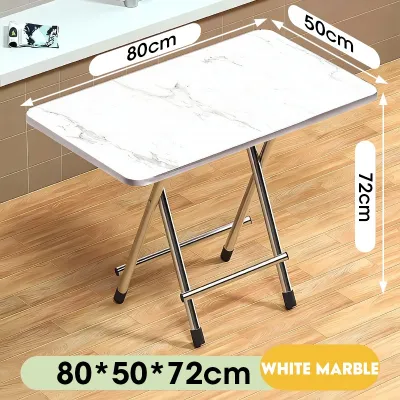
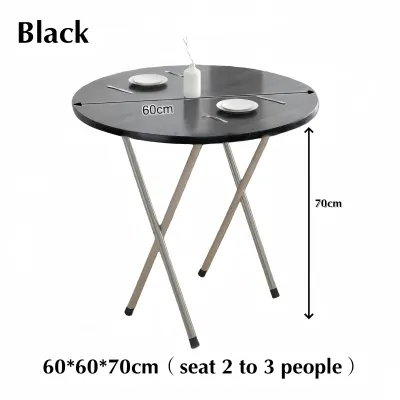
Prices are valid at publication and may change. Please refer to the product page for the latest price.
It is helpful to distinguish between the daily footprint and the gathering footprint of your dining area. The daily footprint represents the table in its compact mode, typically seating two to four people. In this state, the table should leave ample room for daily household activities. The gathering footprint is the fully expanded state for six to ten guests, which will temporarily take over adjacent spaces but must still allow for basic movement.
Mapping out daily walkways is crucial for safety and comfort in a condominium. Even during a lively family gathering, the main traffic routes—such as the path from the entryway to the kitchen, or the corridor leading to the bedrooms and bathrooms—must remain clear. An expanded table should never block emergency exits or create tight bottlenecks where guests are trapped in their seats.
In small homes, the dining table often serves multiple purposes. It may function as a work-from-home desk during the day, a food preparation surface for the kitchen, or a study table for children. When selecting a table, consider how these daily activities will interact with the table’s design, surface material, and placement when it is not being used for hosting.
Finally, do not overlook the physical constraints of delivering large furniture to a high-rise building. Measure your condo’s service elevator dimensions, hallway widths, and unit doorway clearances. Some extendable tables are delivered fully assembled or feature long, heavy single-piece frames that may not easily navigate tight corridor turns or low elevator ceilings.
Choosing the Right Folding Table for Small Space Layouts: Key Mechanisms
Different extension mechanisms offer distinct advantages in terms of operational ease, stored footprint, and maximum seating capacity. Understanding how these mechanisms function helps you select the best folding table for small space configurations based on your hosting frequency and storage options.

Drop-Leaf and Gateleg Tables
Drop-leaf and gateleg tables feature hinged outer panels that fold downward when not in use, allowing the table to shrink into a narrow console or a small square. To expand the table, you raise the leaves and swing out a supporting leg or bracket underneath. This classic design is exceptionally space-efficient, as you can push the collapsed table flat against a wall to serve as a entryway console or a slim desk.
While excellent for saving space daily, traditional drop-leaf tables have limitations when hosting large groups. Most models max out at six to eight seats because exceptionally long drop-leaves require heavy support structures that can interfere with guest legroom. The swinging gatelegs can also limit where you can comfortably place dining chairs, occasionally forcing guests to straddle the wooden support frames.
Butterfly Leaf and Self-Storing Extension Tables
Butterfly leaf tables feature a split top that slides apart on metal tracks to reveal a hidden extension leaf folded beneath the surface. To expand the table, you pull the two halves outward, lift and unfold the leaf like butterfly wings, and lock the tabletop back together. This is one of the most popular choices for seating eight to ten people because the extension mechanism is entirely self-contained.
Self-storing tables eliminate the need to find extra closet space for loose extension panels, which is a major benefit in storage-starved condos. Furthermore, these tables often feature sturdy central pedestal or trestle bases rather than four corner legs. This base design provides maximum legroom and allows you to squeeze in extra chairs along the sides and ends without anyone hitting their knees on a table leg.
Console-to-Dining and Expandable Folding Tables
Console-to-dining tables offer the most dramatic transformation for small spaces. In their compact state, they look like a shallow hallway console table, measuring only 40 to 50 centimeters deep. When extended, the frame pulls apart on heavy-duty telescoping metal tracks, extending up to three meters to accommodate multiple independent leaves. This mechanism can easily expand a table from a two-seater workspace to a ten- or twelve-seater banquet table.
The primary trade-off with console-to-dining tables is the storage of the loose leaves. Because these panels do not store inside the console, you must find a dedicated place to keep them—such as under a bed, inside a wardrobe, or behind a sofa. Freestanding folding tables with heavy-duty hinges offer a more budget-friendly alternative, but you should carefully check their stability, frame lock mechanisms, and aesthetic finish to ensure they feel like proper dining furniture rather than temporary outdoor gear.
Space Planning: Dimensions and Clearances for 6 to 10 Seats
To ensure your guests can dine comfortably without bumping elbows, you must plan your seating layout using standard interior design dimensions. Each diner requires approximately 24 inches (60 cm) of table width to sit comfortably and eat without restriction. This width is especially important during local family gatherings where sharing plates, large serving bowls, and hot pots occupy the center of the table.
To calculate the expanded length needed to seat up to ten people, use the following guidelines:
- Seating 6 Guests: Requires an expanded table length of 60 to 72 inches (150 to 180 cm).
- Seating 8 Guests: Requires an expanded table length of 72 to 96 inches (180 to 240 cm).
- Seating 10 Guests: Requires an expanded table length of 96 to 120 inches (240 to 300 cm). To achieve this capacity, you will typically seat four people along each long side and one person at each short end.
In addition to table length, clearance rules are vital for comfortable movement. You must maintain at least 30 to 36 inches (75 to 90 cm) of open space between the edge of the expanded table and the nearest wall, kitchen counter, or piece of living room furniture. This clearance allows guests to push back their chairs to stand up and permits others to walk behind seated diners without forcing them to lean forward.
Before committing to a purchase, use blue painter’s tape or lay down sheets of newspaper on your condo floor to mock up both the compact and fully expanded dimensions of the table. Leave the mockup in place for a day or two to visualize how the table affects your daily movement and to verify that the fully extended layout will physically fit within your space.
Choosing Durable Materials and Smooth Mechanisms for Frequent Use
An extendable table undergoes regular physical stress from sliding, folding, and supporting heavy weight. Selecting durable materials and high-quality hardware ensures the table remains stable and attractive over years of frequent use and hosting.
Because local gatherings often feature hot, heavy serving dishes like large soup bowls or roasted meats, the tabletop material must be highly resilient. Consider the following material options and their maintenance requirements:
- Sintered Stone or Ceramic: Highly resistant to heat, scratches, and stains. These non-porous surfaces are ideal for tropical climates as they do not warp in high humidity and are easy to wipe clean after spills.
- High-Pressure Laminates (HPL): A budget-friendly, moisture-resistant option. If choosing HPL, inspect the quality of the edge banding to ensure it is tightly sealed, as high humidity can cause poorly bonded edges to peel over time.
- Solid Hardwoods (e.g., Mahogany, Acacia): Offer classic beauty and excellent structural strength. However, solid wood must be properly sealed with a moisture-resistant protective finish to prevent water rings and warping. Always follow the manufacturer's specific care instructions regarding wood conditioners and heat mats.
When inspecting a potential table, pay close attention to the extension tracks and hinges. A table that will be expanded frequently needs smooth, heavy-duty metal tracks—ideally made of powder-coated steel or aluminum—with ball-bearing glides. Avoid cheap wooden runners, which can swell, stick, or warp during the humid rainy season, making the table difficult or dangerous for one person to operate.
Stability is a primary safety concern for extended tables. When fully extended, the center of the table must not sag or wobble under the weight of food and dinnerware. Look for designs that feature central support legs, heavy-duty steel frames, or robust trestle bases, which provide superior stability and load capacity compared to standard four-corner legs on long extensions.
Common Sizing and Layout Mistakes to Avoid
One of the most common mistakes is ignoring dining chair dimensions. Bulky chairs with wide frames or high armrests may not slide fully under the table apron when the table is in its compact daily mode. This prevents you from pushing the chairs in, wasting valuable floor space and blocking walkways. To maximize efficiency, pair your extendable table with slim, armless dining chairs, or invest in matching folding or stackable chairs that can be stored in a closet when not hosting.
Another frequent oversight is neglecting overhead clearances. A fully expanded table shifts the center point of your dining zone. Ensure that the fully extended table does not place guests directly under a low-hanging pendant light or too close to a ceiling fan. A misaligned light fixture can create glare or become a physical hazard, while a ceiling fan spinning directly over an expanded table can cause food to cool down too quickly or create uncomfortable drafts.
Finally, avoid buying a table that is too wide in its compact form. While a wide table offers more surface area for serving dishes, a width greater than 36 inches (90 cm) can permanently crowd a narrow condo dining room. Look for tables that maintain a slim, streamlined width of 30 to 34 inches (75 to 85 cm) while relying on length extensions to accommodate larger groups.
Frequently Asked Questions (FAQ)
Can a standard condo dining area fit a 10-seater extendable table?
Yes, but it requires careful spatial planning. To comfortably accommodate a ten-seater table along with the necessary 30-inch chair clearances on all sides, you need a dedicated, unobstructed dining zone that is at least 13 to 15 feet (4 to 4.5 meters) in length. If your dining area is smaller than this, a console-to-dining table is the best option, as it can be stored as a slim console against the wall and expanded diagonally or into the living area only during special occasions.
What is the best table shape for maximizing seating in a small space?
A rectangular table is generally the most efficient shape for maximizing seating in a small condo. Rectangular tables can be pushed flush against a wall or kitchen island when in compact mode to save floor space, and they align naturally with the long, narrow layouts of modern apartments. In contrast, round tables that expand to seat ten people require a massive diameter that easily overwhelms small rooms and leaves significant dead space in the corners.
Community discussion
Share your experience or ask a question. Comments are reviewed before publication.