
In modern Filipino homes, open-plan layouts are highly favored for their ability to maximize airflow and create a sense of spaciousness. However, defining distinct functional zones—such as separating the living room from the dining area or kitchen—often requires a thoughtful design intervention. A mini bar partition crafted from local materials like rattan and bamboo offers an elegant, dual-purpose solution. It serves as a physical divider that maintains a breezy, tropical aesthetic while providing dedicated storage for glassware, beverages, and bar accessories.
Using indigenous materials aligns with the contemporary tropical design movement, which celebrates natural textures, sustainability, and local craftsmanship. Rattan and bamboo are highly versatile, allowing for intricate weaving patterns and sturdy structural frames that complement both traditional and minimalist interiors. However, integrating these materials into a functional bar partition requires more than just aesthetic appreciation. Homeowners must carefully evaluate structural stability, material treatments suitable for high-humidity environments, and precise spatial clearances to ensure the piece is both safe and practical for daily use.
Popular Design Layouts for Rattan and Bamboo Mini Bar Partitions
Full-Height Woven Screens with Integrated Lower Cabinets
For homes requiring distinct visual separation between rooms without completely blocking natural light, a full-height partition featuring woven panels is an excellent choice. These designs typically utilize a solid wood or thick rattan pole frame to support intricate woven inserts, such as the classic solihiya weave pattern. The semi-translucent nature of these weaves allows air and light to filter through, preserving the open feel of the home while shielding the dining or kitchen area from direct view.
Products mentioned in this guide
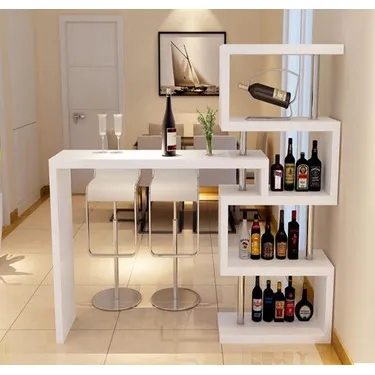
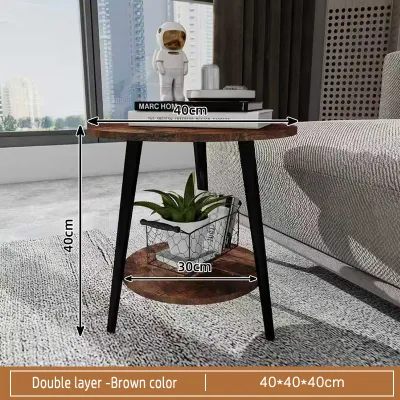
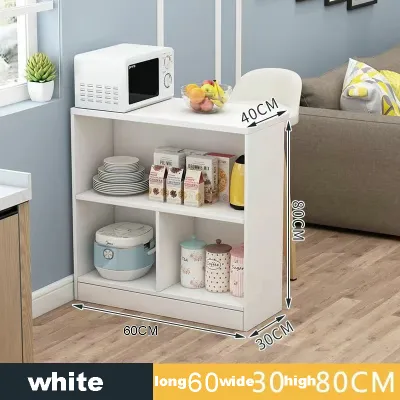
Prices are valid at publication and may change. Please refer to the product page for the latest price.
The lower portion of this partition layout is usually dedicated to closed storage. An integrated cabinet made of solid wood with rattan-faced doors provides a concealed space to store liquor bottles, cocktail shakers, and less aesthetic bar utility items. This configuration keeps the visual clutter hidden at the base, lowering the unit’s center of gravity and enhancing overall stability. The top half remains light and airy, often featuring a few open shelves for displaying curated glassware or small indoor plants.
Bamboo Frame Structures with Open Shelving
If your primary goal is to display a collection of fine glassware, decanters, and curated bottles, a bamboo frame structure with open shelving offers a highly functional and visually striking layout. Bamboo is renowned for its impressive tensile strength and natural cylindrical form, which lends a clean, organic line to modern interiors. Using thick-walled bamboo poles for the main vertical supports creates a robust framework that can easily define a room boundary.
The shelves in this design are often made of split bamboo slats, solid wood planks, or tempered glass supported by horizontal bamboo crossbeams. Because the shelving is entirely open, this layout provides easy access to bar items from both sides of the partition, making it highly convenient when entertaining guests. To prevent items from sliding off the open shelves, high-quality designs incorporate raised bamboo rails or decorative woven borders along the edges of each shelf. This layout works exceptionally well in smaller apartments or condominiums where solid walls would make the space feel cramped.
Half-Height Solid Wood and Rattan Combinations
A half-height partition offers a highly interactive design that serves multiple purposes simultaneously. This layout typically stands at standard counter height or bar height, acting as a physical boundary while doubling as a casual breakfast bar or entertaining counter. The base of the partition is constructed with a sturdy solid wood frame, often accented with decorative rattan panels or woven cane webbing along the front and sides to soften the look.
On the serving side, the countertop extends slightly outward to accommodate bar stools, allowing family members or guests to sit and converse with the host. On the working side, the unit features open cubbies, wine bottle racks, and hanging stemware racks underneath the counter. This layout maximizes utility in compact living spaces, turning a simple room divider into an active social hub where you can enjoy morning coffee, casual meals, or evening drinks.
How to Evaluate Material Quality and Structural Stability
Checking Surface Treatments and Moisture Resistance
Because rattan and bamboo are natural, organic materials, they are susceptible to environmental factors, particularly in tropical climates characterized by high humidity and seasonal temperature shifts. When selecting a mini bar partition, it is crucial to inspect the manufacturer’s specifications regarding surface treatments. High-quality pieces should be treated with anti-fungal, anti-termite, and insect-preventative coatings to protect against common pests like powderpost beetles.

Additionally, because a bar area inevitably involves liquids, spills, and condensation from chilled bottles, the surfaces must have a protective sealant. Look for polyurethane, lacquer, or specialized varnishes that seal the porous fibers of rattan and bamboo. Unsealed materials will quickly absorb moisture, leading to unsightly water stains, warping, or mold growth. Always verify with the seller or maker that the finishes used are water-resistant and easy to wipe clean.
Inspecting Joint Connections and Joinery
The structural integrity of a rattan or bamboo partition depends heavily on how the individual components are joined together. Traditional furniture making often relies on lashing, where split rattan peel or synthetic fibers are wrapped tightly around joints to secure them. While visually appealing and highly authentic, lashing should complement, rather than entirely replace, mechanical fasteners in load-bearing structures.
Examine the joints closely to ensure that internal connections are secured with sturdy wood screws, dowels, or metal brackets. The lashing should be wrapped tightly without any loose ends, gaps, or fraying, serving as both a secondary reinforcement and a decorative cover. Shake the unit gently during inspection; any wobbling, creaking, or flexing at the joints indicates weak joinery that may fail over time under the weight of heavy bottles and glassware.
Verifying Stated Load Capacity
A mini bar partition is designed to hold items that are collectively quite heavy. A single full bottle of liquor or wine can weigh over a kilogram, and when multiplied across a collection of bottles, decanters, and heavy glassware, the load on a single shelf can accumulate rapidly. Before purchasing or commissioning a design, check the manufacturer’s stated load capacity for each shelf.
Avoid designs that feature long, unsupported spans of thin bamboo or rattan, as these will sag over time under constant weight. High-quality shelves should feature central support ribs, metal reinforcement bars hidden within the frame, or thick solid wood inserts. If the manufacturer cannot provide a clear weight limit, it is safer to use the open shelves primarily for lightweight glassware and decorative items, while storing heavy bottles in the lower, ground-supported cabinets.
Space Planning, Clearances, and Installation Requirements
Measuring Available Space and Delivery Pathways
Before committing to a specific mini bar partition design, precise measurements of your living space are essential. Document the total floor area where the partition will stand, as well as the exact ceiling height. Because many rattan and bamboo partitions are delivered as single, fully assembled units—due to the nature of bentwood and woven construction—you must also measure your home’s entry points.
Verify the clearance heights and widths of all doorways, narrow hallways, stairwells, and elevator cabins. A beautiful, full-height partition is of no use if it cannot clear the low ceiling of a condominium service elevator or navigate a tight turn in a stairwell. If access is restricted, look for modular designs that can be delivered in sections and assembled on-site, or opt for a half-height unit that easily fits through standard doorways.
Assessing Center of Gravity and Anti-Tip Anchoring
Tall, narrow partitions have a relatively high center of gravity, which is further elevated when heavy bottles and glassware are stored on the upper shelves. This structural characteristic makes them susceptible to tipping over if bumped, especially in active households. To mitigate this risk, plan for secure anchoring.
If the partition is positioned against a wall, it should be secured using L-brackets or heavy-duty wall anchors fastened into the wall studs. For freestanding partitions that sit in the middle of a room, consider designs that feature a wide, weighted base or those that can be anchored directly to the floor or ceiling. Avoid placing heavy items on the topmost shelves; instead, distribute the weight so that the heaviest bottles are stored in the lowest cabinets, keeping the unit’s center of gravity as low as possible.
Calculating Walkway and Seating Clearances
A functional mini bar partition must not obstruct the natural flow of traffic through your living room. When planning the layout, ensure there is adequate walkway clearance around the unit. Standard interior design guidelines recommend maintaining a clear path of at least 36 inches in major walkways to allow comfortable movement.
If your partition includes a half-height counter with bar stools, you must factor in the space required for seating. Allow at least 24 inches of width per stool to prevent guests from feeling crowded. Additionally, ensure there is at least 12 to 18 inches of knee clearance under the counter, and leave at least 30 inches of clear space behind the stools when they are pulled out, allowing people to walk past without forcing the seated guests to move.
Sourcing and Commissioning Custom Pieces in the Philippines
Comparing Ready-Made and Custom Options
When looking for a rattan or bamboo mini bar partition, you have the choice between purchasing a ready-made unit or commissioning a custom piece. Ready-made options are often available in local furniture showrooms, specialty boutique stores, or curated online marketplaces. These units allow you to inspect the build quality, finishes, and exact dimensions in person before buying, making them a convenient choice if you find a design that fits your space perfectly.
However, because homes vary widely in layout and size, commissioning a custom piece from local artisans or specialized furniture makers is often the best way to achieve a perfect fit. The Philippines has a rich heritage of woodworking and weaving, with skilled craftsmen in regions like Pampanga, Cebu, and Laguna who specialize in modernizing traditional materials. Custom commissioning allows you to specify the exact dimensions, storage configurations, and weave patterns that match your home’s interior design.
Key Specifications for Custom Commissions
When working with a custom furniture maker, providing clear, detailed specifications is key to achieving the desired result. Prepare a simple sketch or reference photos showing the overall design, along with precise measurements for height, width, depth, and shelf spacing. Specify the exact materials you want, such as high-grade palasan rattan for the main structural frame and solihiya weaving for the panels.
Clearly outline your storage requirements: indicate how many wine bottles you need to store, whether you require hanging racks for stemmed glasses, and if you want adjustable shelves. It is also important to specify the type of finish—such as a matte polyurethane or a dark walnut stain—to ensure the piece coordinates with your existing living room furniture. Request that the maker includes internal structural reinforcements, such as concealed hardwood supports, if you plan to store heavy items.
Essential Questions to Ask the Maker
Before finalizing a custom order and placing a deposit, clarify several practical details with the furniture maker. Ask about their current lead times, as hand-woven and custom-bent rattan pieces can take several weeks or even months to complete depending on the complexity of the design. Inquire about the delivery process: will the unit be delivered fully assembled, and does the delivery fee include bringing the piece inside your home and setting it up?
Additionally, ask about warranty coverage or post-purchase support. Natural materials can sometimes experience minor shifting, cracking, or fiber loosening as they adjust to the humidity levels in your home. A reputable maker should offer a warranty period during which they will repair structural defects, loose weaving, or finish issues. Understanding these terms beforehand ensures a smooth experience and a long-lasting piece of furniture.
Frequently Asked Questions (FAQ)
How do I clean and maintain rattan and bamboo surfaces?
Routine maintenance is essential to keep natural rattan and bamboo looking fresh and to prevent dust from accumulating in the intricate woven patterns. Use a soft-bristled brush, a microfiber cloth, or a vacuum cleaner with a brush attachment to gently remove dust from the crevices of the weave. Avoid using stiff wire brushes or abrasive scrubbing pads, as these can scratch the protective sealant and fray the natural fibers.
For deeper cleaning, wipe the surfaces with a slightly damp cloth dipped in a mild solution of water and a gentle dish soap. Never saturate the material with water, as excess moisture can penetrate the fibers, causing them to swell, weaken, or develop mold. If a spill occurs, wipe it up immediately with a dry, absorbent cloth. Always refer to the manufacturer’s care label or instructions for approved cleaning agents, and avoid harsh chemical solvents that can strip away the protective varnish.
Can a rattan mini bar partition support a heavy stone countertop?
On its own, a standard rattan or bamboo frame is not designed to support the concentrated weight of a heavy stone countertop, such as granite, marble, or engineered quartz. These stone slabs are extremely heavy and require a rigid, unyielding support structure to prevent cracking and structural collapse. Attempting to place a stone slab directly onto a lightweight rattan frame will likely cause the frame to bow, warp, or fail over time.
If you desire a stone countertop for your mini bar partition, the unit must be designed with an internal load-bearing skeleton made of solid hardwood or welded metal. This internal frame must transfer the entire weight of the stone directly to the floor, leaving the rattan and bamboo to serve as decorative exterior cladding rather than structural support. Before adding any heavy countertop material, consult the furniture maker’s structural drawings and weight limits to verify that the piece is engineered to handle the load safely.
Community discussion
Share your experience or ask a question. Comments are reviewed before publication.