
Finding a reliable office chair that accommodates larger frames can be a challenging task, especially when shopping within a strict budget of ₱3,000 to ₱15,000. Many standard office chairs are designed for average weight limits, often leading to premature wear, sinking gas cylinders, or structural failures when subjected to heavier daily use. In the tropical climate of the Philippines, high humidity can also accelerate the degradation of low-quality plastics, cheap faux leather, and weak metal joints, making a careful purchase decision even more critical.
To secure a chair that offers genuine durability, comfort, and safety, you must look past generic marketing labels and focus on verifiable structural specifications. By understanding what components constitute a true heavy-duty build and knowing how to navigate the local market, you can find an ergonomic seating solution that protects both your posture and your wallet. This guide breaks down the essential technical standards, budget expectations, and practical online verification steps to help you make an informed investment.
Defining "Heavy-Duty": Key Specifications to Verify
When browsing online marketplaces or local furniture showrooms in the Philippines, the term “heavy-duty” is frequently applied to almost any chair with a high backrest or a thick seat cushion. However, true heavy-duty office chairs are defined by engineering standards rather than visual styling. To ensure a chair can safely support heavier weights over extended periods, you must verify the manufacturer’s official maximum weight rating, which should ideally be at least 130 kg to 150 kg or higher.
Products mentioned in this guide
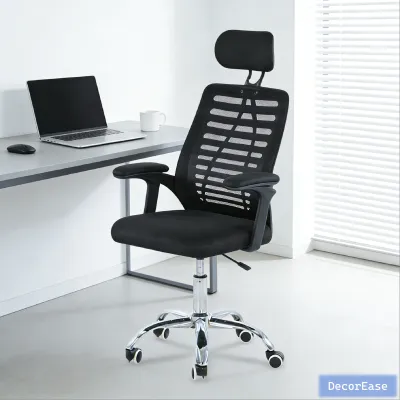
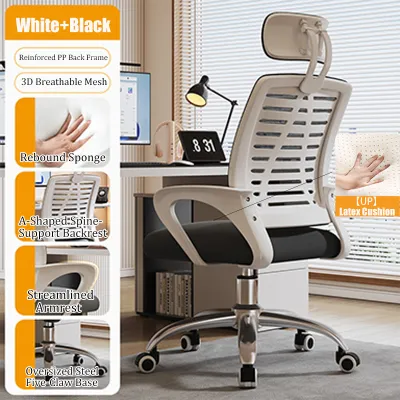
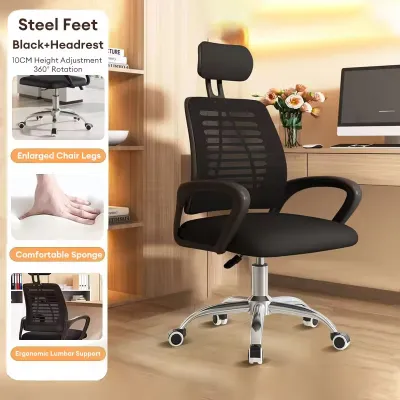
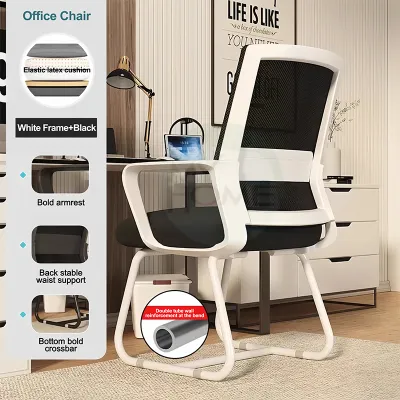
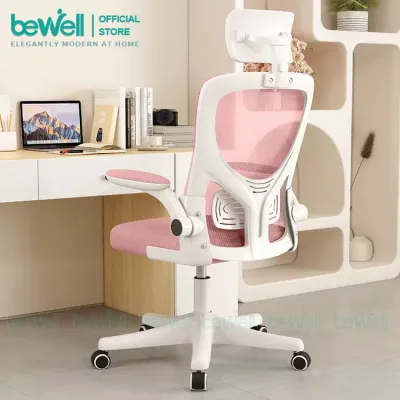
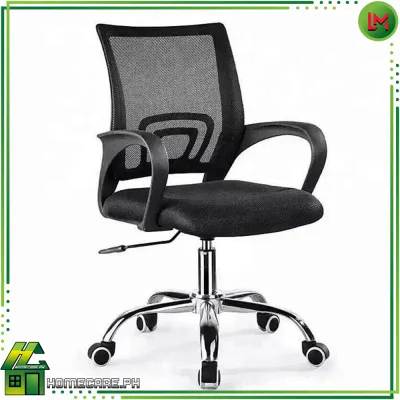
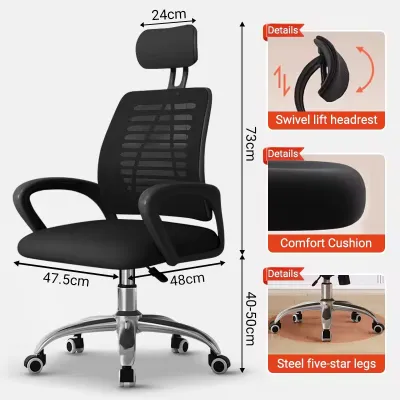
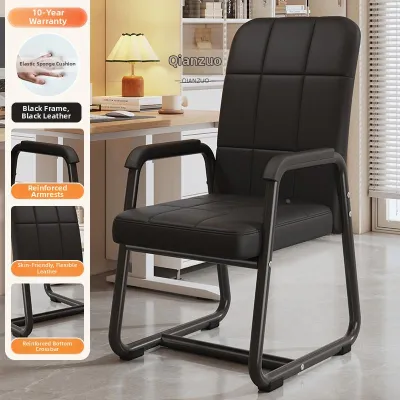
Prices are valid at publication and may change. Please refer to the product page for the latest price.
The most critical point of failure in any office chair is the pneumatic gas lift cylinder, which regulates height adjustments and absorbs the impact of sitting down. Standard chairs typically use Class 1 or Class 2 gas lifts, which are prone to losing pressure and sinking under heavier loads. For reliable heavy-duty performance, look exclusively for chairs equipped with a Class 3 or Class 4 gas lift. These cylinders feature thicker steel walls and higher-grade nitrogen chambers, providing the structural integrity required to sustain continuous pressure without failing.
Beyond the gas lift, the star base of the chair distributes the user’s weight and ensures overall stability. Heavy-duty models utilize reinforced bases made from heavy-duty nylon, die-cast aluminum, or chrome-plated steel. While high-grade nylon bases can be exceptionally strong if they feature internal rib reinforcement, metal bases generally offer superior resistance to bending and cracking. Underneath the seat, the tilt mechanism plate should be constructed of thick-gauge steel, securely bolted to the seat pan at multiple connection points to prevent wobbling or tilting to one side over time.
Seat construction is another vital factor that dictates long-term comfort and durability. Standard chairs often use low-density polyurethane foam that flattens within a few months, leaving you sitting directly on the hard wooden or plastic seat pan. A heavy-duty chair should feature high-density molded foam, which retains its shape and supportive elasticity even after years of use. Alternatively, if you prefer a mesh seat, it must utilize high-tension, elastomeric mesh that is tightly woven and securely anchored to a reinforced frame to prevent sagging.
Setting Expectations Across the ₱3,000 to ₱15,000 Range
Working with a budget of ₱3,000 to ₱15,000 allows you to access a wide variety of office chairs heavy duty designs, but your expectations must align with what is structurally realistic at different price points. Understanding these tiers helps you avoid overpaying for superficial features or falling victim to unrealistic product claims.

The Lower Budget Range (₱3,000 – ₱7,000)
In this entry-level tier, manufacturers focus almost entirely on basic structural integrity rather than advanced ergonomic adjustments. Chairs in this range typically feature robust but simplified designs, such as fixed or simple height-adjustable armrests, a standard tilt-and-lock mechanism, and thick nylon star bases. The seating surface is usually made of standard high-density foam covered in fabric or basic mesh. While these chairs can provide excellent weight support and a certified Class 3 gas lift, they generally lack adjustable lumbar support, seat depth sliders, or highly customizable armrests. Buyers should prioritize a solid frame and a reliable cylinder over any aesthetic extras in this price bracket.
The Upper Budget Range (₱8,000 – ₱15,000)
As you move into the upper half of your budget, the build quality and feature sets improve significantly. Chairs in this tier frequently upgrade to polished aluminum or heavy-duty steel star bases, Class 4 gas lifts, and advanced multi-functional tilt mechanisms that allow you to lock the backrest at multiple precise angles. You will also find superior materials, such as highly breathable, high-tension mesh that conforms to your body without stretching out, and advanced ergonomic adjustments like 3D or 4D armrests, depth-adjustable seat pans, and dedicated, height-adjustable lumbar support systems. These models are designed for long-term comfort during grueling workdays in hot, humid conditions.
When shopping within this overall budget, it is critical to remain vigilant against listings that seem too good to be true. A chair priced at ₱4,000 that claims to offer premium aluminum bases, 4D armrests, a seat slider, and a 200 kg weight capacity has likely compromised on the quality of its internal steel mechanisms, weld joints, or gas cylinder safety. Prioritizing a simpler, highly robust chair with certified core components is always a safer and more economical choice than buying a feature-heavy model built with cheap materials.
Must-Have vs. Nice-to-Have Features for Larger Frames
To get the most value out of your budget, you need a clear decision-making framework that distinguishes between non-negotiable structural elements and optional comfort features. This prevents you from compromising on safety and durability in favor of superficial adjustments.
Must-Have Features
- Generous Seat Dimensions: A seat pan that is too narrow will press against your thighs, restricting circulation and causing discomfort over time. Look for a seat width of at least 50 centimeters and a depth that supports your thighs without pressing into the back of your knees.
- Sturdy, Securely Anchored Armrests: Armrests must be able to support a portion of your body weight when you push yourself up to stand or sit down. They should be bolted directly to the steel seat mechanism or a reinforced frame, rather than relying on weak plastic connections.
- Multi-Angle Tilt Lock: A robust tilt mechanism with a reliable locking system is essential for safety. It prevents the chair from suddenly tipping backward under sudden weight shifts and allows you to find a secure, comfortable angle for different tasks.
- Certified Gas Lift: A Class 3 or Class 4 gas lift with independent safety certifications is the absolute baseline for any heavy-duty office chair.
Nice-to-Have Features (Areas for Compromise)
- Adjustable Headrests: While helpful for neck support during breaks, a headrest does not contribute to the structural integrity of the chair and can be omitted if you need to save money.
- 3D or 4D Armrests: The ability to slide armrests forward, backward, or sideways is convenient but not strictly necessary if the default position aligns well with your desk height.
- Seat Depth Sliders: This feature allows you to adjust the seat pan forward or backward, which is highly beneficial for exceptionally tall users but less critical if the fixed seat dimensions already match your body measurements.
Before finalizing your purchase, take a few minutes to measure your physical space. Measure the height of your desk, the width of your desk opening, and your own physical dimensions. Compare these measurements against the detailed sizing charts provided by the seller to ensure the chair will fit comfortably under your workspace and accommodate your frame without rubbing against desk drawers or walls.
How to Verify Weight Capacity and Safety Claims Online
Because you cannot physically test a chair when shopping on online marketplaces, you must learn how to read between the lines of product listings to verify safety and durability claims. Many sellers use generic terms like “extra strong,” “boss chair,” or “heavy-duty” in their titles without actually engineering the product to support heavier loads.
Your first step is to look for explicit, numerical maximum weight limits in the product description or technical specifications table. If a listing lacks a clear weight capacity in kilograms, or if the seller evades the question in the customer inquiry section, it is safest to assume the chair is built to standard weight limits (usually 90 kg to 100 kg) and is not suitable for heavy-duty use.
Next, look for visual or textual proof of reputable third-party safety and durability certifications. The most recognized standard for office furniture is BIFMA (Business and Institutional Furniture Manufacturers Association). A chair or component that is “BIFMA certified” or “BIFMA tested” has undergone rigorous mechanical testing for base stability, backrest durability, and gas lift cycle limits. Other reliable certifications to look for in product images or descriptions include SGS and TÜV, which verify the safety and wall thickness of the pneumatic cylinder.
Be alert to common red flags in online listings. Avoid products that rely solely on generic stock photos that do not show the underside of the seat, the thickness of the tilt mechanism, or the construction of the base. Another telling sign is the overall shipping weight of the product; a genuine heavy-duty office chair requires substantial steel and reinforced materials, typically resulting in a total product weight of 15 kg to 25 kg. If a listing claims a 150 kg weight capacity but the shipping weight of the box is only 10 kg, the chair likely contains thin-walled plastics and lightweight metals that may fail under pressure.
Finally, dedicate time to reading user reviews, paying close attention to feedback from buyers who have used the chair for several months. Filter reviews to look for mentions of the gas lift slowly sinking, the seat cushion flattening out, the frame squeaking loudly, or the caster wheels cracking. These real-world observations are far more valuable than initial out-of-the-box impressions.
Pre-Purchase Checklist: Delivery, Assembly, and Warranties
Buying a heavy-duty office chair in the Philippines involves logistical considerations that can impact both the total cost and your overall satisfaction. Because these chairs are constructed with heavy steel plates, thick foam, and solid bases, they are significantly heavier and bulkier than standard office furniture.
Before checking out, review this practical checklist to ensure a smooth delivery and setup process:
- Delivery and Handling: Confirm whether the shipping fee includes delivery directly to your doorstep or office room. If you live in a high-rise condominium or a multi-story home, verify if your building has a functional elevator that can accommodate large boxes, as carrying a 20 kg to 25 kg package up several flights of stairs can be difficult and dangerous.
- Assembly Requirements: Most heavy-duty chairs purchased online arrive flat-packed and require self-assembly. Check if the package includes all necessary tools (such as Allen wrenches) and clear, localized instructions. If you are not comfortable assembling heavy components, look for sellers that offer optional professional assembly services for a small fee, or ensure you have assistance during setup.
- Warranty Terms: A reliable heavy-duty chair should come with a clear warranty. Read the fine print to understand what is covered. Typically, reputable sellers offer a 1-to-3-year warranty on the critical structural components—specifically the gas lift, the star base, and the tilt mechanism. Wear-and-tear items like mesh tension, fabric upholstery, and foam cushioning are usually excluded or have a much shorter coverage period.
- Return Policies: Returning a fully assembled, heavy office chair is incredibly difficult and expensive. Check the seller's return policy regarding comfort, sizing, or minor aesthetic defects. Some merchants may require you to pay for return shipping or ship the item back in its original, unassembled packaging, which underscores the importance of verifying all dimensions before buying.
- Shipping Surcharges: Because heavy-duty chairs are classified as bulky items, shipping fees to provincial areas outside Metro Manila (such as parts of Luzon, Visayas, or Mindanao) can be substantial. Always calculate the total cost, including provincial shipping surcharges, to ensure the final checkout price remains strictly within your ₱15,000 budget limit.
Frequently Asked Questions (FAQ)
Can a standard office chair support heavy-duty use if it has a wide seat?
No, a wide seat pan does not mean a chair is built for heavy-duty use. While a wide seat provides more physical space, the underlying structural components—such as the gas lift cylinder, the steel tilt mechanism, the star base, and the caster wheels—may still be rated only for standard weight limits. Using a standard chair for heavy-duty purposes, regardless of its seat width, can lead to sudden gas lift failure, cracked bases, or bent frame connections, posing a serious safety risk to the user.
Is a mesh back better than foam for heavy-duty chairs in a humid climate?
Both materials have distinct trade-offs, especially in the warm and humid climate of the Philippines. High-tension mesh offers excellent breathability and airflow, which keeps you cool and prevents sweat buildup during long working hours; however, the mesh must be of exceptionally high quality to prevent it from stretching and sagging under heavier weights over time. High-density molded foam provides more consistent, firm support and is highly resistant to bottoming out, but it retains more body heat. If you choose mesh, ensure it is rated for high-tension durability, and if you choose foam, look for breathable fabric covers rather than heat-trapping PU leather.
Community discussion
Share your experience or ask a question. Comments are reviewed before publication.