
Finding a durable, pest-proof, and budget-friendly storage solution for a Philippine kitchen can be a challenge. High humidity, seasonal monsoons, and common household pests like termites make traditional wooden cabinets risky investments for long-term food and cookware storage. A 2 door steel cabinet offers an excellent, resilient alternative that keeps your pantry items secure, organized, and dry.
While high-end commercial metal shelving can easily cost tens of thousands of pesos, a budget of ₱5,000 is entirely sufficient to secure a reliable, functional unit. By focusing on essential structural specifications and making smart compromises on cosmetic features, you can find a highly capable steel cabinet that fits both your kitchen layout and your wallet. This guide will walk you through how to navigate the budget market, verify critical product specifications, and avoid hidden costs that could push your total bill past your target budget.
Setting Realistic Expectations for a ₱5,000 Kitchen Cabinet
When shopping with a strict ₱5,000 limit in the Philippines, it is crucial to establish what this price point actually delivers. You can easily find a functional 2 door steel cabinet within this range, but these units are designed for residential utility rather than heavy-duty commercial operations. Understanding these boundaries beforehand prevents disappointment and ensures you select a unit perfectly suited to its intended workload.
Products mentioned in this guide
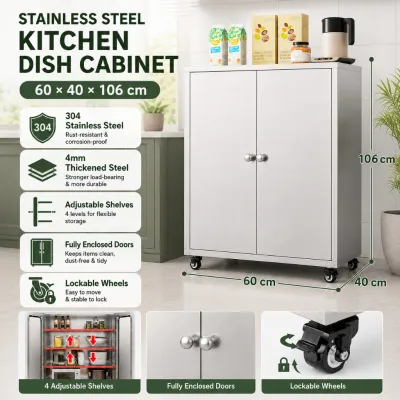
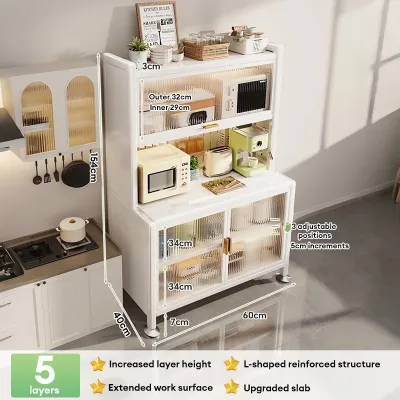
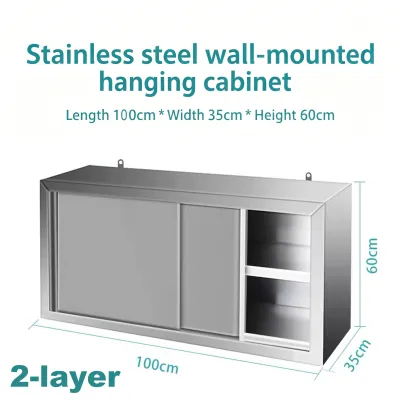
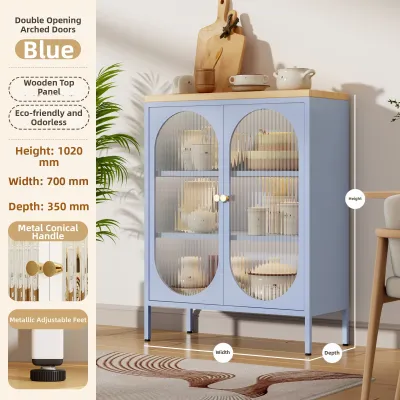
Prices are valid at publication and may change. Please refer to the product page for the latest price.
At this price tier, cabinets are typically manufactured using thinner steel sheets, usually ranging from 0.4 mm to 0.6 mm in thickness. While this steel grade is highly durable and more than capable of holding standard kitchen items, it lacks the rigid, heavy-duty feel of industrial-grade warehouse shelving. The overall construction will feel lightweight, meaning the cabinet must be positioned on a completely flat surface to maintain its structural balance and prevent wobbling.
Aesthetic options under ₱5,000 are also highly standardized. You will primarily find utilitarian designs finished in neutral office tones such as light gray, off-white, beige, or basic black. Premium finishes like wood-grain textures, vibrant custom colors, or matte designer coatings are generally absent from this price bracket. The handles and locking mechanisms will be functional and simple, often featuring standard recessed plastic pulls or basic key-lock assemblies.
Finally, a budget steel cabinet is ideal for dry or semi-dry pantry storage rather than wet-zone placement. These units perform exceptionally well when holding canned goods, dry ingredients, small appliances, and clean cookware. However, they are not designed to be placed directly under leaky pipes, next to open-air washing areas, or in high-condensation zones where moisture can accumulate in unventilated crevices. Keeping the cabinet in a dry, well-ventilated spot maximizes its lifespan.
Non-Negotiable Specs to Verify on Product Labels
To ensure your budget steel cabinet survives the demanding Philippine climate, you must look closely at the product specifications before making a purchase. Relying solely on product photos can be misleading, as cheap paint can easily mask low-grade metal. Verifying specific technical details on the manufacturer’s label or online product description is the best way to guarantee durability.

- Rust Protection and Finish: The year-round humidity in the Philippines is the primary enemy of budget metal furniture. To prevent rust from bubbling up within a few months, check the product label for the term "powder-coated" steel. Powder coating is an electrostatic dry-powder application process that is heat-cured to form a tough, continuous protective skin. This finish is vastly superior to standard wet spray paint, which chips easily and allows moisture to penetrate. Avoid listings that simply state "painted metal" without specifying a powder-coated finish.
- Steel Thickness and Load Limits: Always check the steel gauge or thickness, which should ideally be between 0.5 mm and 0.6 mm for kitchen use. A cabinet made of steel thinner than 0.4 mm is prone to flexing, denting, and warping under moderate weight. Along with thickness, verify the maximum load capacity per shelf, which should be clearly stated in kilograms. A reliable budget unit should support at least 15 kg to 20 kg per shelf. If you plan to store heavy items like a 25-kilogram sack of rice or cast-iron cookware, you must verify that the shelves can handle that concentrated load without bowing.
- Dimensions and Door Clearance: Accurate measurements are vital when integrating a new cabinet into your kitchen layout. Standard budget 2-door steel cabinets typically measure between 90 cm and 180 cm in height, with a depth of 35 cm to 45 cm. Measure your available kitchen floor space carefully, and do not forget to account for the swing radius of the two doors. The doors must be able to open fully without striking dining chairs, refrigerators, or blocking busy walkways. Additionally, check the packaged dimensions of flat-pack units to ensure the box can clear your home's doorways, narrow hallways, or condominium elevators during delivery.
Strategic Trade-Offs to Keep Your Total Cost Under Budget
Staying strictly under ₱5,000 requires making deliberate compromises. The key is to sacrifice non-essential cosmetic features while fiercely protecting the core material quality of the cabinet. By identifying which features you can live without, you can stretch your pesos further.
- Aesthetics vs. Material Quality: When choosing between a cabinet with stylish glass door panels and a plain, solid steel unit, always choose the solid steel option. Glass doors, decorative mesh panels, and ornate hardware add significant manufacturing and packaging costs. To keep the retail price under ₱5,000, manufacturers of glass-door cabinets often use thinner steel frames or lower-quality hinges. Opting for a plain, solid steel door ensures that your money is spent entirely on structural thickness and rust resistance rather than visual upgrades.
- Delivery and Assembly Options: Bulkiness is a major cost driver for steel furniture. Assembled steel cabinets are incredibly expensive to transport and can easily incur shipping surcharges that push your total cost past ₱5,000. To avoid this, opt for flat-pack models that require self-assembly. Flat-pack boxes are compact, making them significantly cheaper to ship. If you live near a physical retail warehouse, consider picking up the box yourself using a personal vehicle or a local on-demand transport service to bypass merchant delivery fees entirely.
- Hardware and Hinges: Do not expect soft-close hydraulic hinges or magnetic push-latches on an entry-level cabinet. Instead, look for simple, mechanical pivot hinges or standard butt hinges that are securely riveted or bolted directly to the steel frame. These basic hardware components are highly durable, less prone to mechanical failure in humid environments, and can easily be lubricated with standard household oil if they ever begin to squeak.
Red Flags and Hidden Fees That Break the ₱5,000 Limit
When browsing online marketplaces or local surplus shops, some deals can seem too good to be true. Low-quality manufacturers and misleading listings often use clever tactics to hide structural deficiencies or inflate the final price at checkout. Knowing what warning signs to look for will protect your budget and your home.
- Vague Material Descriptions: Be highly suspicious of product listings that use generic, non-technical descriptions such as "heavy-duty metal," "sturdy iron," or "alloy steel" without providing specific details. Reputable manufacturers will explicitly state that the product is made of cold-rolled steel and detail the exact thickness and coating type. If a seller cannot or will not provide these specifications, it is highly likely the cabinet is made of untreated, low-grade sheet metal that will rust rapidly when exposed to kitchen steam and spills.
- Hidden Shipping and Handling Surcharges: When purchasing a heavy, oversized item like a steel cabinet online, the price shown on the search results page is rarely the final cost. Because shipping providers calculate rates based on dimensional weight rather than actual weight, shipping fees can easily add ₱500 to ₱1,500 to your bill. This is especially true if you live outside Metro Manila or major provincial hubs. Always add the cabinet to your digital cart and proceed to the final payment screen to verify the total delivered price before committing to the purchase.
- Flimsy Inner Shelving: A common cost-cutting trick among budget manufacturers is to build a sturdy steel outer frame but use cheap, alternative materials for the internal shelves. Be sure to read the product details to confirm the shelves are not made of thin wire grids, particle board, or medium-density fiberboard (MDF). In a humid kitchen environment, wooden or fiberboard shelves will absorb moisture from the air, swell, develop mold, and sag under the weight of your pantry items. Insist on solid, powder-coated steel shelves to ensure long-term utility.
Frequently Asked Questions (FAQ)
Can I use a budget steel cabinet for heavy kitchen appliances like microwaves?
You should always check the specific shelf load capacity printed on the manufacturer’s label or instruction manual before placing any appliances on the cabinet. Budget steel cabinets made of thinner metal sheets can flex or vibrate excessively under the weight of heavy, operating appliances like microwaves, toaster ovens, or heavy-duty rice cookers. If the manufacturer does not explicitly state a safe weight limit for appliances, it is highly recommended to place these heavy, heat-generating items on the very bottom shelf or on a dedicated kitchen counter, rather than on the middle or upper shelves.
How do I prevent a budget steel cabinet from rusting in a humid kitchen?
Preventing rust on a budget steel cabinet requires consistent, proactive maintenance. Position the cabinet away from direct water sources, such as sinks, dishwashing areas, or open windows where rain can blow in during the monsoon season. Ensure your kitchen has adequate ventilation to allow cooking steam to escape, and always wipe up any liquid spills, condensation, or food residue immediately using a dry microfiber cloth. Avoid using harsh chemical cleaners, bleach, or abrasive scrubbing pads, as these can scratch and degrade the protective powder-coated finish, exposing the raw steel underneath to moisture.
Community discussion
Share your experience or ask a question. Comments are reviewed before publication.