
Finding a reliable plastic table on sale that comfortably seats 6 to 10 people is a practical way to host large family gatherings in the Philippines without permanently overcrowding your home. In Filipino households, dining spaces must adapt quickly to accommodate extended family, neighbors, and guests during fiestas, birthdays, and Sunday lunches. An extendable table offers a flexible solution, remaining compact for daily use and expanding when the occasion demands. However, selecting the right model requires looking beyond a discounted price tag to evaluate structural stability, mechanical durability, and spatial compatibility.
With the tropical climate of the Philippines presenting high humidity, intense summer heat, and sudden downpours, the physical demands on furniture are unique. Plastic is a popular material choice due to its resistance to moisture and ease of cleaning, but not all plastic furniture is engineered equally. To make a smart, lasting investment during promotional events, buyers must systematically assess their available space, verify structural specifications, and calculate the true cost of their purchase, ensuring the table delivers long-term utility rather than immediate buyer’s remorse.
Assessing Your Space and Seating Requirements
Before browsing online listings or visiting physical showrooms, you must establish the physical limits of your dining area. A table that seats 6 to 10 people requires a significant amount of clearance, which varies dramatically between its collapsed and fully extended configurations. To avoid a cramped dining experience, measure the length and width of your room and compare these figures against the manufacturer’s specified dimensions for both states.
Products mentioned in this guide
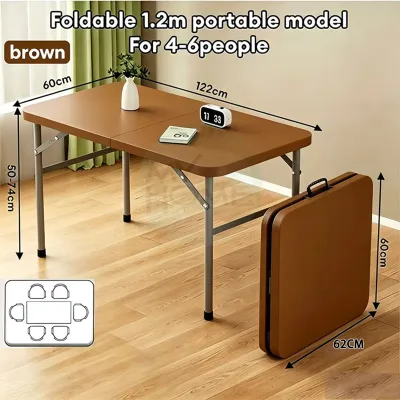
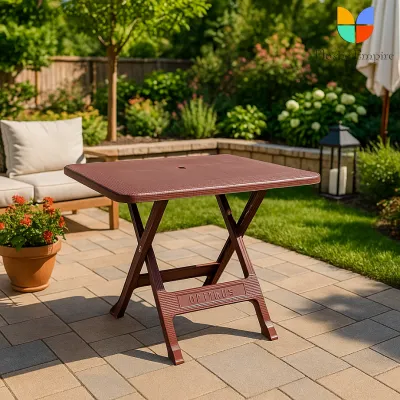
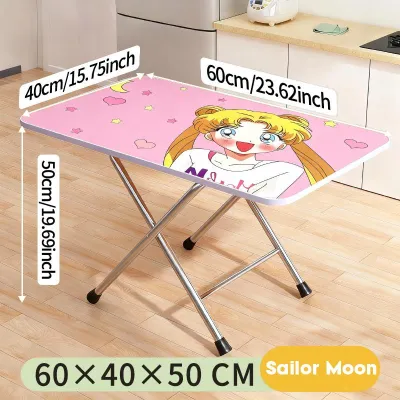
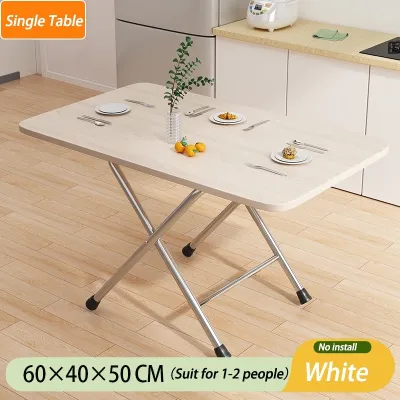
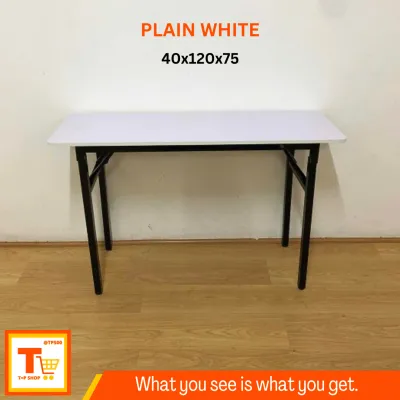
Prices are valid at publication and may change. Please refer to the product page for the latest price.
When calculating space requirements, do not merely measure the footprint of the table itself. A standard rule of thumb for comfortable dining is to maintain a clearance zone of at least 90 centimeters between the edge of the table and the nearest wall or piece of furniture. This clearance allows guests to slide their chairs out easily and permits others to walk behind seated individuals without causing disruption. If your dining room features tight corners or adjacent doorways, map out the fully extended dimensions on the floor using masking tape to visualize the actual traffic flow during a busy family gathering.
The frequency with which you plan to extend the table should also influence your purchase decision. If you intend to keep the table at its compact six-seat size for daily family meals and only extend it to its ten-seat capacity for occasional holiday gatherings, a manual slide-out or drop-leaf mechanism is highly practical. Conversely, if your household frequently hosts large groups several times a week, you will require a highly robust, smooth-gliding extension system that can withstand repetitive wear and tear without jamming or misaligning.
Finally, consider the logistical path the table must take from the delivery truck to your dining room. Large extendable tables, even when packaged in a knocked-down state, often arrive in bulky, heavy boxes. Measure the width of your main entryway, any narrow hallways, stairwells, and elevator doors in your building. Confirming these dimensions beforehand ensures that your new furniture can be safely transported into your home without damaging the walls, the packaging, or the table itself.
Verifying Material and Structural Specifications
When searching for a plastic table on sale, it is easy to assume that all plastic furniture behaves the same way under daily stress. However, the term “plastic” covers a wide range of synthetic materials with vastly different structural properties, load capacities, and environmental resistances. To ensure your table remains safe and functional, always verify the specific material composition and surface treatments listed in the product description.

High-density polyethylene (HDPE) and polypropylene (PP) are two of the most common plastics used for durable dining tables, often featuring a blow-molded or injection-molded construction. While these materials are naturally resistant to moisture, you must check the manufacturer’s product label to verify if the plastic has been treated with UV stabilizers. Without UV protection, a plastic table placed near a sunny window or used on a semi-outdoor patio can quickly fade, become brittle, and develop micro-cracks over time. Additionally, look for specifications regarding scratch resistance and heat tolerance, as hot serving dishes can warp or mark untreated plastic surfaces if trivets are not used.
The extension mechanism is the most critical moving part of the table and requires close inspection. Common designs include drop-leaf panels that fold down along the sides, slide-out frames with insertable leaf panels, and butterfly leaf systems that fold and store neatly beneath the tabletop. When reviewing product specifications, check if the extension tracks are constructed from rust-resistant metal, such as powder-coated steel or aluminum, or if they rely entirely on plastic-on-plastic sliding channels. Metal tracks generally offer smoother operation and greater longevity, especially in humid Philippine climates where plastic components can expand slightly or warp.
Equally important is the stability of the table’s base design when fully extended. A table supporting up to 10 diners must bear the weight of multiple heavy serving platters, dinnerware, and the occasional leaning guest. Examine whether the model utilizes a traditional four-leg configuration or a central pedestal base. Four-leg designs pushed to the outer corners generally provide superior stability for extended tables, whereas central pedestals must have a wide, heavy base plate to prevent the table from tipping when weight is applied to the outer extended leaves. Always check the manufacturer’s stated maximum load capacity for both the center and the extended sections before finalizing your choice.
Calculating the True Cost of "Sale" Prices
The appeal of finding a plastic table on sale can sometimes cloud a buyer’s judgment, leading to impulsive purchases based on perceived discounts. To secure a genuine bargain, you must look beyond the highlighted discount percentage and calculate the overall financial commitment. Retailers frequently inflate the original “suggested retail price” to make a standard price point appear like a massive markdown, a practice that can be easily identified with a bit of research.
To verify if a sale price is legitimate, conduct a baseline price comparison across multiple online furniture stores and local retail websites. Search for the exact model number or manufacturer name rather than relying on generic search terms. If the same table is consistently priced at ₱8,000 across three different stores, a retailer claiming a “limited-time 50% discount” down to ₱7,999 is not offering a true sale. Keeping a log of prices over a few weeks, especially leading up to major promotional periods, helps you spot authentic price drops.
Furthermore, bulky furniture items like large dining tables often incur substantial hidden costs that are not reflected in the initial checkout price. Shipping fees in the Philippines can vary dramatically depending on your location. While delivery within Metro Manila might be relatively affordable or even free during specific promotions, shipping a heavy, oversized package to provinces in Luzon, Visayas, or Mindanao can add thousands of pesos to your total bill. Always input your delivery address to calculate the exact shipping fee before committing to a purchase. Additionally, check if the seller charges extra for professional assembly services, as complex extendable mechanisms can be challenging to assemble without specialized tools.
Finally, protect your investment by reviewing the seller’s warranty and return policies. Because extendable tables rely on moving parts, they are more susceptible to mechanical failure than standard fixed-top tables. Prioritize sellers that offer a clear, written warranty covering structural defects and mechanism failures for at least six months to a year. Be cautious of “clearance” items sold under strict “no return, no exchange” policies, as returning a defective, oversized table at your own expense can easily wipe out any savings you gained from the initial discount.
Navigating Sales Channels and Promotions
Finding a reliable, high-quality extendable table requires knowing where to look and how to navigate different sales channels. In the Philippines, consumers have access to a wide range of retail options, from physical home improvement warehouses to major online marketplaces. Each channel offers distinct advantages and potential risks that you should weigh according to your shopping preferences.
Purchasing directly from official brand stores or authorized physical showrooms is often the safest route. While the initial price might be slightly higher than unbranded alternatives on general marketplaces, official retailers frequently run exclusive direct-to-consumer promotions, bundle deals that include matching chairs, and seasonal clearance events. Visiting a physical showroom also allows you to personally test the extension mechanism, feel the texture of the plastic tabletop, and verify the overall stability of the table before spending any money.
If you prefer the convenience of major online furniture marketplaces, utilize search filters systematically to narrow down your options. Filter your search by setting a specific budget range, selecting “plastic” or “synthetic resin” under material filters, and sorting results by customer ratings rather than default search relevance. When browsing listings, do not rely solely on the product images provided by the seller. Scroll down to the customer review section and look for reviews that contain real-life photos and videos. These user-generated uploads provide a realistic look at the table’s actual color, finish, and scale in a home setting.
Timing your purchase can also yield significant savings. Major retail events, such as year-end clearances, holiday sales, and store anniversary promotions, are prime opportunities to find bulky furniture items at discounted rates. Retailers often discount larger items to clear out warehouse space for incoming inventory, making these periods ideal for securing a high-quality extendable table at a fraction of its standard retail price.
Delivery, Assembly, and Safety Verification
Once your extendable plastic dining table is delivered, the process of ensuring its quality and safety begins. Bulky furniture can undergo significant stress during transit, making a thorough inspection essential before you sign any delivery receipts or release the courier. Carefully examine the packaging for signs of severe impact, punctures, or water damage that may have affected the contents inside.
Once the package is opened, conduct a detailed physical inspection of all components. Check the plastic tabletop surfaces for hairline cracks, deep scratches, or stress marks, which often appear as white, discolored patches on molded plastic. Pay close attention to the areas around the pre-drilled screw holes and the joints where the extension mechanism attaches to the main frame. Ensure that all hardware, including screws, bolts, brackets, and the instruction manual, are present and accounted for before beginning the assembly process.
When assembling the table, strictly follow the manufacturer’s step-by-step instructions. Do not skip any structural steps or substitute hardware, as this can severely compromise the table’s weight capacity and stability. If the table features a metal sliding track, ensure it is perfectly aligned and securely fastened to prevent the extension leaves from jamming or becoming uneven. Avoid over-tightening screws directly into plastic components, as this can strip the threads and weaken the connection points over time.
After assembly is complete, perform a thorough safety test before hosting your first gathering. Extend and collapse the table multiple times to verify that the mechanism glides smoothly without catching or requiring excessive force. Once fully extended, apply moderate downward pressure on the extended leaves to ensure the locking mechanisms hold securely and the table does not wobble or tip. If you notice any structural instability, uneven joints, or mechanical resistance, consult the manufacturer’s troubleshooting guide or contact their customer service department before allowing guests to use the table.
Frequently Asked Questions (FAQ)
How to clean and maintain the extension tracks
To keep your extendable plastic table operating smoothly, regular maintenance of the sliding tracks is essential. Dust, food crumbs, and spilled liquids can easily accumulate in the tracks, causing the mechanism to grind or jam over time. Periodically wipe the tracks with a dry or slightly damp microfiber cloth to remove loose debris. Avoid using harsh chemical cleaners, abrasive scouring pads, or heavy oil-based lubricants on plastic components, as these can degrade the material or attract more dirt; instead, refer to the manufacturer’s care instructions for approved cleaning agents.
Is it safe to leave a plastic extendable table outdoors
Whether a plastic extendable table can be safely left outdoors depends entirely on its specific product rating and material treatment. Unless the manufacturer explicitly states on the product label that the table is UV-stabilized, weatherproof, and rated for permanent outdoor use, prolonged exposure to direct sunlight and heavy rain can cause the plastic to fade, warp, and become brittle. Moisture can also cause internal metal extension tracks to rust if they are not specifically treated for outdoor environments. To maximize the lifespan of your table, strictly follow the environmental guidelines provided by the manufacturer, and consider using a waterproof furniture cover or storing the table indoors when it is not in use.
Community discussion
Share your experience or ask a question. Comments are reviewed before publication.