
Finding robust computer chairs heavy duty under ₱5,000 in the Philippines requires balancing budget constraints with structural safety. While a true, certified heavy-duty office chair designed for high weight capacities (130kg to 150kg or more) typically commands a premium price, you can still secure a highly durable, stable, and supportive chair within this price range if you know exactly what components to prioritize. By shifting focus away from aesthetic gimmicks and toward verified mechanical parts—such as Class 3 or Class 4 gas lifts, reinforced bases, and high-density molded foam—you can find an entry-level or standard-duty seat that safely supports daily work. This guide breaks down how to navigate the Philippine furniture market to find the sturdiest possible chair under your ₱5,000 limit, ensuring your investment remains safe, comfortable, and long-lasting.
Setting Realistic Expectations for Computer Chairs Heavy Duty Under ₱5,000
When shopping for office furniture, the term “heavy-duty” carries specific engineering and safety implications. In professional furniture manufacturing, a genuine heavy-duty chair is built to withstand continuous use by individuals weighing 130kg to over 150kg. Achieving this level of durability requires specialized, certified components, including extra-thick steel plates, reinforced multi-angle tilt mechanisms, and heavy-gauge cylinders. Because these premium materials and rigorous testing certifications (such as BIFMA or SGS) increase manufacturing costs, true heavy-duty chairs in the Philippine market generally retail starting from ₱8,000 to well over ₱15,000.
At a strict budget of under ₱5,000, it is crucial to adjust your expectations and understand what is realistically available. Within this price bracket, most options are standard-duty chairs designed for weight capacities ranging from 90kg to 110kg. While some sellers on online marketplaces may label budget chairs as “heavy-duty” with claims of supporting 150kg or 200kg, these claims are frequently marketing exaggerations unsupported by certified components.
Products mentioned in this guide
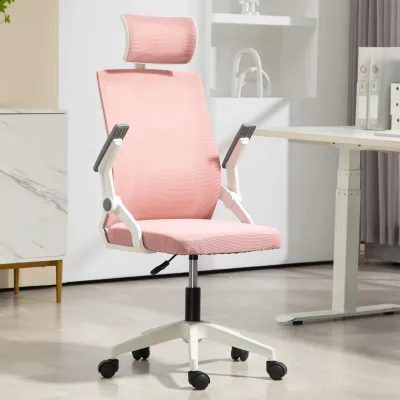
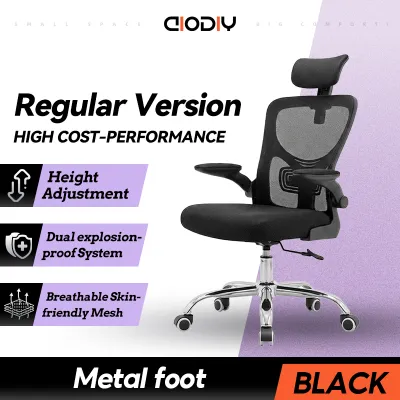
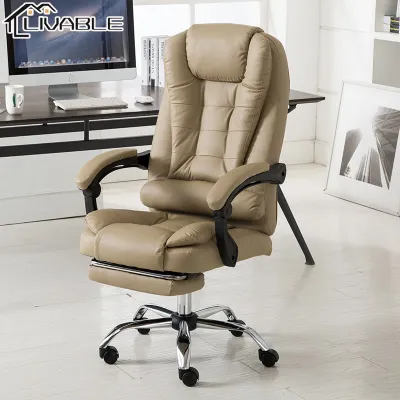
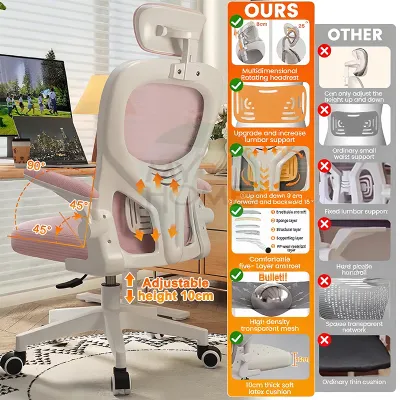
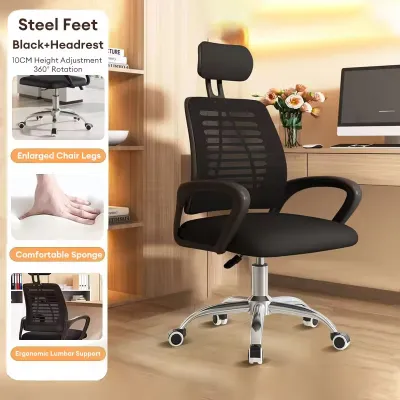
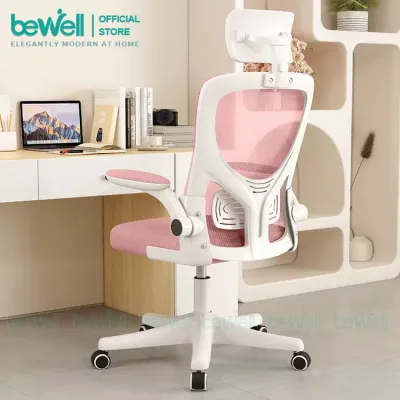
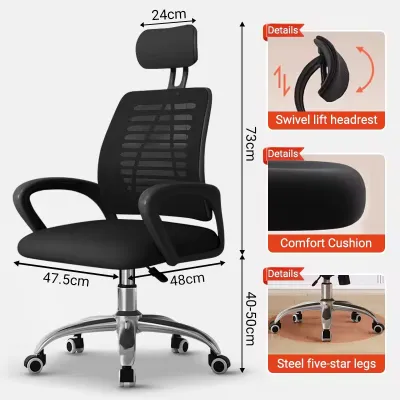
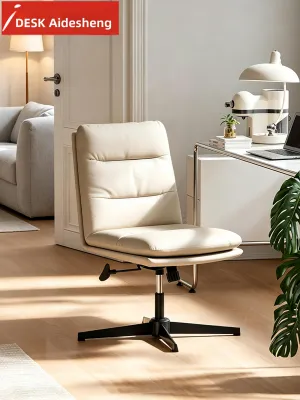
Prices are valid at publication and may change. Please refer to the product page for the latest price.
This does not mean you cannot find a reliable, durable chair under ₱5,000. Instead, your goal should be to identify the most robust standard-duty model available—one that maximizes structural integrity and basic safety without compromising on core components. By focusing on structural fundamentals rather than superficial features, you can acquire a chair that offers excellent stability and longevity for daily use within the 90kg to 110kg range.
How to Identify Durable Components on a Tight Budget
To get the absolute best value and safety from a budget-friendly chair, you must look past the overall design and inspect the individual load-bearing parts. Whether you are browsing physical furniture showrooms or comparing specifications on local ecommerce platforms, evaluating these components systematically is the key to avoiding premature structural failure.

Evaluating Gas Lifts and Wheelbase Materials
The gas lift cylinder is the single most critical safety and weight-bearing component of any computer chair. It regulates the height and absorbs the dynamic impact when you sit down. For safety and durability, prioritize chairs equipped with a Class 3 or Class 4 gas lift cylinder. These cylinders feature thicker steel walls and superior internal seals compared to lower-grade Class 1 or Class 2 alternatives. When shopping online, check the product description or directly ask the seller to confirm the gas lift class; look for certifications from internationally recognized testing bodies like SGS or BIFMA engraved directly on the metal cylinder casing.
The wheelbase provides the foundation for the chair’s stability and prevents tip-over accidents. At the sub-₱5,000 price point, you will encounter wheelbases made of nylon-reinforced plastic, steel, or aluminum.
- Nylon-Reinforced Bases: High-quality nylon-reinforced bases are highly durable, flexible enough to absorb impact, and resistant to cracking. However, ensure the underside of the base features a dense, webbed structural pattern rather than a hollow design.
- Metal Bases: Steel or aluminum wheelbases offer excellent rigidity and weight capacity. If choosing steel, inspect the joints and welds for uniform thickness and ensure there is a rust-resistant chrome or powder-coated finish to withstand the high relative humidity of the Philippine climate.
- Hollow Plastic Bases: Avoid cheap, unreinforced matte plastic bases. These are highly prone to cracking under dynamic loads, particularly when rolling over uneven tile grout or floor transitions.
If you are inspecting a chair in person, look closely at the diameter of the wheelbase. A wider wheelbase (typically 60cm to 70cm) provides a lower center of gravity and significantly better stability, reducing the risk of tipping when you lean forward or backward.
Checking Seat Mechanisms and Upholstery
The seat mechanism—the metal plate bolted directly to the underside of the seat pan—controls the tilt, height adjustment, and overall stability of the seat. Budget chairs often use thin, stamped steel plates that can bend or warp over time under consistent weight, leading to an uncomfortable, permanent tilt. Look for chairs that feature a thick, multi-layered steel control mechanism with solid weld points. A heavier, more substantial metal plate indicates a higher tolerance for daily shifting and weight distribution.
Upholstery materials play a vital role in both long-term comfort and durability, especially under tropical conditions.
- Seat Cushion Foam: Prioritize high-density molded foam over cheap cut foam. Molded foam is manufactured in a specific shape and retains its density and resilience for years, preventing the seat from "bottoming out" (where you can feel the hard wooden or plastic seat pan underneath). Cut foam, on the other hand, quickly loses its loft and flattens permanently within a few months of heavy use.
- High-Tensile Mesh: For backrests and even seat pans, high-tensile mesh is an exceptional choice for the Philippine climate. It allows constant airflow, preventing sweat and heat buildup during long working hours. Ensure the mesh is tightly woven and secured firmly into the frame with multiple screws or heavy-duty retaining channels.
- Upholstery to Avoid: Steer clear of cheap bonded leather or low-grade polyurethane (PU) leather. In warm, humid environments, these materials trap body heat, accelerate sweating, and rapidly degrade. Within a year, the surface will likely crack, peel, and flake off, leaving a mess and exposing the underlying foam.
Features to Compromise On and Quality Traps to Avoid
To stay under the ₱5,000 threshold without sacrificing structural safety, you must distinguish between essential structural components and non-essential luxury features. Manufacturers of budget chairs often include flashy, low-quality add-ons to distract buyers from weak frames and low-grade gas lifts.
To maximize your budget, actively look for chairs that compromise on the following features:
- 4D Adjustable Armrests: Multi-directional armrests require complex plastic and metal linkages that drive up production costs. Opt instead for fixed, loop-style armrests or simple height-adjustable armrests. Fixed armrests that connect both the seat pan and the backrest often add structural rigidity to the entire chair frame.
- Deep Recline Functions: Mechanisms that allow a chair to recline up to 135 or 180 degrees require heavy-duty tension springs and locking teeth to remain safe. At a low price point, these reclining mechanisms are often weak points that can fail or slip. A simple tilt-tension lock that allows a gentle 90-to-110-degree upright posture is much safer and more durable.
- Built-In Footrests and Lumbar Pillows: Retractable footrests on budget chairs are almost always constructed from thin metal rods and cheap plastic brackets that bend easily under minimal leg weight. Similarly, loose lumbar pillows filled with low-grade polyester fiber offer poor support and flatten quickly.
Additionally, be vigilant against common quality traps. The most prevalent trap in the local market is the “racing-style” or “gaming-style” chair priced between ₱2,500 and ₱4,000. While these chairs look impressive and mimic high-end brands, their internal structure often consists of thin, unreinforced plywood and cheap, hollow steel tubing held together by weak spot welds. They prioritize flashy aesthetics over ergonomic support and structural safety, often failing prematurely under daily use.
Always avoid unbranded, white-label chairs sold by generic online storefronts that do not provide a clear maximum weight limit, detailed component specifications, or any form of local warranty. A reputable manufacturer or local distributor will clearly state the weight limits and stand behind their product with at least a basic 6-month to 1-year warranty on parts like the gas lift and wheelbase.
Strategies to Maximize Your ₱5,000 Budget
Securing a durable chair within a strict ₱5,000 budget requires a strategic approach to shopping. By timing your purchase and exploring alternative retail avenues, you can often acquire a higher-tier, more durable chair that normally retails outside your budget.
First, leverage the promotional cycles of major online marketplaces in the Philippines. Monthly double-digit shopping campaigns (such as 9.9, 10.10, 11.11, and 12.12) along with mid-month and payday sales offer significant discounts. During these events, reputable local office furniture brands frequently offer store vouchers, platform discounts, and free shipping promotions. A robust mid-tier chair normally priced at ₱6,000 to ₱7,000 can easily drop below the ₱5,000 threshold when these discounts are stacked at checkout.
Second, do not overlook physical furniture showrooms, office liquidators, and warehouse outlets. Many local office supply stores sell floor models, clearance items, or slightly scuffed stock at steep discounts. Furthermore, because corporate offices frequently upgrade their furniture or downsize, office liquidation warehouses often sell high-quality, commercial-grade ergonomic chairs from reputable brands at a fraction of their original retail price. These commercial chairs, even when second-hand, are built to much higher durability standards than brand-new, low-cost residential chairs.
Finally, always calculate the total landed cost of your purchase. Computer chairs are bulky and heavy, typically weighing between 12kg and 20kg. Shipping fees from major distribution hubs to provinces outside Metro Manila can range from ₱500 to over ₱1,500, which can easily push a ₱4,500 chair past your strict ₱5,000 budget. Look for sellers offering flat-rate shipping, local warehouse pickup, or shipping discount vouchers to keep your total expenditure within limits.
When to Delay Your Purchase for Safety and Longevity
While budget constraints are highly practical, personal safety and long-term financial efficiency must always come first. If the primary user of the chair weighs consistently more than 110kg, attempting to use a sub-₱5,000 standard-duty chair is a significant safety hazard and a poor financial decision.
Using a chair that is not engineered to support your weight leads to several predictable and dangerous outcomes:
- Sudden Gas Lift Failure: The high pressure inside a low-grade cylinder can fail under excessive weight, causing the chair to sink abruptly or, in rare cases, rupture.
- Structural Snapping: The plastic wheelbase or the weld joints on the seat mechanism can snap under dynamic load (such as sitting down quickly), leading to sudden falls and potential physical injury.
- Voided Warranties: Exceeding the manufacturer's stated weight limit immediately voids any warranty coverage, meaning you will have to bear the cost of a replacement yourself.
If you exceed the 110kg threshold, it is highly recommended to delay your purchase and save an additional ₱3,000 to ₱5,000. Doing so allows you to invest in a certified heavy-duty ergonomic chair (typically priced between ₱8,000 and ₱15,000) that features a reinforced steel frame, a certified Class 4 gas lift, and a heavy-duty aluminum base.
While you save up for the correct equipment, avoid the temptation to buy a temporary, low-quality office chair. Instead, use a sturdy, solid-wood dining chair or a heavy-duty monobloc chair. You can easily improve the ergonomics of a standard wooden chair by adding a high-density foam seat cushion and a rolled-up towel or lumbar support insert for your lower back. This temporary setup is far safer, more stable, and more cost-effective than buying a cheap computer chair that may break within weeks.
Frequently Asked Questions (FAQ)
How can I verify the true weight capacity if the seller doesn't list it?
If a seller does not explicitly list the weight capacity of a computer chair, you can estimate its durability by checking several key physical indicators. First, look at the net weight of the chair in the product specifications; heavier chairs (typically 14kg and above) generally utilize thicker steel plates, denser molded foam, and more robust structural components than lightweight, flimsy models (under 10kg). Next, ask the seller to send a photo of the gas lift cylinder to check for engraved markings indicating its class (Class 3 or Class 4) and safety certifications from organizations like SGS or BIFMA. Finally, check the diameter and material of the wheelbase, prioritizing nylon-reinforced or metal bases over thin, hollow plastic. If the seller cannot provide these details or refuses to share verification, it is safest to assume a conservative, standard weight limit of 90kg.
Are extended warranties worth buying for budget office chairs?
For computer chairs priced under ₱5,000, purchasing an extended warranty is rarely a sound financial decision. The cost of these add-on warranties is often disproportionately high relative to the purchase price of the chair, and the terms may include complex claim processes, shipping fees for replacement parts, or exclusions for normal wear and tear. Instead of spending extra money on an extended warranty, it is wiser to allocate those funds toward your initial budget to purchase a higher-quality chair with better native components. When your new chair arrives, thoroughly inspect and test all moving parts—including the gas lift, casters, and tilt mechanism—within the standard return and replacement window of the ecommerce platform or retail store to resolve any immediate manufacturing defects.
Community discussion
Share your experience or ask a question. Comments are reviewed before publication.